Autopay is supposed to make life easier. You set up automatic payments for electricity, water, internet, or gas — and never worry about missing a bill again.
But convenience can sometimes come with a hidden cost.
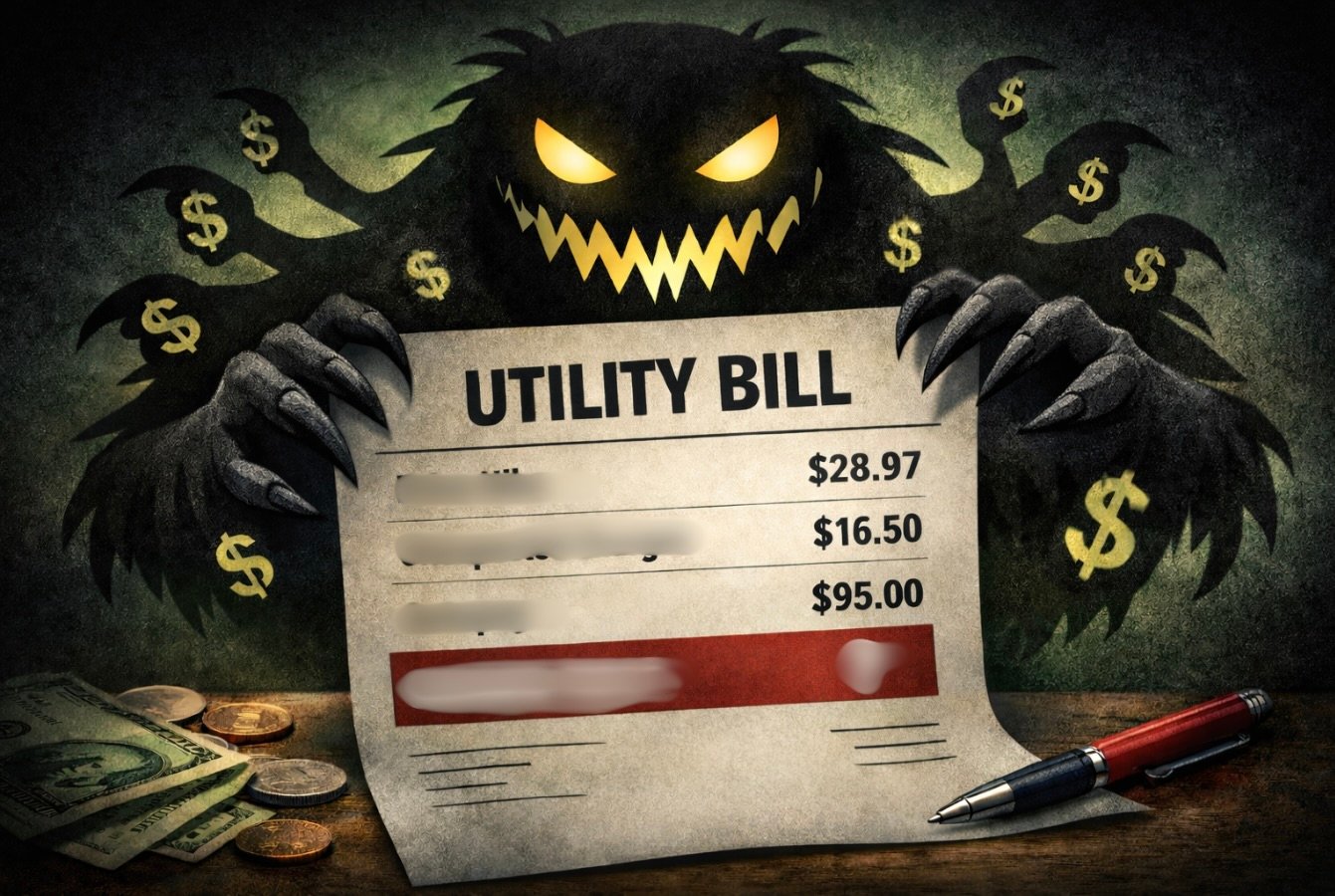
When bills are paid automatically every month, many people stop checking them altogether. That’s when small problems like price increases, unused services, or usage spikes quietly eat away at your money. Over time, those unnoticed charges can add up to hundreds of dollars a year.
If you rely on autopay for your utilities, watch out for these common mistakes that could be draining your bank account.
1. Not Reviewing Your Monthly Bills
Autopay can make it easy to forget your bills even exist.
But utility rates change, fees appear, and usage varies from month to month. If you never review your statements, you might not notice a price increase or billing error for months. Even a small increase — like $10 or $15 per month — can add up significantly over time.
A simple habit of reviewing each bill once a month can help catch issues before they become expensive problems.
2. Paying for Services You Don’t Use Anymore
Many households continue paying for services they stopped using long ago.
Maybe you upgraded your internet plan temporarily or added a cable channel package during a promotion. If you forget to remove those add-ons, they may continue charging you month after month — especially if the bill is paid automatically.
Reviewing your utility bills at least once a year can help you cancel unnecessary services and reduce your monthly expenses.
3. Missing Opportunities to Switch to Cheaper Plans
Utility companies don’t always notify customers when better or cheaper plans become available.
If you set up autopay years ago and never review your account, you might still be paying an outdated rate. Comparing plans or negotiating with providers occasionally could lower your bill without changing your usage habits.
Sometimes a quick phone call or online account review is enough to unlock savings.
4. Ignoring Sudden Usage Spikes
Utility bills like electricity, gas, and water are based on usage, which means they can fluctuate.
When payments happen automatically, you might not notice a sudden jump in the bill. But higher usage could signal something worth investigating — like inefficient appliances, poor insulation, or even a hidden water leak.
Checking your monthly statements helps you identify unusual spikes before they turn into ongoing expenses.
5. Linking Autopay to the Wrong Account
Another common mistake is connecting autopay to an account that doesn’t always have enough funds.
If your utility payment hits when your balance is low, you could face overdraft fees or missed payments. In some cases, people also link autopay to credit cards and forget to pay the balance in full, which leads to interest charges.
A better strategy is to connect autopay to a stable account with predictable cash flow.
6. Putting Too Many Bills on Autopay
Autopay works best for bills with fixed amounts. But many utilities fluctuate from month to month.
If a variable bill suddenly jumps due to seasonal changes or higher usage, autopay could withdraw far more than expected and disrupt your monthly budget.
For variable expenses, some people prefer to review the bill first and then approve the payment manually.
7. Forgetting to Set Alerts or Payment Reminders
Many people set up autopay and completely forget about it.
Without alerts or notifications, you might miss issues like failed payments, billing errors, or unexpected increases. Setting simple reminders or account alerts can help you stay aware of your finances while still enjoying the convenience of automatic payments.
The Bottom Line
Autopay can be a useful tool for avoiding late fees and simplifying your finances — but it shouldn’t mean ignoring your bills entirely.
Checking your utility statements regularly, reviewing your plans, and keeping an eye on your usage can help prevent small charges from quietly draining your bank account.
Automation works best when it’s paired with occasional oversight. A quick monthly check-in with your bills might be all it takes to keep your budget on track.