When it comes to personal finance, the terms emergency fund and savings are often used interchangeably—but they’re far from the same thing. Knowing the difference between the two is crucial if you’re serious about building financial stability.
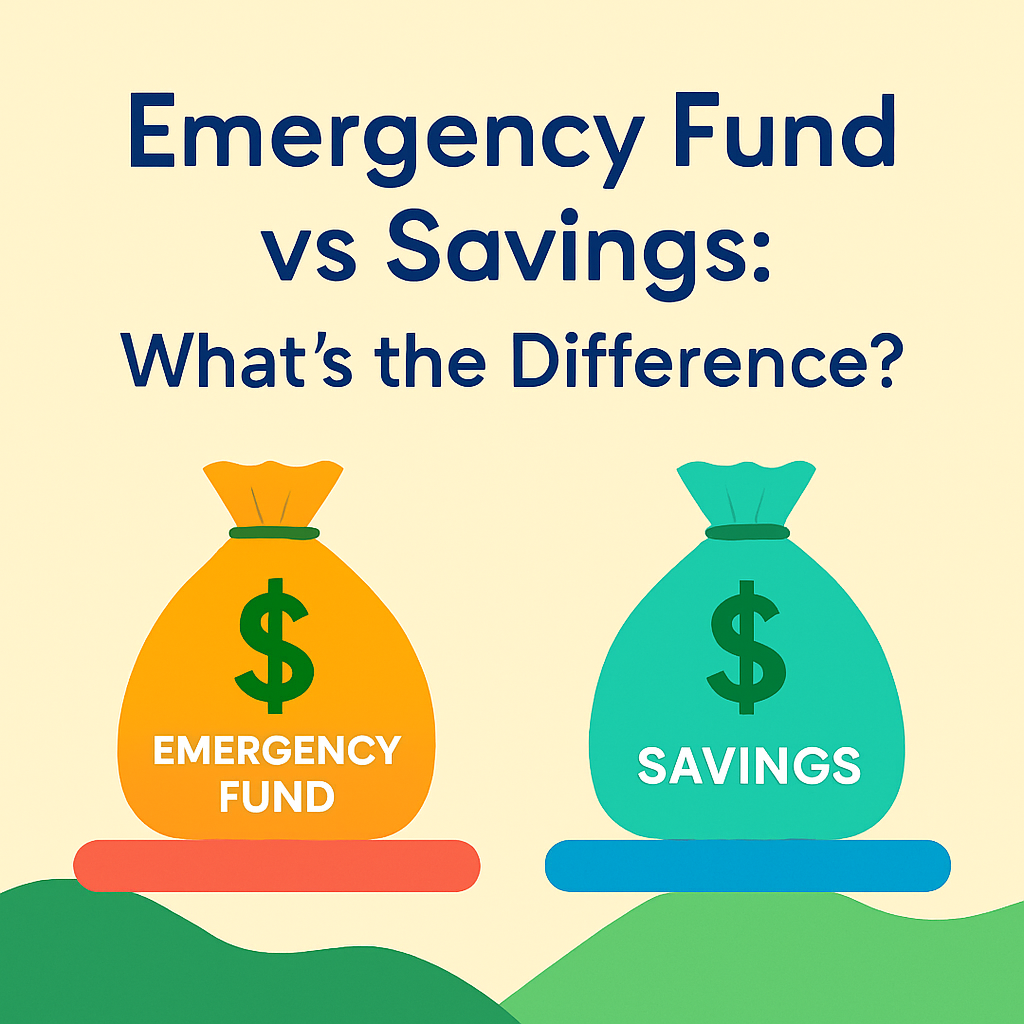
Think of your emergency fund as a financial safety net. It’s the cash you stash away for unexpected, urgent situations—like a medical bill, a car breakdown, or job loss. Your regular savings, on the other hand, are for planned expenses such as vacations, new gadgets, or even a down payment on a house.
Let’s break down the key differences:
1. Purpose
Emergency Fund: Covers unplanned expenses. Think emergencies that could derail your budget completely.
Savings: Helps you prepare for planned expenses. You’re intentionally saving up for something specific.
2. Accessibility
Emergency funds should be easy to access—like in a high-yield savings account.
Regular savings can be stored in places that may take more time to withdraw from, especially if they’re meant for long-term goals.
3. How Much to Keep
Financial experts often recommend having 3–6 months of expenses in your emergency fund.
Your savings goal depends on what you’re saving for. It could be as small as $500 or as large as $50,000.
4. Mental Separation
One of the best things you can do is mentally and physically separate your emergency fund from your other savings. Mixing them makes it easier to “borrow” from one another—and before you know it, your emergency fund is gone.
This is especially true if you’re working on how to stick to a budget without feeling miserable. Mixing up funds often leads to overspending and emotional stress.
5. Budgeting for Both
When creating a financial plan—especially if you’re figuring out how to budget—it’s important to assign different line items for both your emergency fund and your other savings goals. This keeps expectations clear and arguments at bay.
6. When to Use Them
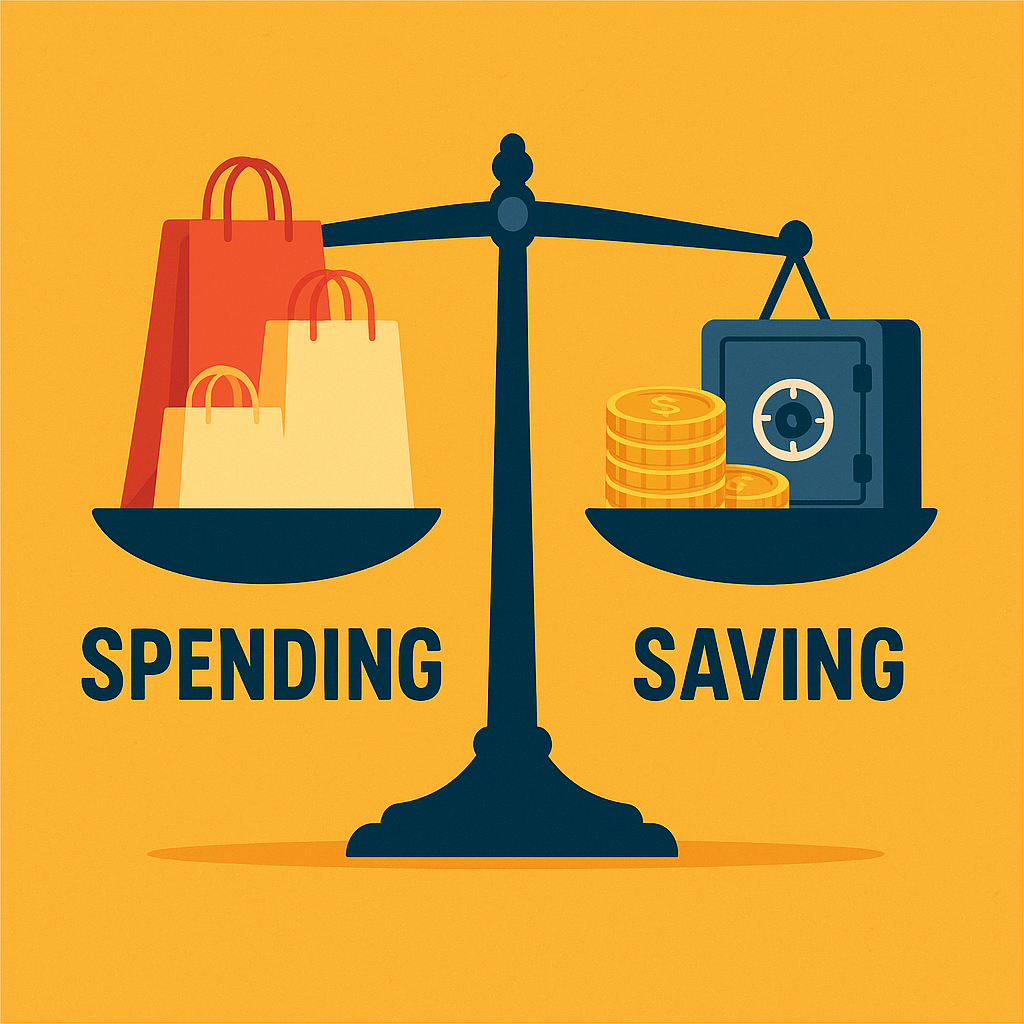
Only touch your emergency fund when it’s truly an emergency—job loss, urgent home repairs, medical expenses. Wanting to go on a vacation or upgrade your phone? That’s what your savings are for.
Final Thoughts
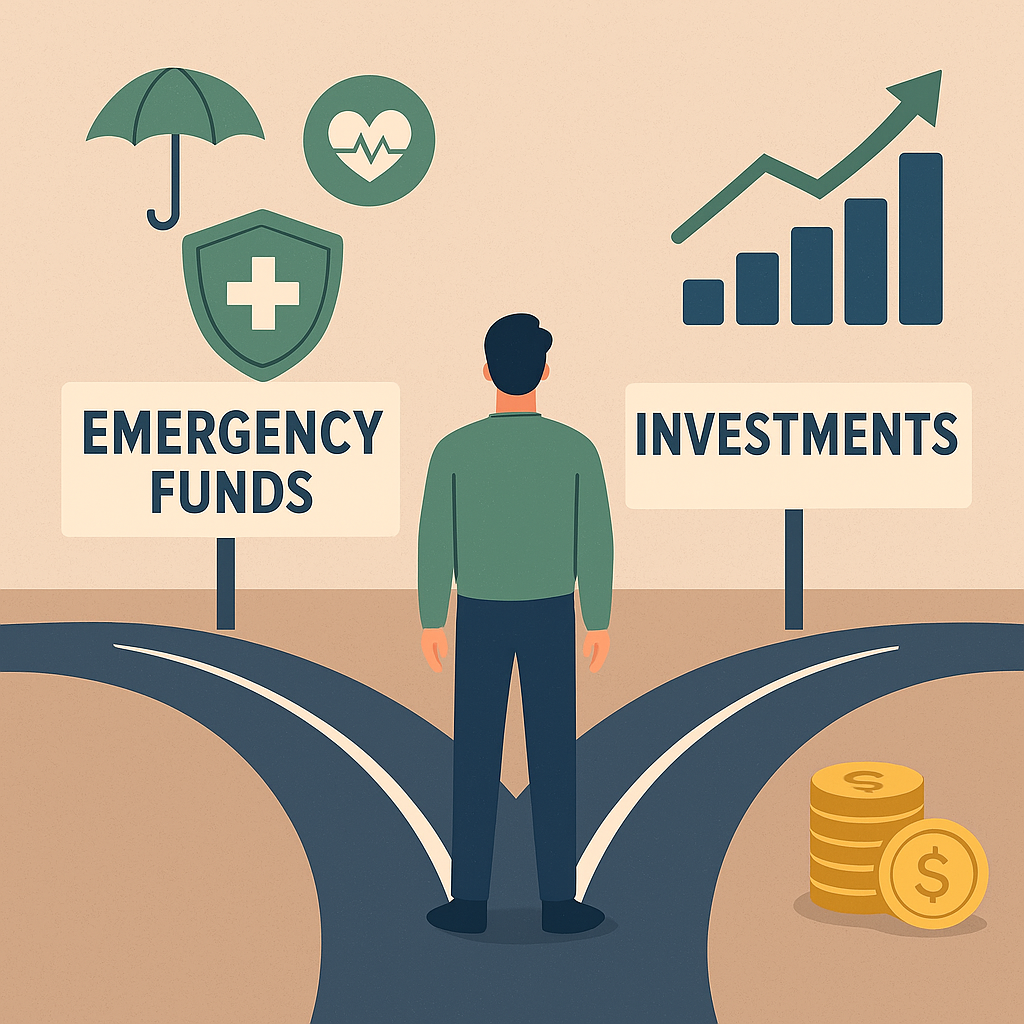
Understanding the difference between an emergency fund and savings can make or break your financial plan. One keeps you safe during life’s curveballs; the other helps you move forward on your goals. Treat them both with purpose—and budget for them separately.
If you’re not sure where to start, try using a monthly budget calculator to break down your income and plan your goals.