Practical, Stress-Free Strategies to Help You Consistently Save $500 a Month
Saving $500 every month might sound like a dream—especially if you’re living paycheck to paycheck. But here’s the truth: you don’t need to give up your favorite coffee, stop having fun, or live like a monk to hit that savings goal.
With the right strategies, small changes, and a realistic plan, saving $500 each month is not only possible—it’s surprisingly easy. In this guide, we’ll break down smart, stress-free ways to save without feeling deprived.
Why $500 a Month Is a Game-Changer
Putting away $500 each month adds up to $6,000 in a year—a solid emergency fund, a vacation, or even a big step toward debt freedom. But it requires more than good intentions. The key is building a budget that works for you, even if you’ve always thought budgeting was hard.
Step 1: Know Where Your Money Goes
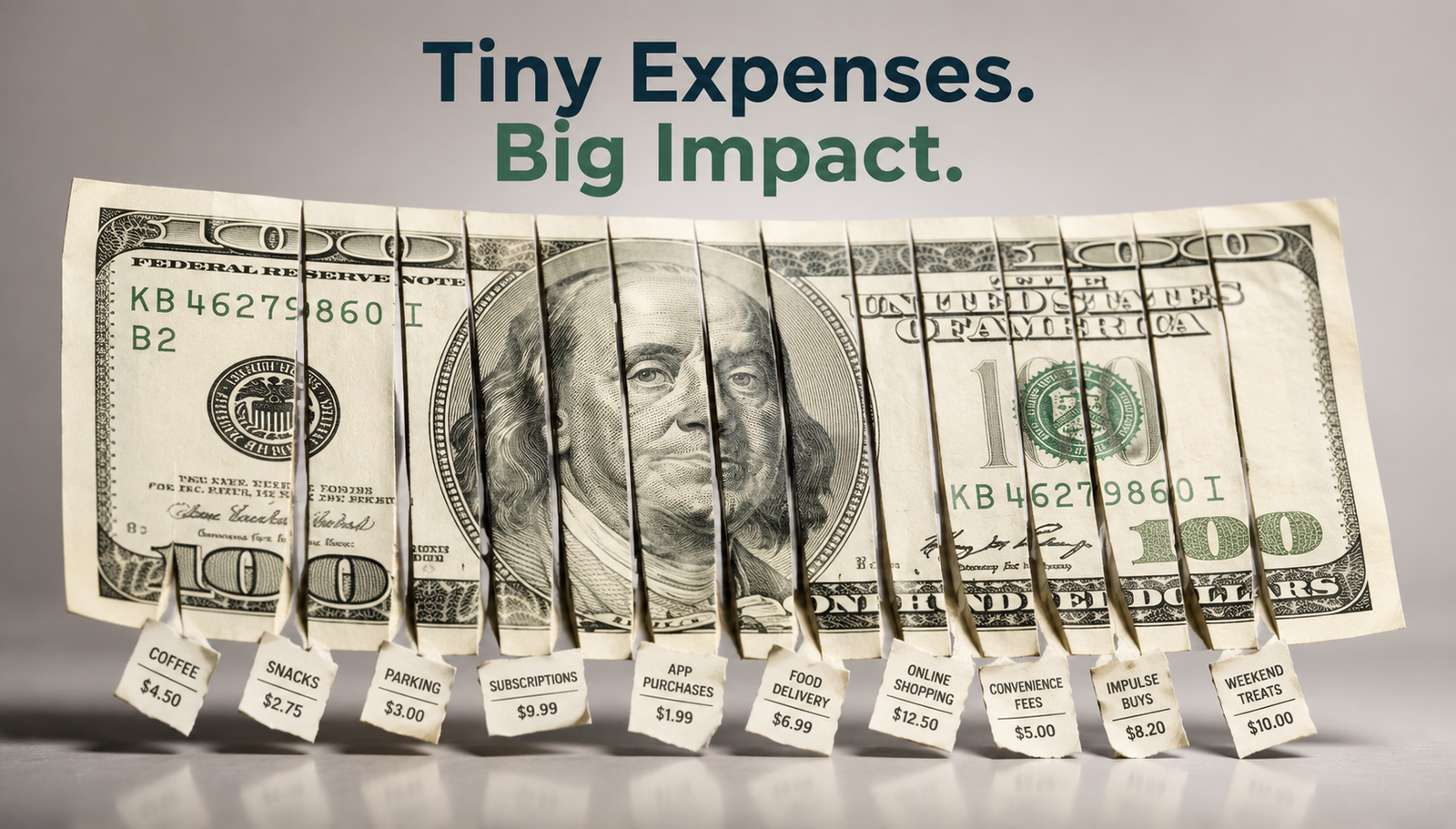
Before you start saving, track your expenses. Many people underestimate how much they spend on “small” things like takeout or subscriptions. A simple tool like our Monthly Budget Calculator can show where your money is really going. Cutting back on financial leaks is easier when you see the full picture—because most common budgeting mistakes come from not tracking spending in the first place.
Step 2: Follow a Simple Rule That Works
The 50/30/20 rule is a proven way to organize your money:
50% for needs
30% for wants
20% for savings
If your monthly income is $3,000, that’s $600 for savings—more than enough to hit your $500 goal. Using this structure gives you clarity on how much you can spend without guilt while still saving consistently.
Step 3: Automate to Remove Temptation
Saving gets a lot easier when it’s automatic. Set up an auto-transfer to your savings account as soon as your paycheck hits. This method ensures you “pay yourself first,” which behavioral finance experts say is the easiest way to stick to your plan. If you’re unsure how much of your income should go toward savings, there’s a formula that works for nearly everyone (What Percentage of Income Should Go to Savings? The Smart Money Formula Everyone Should Know).
Step 4: Trim Costs Without Feeling Miserable
You don’t have to eliminate everything you enjoy—just make small adjustments. Swapping two restaurant meals for home-cooked dinners each week, buying generic brands, or canceling unused subscriptions can easily free up $200 or more. These micro-changes won’t make you feel deprived and will help you stick to a budget without feeling like you’re punishing yourself (How to Stick to a Budget Without Feeling Miserable).
Step 5: Control Spending Triggers
Most overspending isn’t about math—it’s about psychology. Impulse buys often happen when you shop out of boredom or chase a dopamine hit. Using cash for discretionary expenses is a simple trick that creates a natural spending limit and makes purchases feel more real. Psychology shows spending cash feels more real than swiping a card. Allocate a set amount of cash for entertainment each month. When it’s gone, it’s gone.
Step 6: Increase Income for Extra Cushion
If trimming expenses isn’t enough, add a small side hustle, freelance gig, or sell unused items online. Even an extra $100–$200 each month means you’ll reach your savings target faster without feeling squeezed.
Make Saving Fun
Turn it into a game—try a no-spend weekend or use round-up apps that stash spare change. Small challenges keep the process exciting instead of feeling like a chore.
Final Thoughts
Saving $500 a month doesn’t require a complete lifestyle overhaul. With automation, a simple budgeting structure, and mindful spending habits, you can hit your goal without stress.