Retirement might feel like a distant dream, but the truth is that financial freedom later in life depends on the choices you make right now. Whether you’re just starting your career, building a family, or climbing the corporate ladder, your approach to retirement planning should evolve with each stage of life. Here’s how to budget wisely for retirement in your 20s, 30s, and 40s.
Budgeting for Retirement in Your 20s: Build the Habit Early
Your 20s are all about setting the foundation. Even if you don’t earn much yet, building the habit of saving is more important than the amount itself. Thanks to compound interest, even small contributions can grow significantly over time.
Start by contributing to a retirement account as soon as possible.
Automate savings so you don’t rely on willpower alone.
Focus on paying down high-interest debt to free up more money later.
Think of this stage as planting seeds—small, consistent efforts today will blossom into big results decades down the road.
Budgeting for Retirement in Your 30s: Balance Growth and Expenses
In your 30s, life often gets busier—marriage, kids, mortgages, and career shifts can make saving feel impossible. But this is also when your income tends to rise, which means you have more room to grow your retirement fund if you manage it carefully.
Increase your retirement contributions whenever you get a raise.
Avoid lifestyle inflation—just because you earn more doesn’t mean you should spend more.
Build an emergency fund to avoid dipping into retirement savings for short-term needs.
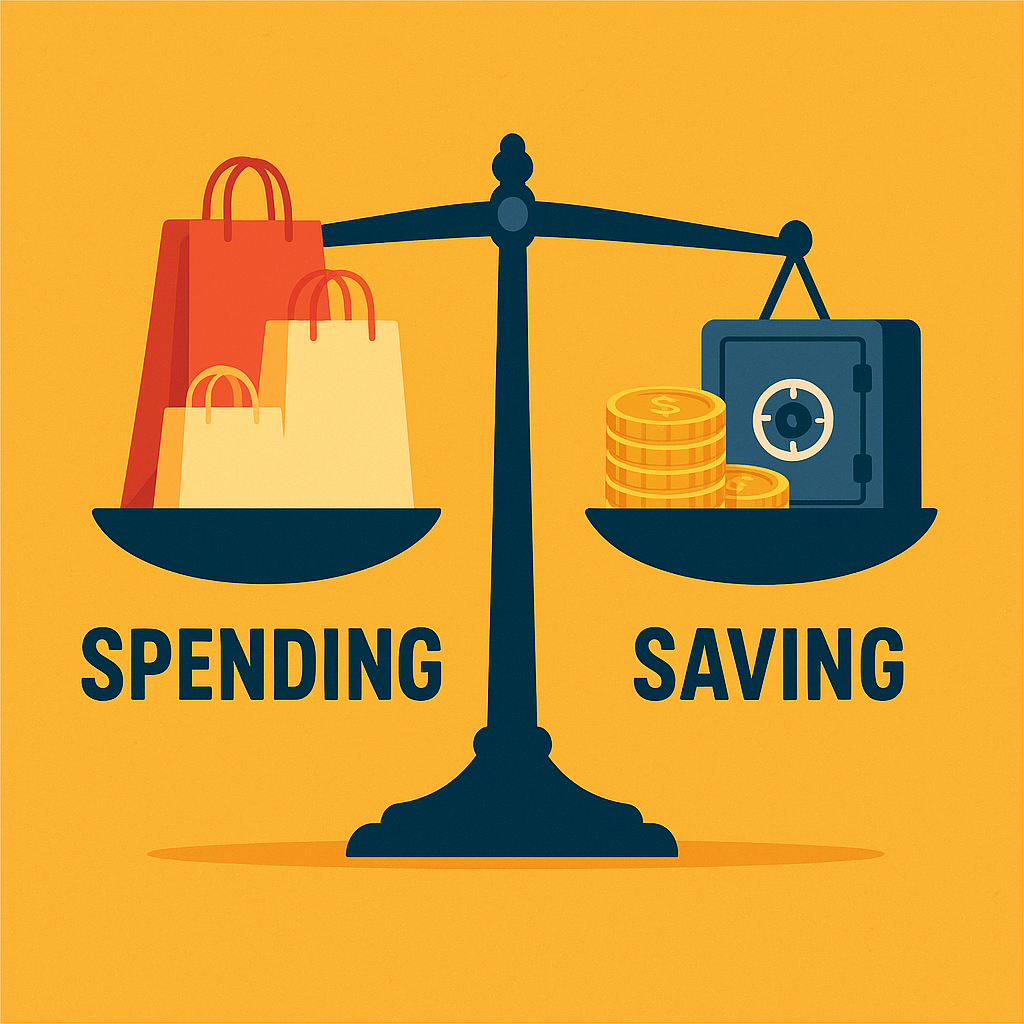
This decade is about balance: enjoying the present while making sure your future self is taken care of.
Budgeting for Retirement in Your 40s: Catch Up and Protect
By your 40s, retirement stops feeling like a vague concept and starts looking a lot closer. If you’ve been consistent with your savings, this is the time to protect and grow. If you’re behind, don’t panic—you still have time to catch up.
Take advantage of “catch-up” contributions if they’re available in your retirement accounts.
Reevaluate your budget and trim unnecessary expenses to redirect more toward savings.
Diversify your investments to reduce risk as retirement approaches.
Your 40s are also the time to focus on debt reduction, ensuring you enter retirement with as few financial burdens as possible.
Final Thoughts
No matter your age, budgeting for retirement comes down to consistency, discipline, and smart planning. Your 20s are for building habits, your 30s are for balancing priorities, and your 40s are for catching up and protecting what you’ve built. The earlier you start, the less stressful retirement will be—and the more freedom you’ll have to live life on your own terms.