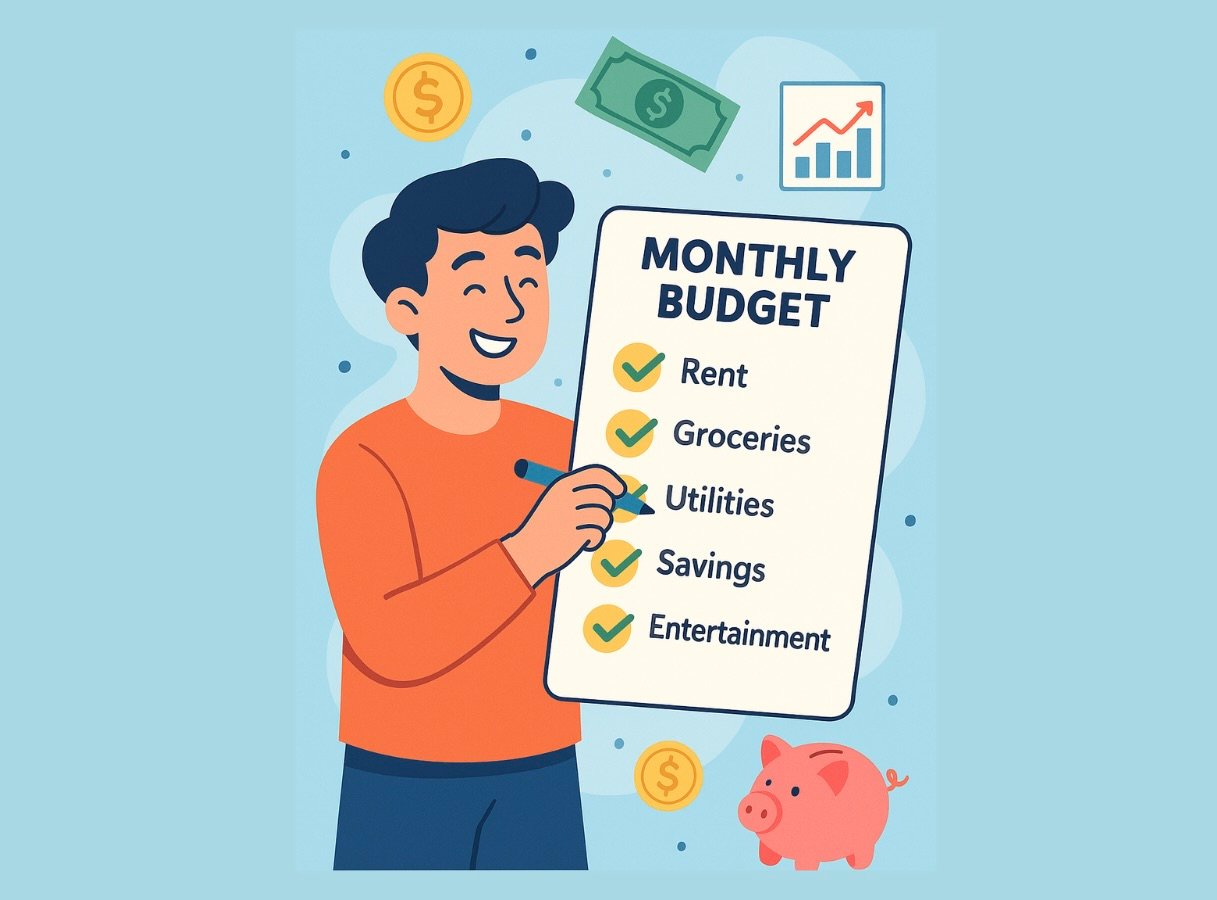
Buying a car is exciting, but it’s also one of the biggest financial decisions most people make. Without a solid budget, it’s easy to overspend or get caught in sneaky dealership add-ons that drain your wallet. A smart budget not only helps you afford the car you want but also protects you from paying more than you should.
Step 1: Know What You Can Afford
Before stepping foot on a dealership lot, decide how much you can realistically spend. Financial experts recommend keeping your monthly car payment under 15% of your take-home pay. And don’t forget—owning a car comes with more than just the sticker price. Gas, insurance, maintenance, and registration fees should all be factored into your budget.
Step 2: Save for a Down Payment
The bigger the down payment, the less you’ll need to borrow. Aim for at least 20% of the car’s purchase price to avoid being “upside down” on your loan. If that feels like a stretch, cut back on non-essentials temporarily or use strategies similar to how you’d save for an emergency fund—small, consistent contributions add up faster than you think.
Step 3: Shop Smart for Financing
Never rely solely on dealer financing. Compare loan offers from banks, credit unions, or online lenders to find the best interest rate. Having pre-approved financing gives you leverage and prevents salespeople from pushing you into unfavorable deals.
Step 4: Budget for Ongoing Costs
A new car might fit into your monthly budget on paper, but the hidden costs can surprise you. Higher insurance premiums, rising fuel prices, and unexpected repairs can quickly blow your budget. Build a “car ownership fund” in your budget—similar to how you’d handle an emergency fund—to cover these ongoing expenses without stress.
Step 5: Watch Out for Add-Ons
Dealerships often push extended warranties, fabric protection, and fancy tech upgrades at inflated prices. Many of these extras aren’t necessary. Stick to your budget and avoid impulse add-ons that don’t provide real value.
Final Thoughts
Budgeting for a car is about more than finding a price tag you can live with. It’s about understanding the true cost of ownership, saving strategically, and resisting high-pressure sales tactics. With a clear budget in place, you can drive away knowing you got a fair deal—without getting ripped off.