Freelancing can feel like financial whiplash—one month you’re flush with cash, the next you’re wondering how to cover rent. That’s the reality of budgeting with irregular income. Unlike traditional salaried jobs, freelancers, gig workers, and self-employed professionals face unpredictable paychecks, which makes planning ahead both tricky and essential.
The good news? With the right approach, you can smooth out the highs and lows and create a system that works—even when your income doesn’t look the same each month.
1. Know Your Bare Minimum Expenses
Start by identifying your non-negotiables: rent or mortgage, utilities, groceries, insurance, and debt payments. This “bare minimum budget” becomes your survival number—the amount you absolutely need to keep life running smoothly.
2. Create a Buffer Fund
When income is unpredictable, a buffer fund (separate from your emergency fund) can save you from stress. Think of it as your personal cash flow manager: in high-income months, set aside extra money, and in lean months, draw from it. Aim to build at least one month of expenses in this buffer.
3. Budget Based on Your Lowest Month
Instead of budgeting on your best month, plan your finances around your worst. If the lowest monthly income you’ve had as a freelancer is $2,000, base your budget on that figure. Anything earned beyond that becomes savings, debt repayment, or padding for slower months.
4. Separate Business and Personal Finances
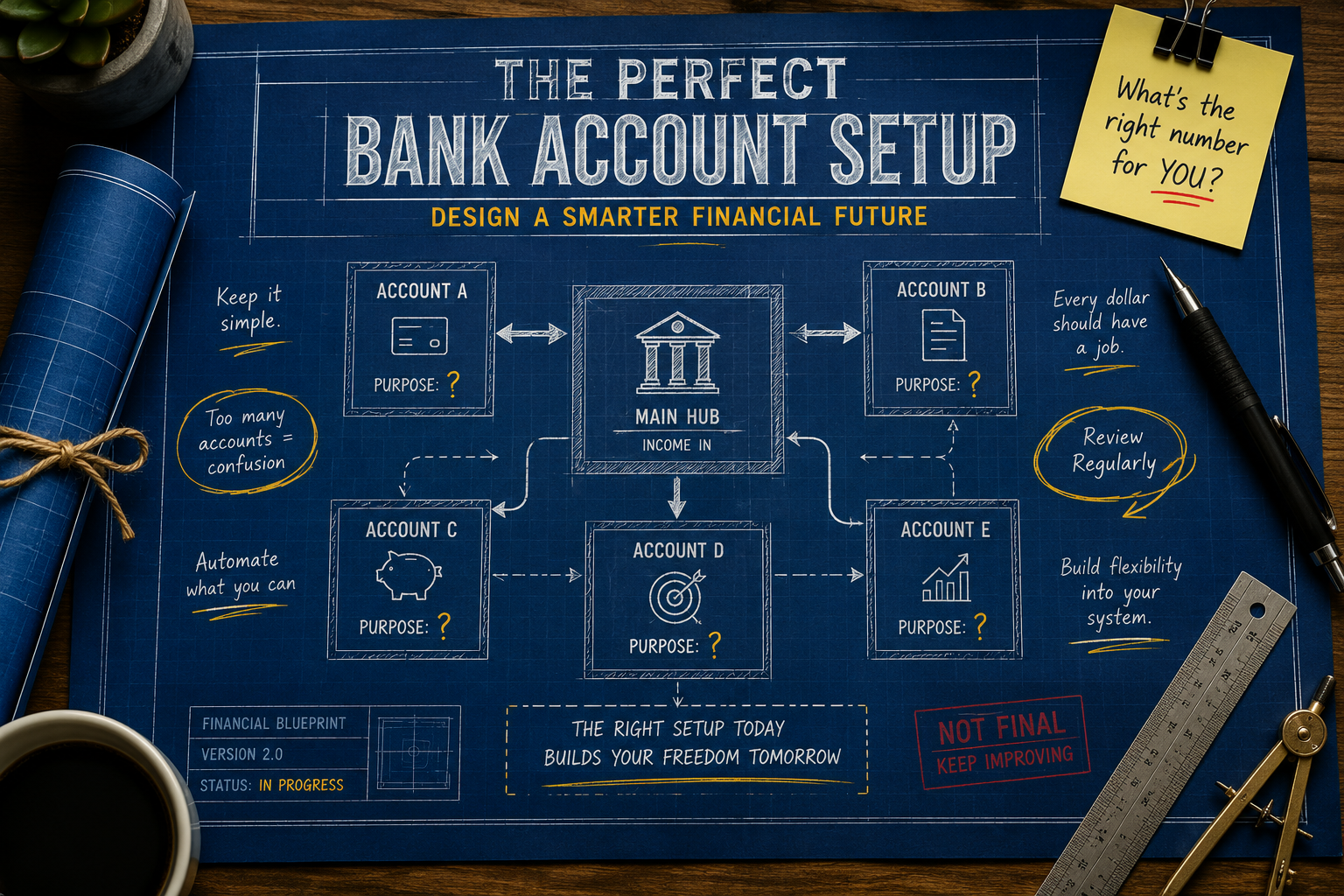
Mixing freelance income with personal spending can make your finances messy. Open separate accounts for business and personal use. This makes tracking income, setting aside taxes, and managing expenses much easier.
5. Prioritize Irregular Expenses
Freelancers don’t just deal with irregular income—they often face irregular expenses like quarterly taxes, annual software subscriptions, or health insurance premiums. Treat these like fixed expenses by calculating their yearly cost, dividing by 12, and setting aside that amount each month.
6. Pay Yourself a “Salary”
Once you’ve got a buffer fund in place, consider paying yourself a consistent monthly “salary.” Deposit freelance income into one account, then transfer a set amount (say, $3,000) into your personal checking each month. This stabilizes your spending and keeps lifestyle creep in check.
7. Keep Saving for the Future
It’s tempting to focus only on short-term stability, but don’t neglect retirement savings. Even irregular contributions to an IRA or retirement account add up over time. The key is consistency, not perfection.
8. Track and Adjust Constantly
Budgeting with irregular income isn’t a one-and-done job. Review your budget monthly, adjust your buffer, and stay flexible. Freelancing comes with uncertainty, but your money plan doesn’t have to.
Final Thoughts
Budgeting with irregular income takes discipline and foresight, but it’s absolutely doable. By focusing on minimum expenses, building a buffer, and treating yourself like your own employer, you can take control of your finances—even when your income isn’t predictable.