A no-spend challenge sounds simple on paper: commit to not spending money on non-essentials for a set period of time. But if you’ve ever tried one, you know it can test your patience, willpower, and even your social calendar. Done right, though, it can be a powerful way to reset your spending habits, save money quickly, and become more mindful about where your dollars go.
Here’s a step-by-step guide on how to start a no-spend challenge—and actually stick to it without feeling miserable.
Step 1: Define Your Rules Clearly
The key to success is knowing what “no-spend” actually means for you. Essentials like rent, utilities, groceries, and medical needs are usually excluded, while categories like takeout, shopping, streaming subscriptions, and impulse buys are put on pause. Think of it as a reset button for your budget rather than a punishment.
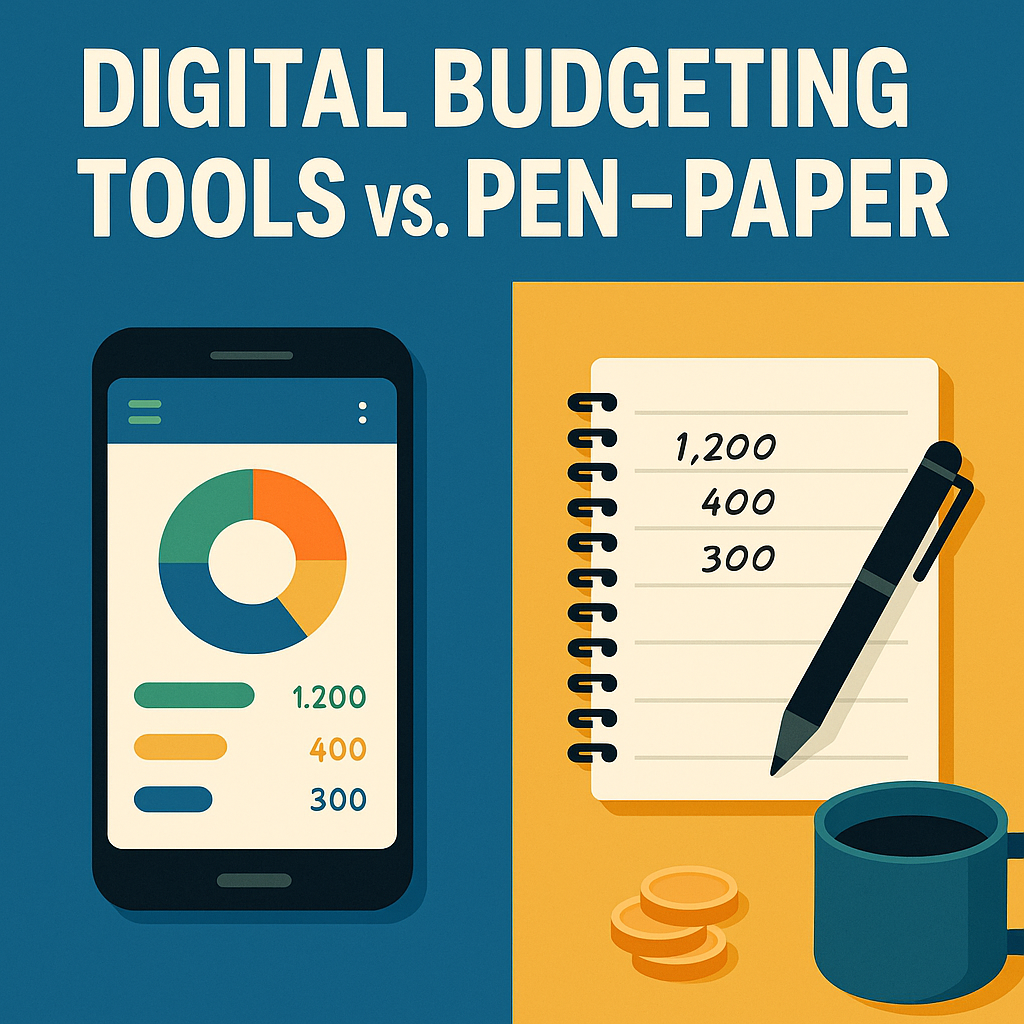
If you’re new to budgeting, it helps to first create a monthly budget so you know where your money normally goes before cutting back.
Step 2: Pick a Timeframe You Can Commit To
Jumping straight into a year-long no-spend challenge might set you up for failure. Start small—a weekend, a week, or a month—and gradually build up. Even a short no-spend weekend can help you uncover common budgeting mistakes you might not notice otherwise.
Step 3: Prep Before You Begin
Stock your pantry, plan meals, and make a list of free or low-cost activities. The more prepared you are, the fewer temptations you’ll face. If you’re on a low income, prepping in advance is especially important so you’re not forced into spending just to meet basic needs.
Step 4: Identify Your Weak Spots
Overspending usually has patterns. Maybe you blow your budget on late-night online shopping, or maybe it’s dining out with friends. Recognizing these habits is part of the psychology of overspending, and once you see the triggers, you can create healthier alternatives.
Step 5: Use Budgeting Frameworks as Support
You don’t have to abandon all structure during a no-spend challenge. Frameworks like the 50/30/20 budget rule or even zero-based budgeting can help you redirect the money you save into categories like debt payoff or savings. Some people even combine the challenge with the envelope budgeting system to physically separate “off-limits” cash.
Step 6: Decide What to Do With the Money You Save
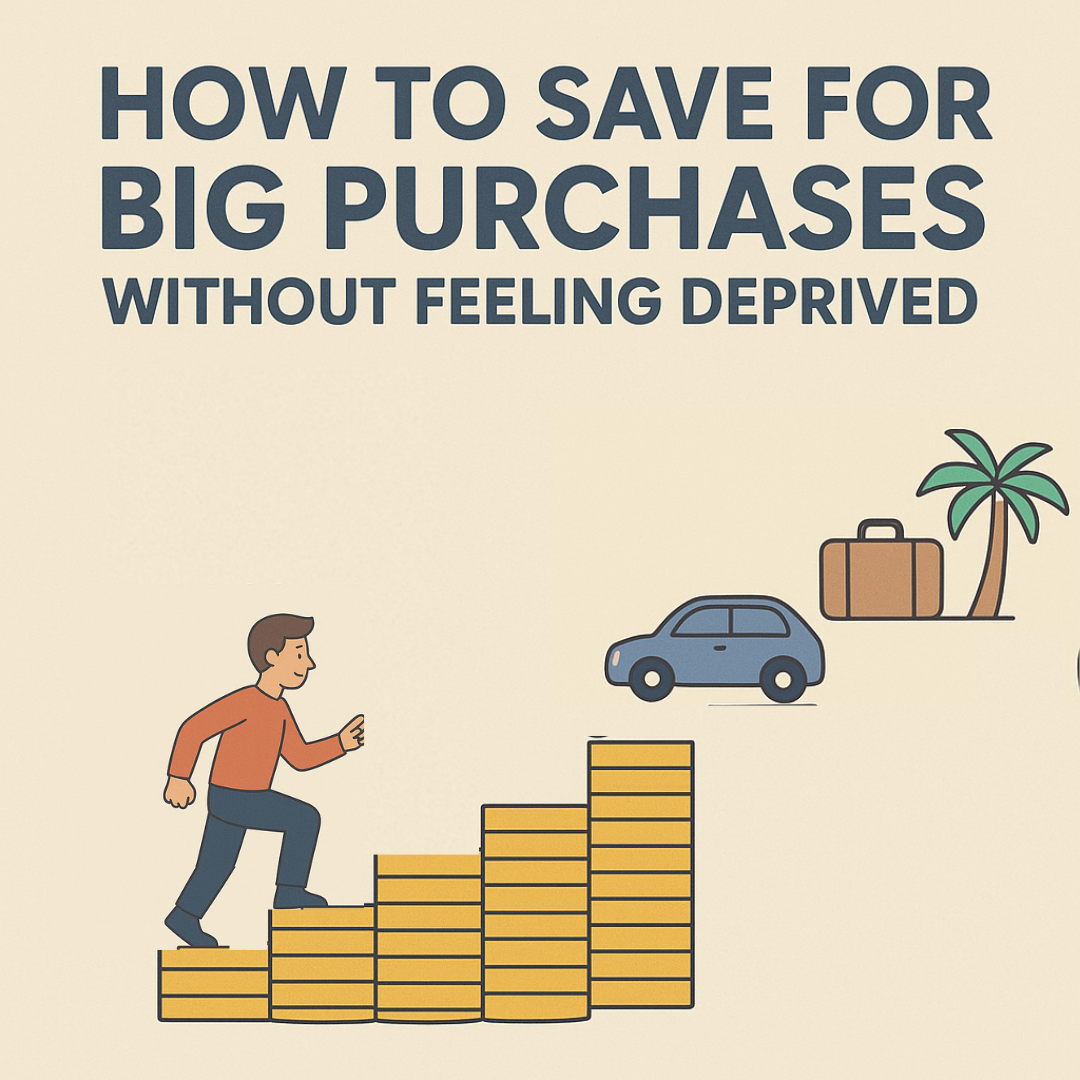
Don’t let your savings sit idle. Funnel them into an emergency fund, chip away at debt using the debt snowball or avalanche method, or set them aside for something important—like a future vacation or even a car purchase. If you’ve always wanted to save $500 every month, a no-spend challenge can be your kickstart.
Step 7: Build in Flexibility
Strict rules can backfire. Similarly, if you live paycheck to paycheck, give yourself some breathing room for unexpected small expenses, so you don’t feel like the challenge is impossible.
Step 8: Find Free (and Fun) Alternatives
A no-spend challenge isn’t about sitting at home bored. Get creative: host a potluck with friends, try free museum days, explore hiking trails, or dust off hobbies you’ve neglected. Think of it like frugal living tips that don’t make you feel cheap—you’re still enjoying life, just without draining your wallet.
Step 9: Track Your Progress
Keep a journal, use an app, or mark a calendar to celebrate each day you stick with it. If you slip up, don’t quit. Instead, treat it like learning how to fix your budget after blowing it—acknowledge the misstep and keep moving forward.
Step 10: Decide What Happens After
Once the challenge ends, reflect. Did you uncover unnecessary expenses? Did you feel more in control? Maybe you’ll find you don’t miss that daily latte or that extra streaming subscription. From here, you can roll those savings into your regular budget and even start building long-term habits like budgeting for retirement or saving for travel without cutting back on joy.
Final Thoughts
A no-spend challenge is not about deprivation—it’s about clarity. It helps you see what truly matters, eliminate financial leaks, and reset your habits.