Economic uncertainty is no longer a distant possibility — it’s a reality that affects millions of people worldwide. From sudden layoffs to inflation spikes, recessions can significantly disrupt your income and financial stability. But the good news is, while you can’t control the economy, you can control your finances and how resilient your income is.
Building a recession-proof income isn’t just about making more money — it’s about creating systems, habits, and safeguards that protect your wealth regardless of economic conditions. Here are 10 essential strategies to make your income more secure and resilient.
1. Build and Maintain a Robust Emergency Fund
An emergency fund is the cornerstone of financial security. It acts as a protective buffer against unexpected life events — whether it’s job loss, medical emergencies, car repairs, or sudden home expenses.
Financial experts generally recommend saving 3–6 months of living expenses in a liquid account, such as a high-yield savings account, that is easily accessible when needed. The key is consistency. If you’re just starting, aim to save even small amounts every month, like $50–$100, and increase the contributions over time.
A strong emergency fund gives you peace of mind, reduces the need to rely on high-interest debt during crises, and allows you to make calm, strategic decisions rather than panic-driven ones.
2. Pay Down High-Interest Debt Aggressively
Debt is one of the biggest threats to financial stability, especially high-interest debt like credit cards or payday loans. During a recession, any loss of income can quickly make debt unmanageable, leading to late fees, penalties, or a cycle of borrowing that is hard to escape.
The Avalanche Method: Prioritize debts with the highest interest rates to save money on interest over time.
The Snowball Method: Pay off smaller debts first for quick wins, which can build momentum and motivation.
Eliminating high-interest debt reduces financial stress and frees up money for savings and investments, which is essential for a recession-proof financial plan.
3. Create and Stick to a Detailed Budget
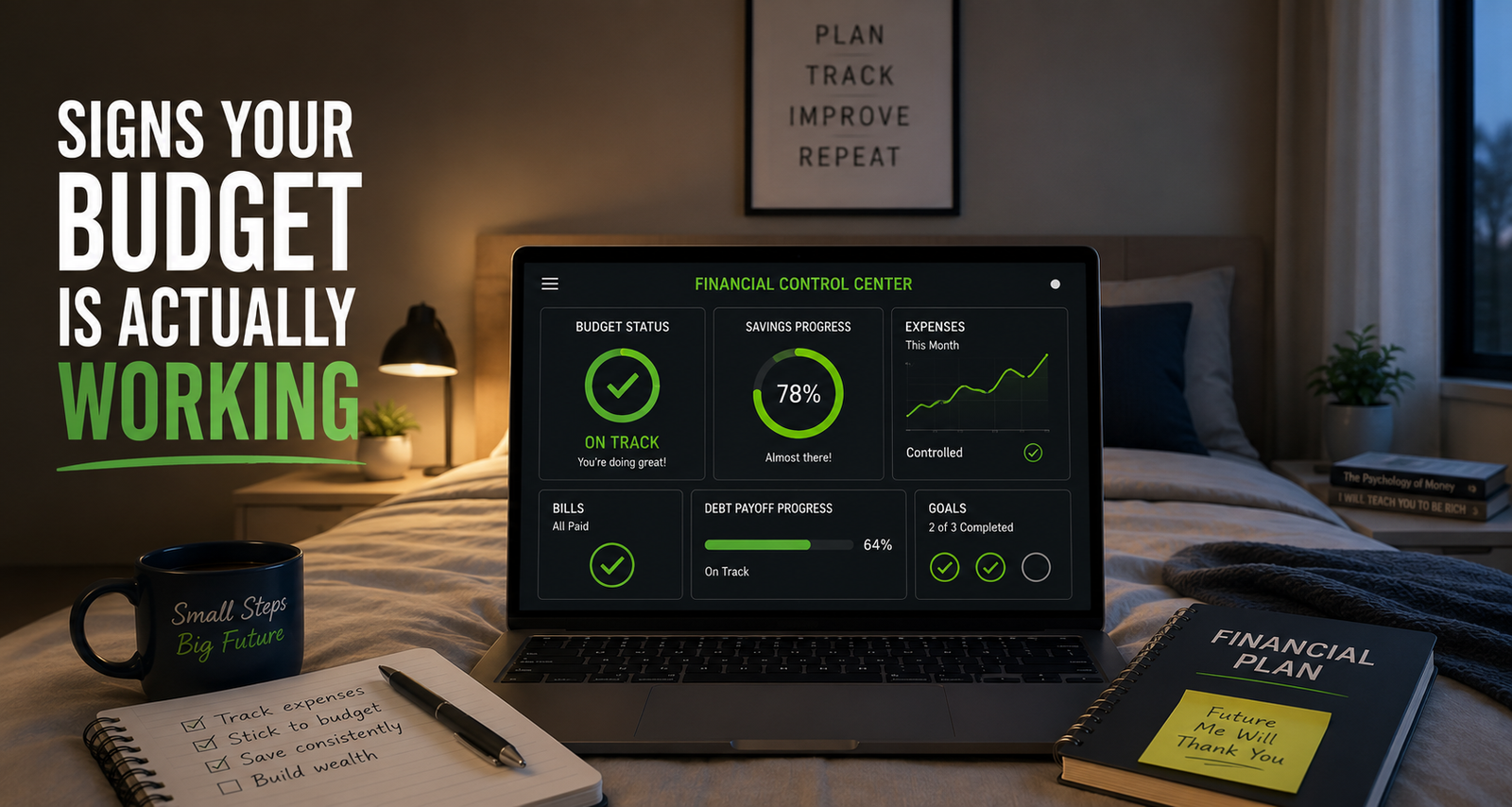
A detailed budget is more than a spreadsheet of numbers — it’s a financial roadmap. A well-planned budget gives you clarity on your income, expenses, and savings, making it easier to spot leaks, reduce wasteful spending, and allocate money toward income-building strategies.
Here’s how to create a functional, recession-proof budget:
Allocate a portion of income to savings and investments before spending.
Review and adjust monthly to ensure you’re meeting goals.
Using tools like the Monthly Budget Calculator can simplify this process, allowing you to visualize your finances and make adjustments quickly.
4. Diversify Your Income Streams
Relying solely on a single source of income is risky. The more diverse your income sources, the more resilient you are during downturns. Income diversification can include:
Freelancing or consulting in your area of expertise
Starting a side business or online store
Creating passive income streams through investments, rental properties, or digital products
Monetizing hobbies or skills (writing, designing, tutoring, etc.)
Diversification ensures that if one income stream is affected during a recession, others can help sustain your lifestyle and financial goals.
5. Live Below Your Means
Living below your means is about spending less than you earn consistently. While it may seem simple, it requires discipline and intentionality.
Strategies include:
Avoiding lifestyle inflation — just because your income increases, don’t automatically increase your spending.
Prioritizing needs over wants — focus on essentials and delay unnecessary purchases.
Practicing conscious spending — make deliberate choices about where your money goes.
This approach not only protects you during financial crises but also frees up funds to save, invest, and build multiple income streams.
6. Invest Smartly
Investing is crucial for long-term financial security, but during a recession, a strategic approach is essential. Diversifying your investments reduces risk and ensures stability.
Consider:
Low-cost index funds for consistent, long-term growth
Dividend-paying stocks for passive income
Bonds or fixed-income assets for stability
Real estate investments if financially feasible
The goal is not to chase risky, short-term gains but to build a portfolio that balances growth, income, and protectionagainst economic downturns.
7. Cut Unnecessary Bills and Subscriptions
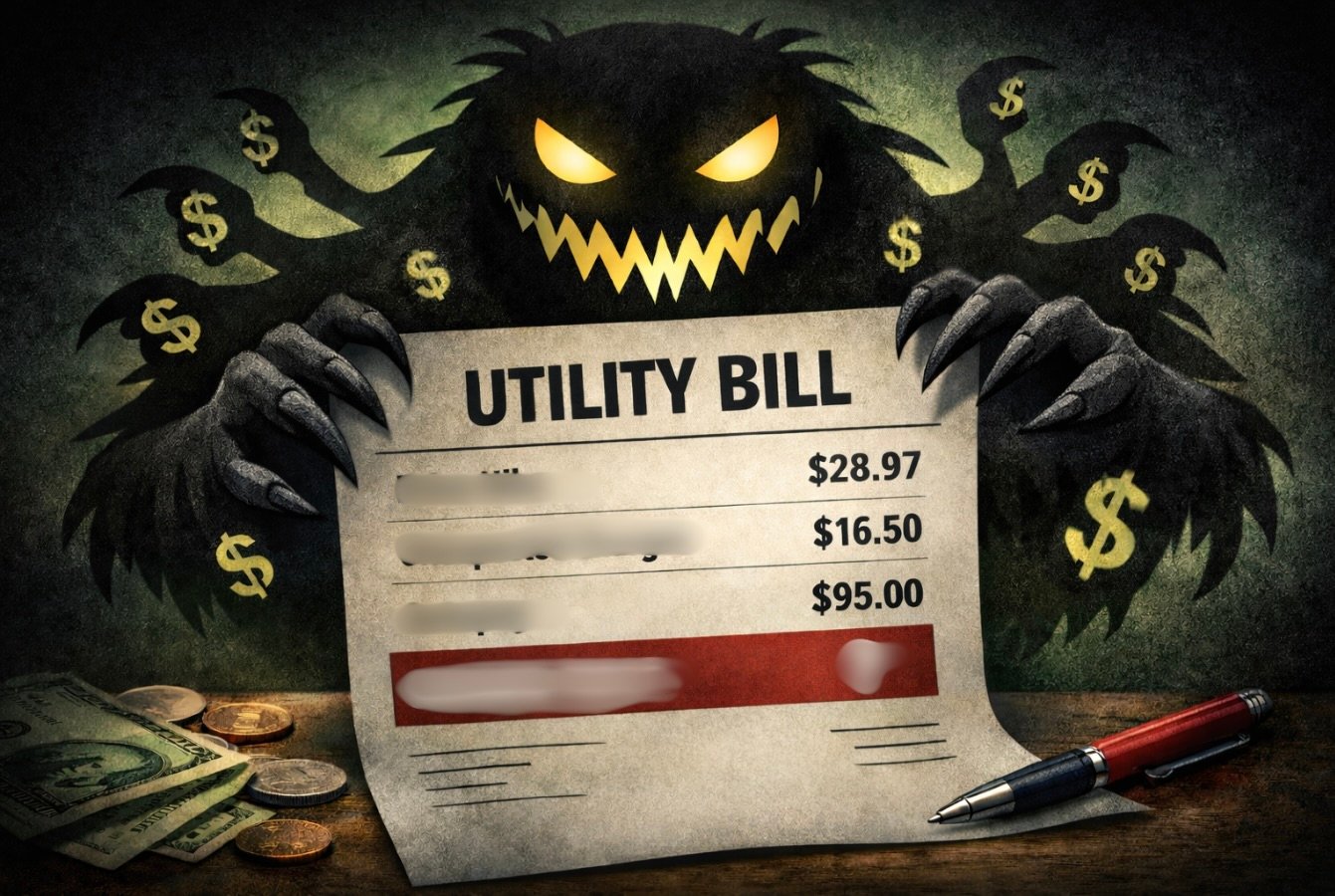
Even small, recurring expenses can drain your finances over time. Regularly reviewing your subscriptions and recurring bills allows you to eliminate unnecessary costs.
Examples:
Streaming services or apps you no longer use
Expensive gym memberships (consider home workouts)
Unused magazine subscriptions or premium memberships
Reducing these costs creates more room for savings, emergency funds, and investments, reinforcing your recession-proof plan.
8. Use a Multi-Account Saving System for Different Goals
Separating savings into multiple accounts for specific purposes is an effective way to stay organized and focused. For example:
Emergency Fund Account — for sudden expenses
Short-Term Goals Account — for vacations or major purchases
Investment Account — for long-term growth
Debt Repayment Account — if actively paying off loans
This method prevents accidental spending and ensures each dollar is working toward a specific financial objective, increasing overall financial resilience.
9. Continuously Upskill and Increase Your Value
A recession-proof income isn’t just about money — it’s about making yourself indispensable in your career or business. Continuously learning and improving your skills ensures you remain competitive and adaptable.
Ways to upskill include:
Online courses or certifications relevant to your field
Learning new tools, technologies, or software
Improving soft skills like communication, leadership, and negotiation
By increasing your value, you reduce the risk of losing your primary income and open doors for higher-paying opportunities or side hustles.
10. Focus on Health and Productivity
Your ability to earn and maintain income also depends on your physical and mental health. Stress, illness, or burnout can impact your work performance, side hustles, and financial decisions.
Strategies to stay healthy and productive:
Maintain a consistent exercise routine
Eat a balanced diet and prioritize sleep
Practice stress-management techniques like meditation or journaling
Set boundaries between work and personal time
A healthy, focused, and energized individual is far more capable of building and sustaining a recession-proof income.
Final Thoughts
Building a recession-proof income requires more than luck — it requires planning, discipline, and strategic action. By following these 10 strategies, you’ll reduce financial stress, protect your income, and create a foundation for long-term wealth, even in uncertain economic times.
Start with tracking your finances using tools like the Monthly Budget Calculator, plan your spending, and gradually implement these strategies. The sooner you start, the more secure and resilient your income will become.