Most people keep tabs on the big expenses — rent, utilities, groceries. But what derails a monthly plan isn’t always the obvious line item. It’s the small, persistent leaks. These subtle, often-ignored habits chip away at your savings and make your budget feel tighter than it should.
Here are 16 hidden budget blowouts that could be sabotaging your budgeting plan — plus practical tips to plug those leaks before they drown your goals.
1. Unused Subscriptions and Auto-Renewals
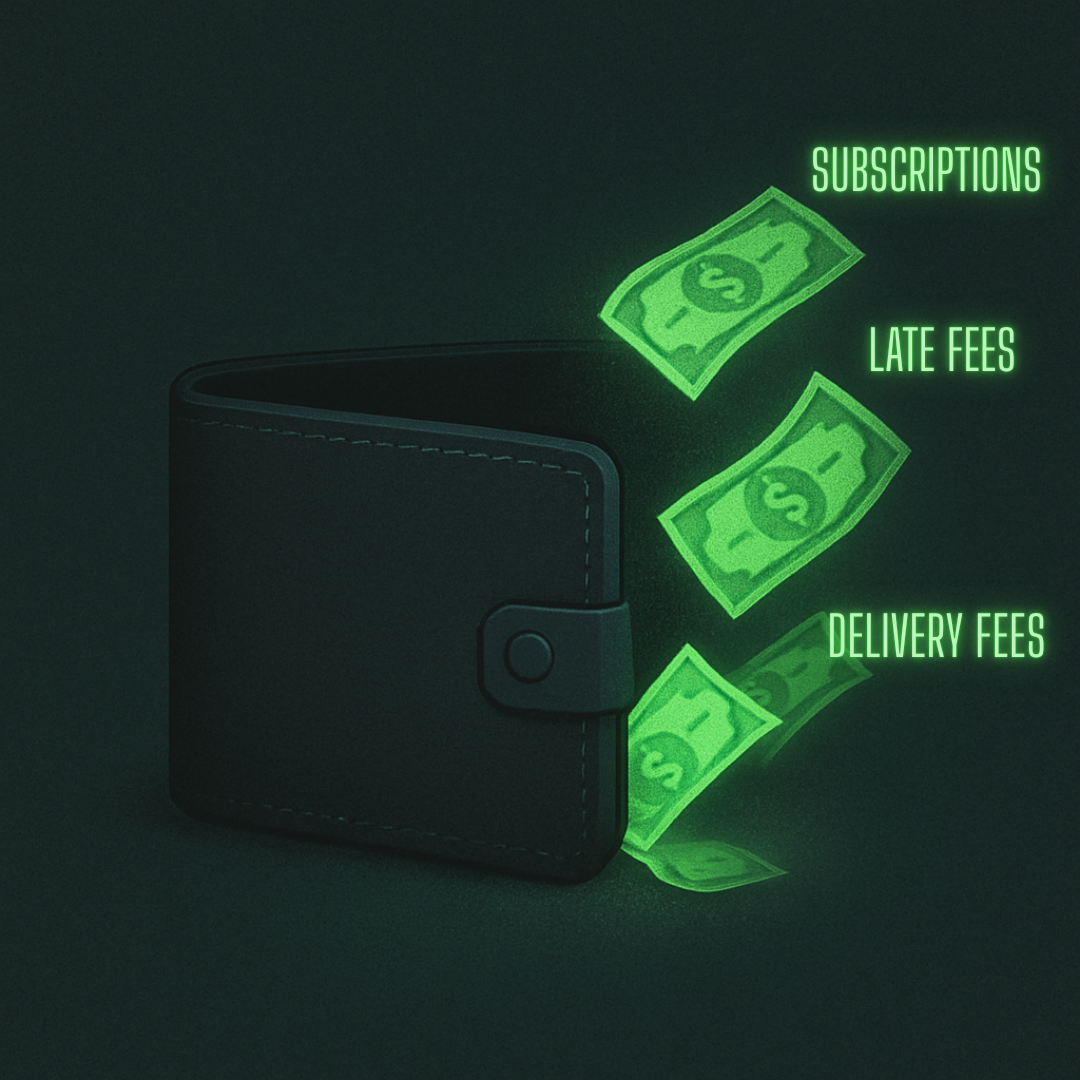
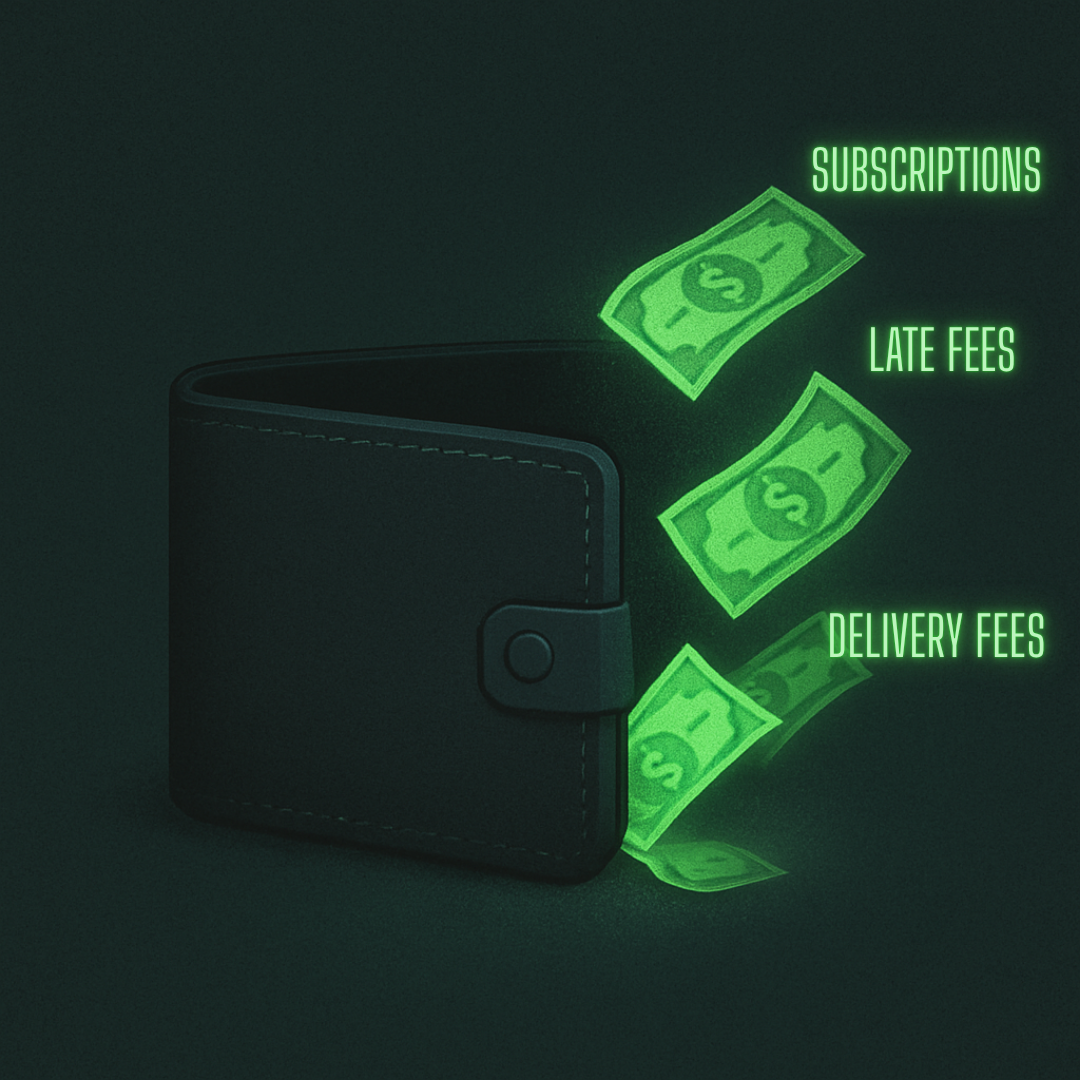
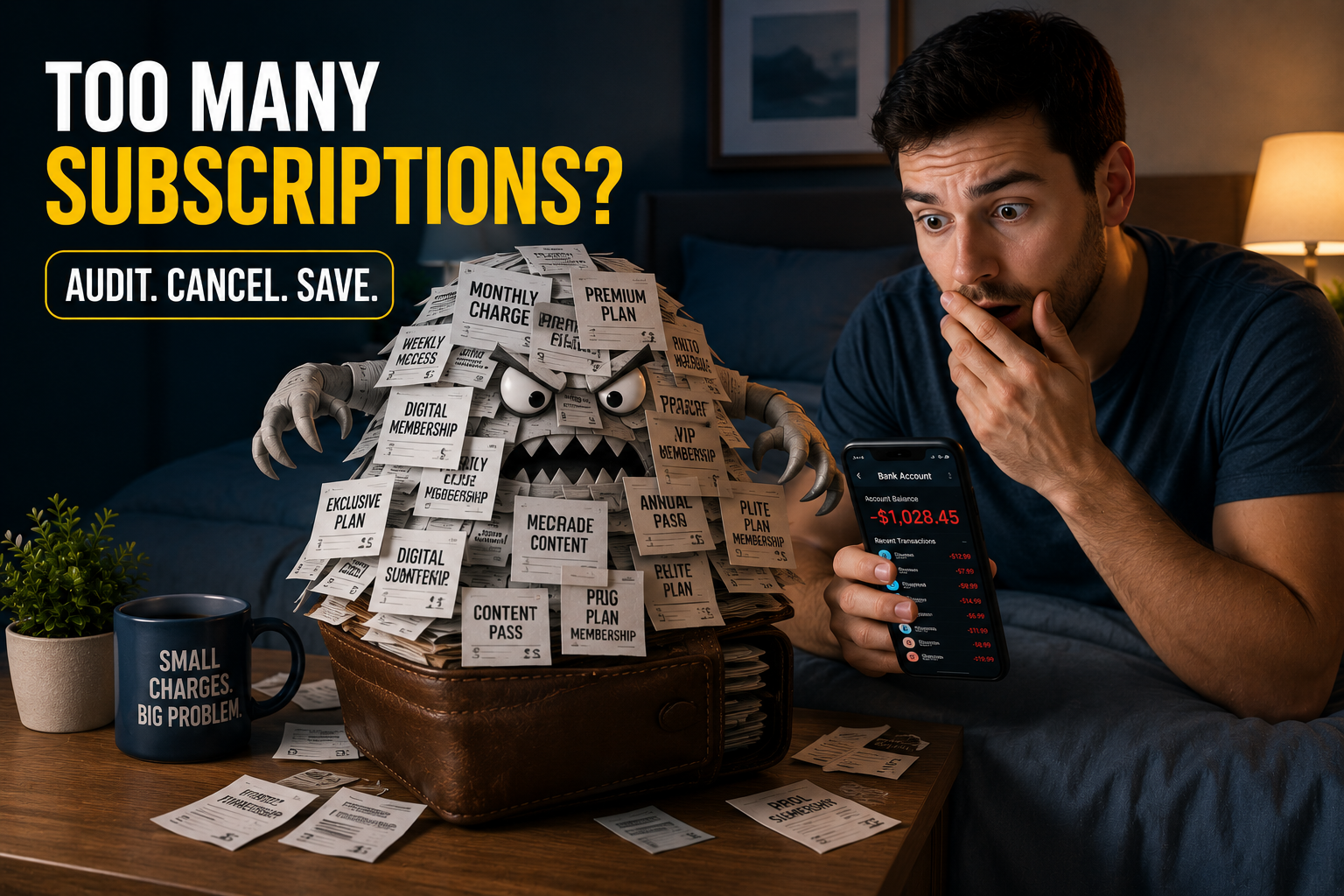
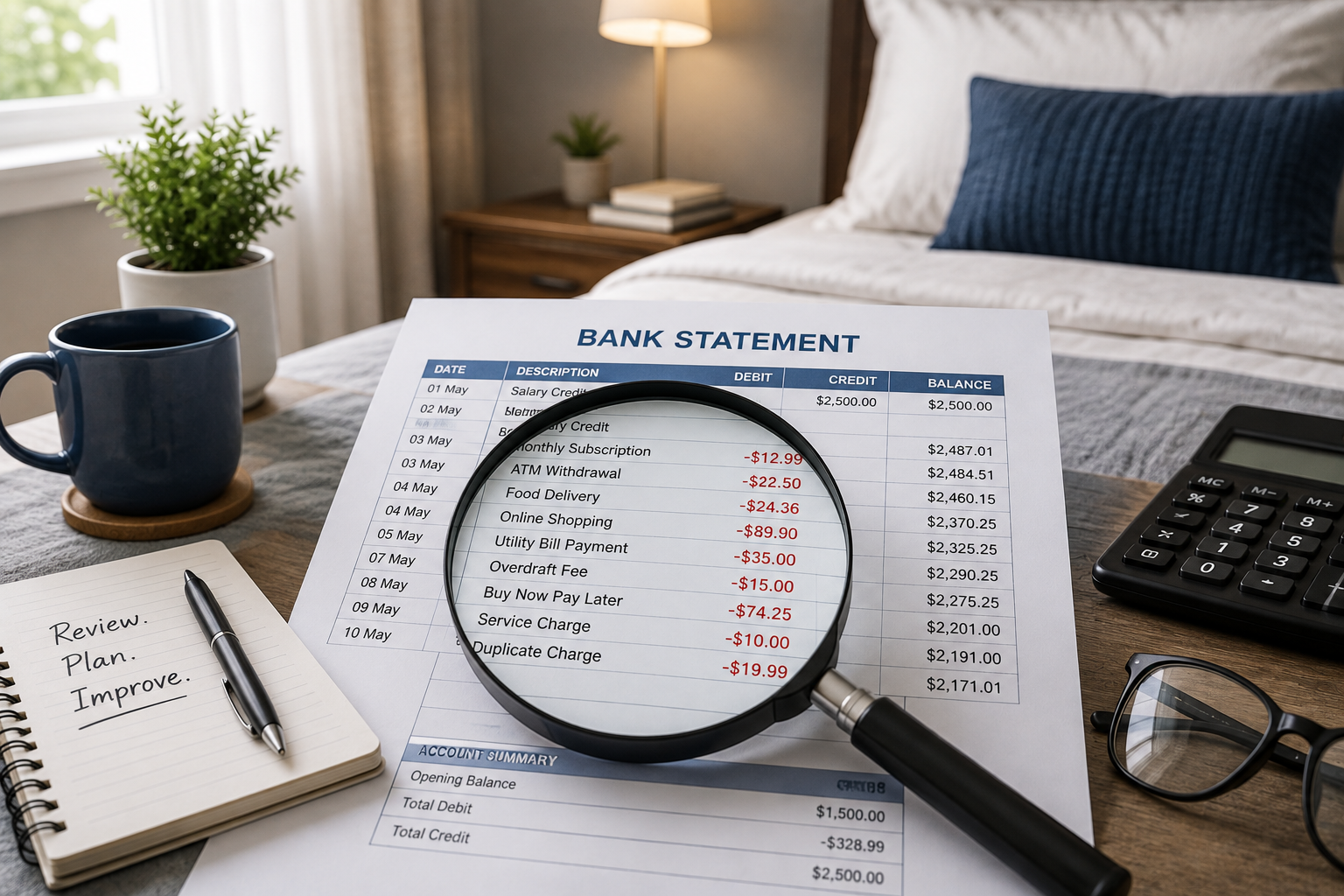
That old streaming service you barely watch? The cloud storage plan you don’t need anymore? These recurring charges sneak out of your bank account quietly every month. Fix: Review your bank or credit-card statements every 30 days. Cancel what you don’t use and track subscriptions under a single category in your monthly budget.
2. Impulse Purchases That “Don’t Count”
It’s easy to justify buying a coffee machine add-on or a small Amazon purchase — until ten of them show up on your bill. Fix: Add a 24-hour rule. Wait one day before buying anything unplanned. You’ll be surprised how many “must-haves” lose their appeal.
3. Late Fees and Interest Charges
Missing a payment date on bills or credit cards doesn’t just cost you a fee — it adds stress and sometimes damages your credit score. Fix: Set automatic reminders or autopay for recurring bills. Late fees are one of the easiest budget leaks to eliminate.
4. Dining Out Too Often
Grabbing a meal out here and there may seem minor, but even a few extra take-out orders can snowball over a month. Fix: Track dining expenses separately from groceries. Seeing the real total often encourages smarter decisions.
5. “Free Trials” That Aren’t Really Free
We all love a free trial — until we forget to cancel. Auto-renewal traps are one of the most common modern budget killers. Fix: Keep a list of active trials and their cancellation dates. Cancel them immediately after signing up or set a calendar reminder.
6. Paying for Services You Don’t Use
Gym memberships, club fees, software licenses — paying for things you don’t use drains money without adding value. Fix: Review memberships every quarter. If you haven’t used it in the last three months, it’s time to cut it.
7. Utility Waste and “Energy Vampires”
Leaving appliances plugged in, lights on, or thermostats running while you’re out wastes money month after month. Fix: Unplug devices you don’t use, switch to LED lighting, and monitor electricity and water usage. Even small changes add up.
8. Grocery “Deals” That Backfire
Buying in bulk or chasing discounts sounds smart until perishable items spoil before you use them. Fix: Plan your grocery trips. Make a list, check your pantry, and buy only what fits within your meal plan.
9. Mini-Vacations and “Treat Yourself” Days
Everyone deserves a break, but impulsive weekend trips or spa splurges without budgeting first can derail your month. Fix: Create a “fun & recreation” category in your budget. Plan indulgences in advance so they stay guilt-free and affordable.
10. Ignoring Inflation
Keeping your budget static while prices rise means your real spending power drops each month. Fix: Review your budget quarterly. Adjust categories like groceries, utilities, and transport to match current costs.
11. Paying for Convenience
Delivery fees, premium ride-shares, same-day shipping — convenience adds up fast. Fix: Bundle errands, cook at home more, or choose standard delivery. Prioritize time vs. money consciously.
12. Skipping Regular Maintenance
Avoiding small maintenance tasks — like oil changes or fixing leaks — often leads to expensive emergencies later. Fix: Set aside a small “maintenance fund” each month in your budget calculator. Preventive care for your home, car, and appliances saves thousands over time.
13. Neglecting an Emergency Fund
Without a safety net, an unexpected expense can wreck your entire monthly plan. Fix: Treat emergency savings like a bill. Automate a small transfer each month so it becomes routine.
14. Under-Insuring or Ignoring Insurance Needs
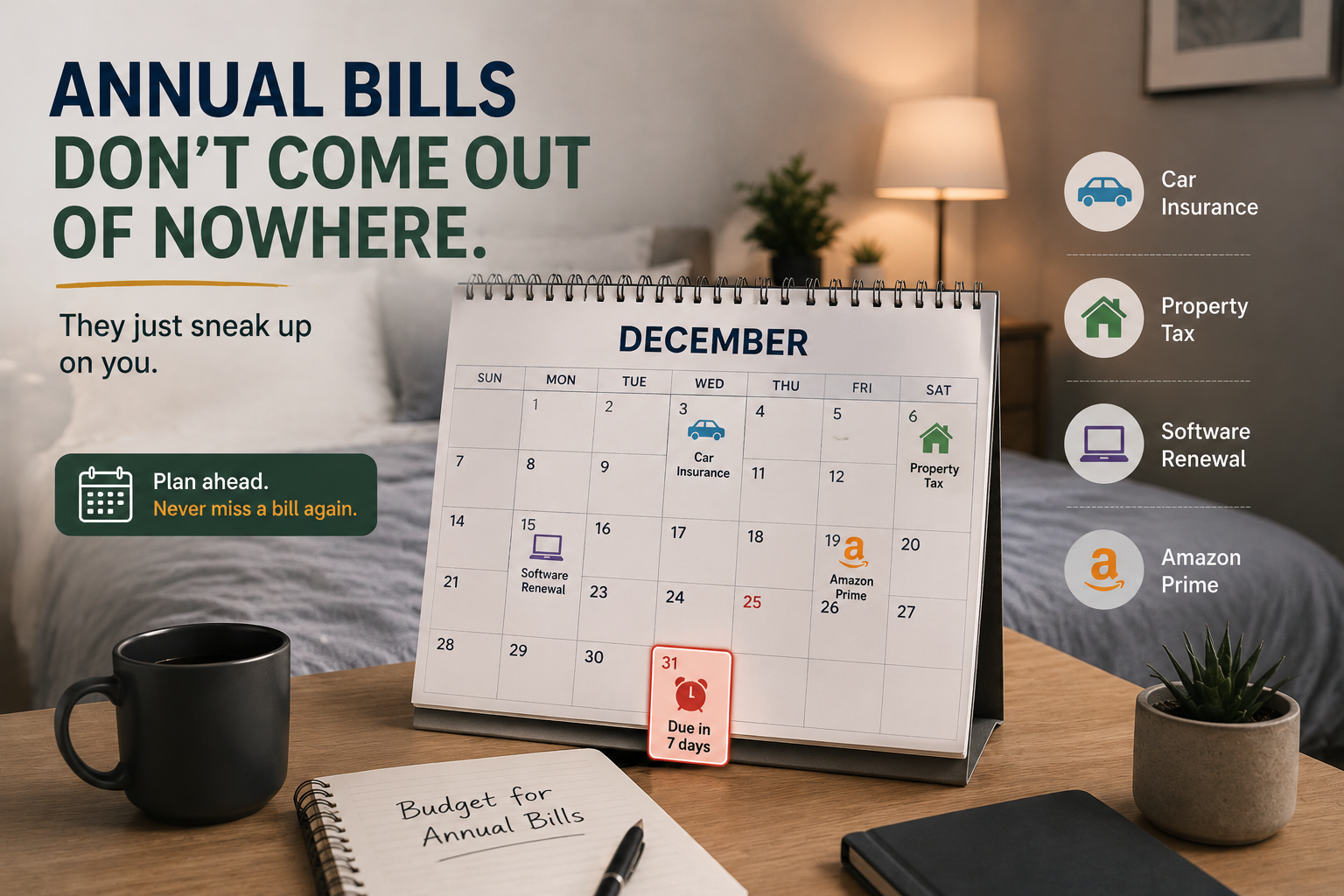
Skipping or minimizing coverage might save money short-term but could devastate your finances in a crisis. Fix: Re-evaluate your insurance yearly. Ensure your health, home, and vehicle coverage actually fit your needs.
15. Lifestyle Creep
As income rises, expenses quietly rise too — fancier meals, nicer clothes, better gadgets — without conscious planning. Fix: Whenever you get a raise, decide how much will go toward savings before increasing spending. Capture growth, don’t consume it.
16. Never Reviewing Your Budget
Setting a budget once and forgetting it is like setting a fitness plan and never checking progress. Life changes — and so should your numbers. Fix: Revisit your budget monthly. Compare planned vs. actual spending to find hidden leaks and make small corrections.
Final Thoughts
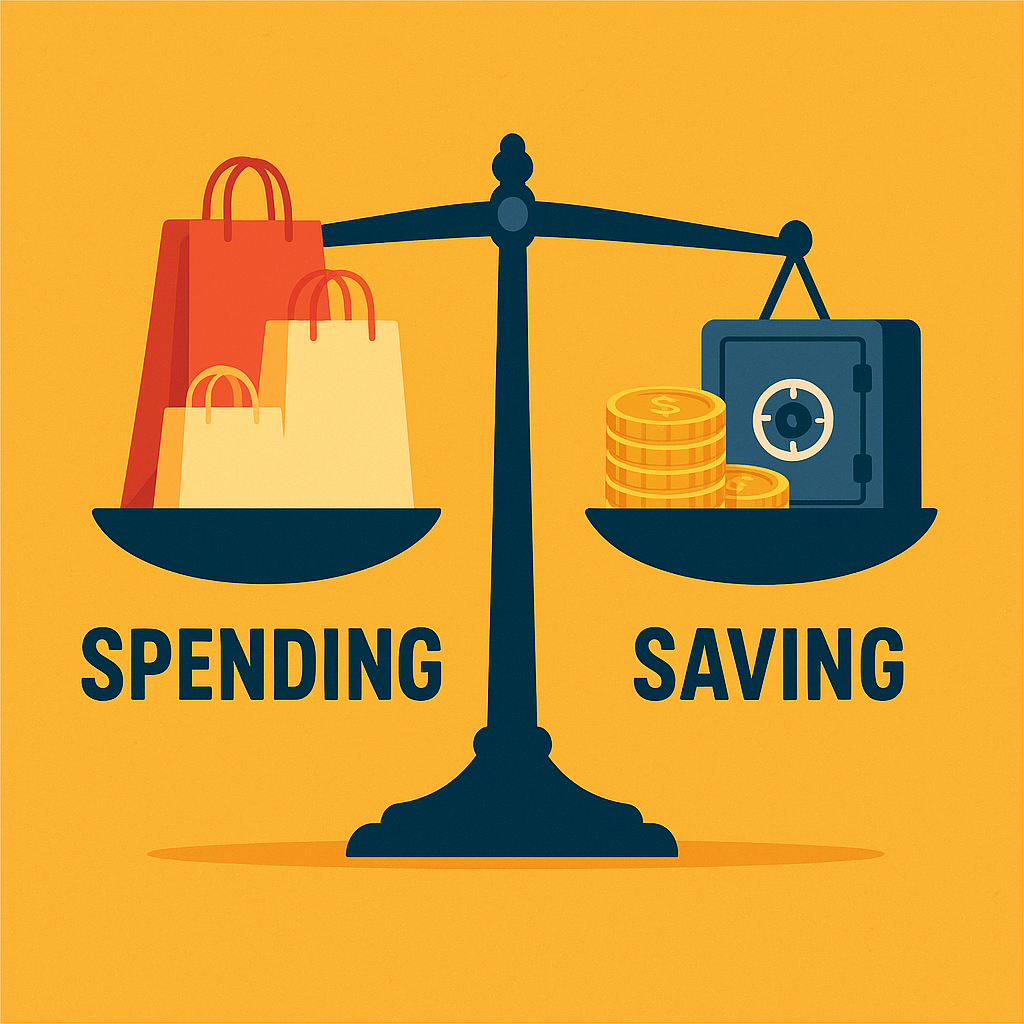
Budgeting isn’t about restricting yourself — it’s about being aware. These hidden budget blowouts are easy to overlook, but once you identify them, you can redirect that wasted money toward something meaningful: savings, debt repayment, or long-term goals.
A good budget doesn’t stop you from living; it helps you live better, without the constant surprise of “where did my money go?” each month.