Teaching kids about money is one of the most valuable life skills any parent can pass on. In today’s world—where digital payments, online shopping, and one-click purchases are the norm—children and teenagers must learn the basics of budgeting early so they can grow into financially responsible adults. This guide breaks down everything you need to teach kids about money, how to make budgeting fun, and ways to build strong financial habits that stick for life.
Why Teaching Kids About Money Matters
Building financial awareness early gives children a lifetime advantage. When kids learn budgeting, saving, and responsible spending, they understand how money works long before they earn their first paycheck.
Key Benefits:
- Builds Financial Confidence – Kids feel more in control of their decisions.
- Improves Decision-Making Skills – They learn to prioritize needs over wants.
- Reduces Future Money Stress – Teens who budget early become adults who save.
- Teaches Responsibility & Discipline – Managing money encourages accountability.
- Prepares Them for Real-World Expenses – Bills, savings goals, emergencies—the earlier they understand these, the better.
What Kids Should Learn at Different Ages
Children learn best when money concepts are age-appropriate. Here’s how to introduce budgeting at every stage:
Ages 4–7 (Foundational Money Skills)
- Understanding coins and currency
- Identifying needs vs wants
- Simple saving through a piggy bank or three-jar system
- Earning small rewards for chores
Ages 8–12 (Beginner Budgeting)
- Creating a basic allowance budget
- Dividing money into spend, save, give categories
- Setting short-term savings goals
- Understanding value and comparison shopping
- Learning the concept of delayed gratification
Ages 13–18 (Teen Financial Independence)
- Tracking expenses using a budget tool
- Understanding bank accounts & digital payments
- Saving for big goals like a smartphone, scooter, or college
- Basics of credit, loans, and interest
- Making a monthly budget
- Part-time jobs and income management
How to Teach Kids Budgeting in a Practical Way
1. Give Them an Allowance (But With Structure)
An allowance works best when it’s tied to responsibilities, chores, or goals.
This teaches children that money is earned, not given freely.
Tip: Start small and increase gradually as they learn.
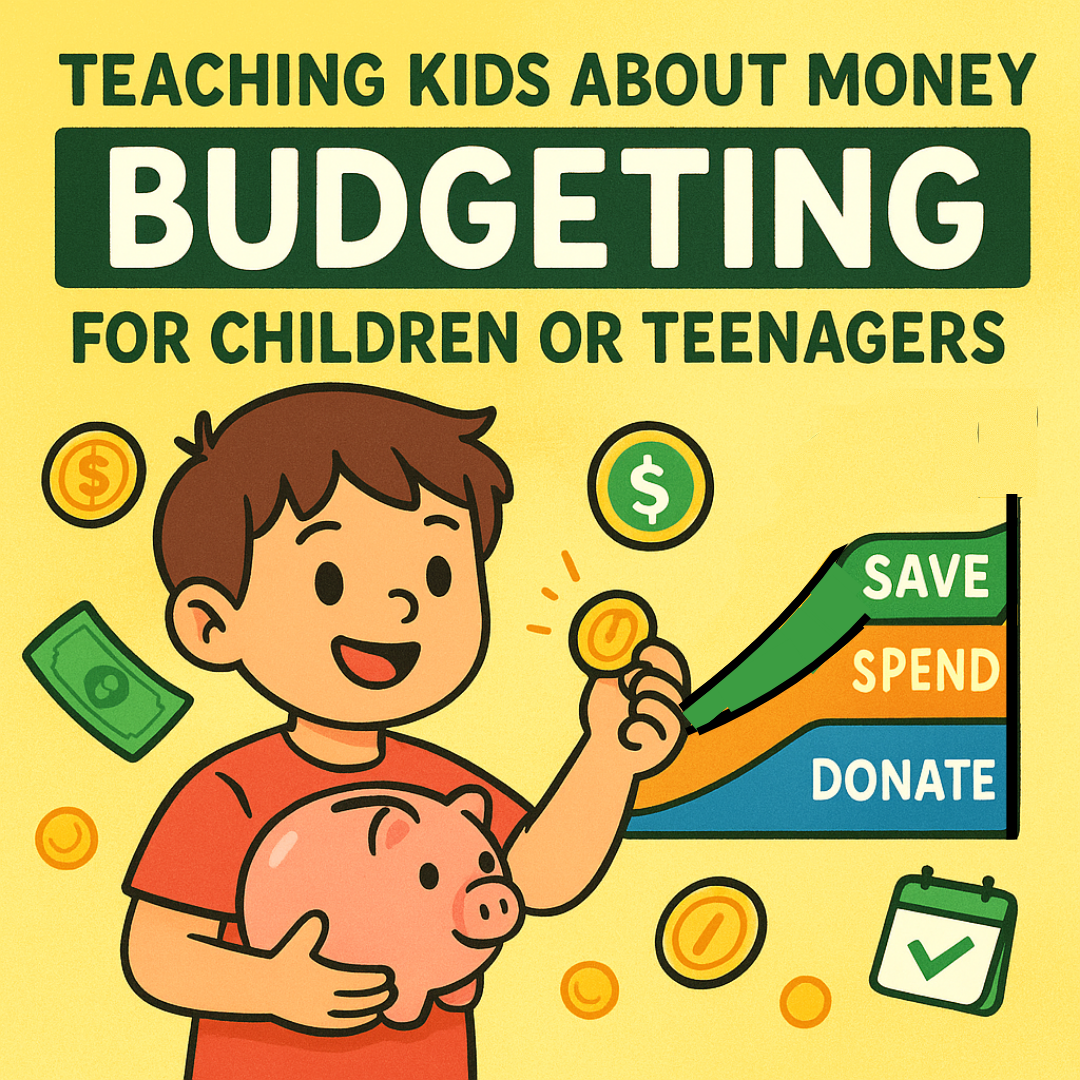
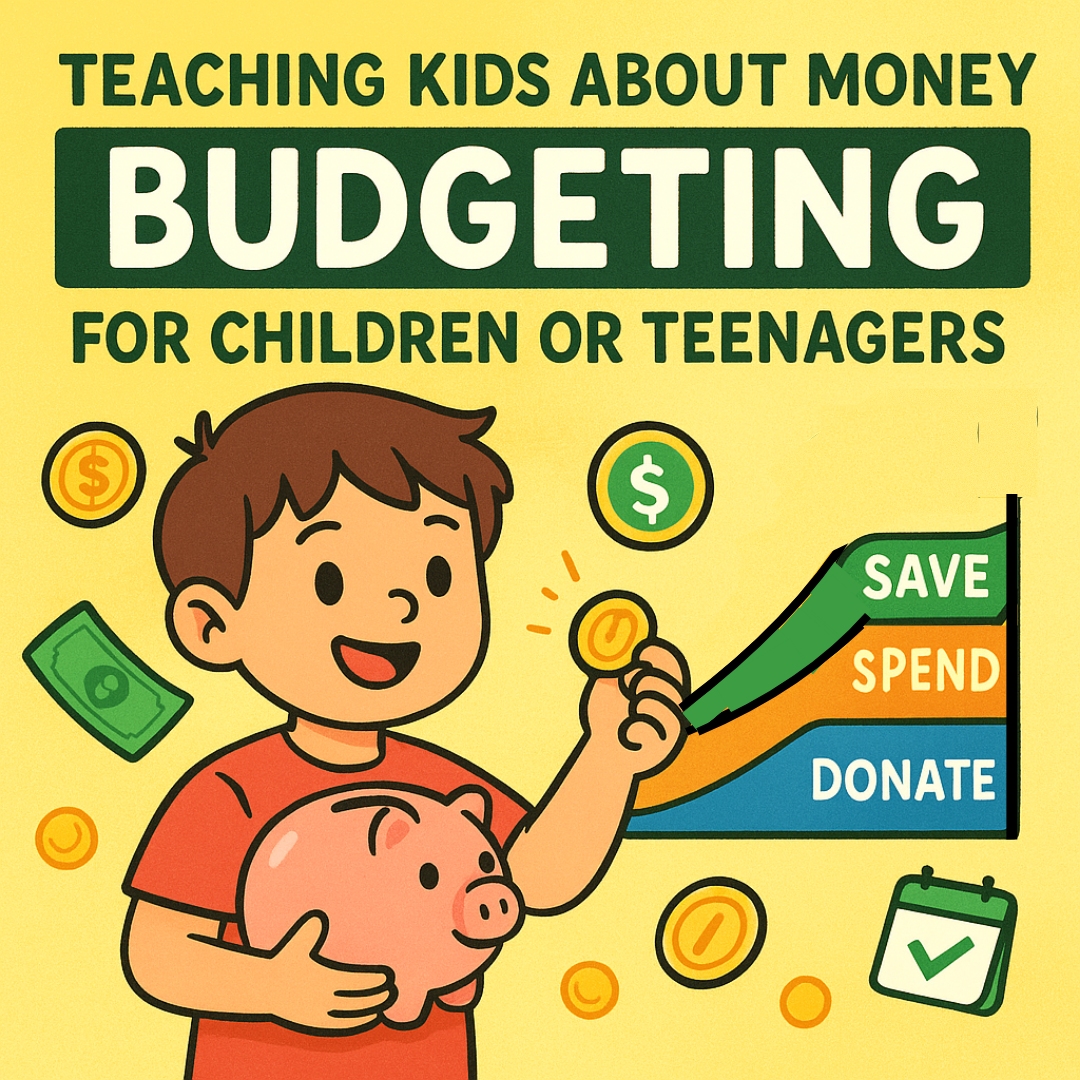
2. Use the “Spend-Save-Give” Method
One of the most effective budgeting systems for kids.
Break their income into:
- Spend: For fun and small purchases
- Save: For long-term goals
- Give: For charity or helping others
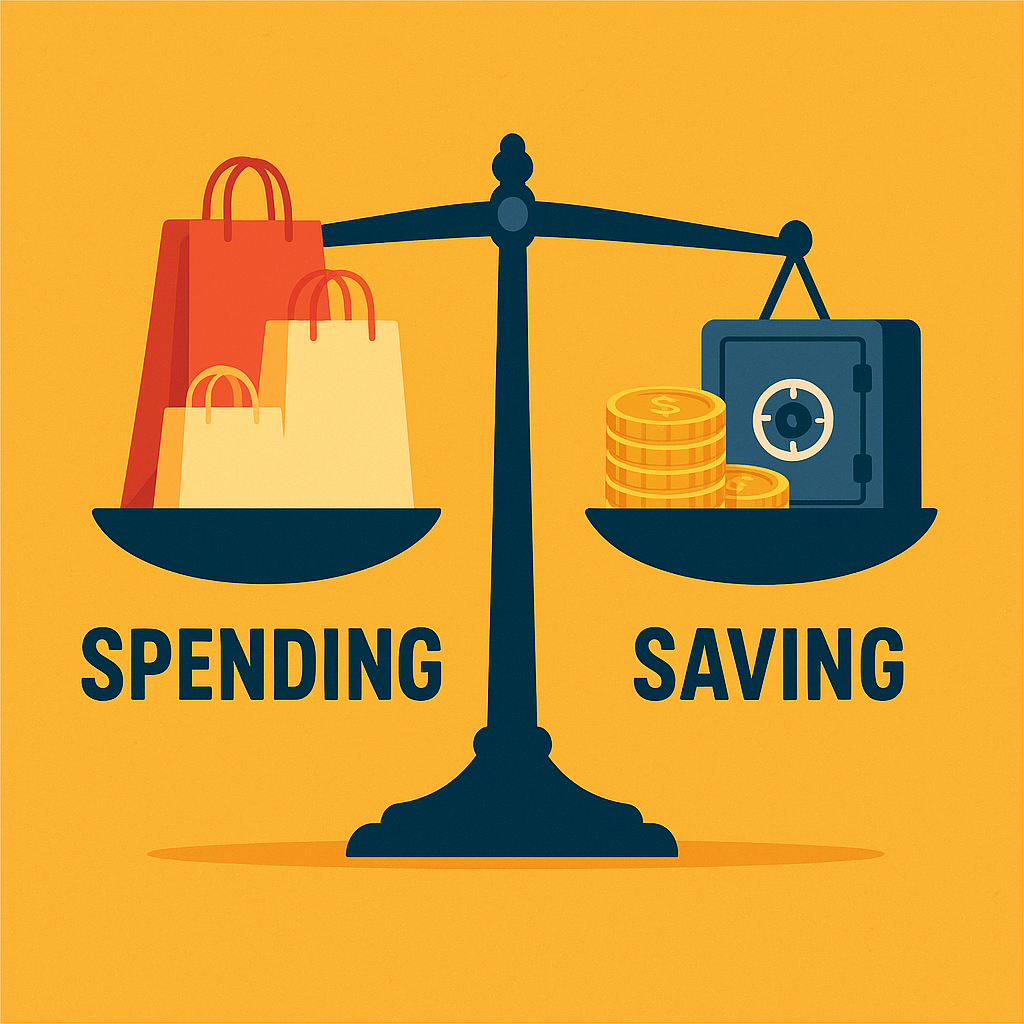
This teaches balance and real financial decision-making.
3. Introduce Real Money Situations
Kids learn faster when they see budgeting in action.
Examples:
- Let them compare prices at the store
- Allow them to pay for a purchase themselves
- Show them how discounts and offers work
This connects budgeting to the real world.
4. Encourage Goal-Based Saving
Children should always have a goal to work toward:
- A new toy
- A video game
- A school trip
- A bicycle
Create a visual savings tracker so they can see their progress. This increases motivation.
5. Teach the Difference Between Needs and Wants
A simple but powerful lesson:
- Needs: Food, school supplies, clothing
- Wants: Toys, snacks, gadgets
Use real-life examples to help them prioritize.
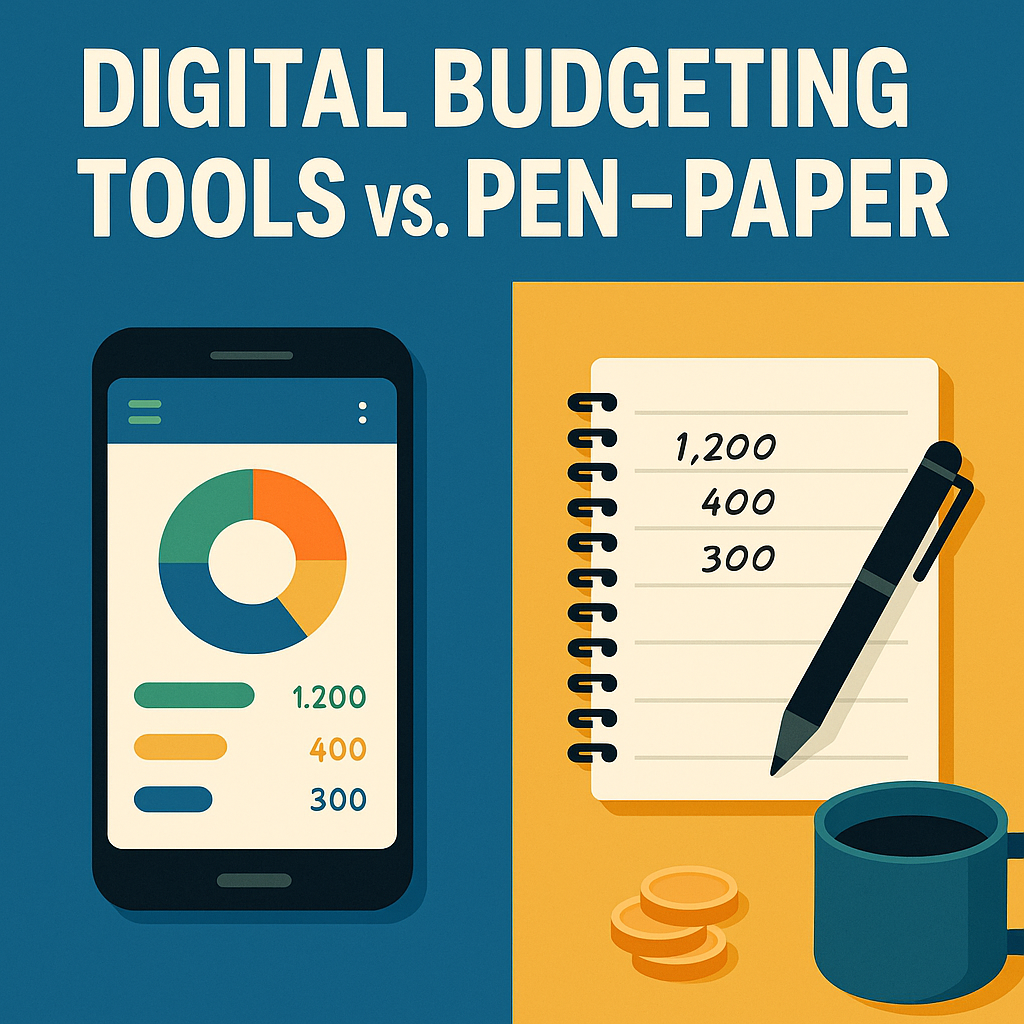
6. Use Digital Tools for Teens
Money apps make budgeting fun and relatable.
Teens can try:
- Google Sheets / Excel
- PocketGuard
- Revolut Junior
- Greenlight Card
These tools teach them how to track expenses and manage digital money—an essential modern skill.
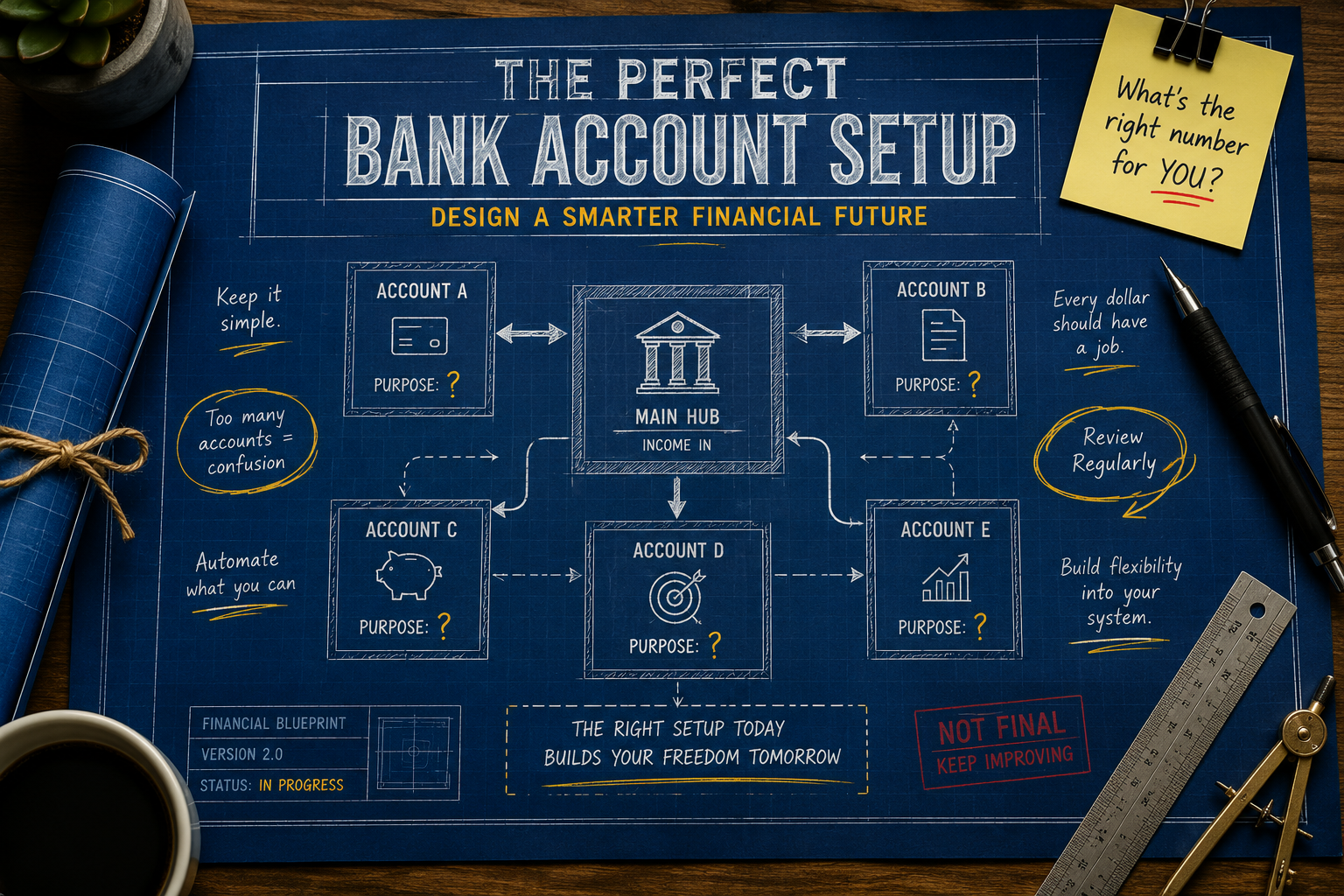
7. Open a Bank Account for Teens
When children are mature enough, help them open:
- A savings account
- A minor checking account (with parental oversight)
This teaches:
- Deposits & withdrawals
- ATM basics
- Saving consistently
- Monitoring balance
Bank accounts make budgeting feel “grown-up”—which teens love.
8. Teach the Basics of Credit Early
Most young adults struggle with credit because they learn too late.
Teens should know:
- Credit cards are not free money
- Interest must be paid
- Credit scores affect loans, jobs, and apartments
- Paying on time is crucial
Explaining these now prevents future mistakes.
How to Make Budgeting Fun for Kids
Budgeting doesn’t have to be boring.
Try These Fun Methods:
- Money games (Monopoly, The Game of Life)
- Saving challenges ($1-$5 a day challenge)
- Reward charts
- Colorful budgeting jars
- Real-life goal trackers
Kids love visuals and rewards, so make money lessons interesting, not preachy.
Common Money Mistakes That Parents Should Avoid
Parents unknowingly send the wrong financial signals. Avoid:
❌ Buying everything kids ask for
❌ Saving them from every bad decision
❌ Not discussing family finances
❌ Using money as punishment
❌ Allowing impulse buying
Instead, involve them in discussions about saving, planning, and spending wisely.
Important Money Concepts Teens Should Know Before 18
To prepare them for adulthood, teach:
- How to make a monthly budget
- How to track expenses
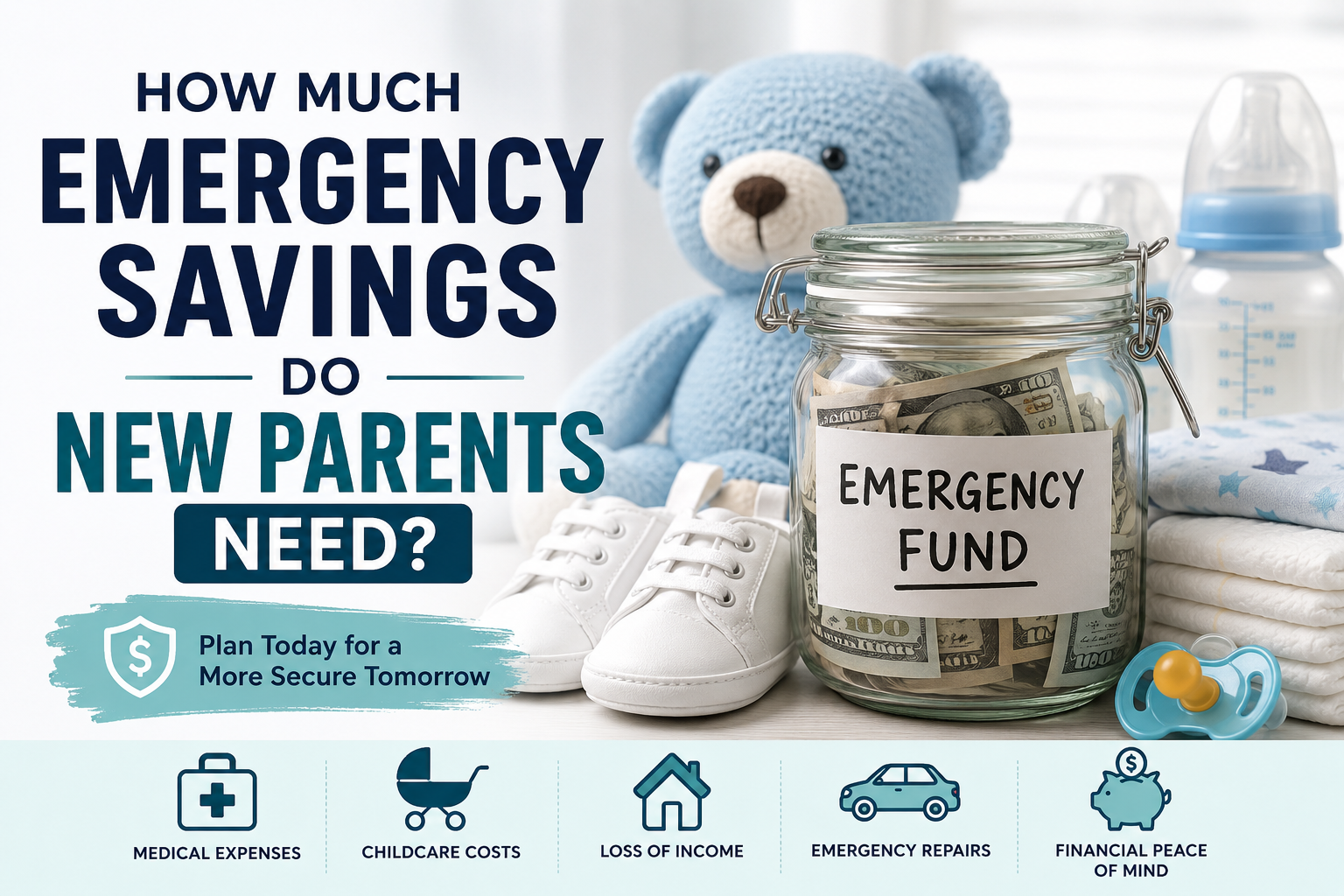
- Emergency fund basics
- How interest works (simple vs compound)
- Taxes (basic introduction)
- Debit vs credit
- Safe online shopping
When they leave home for college or work, these skills are invaluable.
How Parents Can Lead by Example
Kids learn best from what they see.
Show them:
- How you budget monthly
- How you track savings
- Why you avoid impulse purchases
- How you use a budgeting tools
- How your family plans for big expenses
Your habits become their habits.
Final Thoughts: Start Early, Stay Consistent
Teaching kids about money is not a one-time conversation—it’s a lifelong habit-building process. When children learn budgeting early, they grow into confident, responsible adults who know how to manage money, avoid debt, and secure their financial future.