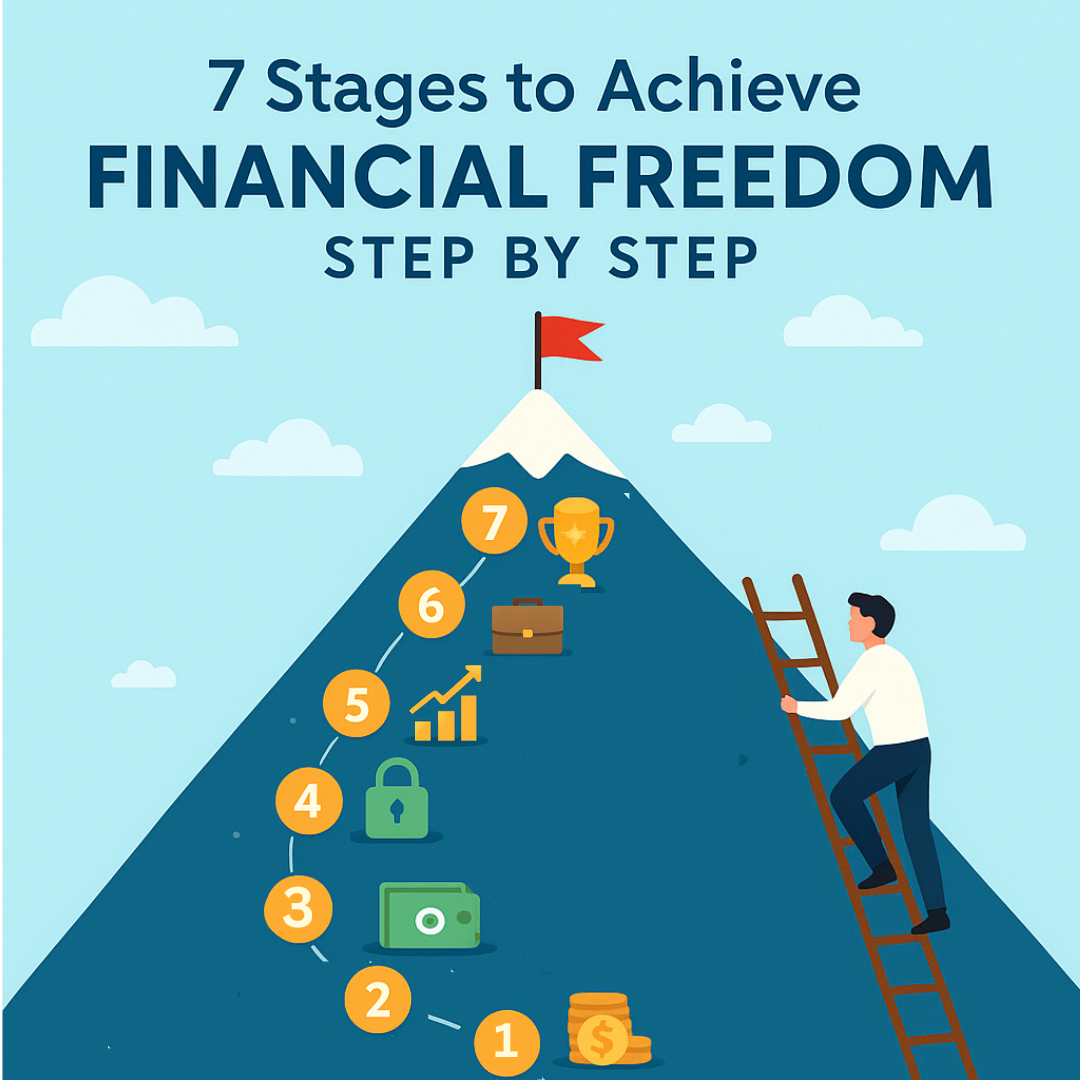
Saving for big purchases—whether it’s a car, a dream vacation, a home renovation, or a new gadget—can often feel overwhelming. The fear of sacrificing daily comforts can make the idea of saving intimidating, leading many to procrastinate or abandon their financial goals altogether. The good news is, with the right strategy, you can save for big purchases without feeling deprived. This article breaks down practical, actionable steps to help you achieve your goals while maintaining a balanced lifestyle.
1. Set Clear, Specific Goals
The first step to saving effectively is defining exactly what you want. Vague goals like “I want to save money” often fail because they lack focus. Instead:
Be specific: Define the exact item or experience you’re saving for. For example, “I want to save $3,000 for a vacation to Italy in 12 months.”
Break it down: Divide your target amount by the number of months until your goal. This creates a manageable monthly saving target. For example, $3,000 ÷ 12 months = $250 per month.
Clear goals provide direction, motivation, and a tangible plan to follow.
2. Create a Dedicated Savings Account
Separating your savings from your daily spending money is crucial. Consider:
Opening a separate savings account: Preferably one that is high-yield or offers automatic transfer options.
Labeling the account: Use specific names like “Vacation Fund” or “New Car Fund” to stay motivated.
Automating transfers: Set up automatic transfers on payday so saving becomes a seamless part of your routine.
This ensures your big purchase savings are untouchable and prevents the temptation to dip into them for everyday expenses.
3. Use the 50/30/20 Rule as a Flexible Framework
The 50/30/20 rule is a simple budgeting technique that can help you manage your money effectively:
50% for needs: Rent, groceries, utilities, and other essentials.
30% for wants: Dining out, entertainment, hobbies, and discretionary spending.
20% for savings and debt repayment: This typically includes your emergency fund, retirement contributions, and general savings.
Important: If you’re saving for a big purchase, treat it as a separate savings goal, outside of the standard 20%. Allocate an additional portion of your income specifically for this goal. For example, you could designate 10–15% of your monthly income toward your big purchase fund. By doing this, you can make meaningful progress without cutting into your day-to-day budget or feeling deprived.
4. Prioritize “Revenge Saving” Techniques
Many people find it easier to save when they have a clear incentive. The concept of “revenge saving” is about redirecting the urge to spend into saving:
Visualize your goal: Place a picture or visual reminder of your big purchase where you see it daily.
Reward yourself smartly: When you reach a mini milestone, treat yourself with a small, affordable reward.
This approach keeps the process motivating, making saving feel like a positive choice rather than a sacrifice.
5. Cut Costs Strategically
Saving without feeling deprived means making thoughtful, temporary adjustments rather than extreme cuts:
Track your spending: Identify non-essential expenses you can reduce without impacting your lifestyle.
Substitute rather than eliminate: Instead of cutting coffee from your favorite café, make it at home a few days a week.
Use cash envelopes for discretionary spending: This prevents overspending while still allowing enjoyment.
The key is to trim expenses subtly without feeling like you’re giving up your lifestyle entirely.
6. Explore Side Income Opportunities
If cutting costs isn’t enough, consider boosting your savings through extra income:
Freelancing or gig work: Platforms like Upwork, Fiverr, or local freelance opportunities.
Sell unused items: Declutter your home and make extra cash through online marketplaces.
Monetize hobbies: Photography, writing, or crafting can be turned into supplementary income.
Even a modest side income can accelerate your savings, helping you reach your big purchase faster without tightening your daily budget too much.
7. Leverage the Power of Micro-Savings
Micro-savings are small, consistent contributions that add up over time:
Round-up apps: Round up Apps automatically round up purchases and deposit spare change into a savings account.
Daily savings habit: Even $5–$10 per day may seem small, but over months, it accumulates into hundreds of dollars toward your goal.
Micro-savings allow you to save effortlessly without feeling a pinch in your day-to-day life.
8. Monitor Progress and Adjust Regularly
Tracking your progress is key to staying motivated and making adjustments if needed:
Monthly check-ins: Review your savings, adjust your contributions if you’re falling behind, or increase them if possible.
Celebrate milestones: Acknowledge when you hit 25%, 50%, or 75% of your goal. Celebrating progress makes the journey enjoyable.
Reevaluate spending habits: If you consistently overspend, identify the triggers and find alternatives.
Consistent monitoring helps you stay accountable and prevents the feeling of stagnation.
9. Avoid Lifestyle Inflation
One of the biggest threats to saving is lifestyle inflation, which happens when your spending rises with income:
Keep lifestyle upgrades separate: If you get a raise, allocate part of it to your savings for big purchases first.
Maintain your baseline spending habits: Enjoy life within your means while channeling extra income into your savings goals.
This strategy ensures your savings grow steadily without feeling like a burden.
10. Stay Flexible and Realistic
Life is unpredictable. Saving should be a plan, not a punishment:
Allow for occasional splurges: Completely restricting yourself can lead to burnout and overspending later.
Adjust goals if necessary: If your financial situation changes, recalibrate your timeline or target amount.
Be patient: Large purchases take time to fund; focus on consistent progress rather than perfection.
Flexibility ensures your savings journey is sustainable and stress-free.
Key Takeaways
Saving for big purchases without feeling deprived is entirely possible when you combine clear goal setting, strategic budgeting, micro-savings, and a realistic mindset. The core principles to remember are:
Define specific, actionable goals.
Automate and separate your savings.
Make small, consistent contributions that don’t disrupt your lifestyle.
Reward yourself smartly along the way.
Track progress and adjust as needed.
By following these strategies, you can fund your dream purchase while still enjoying life, making saving a positive and empowering experience.