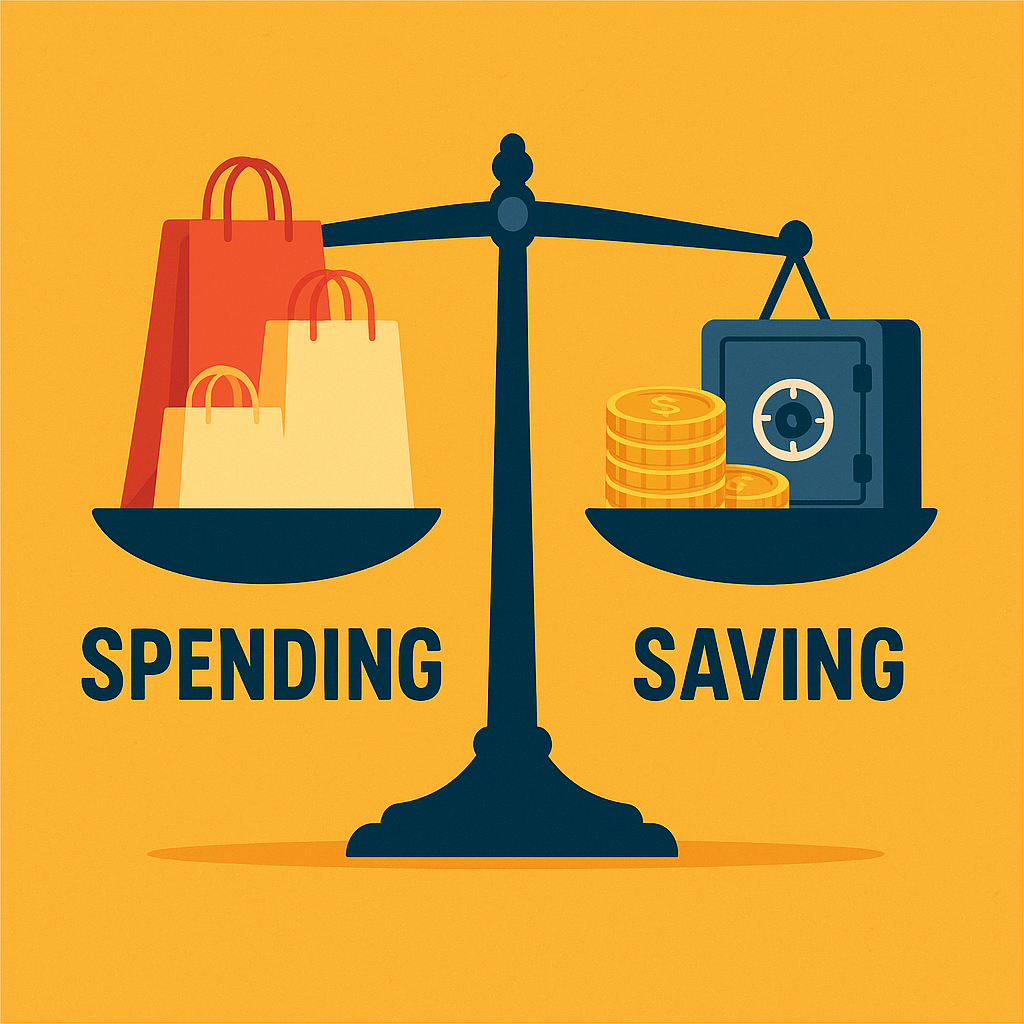
In recent years, a powerful new trend has begun to reshape how people think about money: revenge saving. After the era of “revenge spending” — where people splurged to make up for lost experiences during the pandemic — many are now redirecting their energy into aggressive saving. Rather than buying more, they’re building emergency funds, creating financial guardrails, and prioritizing long-term stability over instant gratification.
This article explores what revenge saving is, why it’s gaining momentum, its psychological underpinnings, how people practice it, risks and downsides, and tips to apply it sensibly. We’ll also discuss how to balance revenge saving with investing and other financial goals.
What Is Revenge Saving?
Definition: Revenge saving refers to a behavior where individuals save very aggressively — often more than they have before — as a reaction to past overspending or financial stress.
Unlike typical saving motivated purely by long-term goals, revenge saving is emotionally charged. It stems from a desire for control, security, and redemption after a period of financial instability.
Key elements include:
High intentionality: People set strict saving goals or “revenge numbers” to hit.
Automation: Many automate transfers to high-yield or emergency accounts to make saving frictionless.
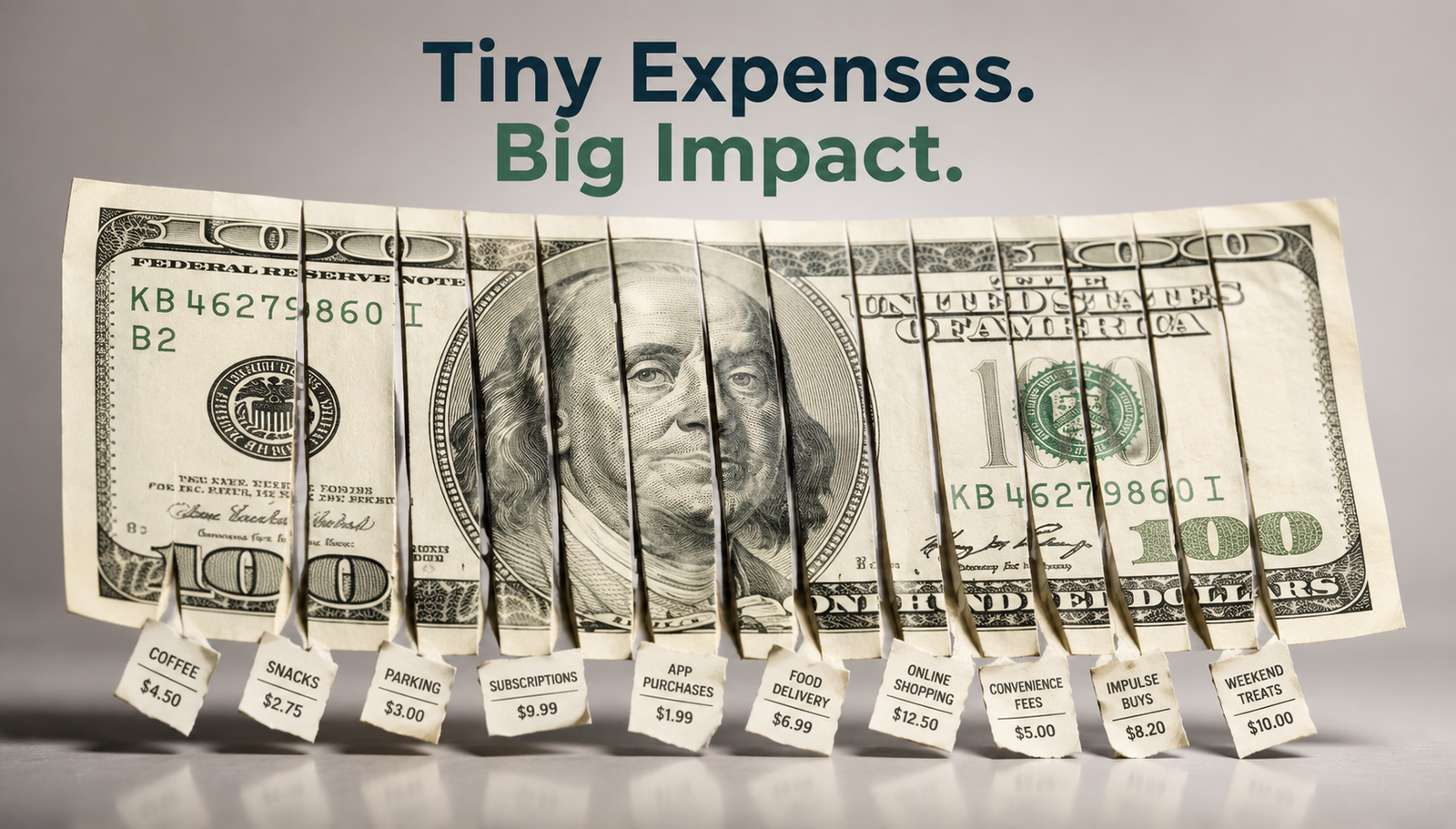
Frugality or “no-spend” phases: Individuals may deliberately cut back on discretionary spends or take on no-buy challenges.
Psychological motivation: Loss aversion, regret from past spending, and fear drive the intensity.
Why Revenge Saving Is Trending Now
Economic Uncertainty
Inflation, rising interest rates, and fears of layoffs are prompting people to build cash cushions.
This trend is not just among low‑income earners; even high-income households are prioritizing liquidity over luxury.
Reaction to Past Overconsumption
After years of “revenge spending” — splurging on travel, dining, and experiences post-lockdown — people are consciously swinging the pendulum back.
There’s a sense of “atonement” or financial correction: save now to make up for previous excess.
Behavioral Economics at Play
The trend is driven by loss aversion — people feel the pain of potential future losses more than the joy of equivalent gains.
It’s also about control: saving gives people a psychological buffer and agency in uncertain times.
The act of saving aggressively becomes a form of behavioral coping.
Social Media and Community
Platforms like TikTok have popularized “no-buy months,” savings challenges, and sharing of revenge-saving milestones.
Gamified saving (tracking progress, setting “revenge numbers”) builds accountability and social reinforcement.
Generational Influence
Millennials and Gen Z are among the most active revenge savers.
For many young people, the priority is no longer just accumulating wealth — it’s building financial peaceand resilience.
Global Spread
The trend isn’t limited to the U.S. In China, for instance, young people are setting extremely tight monthly budgets and forming saving circles on social media.
In the UK and elsewhere, people are cutting spending and aggressively building reserves.
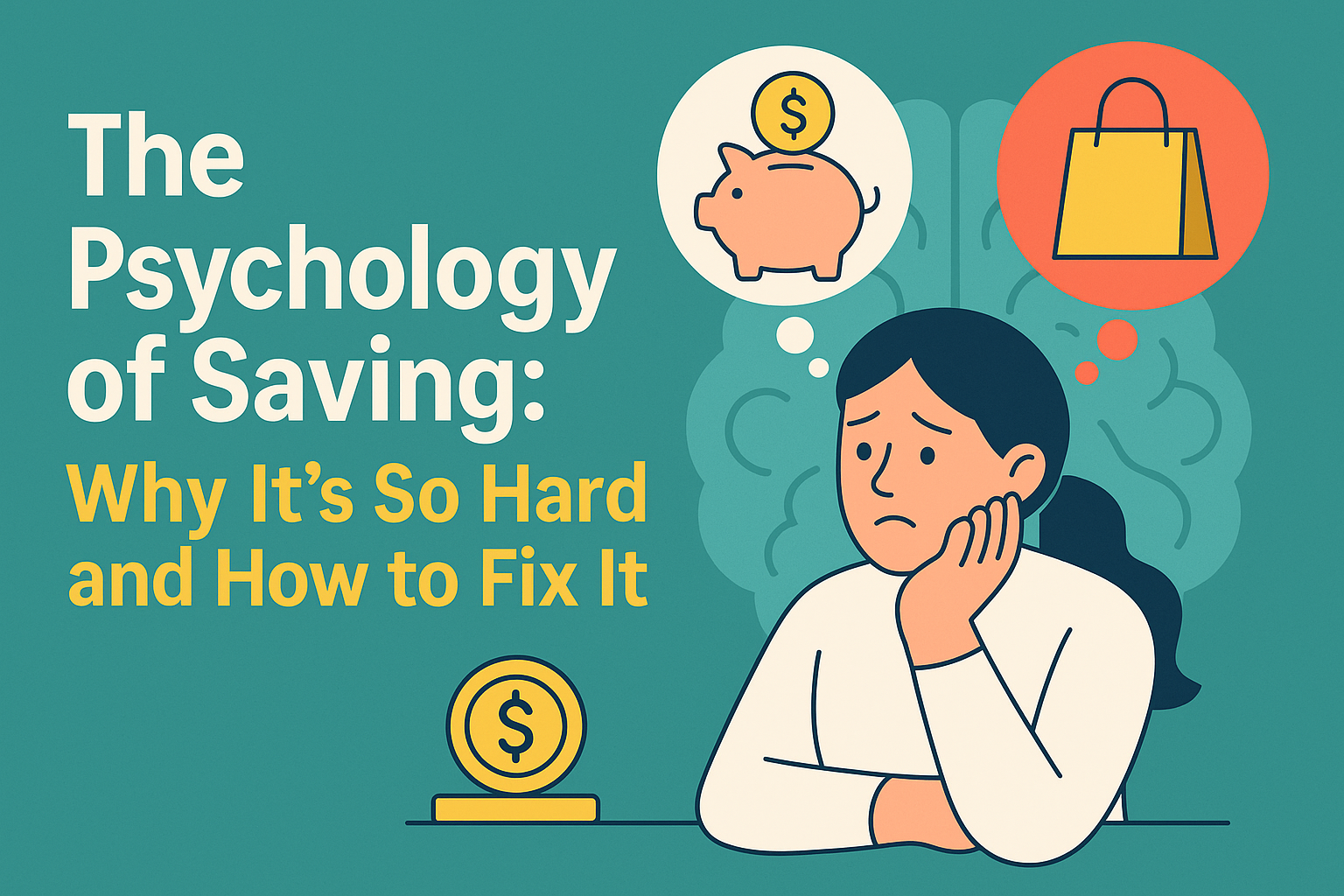
The Psychology Behind Revenge Saving
Loss Aversion: People are motivated more by protecting themselves from potential losses (job loss, economic downturn) than seeking large gains.
Regret Minimization: Having spent impulsively in the past, revenge savers feel a strong urge to correct their mistakes and never be caught off guard again.
Sense of Control: When external economic conditions feel volatile, controlling your savings is a tangible way to regain power.
Behavioral Reset: For many, revenge saving is not just about money — it’s a financial “reset.” It’s a transformation of identity from spender to saver.
Motivation Through Milestones: By setting explicit savings goals (e.g., 3-month emergency fund → 12-month), people create visible wins that reinforce the habit.
How People Practice Revenge Saving
Here are common strategies people use when they embrace revenge saving:
Automated Savings Transfers
Immediately after payday, part of the income is transferred to a dedicated emergency or high-yield savings account.
Some use “sweep accounts” to automatically move excess balance.
No-Buy or Low-Spend Challenges
“No-buy month”: No discretionary purchases for a defined period.
Setting a “revenge number” — a target amount for emergency fund or savings — to hit.
Breaking savings into sub-goals (e.g., three months of expenses → six months → twelve months).
Using High-Yield / Specialized Accounts
Parking funds in high-yield savings accounts, certificates of deposit (CDs), or other safe, liquid instruments.
Some use separate “bucket” accounts for different priorities — e.g., emergency fund, down-payment, cash reserve.
Social Accountability & Community
Sharing progress on social media (TikToks, Instagram) helps maintain discipline.
Joining “saving circles” or peer groups (online or offline) for mutual encouragement.
Using apps or gamified tools to track and celebrate milestones.
Behavioral Adjustments
Reassessing lifestyle inflation: cutting back on luxuries, relocating spending priorities.
Creating a leaner budget and redirecting “freed” money into savings.
Building Over the Long Run
For some, revenge saving is a phase, but for many, it’s a lifestyle shift toward long-term resilience.
They continue saving beyond the emergency fund: some aim for 12+ months of expenses.
Why People Prioritize Emergency Funds (Over Spending)
Security First: The primary motive is building a financial safety net against unexpected shocks.
Reduced Anxiety: Knowing there’s cash on hand reduces stress and the fear of “what if something happens.”
Realistic Mindset: Rather than chasing high-return investments immediately, people focus on liquidity and protection.
Empowerment: Revenge saving restores a sense of financial agency after periods of uncertainty.
Delayed Gratification: Many savers are choosing long-term peace over short-term indulgence.
Better Financial Habits: The discipline cultivated through revenge saving often leads to better budgeting, less wasteful spending, and more purposeful financial planning.
Compound Benefits: With automated and aggressive saving, over time, the funds grow, and compounding (or investing later) becomes more potent.
Risks & Potential Downsides of Revenge Saving
While revenge saving can be very empowering and effective, it’s not without potential pitfalls. It’s important to be aware of these so you can adopt the trend in a balanced way:
Over-emphasis on Cash
Parking too much money in low-interest savings may lead to opportunity cost: money that could have been invested for higher returns stays idle.
If inflation is higher than the interest rate on your savings account, real purchasing power may erode.
Risk of Burnout
Aggressive saving for too long without “fun money” can feel restrictive and unsustainable.
If the mindset is purely punitive (“I overspent, so now I must deprive myself”), it might lead to resentment or relapse.
Neglecting Other Financial Goals
If all money is channeled into emergency funds, other goals like investing, paying high-interest debt, or long-term goals (e.g., retirement) may get neglected.
Overprioritizing liquidity might mean missing out on compounding growth via equities or other assets.
Psychological Risk
For some, revenge saving can be emotionally draining and might reinforce a fear-based financial mindset.
There’s a risk of “saving for the sake of saving” rather than aligning with meaningful goals.
Liquidity vs Risk
Keeping too much money in illiquid vehicles (or locking it away) might defeat the purpose of an emergency fund which should ideally be accessible.
Conversely, putting too much in ultra-safe accounts might not yield enough return.
False Security
A large emergency fund might provide a false sense of security: people may feel invincible and take on risky financial decisions elsewhere.
How to Practice Revenge Saving Wisely
If you want to adopt revenge saving but keep it balanced and aligned with long-term goals, here are some practical tips:
Set a Realistic Emergency Fund Goal
Decide how many months of expenses you want to save (3–12 months is common).
Break it into manageable milestones: aim for 3 months → 6 months → 12 months.
Automate Your Savings
Use automatic transfers from checking to a dedicated savings account. This removes the friction of ‘deciding’ each month.
Consider using “round-up” tools in apps that save small change.
Use High-Interest or Specialized Accounts
Park your emergency fund in a high-yield savings account or other liquid, safe vehicles.
Keep part of your savings immediately accessible and part in slightly less liquid but higher-earning instruments.
Challenge Yourself, But Be Kind
Try “no-buy” or “spend-lite” months to build up momentum.
But don’t deprive yourself completely — allow small rewards to stay motivated.
Track Progress and Celebrate Wins
Use a visual tracker (spreadsheet, app) to see how your fund grows.
Celebrate when you hit key milestones (e.g., “I’ve hit 6 months of expenses”) — this emotional reinforcement is powerful.
Balance With Other Goals
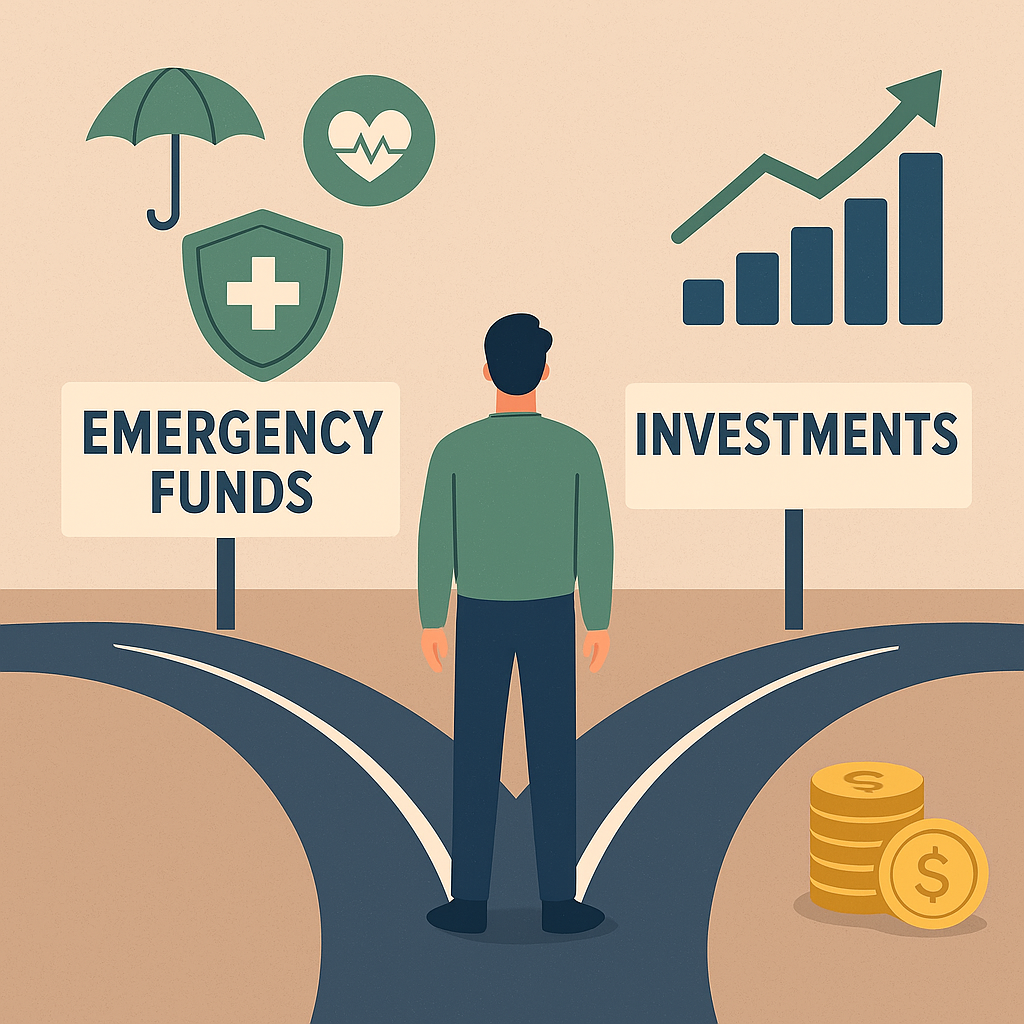
Once your emergency fund is sufficiently built, reallocate a portion of surplus money to other financial goals: debt payoff, investing, retirement.
Use a tiered strategy: emergency cash → short-term investing → long-term investing.
Stay Flexible
Reassess your emergency fund periodically: if your expenses rise, you may need to increase the fund.
Similarly, if your financial situation stabilizes (stable job, side income), you might reduce the pace of hyper-saving.
Leverage Community & Accountability
Join saving circles or groups (on social media or in real life) for support and accountability.
Share your progress with friends or on platforms — it creates a feedback loop and social motivation.
Is Revenge Saving Right for You?
Here’s a quick self-check to see if revenge saving makes sense for your financial situation:
Do you often feel anxious about economic instability (job risk, inflation)?
Have you overspent in the past and regret not saving more?
Are you disciplined enough to stick to aggressive savings goals (or do you have a support system)?
Do you have existing financial goals (like debt repayment, investing), and can you balance those with aggressive saving?
Do you have access to good savings vehicles (high-yield bank, safe liquid accounts)?
If you answer yes to most of these, revenge saving could be a powerful, life-changing strategy to build financial resilience.
The Bigger Picture: Revenge Saving & Financial Resilience
The rise of revenge saving is more than just a quirky trend — it speaks to a broader shift in how people value financial resilience over consumer excess. In uncertain economic times, liquidity and control are not just nice-to-haves: they are essential.
For many, revenge saving is a way to rebuild trust with money. Instead of being at the mercy of economic shocks or past spending mistakes, they reclaim agency.
It helps lay a strong foundation: with a healthy emergency fund, people can make bolder long-term decisions (invest more, take calculated risks) because they’re less fearful of downside risk.
It intersects with other smart personal finance movements: “loud budgeting,” FIRE (financial independence), and sustainable spending habits.
However, like any strategy, it’s not a one-size-fits-all. The most effective revenge savers are those who temper their intensity with wisdom — building up their reserves without sacrificing future growth or burning out.
Conclusion
Revenge saving is more than a reaction — it’s a strategic movement. It’s born from regret, fear, and a deep desire to regain control. But it’s not just about hoarding cash; it’s about building freedom, stability, and peace of mind.
By prioritizing emergency funds over impulsive spending, people are reclaiming their financial narrative. With the right mindset, tools, and balance, revenge saving can become a powerful force for long-term security — not just a phase, but a sustainable financial lifestyle.