How to Build Good Money Habits (Even if You Hate Budgeting)

A Practical, Psychology-Backed Guide Anyone Can Follow

How to Build Good Money Habits - FG

Building good money habits isn’t about being perfect. It’s not about living on spreadsheets, memorizing every expense, or forcing yourself into a budgeting style you absolutely hate. Good financial habits come from small, repeatable actions that gradually become part of your life — even if the word budgeting makes you cringe.

In this complete guide, you’ll learn step-by-step how to build strong money habits, avoid common pitfalls, stay consistent, and develop a healthy relationship with money—without overwhelming yourself.

Why Good Money Habits Matter (Even More Than Budgeting)

Most people try budgeting first and quit because it feels restrictive. What actually drives long-term financial success isn’t the budget—it’s the habits behind it.

Good money habits help you:

  • Spend intentionally instead of emotionally
  • Stay prepared for emergencies
  • Grow savings automatically
  • Avoid unnecessary debt
  • Make decisions without financial stress
  • Build long-term wealth effortlessly

When strong habits are in place, budgeting becomes simplenatural, and often… optional.

1. Start With Your Money Mindset (The Foundation of Every Habit)

Good money habits always begin with healthy money beliefs. If your mindset is negative, no system will work for long.

Common mindset blockers:

  • “I’m just bad with money.”
  • “Budgeting never works for me.”
  • “I’ll start saving when I earn more.”
  • “It’s too late to fix my finances.”

Shift your mindset by adopting these truths:

✔ You don’t need to be perfect — you just need consistency.
✔ Small changes compound into huge results over time.
✔ You can build habits even without loving the process.
✔ Your past financial mistakes don’t determine your future.

A better mindset makes every practical step in this guide easier.

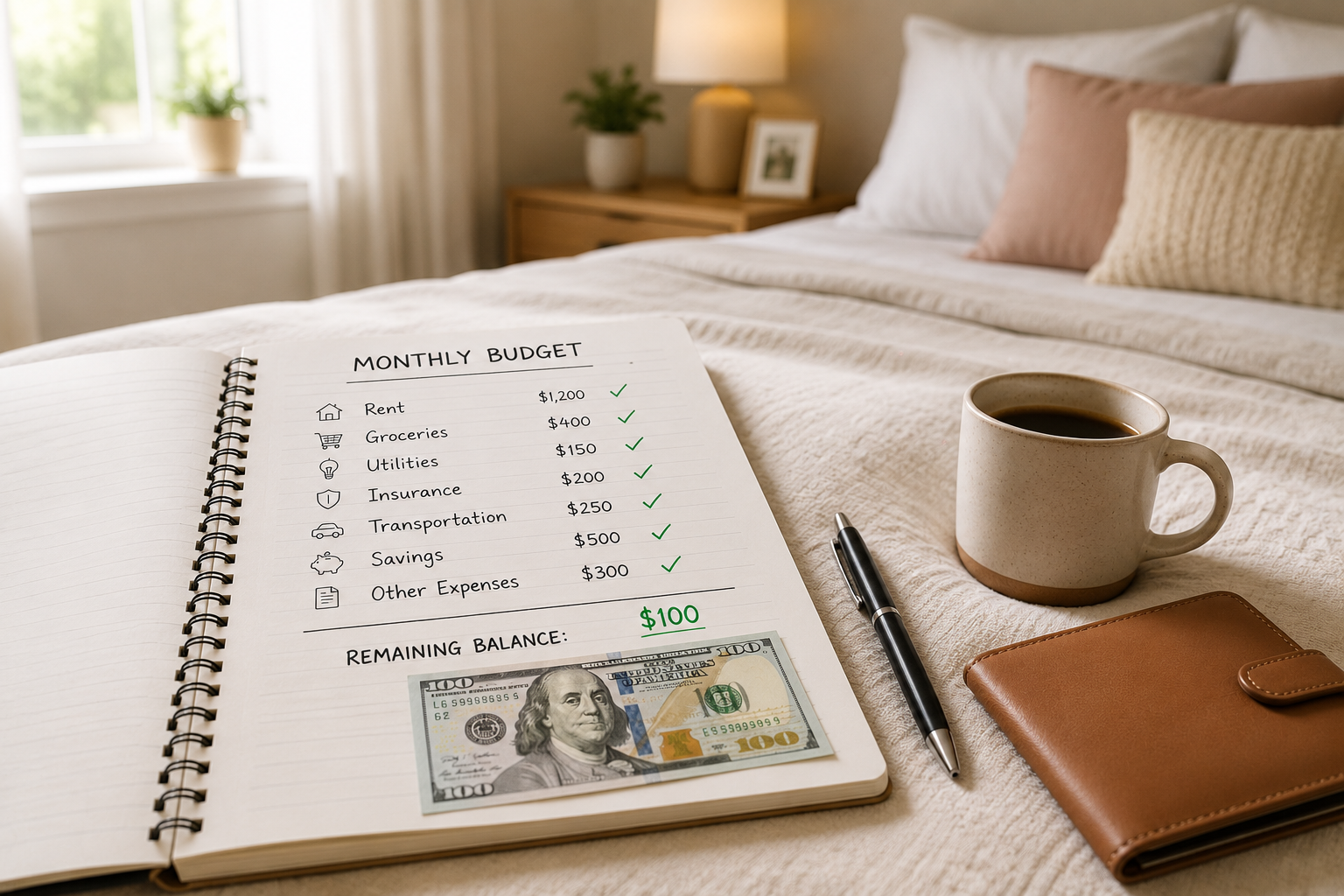
2. Understand Your Cash Flow Without “Budgeting” (The Simple Snapshot Method)

You don’t need a detailed spreadsheet. You only need one snapshot:

List these four things:

  1. Total monthly income
  2. Fixed expenses (rent, insurance, EMIs, subscriptions)
  3. Variable expenses (food, transportation, personal spending)
  4. Savings + debt payments

This isn’t a budget — it’s awareness. Awareness alone is a habit that improves finances instantly.

Once you see where your money actually goes, building better habits becomes far easier.

3. Automate Everything You Possibly Can

If you hate budgeting, automation will become your best friend.

Automations worth setting up:

  • Automatic savings → transfers on salary day
  • Automatic bill payments → avoid late fees
  • Automatic investment SIPs → build wealth painlessly
  • Automatic debt payments → reduce stress
  • Automatic sinking funds → for vacations, repairs, gifts, etc.

Why automation works:
It removes emotions, decisions, and discipline from the equation.
You build great habits without doing anything manually.

4. Follow the 50-30-20 Rule (Beginner-Friendly Formula)

If full budgeting overwhelms you, use the popular 50/30/20 Budget Rule:

  • 50% → Needs (rent, food, utilities, transport)
  • 30% → Wants (dining out, shopping, leisure)
  • 20% → Savings + Debt Repayments

You can adjust this formula based on your income, city, and lifestyle.

This rule is simple enough for budget-haters but structured enough to build discipline.

5. Build a Habit of Saving Small Amounts Consistently

One of the strongest money habits is saving regularly—even if the amount is small.

Start with:

  • $1 a day, or
  • 5-10% of your income, or
  • Whatever amount doesn’t feel like a sacrifice

The key is consistency, not the dollar amount.

Once saving becomes easy, gradually increase the percentage. Before you know it, your financial cushion grows.

6. Create an Emergency Fund (Your Financial Safety Net)

An emergency fund is the habit that prevents future financial disasters.

How much you need:

  • Beginner: $500
  • Starter Safety Net: 1 month of expenses
  • Ideal Goal: 3–6 months of expenses

Even if you save slowly, the habit of contributing to your emergency fund builds long-term stability.

7. Track Only Three Numbers (Instead of Every Transaction)

Most people quit budgeting because they track too much.

All you really need is to track:

  1. Total spent this month
  2. Total saved this month
  3. Total debt reduced this month

Just these three metrics give you a clear picture of progress without tedious record-keeping.

8. Build a Habit of Delayed Spending

This is one of the most powerful habits in personal finance.

Practice the 24-hour rule:

If it’s not an essential purchase, wait 24 hours before buying.

Why it works:
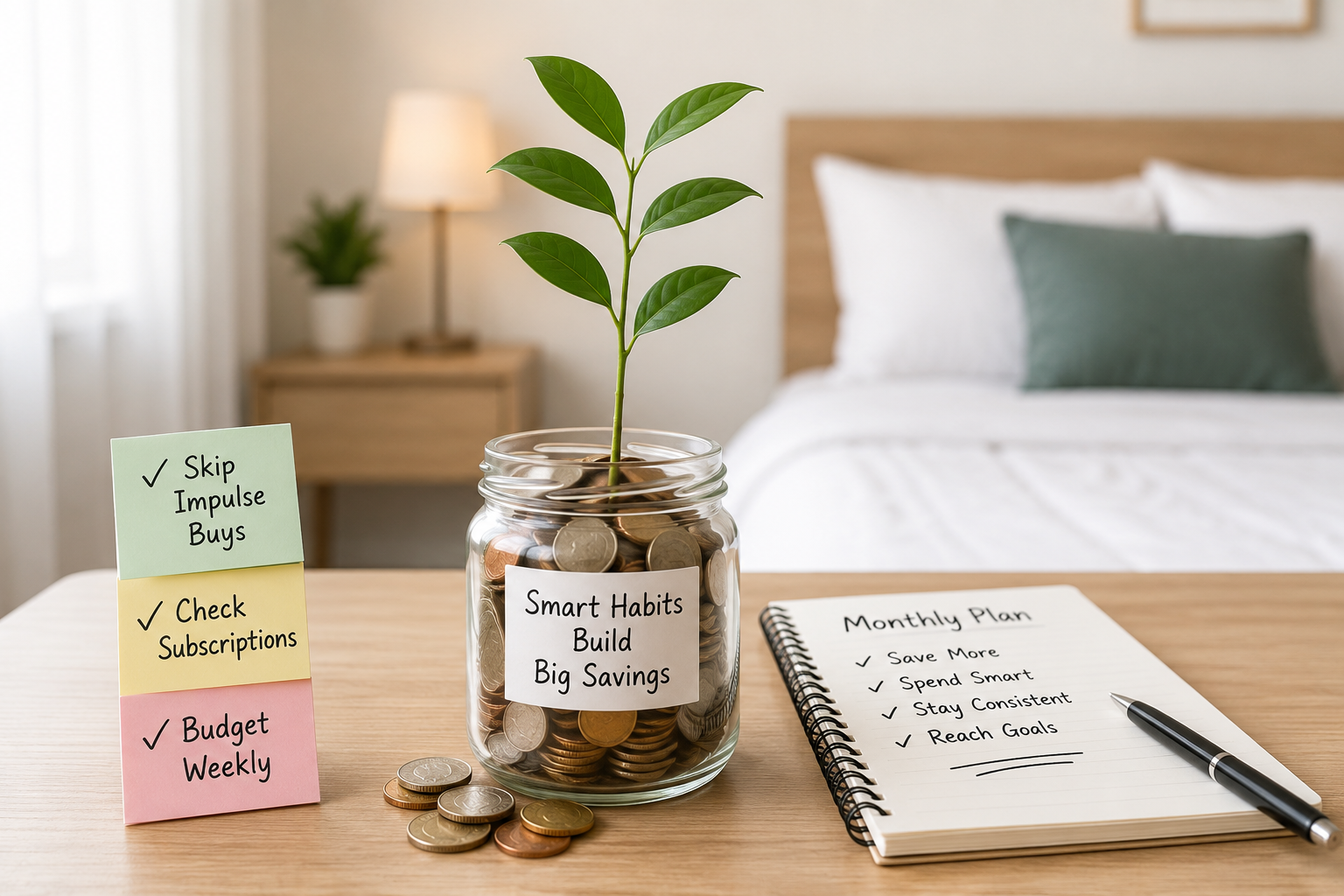
✔ Eliminates impulse purchases
✔ Gives your brain time to evaluate
✔ Prevents emotional spending
✔ Saves significant money long-term

You don’t need strict budgeting when impulse control is automatic.

9. Use Separate Bank Accounts for Better Money Control

A simple habit to organize your finances:

Create separate accounts for:

  • Bills + expenses
  • Savings
  • Spending money
  • Sinking funds (optional)

This eliminates confusion and prevents overspending.
It also reinforces discipline without budgeting.

10. Review Your Money Once a Week (10-Minute Routine)

Money habits stick when you create a small, scheduled routine.

A weekly money review could include:

  • Checking balances
  • Noticing unusual expenses
  • Adjusting next week’s spending
  • Reviewing savings progress
  • Planning upcoming bills

A weekly check prevents small issues from turning into big ones.

11. Cut Expenses the Smart Way (Not the Miserable Way)

Good money habits don’t require extreme lifestyle cuts.

Instead of cutting big things you love, eliminate small drains:

  • Unused subscriptions
  • Excessive delivery orders
  • Entertainment splurges
  • Expensive daily habits
  • Impulse buys

Save money without feeling deprived.

12. Build Better Debt Habits (Even If You’re Not Ready to Zero It Out)

You don’t need to eliminate all debt immediately.
Instead, build debt-friendly habits:

  • Always pay on time
  • Pay a little extra each month
  • Avoid taking new debt unless necessary
  • Focus on high-interest debt first
  • Track your debt decreasing month by month

Consistency beats intensity in debt payoff.

13. Use Tools That Make Money Management Easy

Since you’re running a site like MonthlyBudgetCalculator.com, this naturally fits your reader intent.

Tools to use:

  • Monthly Budget Calculator (your tool)
  • Expense-tracking apps
  • Investment tracking tools
  • Automatic savings apps
  • Debt payoff calculators

Tools reduce effort, save time, and reinforce better habits automatically.

14. Reward Yourself for Good Financial Behavior

Habit-building works when you attach positive reinforcement.

Examples:

  • Treat yourself when you hit a savings goal
  • Celebrate one month of no impulse purchases
  • Reward progress with experiences, not expenses

This keeps your motivation strong.

15. Focus on Progress, Not Perfection

Good money habits build slowly.
You will overspend.
You will make mistakes.
You will lapse at times.

That’s normal.

The goal is long-term consistency, not short-term perfection.

Over months, these small habits completely transform your financial life.

Final Thoughts

You don’t need to love budgeting to be good with money. By building small, repeatable, automated habits, you can gain control over your finances without feeling restricted or stressed. Start with awareness, automate as much as possible, track only essential numbers, and stay consistent.

Good money habits will silently reshape your financial future—one small habit at a time.
Leave a Comment