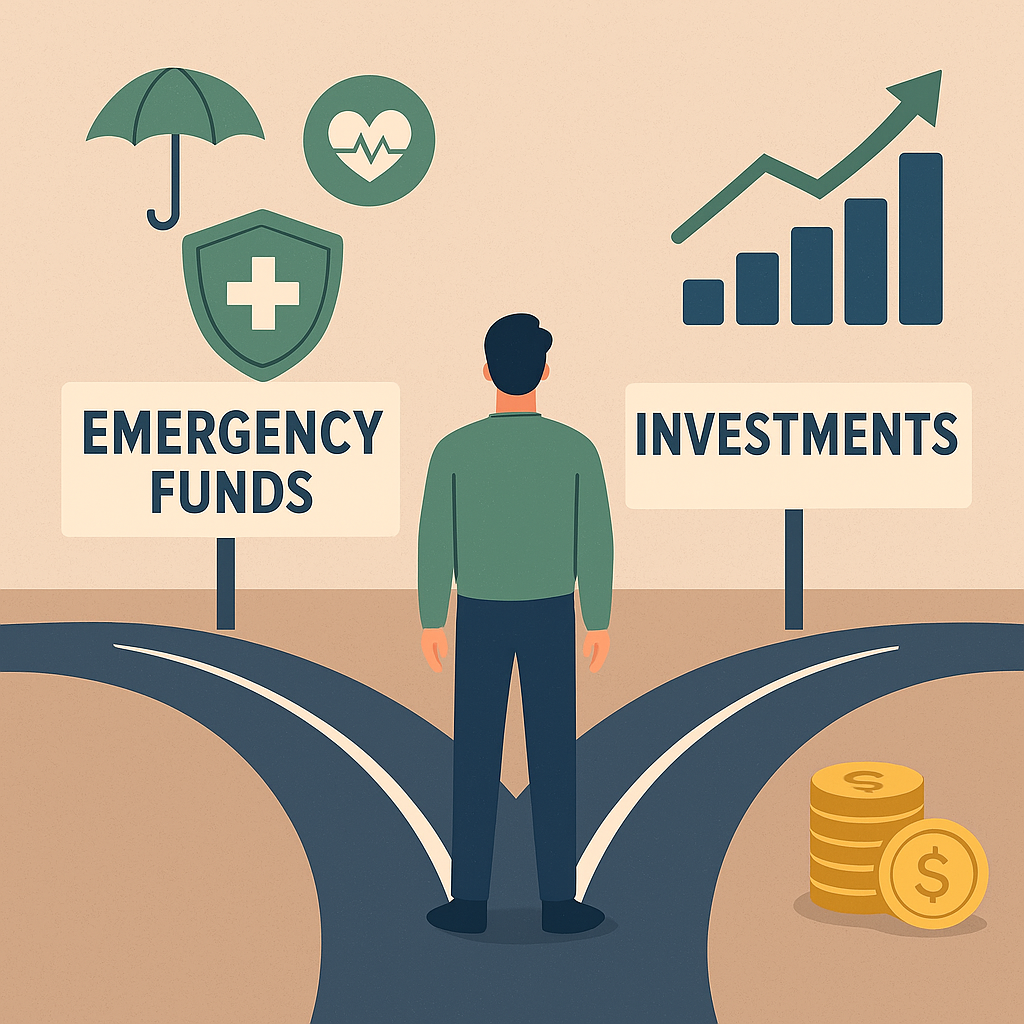
Managing money wisely begins with one fundamental question: Should your savings go toward an emergency fund or into investments? While both are crucial for financial stability and long-term wealth building, they serve different purposes, carry different risks, and require different strategies. Understanding how they work—and how to balance them—can dramatically improve your financial health.
This guide breaks down everything you need to know: how emergency funds work, how investments work, how much you need, where to store the money, the risks involved, the opportunity costs, and exactly how to prioritize your savings based on your personal situation.
What Is an Emergency Fund?
An emergency fund is a dedicated pool of money set aside exclusively for unexpected expenses—think medical emergencies, car repairs, job loss, urgent travel, or sudden home maintenance issues.
Purpose of an Emergency Fund
Provides financial security and peace of mind
Prevents you from using credit cards or loans during emergencies
Protects your investments from forced selling
Keeps your long-term financial goals intact even during crises
How Much Should You Save?
Financial planners typically recommend:
3 months of expenses (if you have a stable job + low dependents)
6 months of expenses (if you have dependents or unstable income)
9–12 months (if you’re self-employed or work in a volatile industry)
This is a safety net—not a profit-generating asset.
Where Should You Keep Your Emergency Fund?
The goal is liquidity + safety, NOT high returns.
Best Places to Keep an Emergency Fund
1. High-Yield Savings Account (HYSA)
Highly liquid
Earns more interest than traditional savings
FDIC-insured (in the US)
2. Money Market Account
Slightly better interest
Safe and stable
Limited monthly withdrawals
3. Liquid Mutual Funds (for some markets like India)
Moderate returns
High liquidity
Slight risk but acceptable for partial emergency savings
Places You SHOULD NOT Keep Emergency Funds
Stock market
Real estate
Crypto
Retirement accounts with withdrawal penalties
Long-term fixed deposits with lock-in periods
These prevent quick access and may cause losses if withdrawn at the wrong time.
What Are Investments?
Investments are financial assets purchased with the intention of generating returns over time—through appreciation, dividends, or interest.
Common Types of Investments
Stocks & Equity Funds: High growth, high risk
Index Funds / ETFs: Long-term wealth building
Bonds: Lower risk, stable returns
Real Estate: Long-term growth + rental income
Gold / Commodities: Inflation hedge
Retirement Accounts (401k, IRA, PPF, NPS, etc.)
Crypto: High risk, high volatility
Purpose of Investments
Grow your wealth
Beat inflation
Build retirement funds
Achieve long-term goals (house, education, business, early retirement)
Emergency Funds vs. Investments: Key Differences
Feature
Emergency Fund
Investments
Purpose
Safety + Liquidity
Wealth Growth
Risk Level
Almost zero
Low to very high
Returns
Low
Moderate to high
Time Horizon
Short-term (immediate access)
Medium to long-term
Accessibility
Instant
Varies depending on asset
Ideal For
Emergencies
Long-term goals
Why You Need BOTH — Not One or the Other
Many people jump into investing first, but this can backfire. Here’s why:
Situation 1: No Emergency Fund + Investing Aggressively
If an emergency hits:
You may be forced to sell investments at a loss
You may use credit cards and fall into debt
Your long-term financial goals collapse
Situation 2: Only Emergency Fund + No Investments
You are safe from crises, but:
Your money loses value to inflation
You miss out on compounding
Wealth building becomes slow
A strong financial plan includes both stability AND growth.
When to Prioritize Emergency Funds Over Investments
You should focus on building an emergency fund FIRST if:
You have no savings cushion
You rely on a single source of income
You have variable or freelance income
You have high liabilities
You are the sole earner in your family
You have existing credit card or high-interest debt (Emergency fund helps prevent new debt from accumulating)
Once you build at least 3 months of savings, you can begin investing simultaneously.
When Investing Takes Priority
After your basic financial foundation is set, investing becomes essential.
You can prioritize investments if:
You already have 3–6 months emergency savings
You want to achieve long-term goals faster
You wish to take advantage of compounding returns
You have employer-matched retirement plans
You are planning for wealth creation, not short-term safety
How to Split Your Savings Between Emergency Funds and Investments
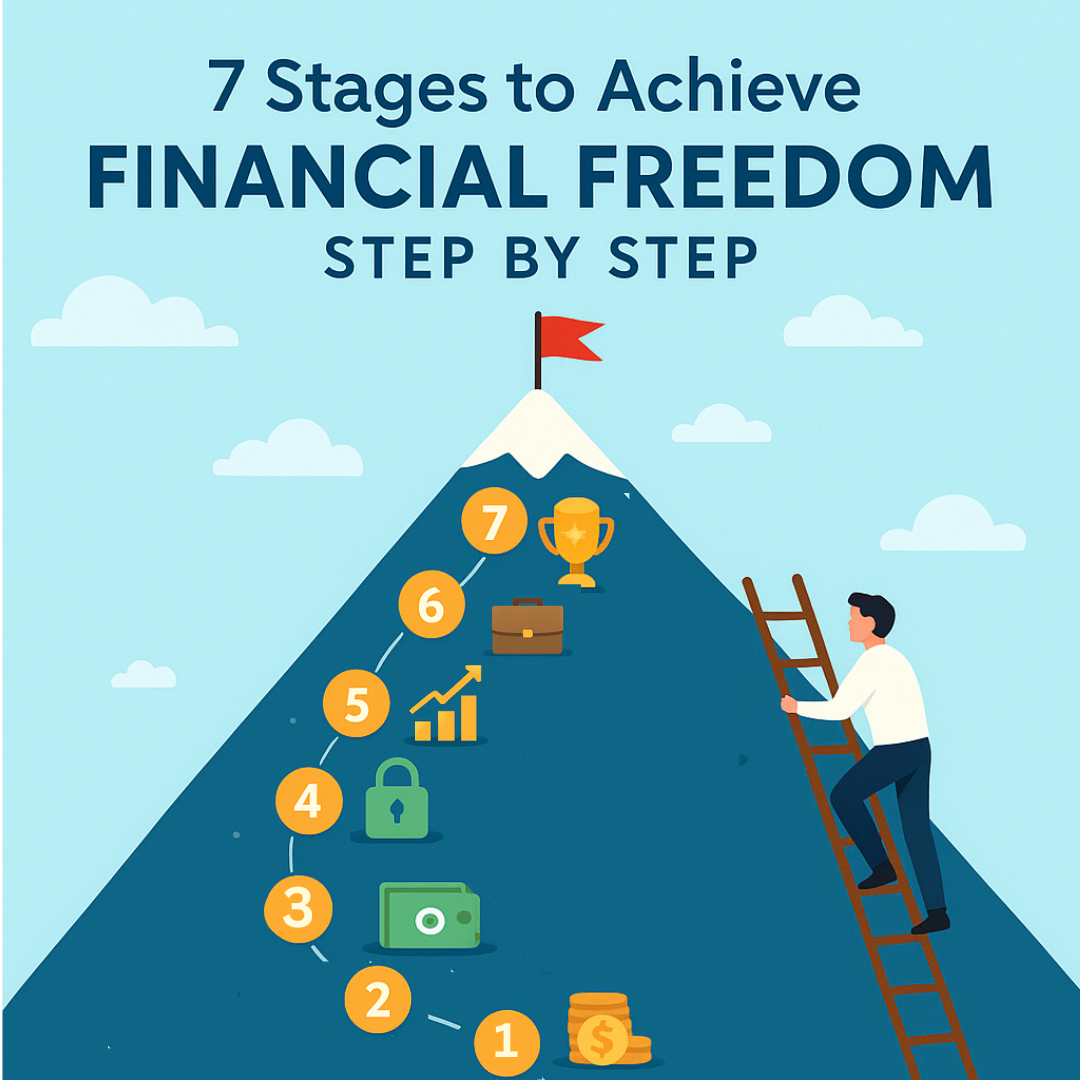
Here’s a practical step-by-step plan:
Step 1: Build $1,000 Quick Buffer
This covers immediate, small emergencies.
Step 2: Build 3 Months of Living Expenses
Before investing seriously, create this safety net.
Step 3: Invest While Building the Remaining 3 Months
Split your savings like:
60% to emergency fund
40% to investments
Continue until you hit the 6-month emergency mark.
Step 4: Fully Focus on Investments
Once your emergency fund is complete, channel 80–90% of future savings into investments.
Opportunity Cost: The Hidden Factor People Ignore
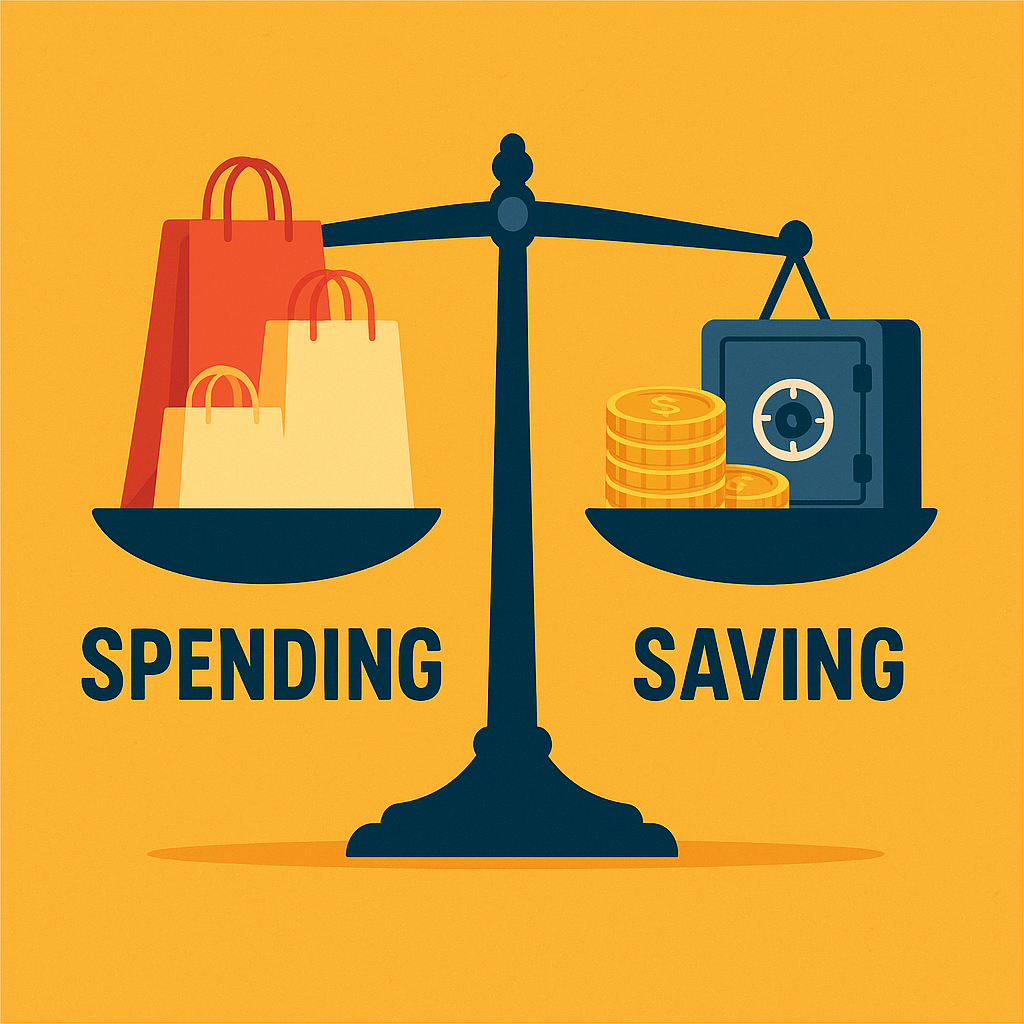
When you keep all your money in savings, you lose potential returns. But when you invest everything, you risk being unable to handle emergencies.
The right balance means evaluating:
Liquidity needs
Risk tolerance
Income stability
Financial dependents
Personal financial goals
Common Myths About Emergency Funds vs. Investments
Myth 1: “Emergency funds are a waste because the returns are low.”
Wrong. Returns don’t matter here—security does.
Myth 2: “I can always sell my investments if there’s an emergency.”
You might be forced to sell during a market crash → leading to massive losses.
Myth 3: “I’ll start saving for emergencies later.”
Emergencies do not wait for finances to stabilize.
Myth 4: “Fixed deposits are good for emergencies.”
Not always — many have lock-ins or penalties.
Myth 5: “I only need $1,000 as an emergency fund.”
This depends on your monthly expenses—not a fixed amount.
How to Keep Your Emergency Fund from Losing Value
Although returns are low, you can use:
High-yield savings accounts
Laddered fixed deposits (if allowed)
Money market funds
Liquid funds (for specific markets)
This keeps your money safe while earning reasonable interest.
Final Answer: Where Should You Keep Your Savings?
1. Keep your emergency funds in → High-yield savings accounts → Money market accounts → Liquid funds
2. Invest the rest in → Stocks → Index funds → ETFs → Bonds → Real estate → Retirement accounts
3. Build at least 3–6 months of expenses before investing heavily
4. Maintain a balance: Stability first, growth second
This is the ideal formula for long-term financial success.