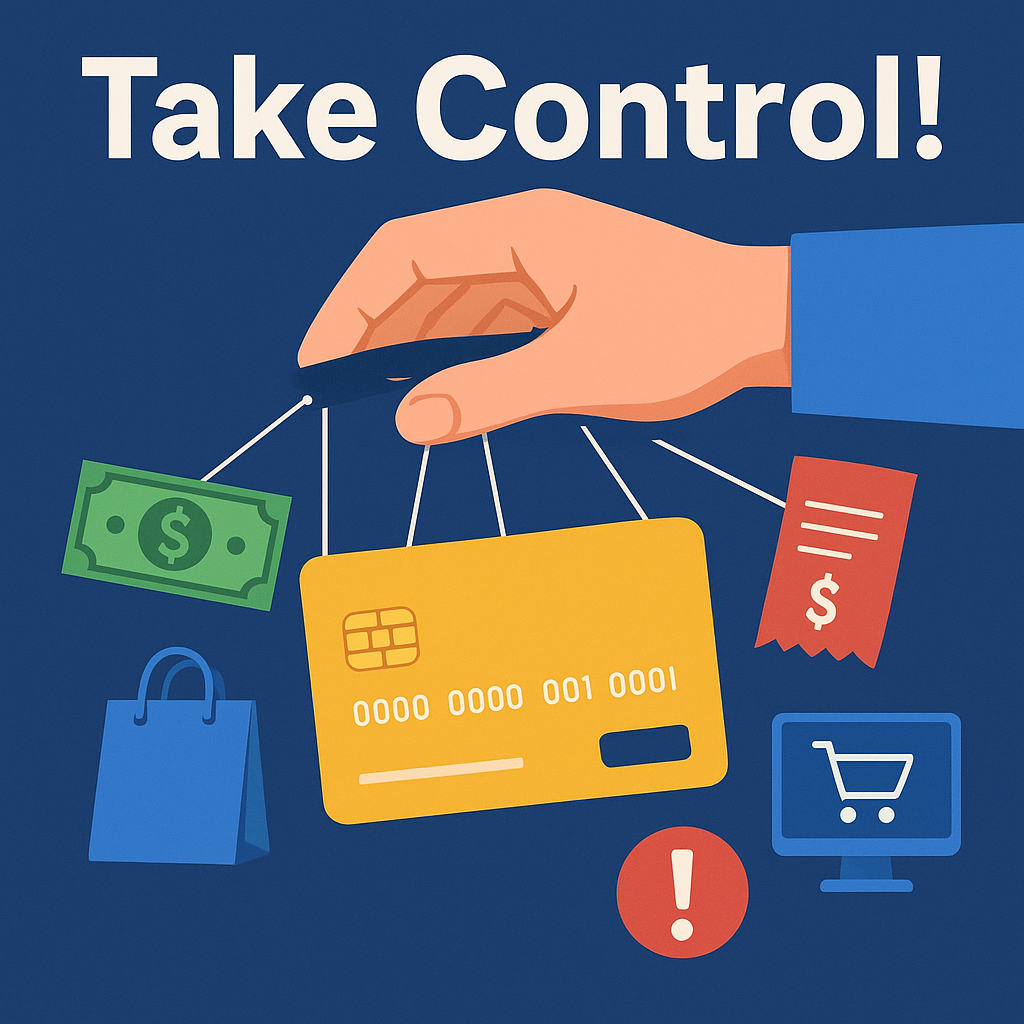
Credit cards are powerful financial tools that can make life easier, from online shopping to emergency expenses. However, mismanaging them can quickly lead to debt and financial stress. Learning effective credit card management strategies is crucial to avoid overspending and maintain a healthy financial life. This guide will provide detailed, practical tips for responsible credit card use.
1. Understand Your Credit Card Terms
Before using a credit card, familiarize yourself with its terms and conditions. Key aspects to pay attention to include:
Interest rates (APR): Know the annual percentage rate to understand how much interest you will incur if you carry a balance.
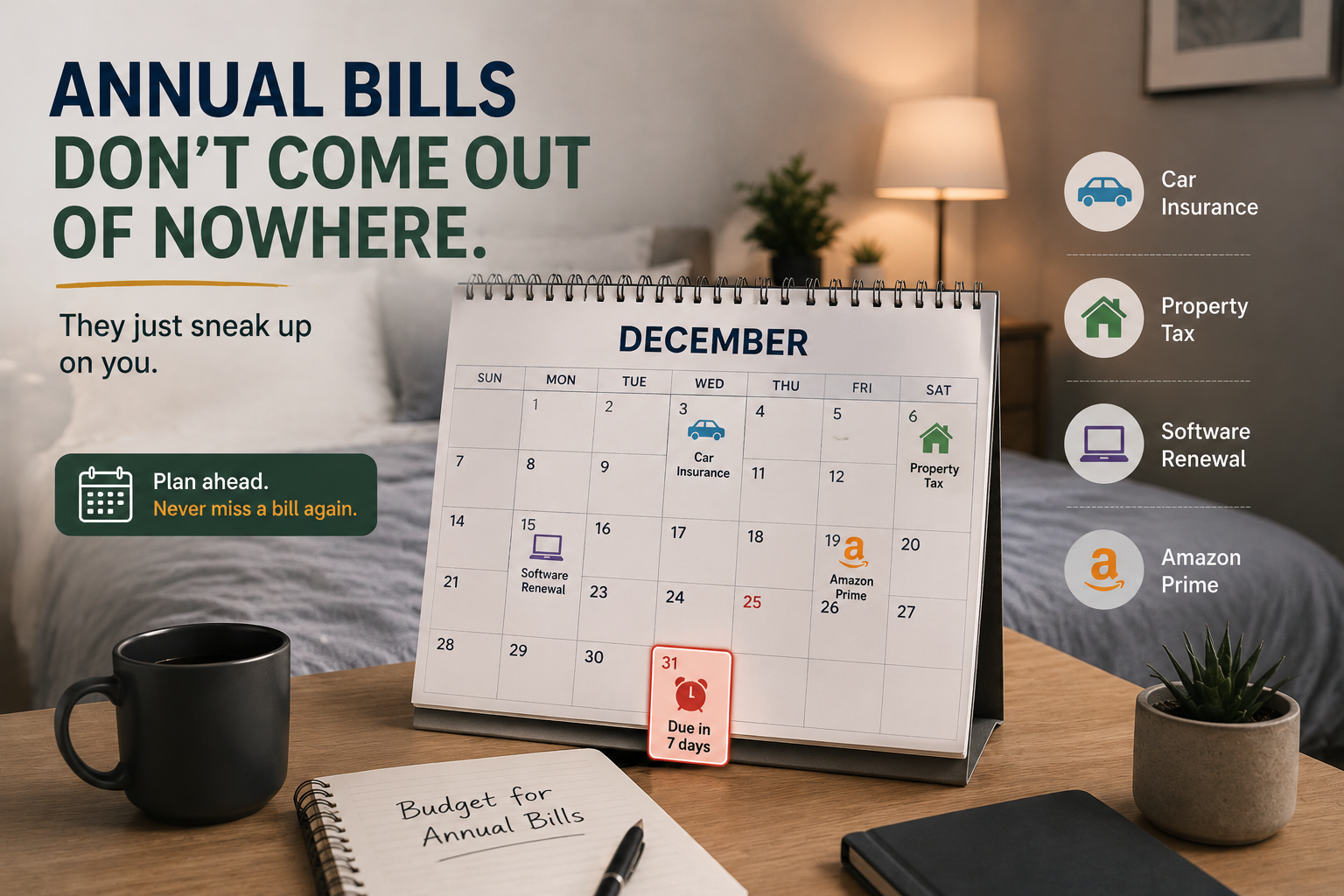
Billing cycle: Understand your billing cycle dates to optimize payments and avoid late fees.
Fees: Be aware of annual fees, late payment fees, foreign transaction fees, and balance transfer fees.
Understanding these details helps you use your credit card responsibly and avoid unnecessary costs.
2. Create a Monthly Budget
Overspending often happens when you don’t track your spending. Creating a monthly budget is essential.
List all sources of income.
Track all expenses, including fixed costs like rent and utilities, and variable expenses like dining out or entertainment.
Allocate a portion of your income for credit card spending and stick to it.
Budgeting ensures that your credit card use aligns with your overall financial plan, preventing debt accumulation.
3. Use the Credit Card Only for Planned Purchases
Impulse purchases are a major contributor to overspending. Avoid using your credit card for unplanned expenses by:
Using cash or debit for discretionary spending.
Planning major purchases in advance and budgeting for them.
Avoiding emotional spending, such as buying items out of stress or excitement.
Planned spending reduces the risk of exceeding your credit limit and accumulating unnecessary debt.
4. Pay Your Balance in Full Each Month
Carrying a balance on your credit card leads to interest charges that can snowball over time. To avoid overspending:
Aim to pay your full balance every month.
If full payment isn’t possible, pay as much as you can to reduce interest charges.
Set up automatic payments to ensure you never miss a due date.
Paying in full not only avoids interest but also helps improve your credit score over time.
5. Monitor Your Spending Regularly
Keeping a close eye on your credit card activity helps prevent overspending and fraud:
Use your card issuer’s mobile app or online portal to track transactions.
Review your statements carefully for errors or unauthorized charges.
Set alerts for large transactions or when you approach your credit limit.
Regular monitoring gives you control over your spending and helps you react quickly if needed.
6. Keep Credit Utilization Low
Credit utilization is the ratio of your credit card balance to your credit limit. High utilization can hurt your credit score and increase the temptation to overspend.
Aim for a credit utilization of 30% or less.
Spread expenses across multiple cards if necessary to keep utilization low.
Pay down balances during the month, not just at the end, to keep utilization low.
Lower utilization demonstrates responsible credit use to lenders and helps maintain financial discipline.
7. Avoid Multiple Credit Cards
Having too many credit cards can make management challenging and increase overspending risk.
Only open credit cards you truly need.
Consider consolidating balances on a single card to simplify payments.
Simplifying your credit cards reduces complexity and encourages better financial habits.
8. Use Rewards and Cashback Wisely
Credit card rewards programs can be tempting but may lead to overspending if not managed carefully:
Only spend on rewards if it aligns with your budget.
Avoid buying unnecessary items just to earn points or cashback.
Redeem rewards strategically for maximum benefit.
Using rewards responsibly can enhance your financial benefits without causing overspending.
9. Build an Emergency Fund
A common reason people overspend on credit cards is emergencies. Building an emergency fund provides financial security:
Save 3–6 months’ worth of living expenses in a separate account.
Use this fund for unexpected expenses instead of relying on credit cards.
Having a safety net reduces financial stress and prevents debt accumulation.
An emergency fund ensures you don’t fall into a cycle of credit card dependence.
10. Educate Yourself About Credit
Financial literacy is key to responsible credit card use:
Learn about interest rates, compounding, and credit scores.
Understand how late payments affect your credit history.
Stay informed about credit card policies, promotions, and new financial tools.
The more you know about credit, the better equipped you are to manage your cards wisely.
11. Set Spending Limits
Even with a budget, it’s easy to overspend. Setting personal spending limits helps keep your credit card use in check:
Determine a maximum monthly credit card expense.
Avoid using your card for purchases that exceed this limit.
Consider using card features that allow you to lock or limit spending per category.
Spending limits reinforce discipline and prevent accidental overspending.
12. Avoid Cash Advances
Cash advances come with high fees and interest rates that start immediately. Avoid using your credit card for cash withdrawals unless absolutely necessary.
Explore alternative options like personal loans or borrowing from an emergency fund.
Treat cash advances as a last resort to prevent financial strain.
This keeps your credit card usage safe and cost-effective.
Conclusion
Effective credit card management is all about discipline, planning, and awareness. By understanding your card’s terms, budgeting, monitoring spending, paying balances in full, and avoiding impulse purchases, you can use credit cards responsibly and avoid overspending. Building an emergency fund, setting limits, and educating yourself about credit further strengthens your financial health.
With these tips, your credit card can become a valuable tool that works for you — not against you.