When people think about retirement planning, they usually focus on one thing: how much money they need to save. But according to financial experts, the real difference between a comfortable retirement and a stressful one often comes down to one simple habit — mastering your monthly spending.
Why Monthly Spending Matters More Than a Big Savings Number
Retirement isn’t a single moment — it’s a phase that can last 20 to 30 years or more. During that time, your income becomes limited, but expenses don’t stop. In fact, some costs like healthcare, utilities, and everyday living often increase with age.
This is why financial experts consistently emphasize spending awareness over aggressive saving alone. People who understand and control their monthly expenses are better equipped to:
Avoid running out of money
Adjust their lifestyle when costs rise
Protect their savings from unnecessary withdrawals
Simply put, you can’t manage what you don’t track.
The One Habit That Makes Retirement Money Last Longer
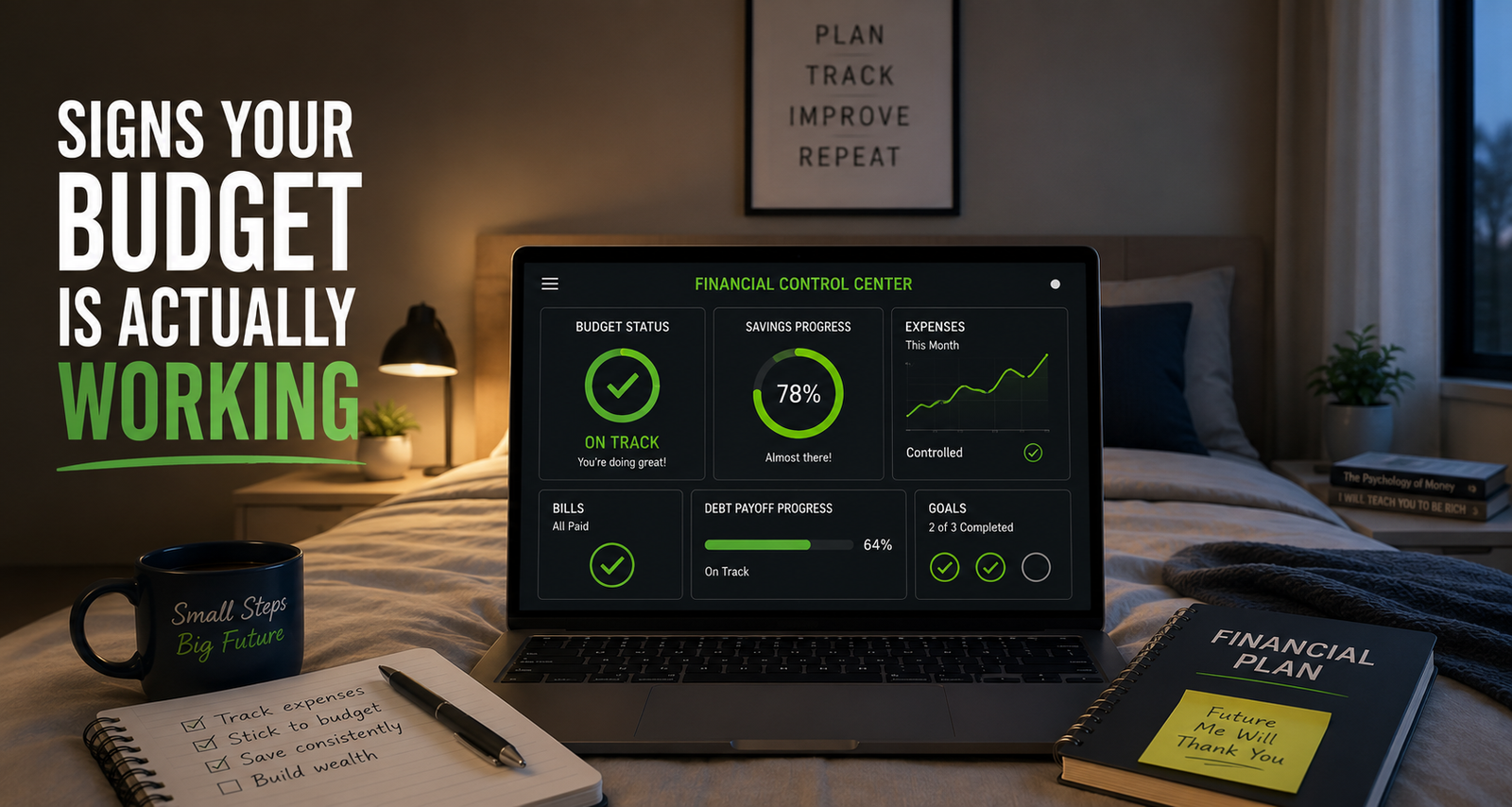
The most important money habit for retirement is tracking and intentionally managing your monthly budget — both before and after you retire.
This habit does three powerful things:
It shows you exactly where your money goes
It highlights wasteful or unnecessary expenses
It gives you control instead of guesswork
When you know your numbers, you can make small adjustments that protect your long-term financial security without feeling restricted.
Start Building This Habit Before Retirement
The best time to develop this habit isn’t the year you retire — it’s years before.
Practicing monthly budgeting while you’re still earning a regular income allows you to:
Learn your true cost of living
Identify expenses you can realistically reduce later
Build confidence in managing money without a paycheck
People who wait until retirement to get organized often feel overwhelmed because they’re forced to make big changes all at once.
How Monthly Budgeting Protects Your Retirement Savings
When spending isn’t controlled, even a small overspend can quietly drain retirement savings. A few hundred extra dollars a month may not feel like much, but over time it can shorten how long your money lasts.
A monthly budget helps you:
Set clear limits without cutting joy out of your life
Plan for irregular expenses like medical bills or home repairs
Adjust spending during market downturns or unexpected events
This flexibility is what keeps retirees financially stable during uncertain times.
How to Build the Habit in a Simple, Sustainable Way
You don’t need complicated spreadsheets or strict rules. Here’s how to make monthly budgeting a habit that actually sticks:
1. Track Every Expense
Start by recording all spending for one full month. This creates awareness and removes financial blind spots.
2. Categorize Your Spending
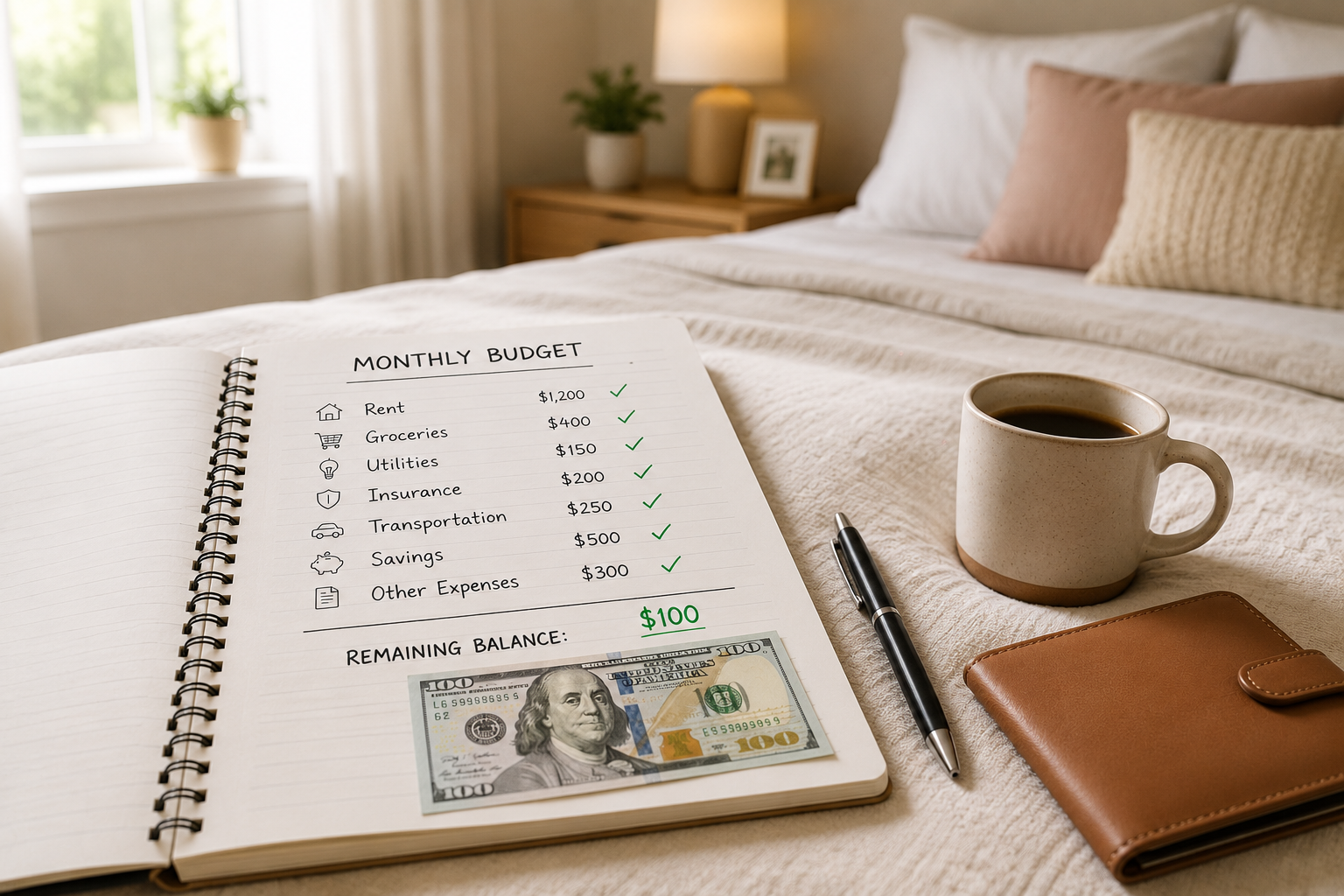
Group expenses into essentials (housing, food, utilities), lifestyle choices, and savings. This makes it easier to see where adjustments are possible.
3. Set Realistic Monthly Limits
The goal isn’t perfection — it’s consistency. Leave room for enjoyment while protecting your future.
4. Review and Adjust Regularly
Life changes, and so should your budget. A monthly or quarterly review keeps you aligned with your goals.
Retirement Is About Control, Not Restriction
Many people avoid budgeting because they think it means giving up freedom. In reality, the opposite is true.
A strong monthly money habit gives you:
Freedom from financial anxiety
Confidence to spend without guilt
Control over how long your retirement savings last
Retirement isn’t just about having enough money — it’s about using it wisely.
Final Thoughts
The one money habit you need to survive retirement isn’t complicated, trendy, or extreme. It’s the habit of understanding and managing your monthly spending.
Build this habit now, and retirement becomes less about fear and more about freedom. Your money works for you — not the other way around.