An emergency doesn’t wait until your finances are ready.
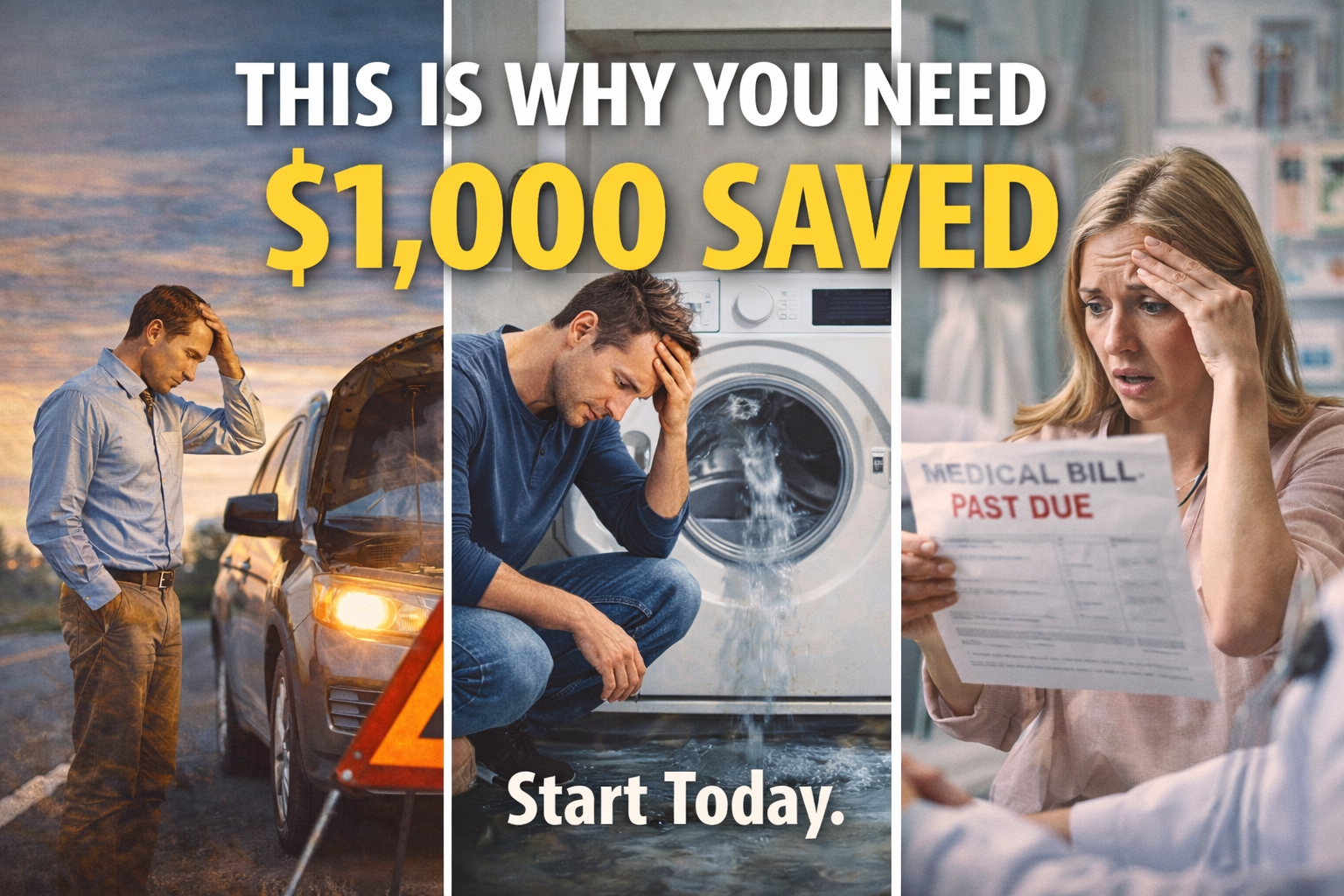
The car breaks down. The AC stops working. A medical bill shows up. And suddenly, you’re reaching for a credit card — again.
That’s why building a $1,000 emergency fund is one of the smartest financial moves you can make. It gives you breathing room. It keeps small problems from becoming debt disasters.
And yes — you can build it faster than you think.
Here’s how.
Why $1,000 Is the Perfect First Goal
A full emergency fund (3–6 months of expenses) can feel overwhelming.
But $1,000?
That’s manageable.
It’s big enough to handle:
Minor car repairs
Urgent home fixes
Unexpected medical bills
Last-minute travel
Small job interruptions
It’s small enough to hit in 30–60 days with focus.
Momentum matters more than perfection.
Step 1: Set a 30-Day Deadline
Open-ended goals fail.
Instead of saying: “I’ll save $1,000 someday.”
Say: “I will save $1,000 in 30 days.”
That means:
$250 per week
About $35 per day
When you break it down, it becomes tactical.
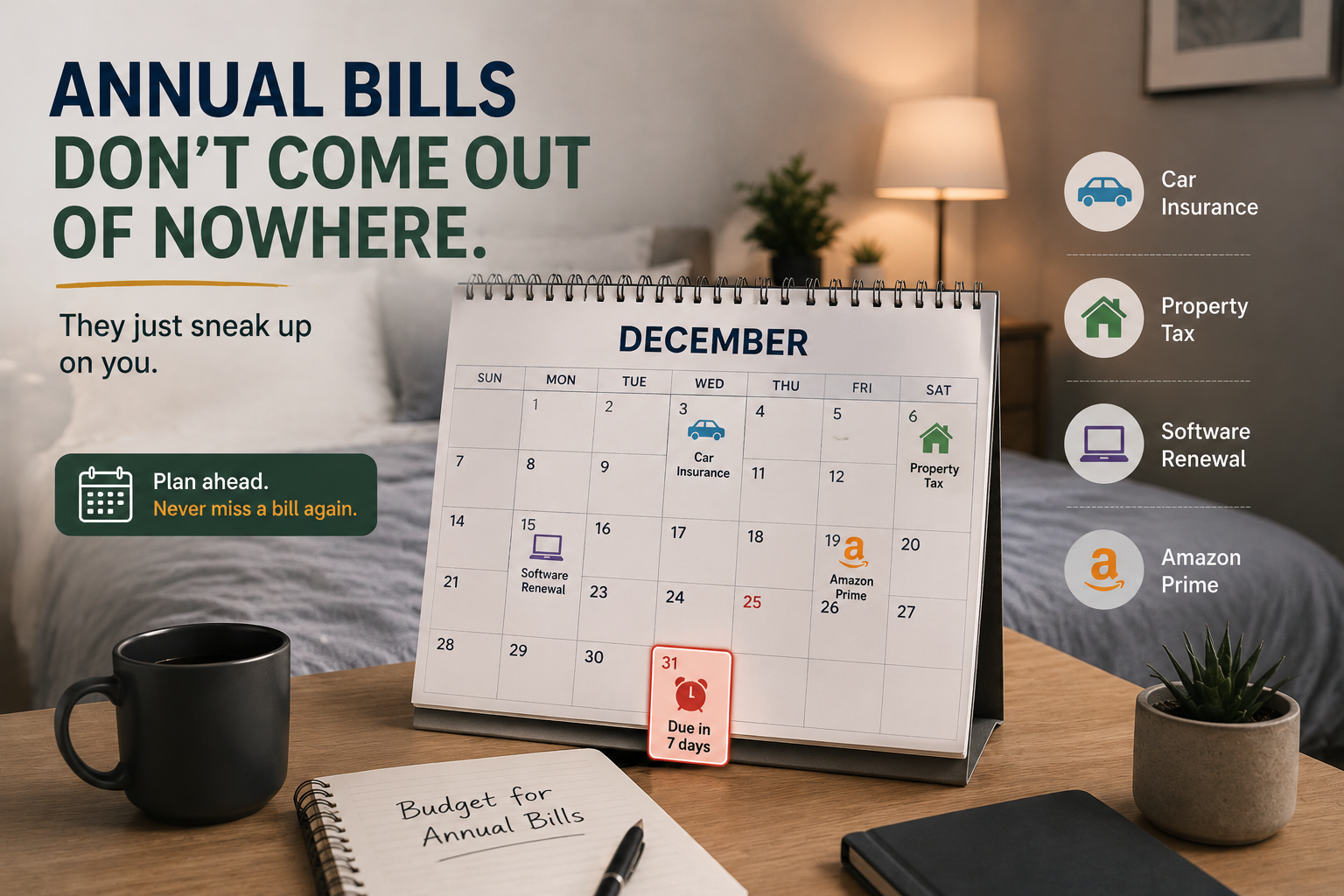
Put the deadline on your calendar.
Step 2: Stop All Non-Essential Spending (Temporarily)
This is a short sprint, not a forever lifestyle.
For 30 days:
Pause eating out
Cancel streaming subscriptions
Avoid impulse purchases
Skip Amazon browsing
Delay non-urgent shopping
This isn’t about deprivation.
It’s about speed.
Even cutting $200–$400 this month moves you closer instantly.
Step 3: Sell Things You Don’t Use
Most homes have hundreds of dollars sitting unused.
Look for:
Old electronics
Clothes in good condition
Furniture
Tools
Unused gift cards
List items on:
Facebook Marketplace
eBay
Local buy/sell groups
You don’t need a side hustle yet. Start with what you already own.
Many people hit $300–$600 just from selling clutter.
Step 4: Pick One Short-Term Income Boost
Instead of trying 10 side hustles, choose one.
Examples:
Overtime hours
Food delivery
Babysitting
Freelance gigs
Pet sitting
Selling baked goods
House cleaning
If you can earn an extra $250 per week for 4 weeks, you’re done.
Temporary intensity = long-term stability.
Step 5: Automate What You Can
If possible:
Set up automatic transfers to a savings account.
Move money the day you get paid.
Money you don’t see is money you don’t spend.
Step 6: Keep It Separate
Your emergency fund should not sit in your main checking account.
Open a separate high-yield savings account.
Out of sight = less temptation.
But still accessible within 1–2 days.
Step 7: Protect It Once You Hit $1,000
This is critical.
Once you reach $1,000:
Stop using credit cards for “minor” emergencies.
Only use this fund for true unexpected events.
Replenish it immediately after using it.
This fund is not for vacations. Not for sales. Not for planned expenses.
It’s your financial shock absorber.
What If You’re Truly Broke?
Start smaller.
First goal: $100
Next: $500
Then: $1,000
Progress builds confidence.
Confidence builds discipline.
Discipline builds stability.
A Realistic 30-Day Plan Example
Week 1:
Cut subscriptions: $75
Sell unused items: $200
Reduce dining out: $100 Total: $375
Week 2:
Side hustle earnings: $250 Total: $625
Week 3:
Overtime: $200 Total: $825
Week 4:
Extra shift or gig: $200 Final: $1,025
Done in one month.
Why This Changes Everything
With $1,000 saved:
You stop panicking over small emergencies.
You stop adding new credit card debt.
You start feeling in control.
That feeling is powerful.
And it often motivates people to keep going.
Next step? Build one month of expenses. Then three.
But it all starts with the first $1,000.
Final Thoughts
Building a $1,000 emergency fund isn’t about income.
It’s about focus.
For 30 days, prioritize stability over comfort.
The peace of mind you gain is worth far more than $1,000.
And once you hit it, you’ll wonder why you didn’t start sooner.