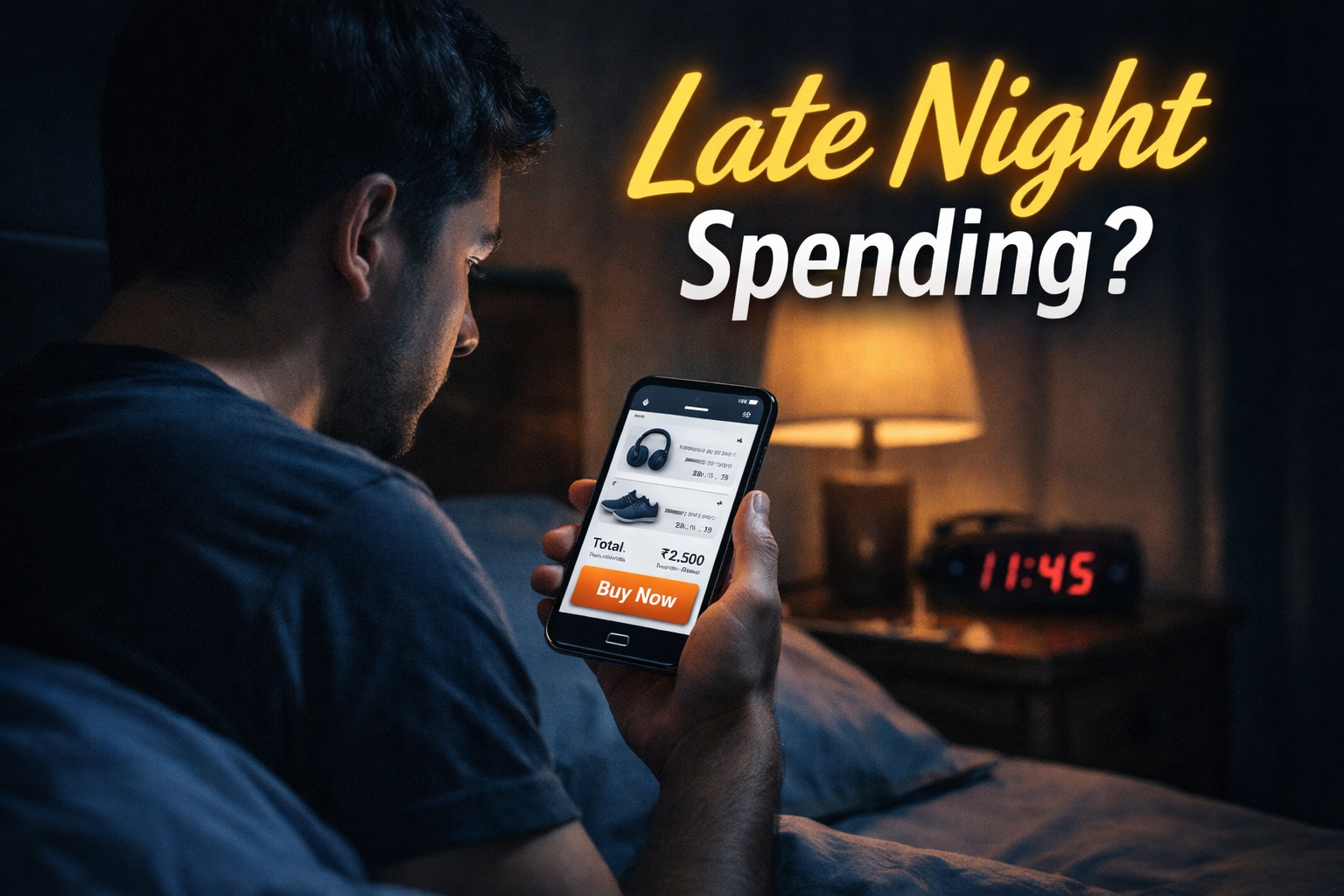
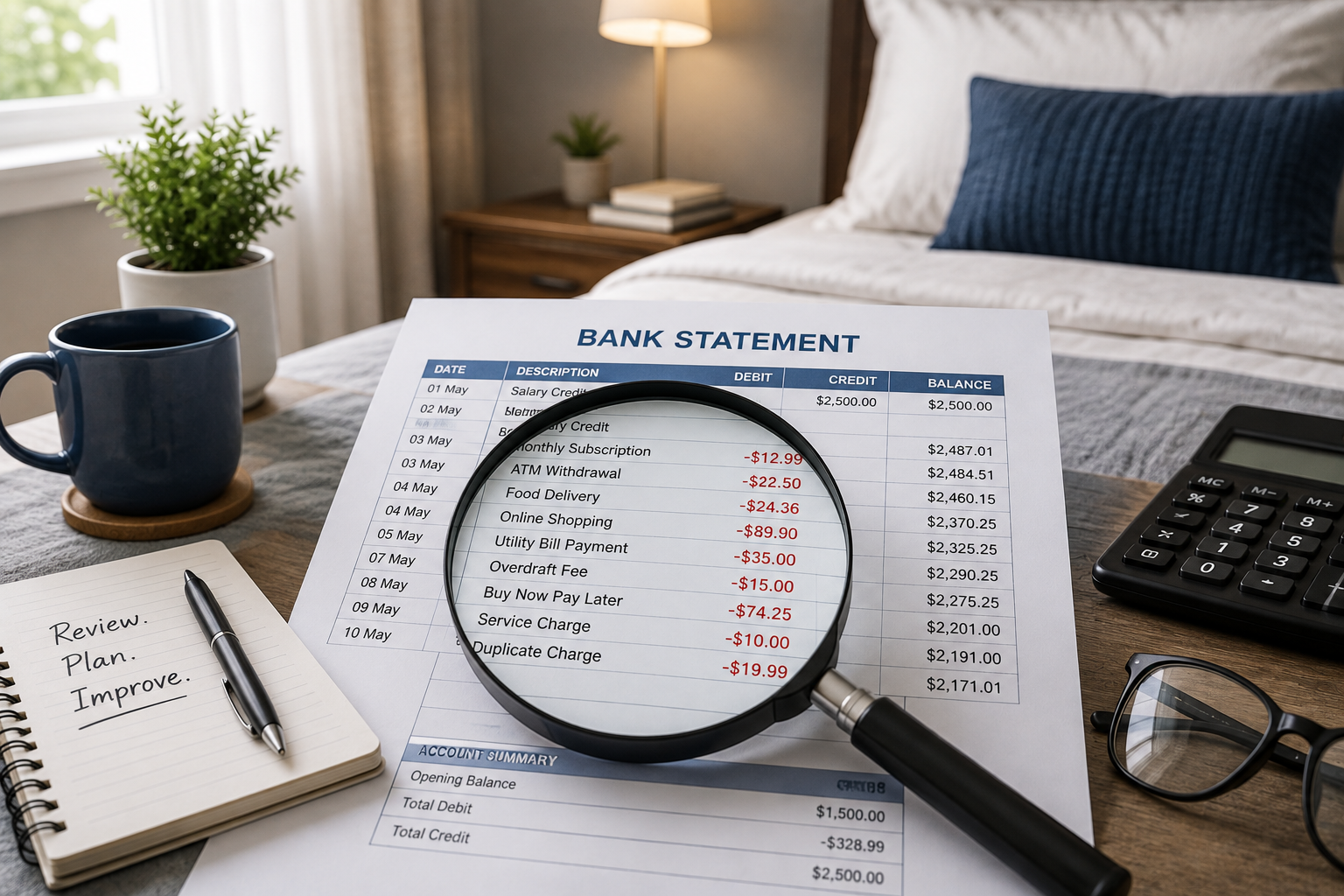
If you’ve ever looked at your bank statement and wondered where your money went, there’s a good chance a lot of it disappeared… at night.
Late-night food orders, impulse online shopping, random subscriptions — spending tends to spike after the sun goes down. And the worst part? Most of it doesn’t even feel intentional.
This isn’t just bad discipline. There are real reasons why your spending habits change at night — and once you understand them, they become much easier to control.
Why Nighttime Spending Is So Common
Spending more at night isn’t random — it’s behavioral.
After a long day, your brain is tired. Decision-making becomes weaker, and you’re more likely to choose convenience, comfort, or instant gratification over long-term thinking.
That’s when “I’ll just order food” or “let me quickly buy this” turns into a habit.
1. Decision Fatigue Kicks In
Throughout the day, you make hundreds of decisions — work, conversations, responsibilities.
By night, your mental energy is low.
This leads to:
More impulsive purchases
Less price comparison
Less concern about budgeting
You’re simply more likely to take the easy option.
2. Convenience Becomes More Attractive
At night, effort feels expensive.
Cooking? Too much work. Going out? Too tiring.
So you choose:
Food delivery
Quick purchases
One-click orders
Convenience wins — even if it costs more.
3. Emotional Spending Peaks at Night
Nighttime is when people relax — but it’s also when emotions surface.
Stress, boredom, or even just wanting a reward after a long day can lead to spending.
Common triggers:
“I deserve this” mindset
Stress relief spending
Bored scrolling → buying
4. Online Shopping Is Always One Click Away
Most late-night spending happens on your phone.
E-commerce apps
Food delivery apps
Quick payment systems
There’s no friction. No pause. No time to rethink.
That makes it incredibly easy to spend without noticing.
5. Small Purchases Don’t Feel Important
At night, spending often feels small:
₹200 on food
₹150 on snacks
₹300 on something online
But over time, these add up quickly — especially when they become a daily habit.
How to Stop Spending More at Night
You don’t need extreme discipline — just a few smart adjustments.
1. Set a “No-Spend Time”
Create a simple rule:
No spending after a certain time (e.g., 9 PM)
This alone can cut a large portion of impulsive purchases.
2. Add Friction to Spending
Make it harder to buy things:
Remove saved cards
Log out of shopping apps
Disable one-click payments
Even small friction can reduce impulse buying.
3. Plan Your Evenings Better
Many people spend because they don’t have a plan.
Instead:
Prepare meals in advance
Decide dinner earlier
Set a routine
Less decision-making = less impulsive spending.
4. Replace the Habit
Instead of: scrolling → spending
Try:
Watching something
Reading
Going for a walk
Break the pattern, not just the spending.
5. Track Your Night Spending
This is where things become clear.
When you track how much you spend specifically at night, the pattern becomes obvious — and easier to control.
Using a monthly budget calculator can help you identify how much of your expenses come from these small, repeated habits.
Final Thoughts
Spending more at night isn’t a personal failure — it’s a pattern driven by fatigue, convenience, and habit.
But once you recognize it, you can take simple steps to control it.
Because sometimes, fixing your finances isn’t about earning more — it’s about understanding when and why you spend.