Weekends are supposed to be a break from work — but for your wallet, they often become the most expensive part of the week.
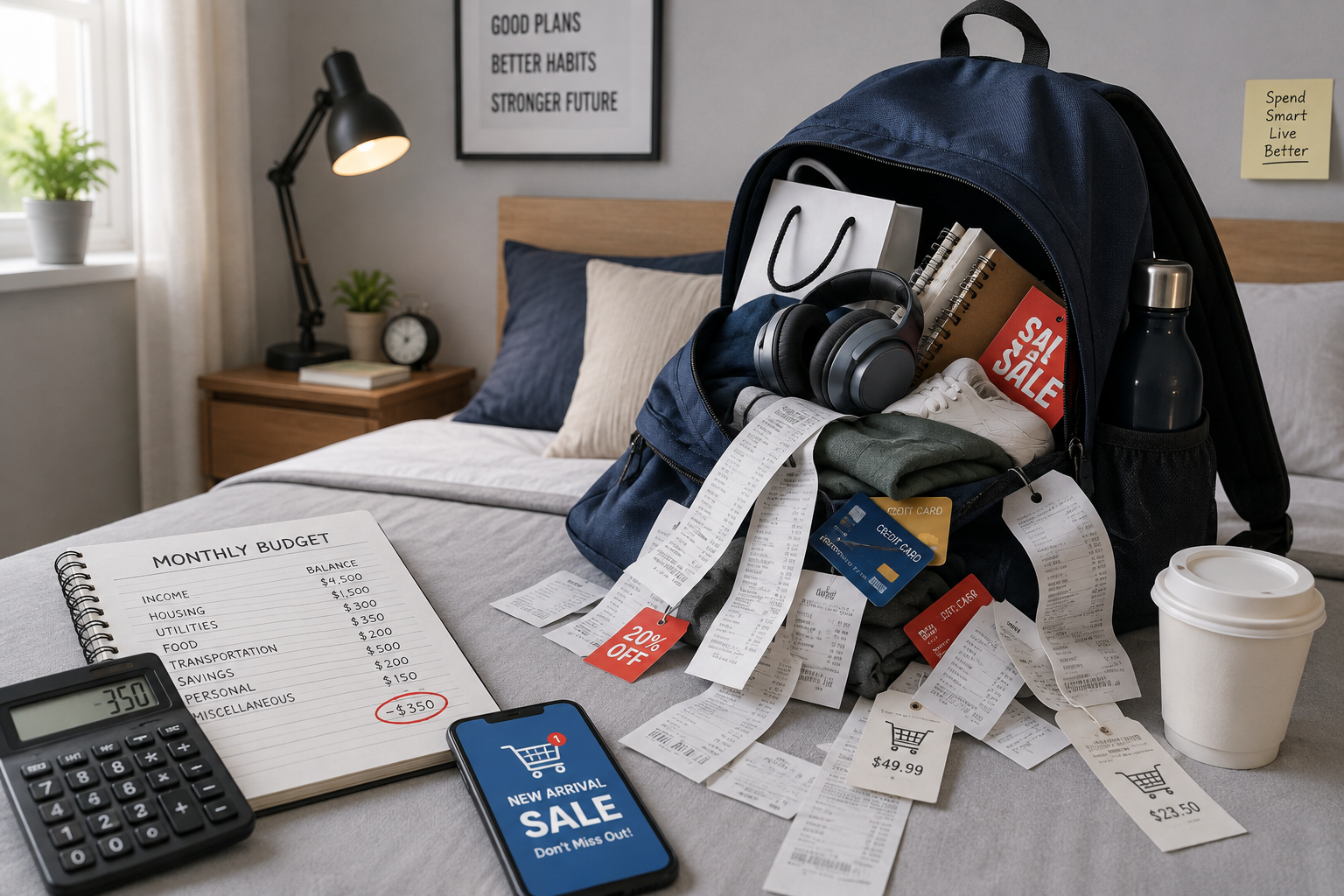
From eating out and shopping to spontaneous plans and “just this once” spending, weekends have a way of quietly increasing your expenses without you even noticing.
And the tricky part? It doesn’t feel like overspending in the moment.
Why Weekends Cost More Than You Think
Weekend spending isn’t random — it follows patterns.
During the week, your routine keeps spending predictable. But once the weekend starts, structure disappears… and spending fills the gap.
1. You Spend More for “Fun”
Weekends are associated with relaxation and enjoyment.
So naturally, spending shifts toward:
Eating out
Movies and entertainment
Shopping
Short trips
None of these feel like “bad decisions,” but together they can significantly increase your weekly spending.
2. The “I Deserve This” Mindset
After a long week, it’s easy to justify spending.
“I worked hard, I deserve this.”
This mindset leads to:
Extra meals outside
Impulse purchases
Upgrading plans (from simple to expensive)
It’s not one big expense — it’s multiple small upgrades.
3. Social Spending Adds Up Fast
Weekends are when people meet.
Dining with friends
Group outings
Events and activities
Even if you try to keep costs low, social situations often lead to spending more than planned.
4. Lack of Routine = More Decisions
During weekdays:
You follow a schedule
Meals are predictable
Spending is limited
On weekends:
You decide everything in real time
More decisions = more chances to spend.
5. Small Expenses Multiply Quickly
Weekend spending often comes in small chunks:
Coffee
Snacks
Transport
Dinner
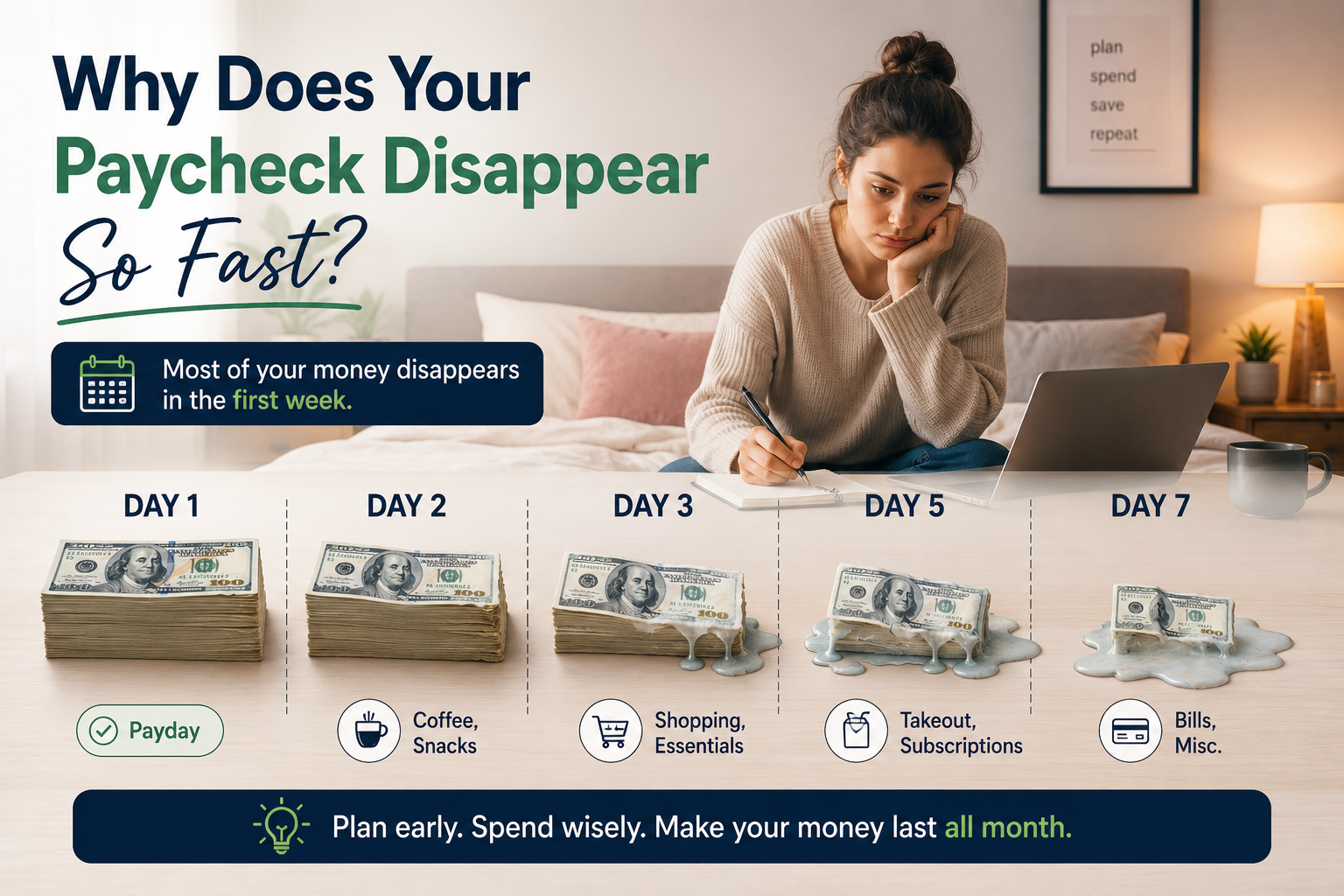
Individually, these don’t feel like much. But together, they can easily cross your weekly budget.
How to Fix Weekend Overspending
You don’t need to stop enjoying your weekends — just manage them better.
1. Set a Weekend Budget
Instead of restricting every expense, decide:
“This is how much I’ll spend this weekend”
This gives you freedom within limits.
2. Plan Your Weekend in Advance
Unplanned time often leads to unplanned spending.
Try:
Planning meals
Deciding activities beforehand
Setting expectations
A little planning reduces impulse decisions.
3. Limit Eating Out
Eating out is usually the biggest weekend expense.
Simple fixes:
Eat out once instead of multiple times
Mix home-cooked meals with outside food
4. Suggest Budget-Friendly Plans
Social spending doesn’t always have to be expensive.
Instead of:
Expensive restaurants
Try:
Home gatherings
Walks, cafés, or simple meetups
5. Track Weekend Spending Separately
Most people track monthly expenses but ignore patterns.
If you isolate weekend spending, you’ll quickly see:
How much of your money goes just in 2 days
Using a monthly budget calculator can help you break down your expenses and understand where your money is actually going.
6. Avoid “Upgrade Decisions”
Watch out for moments where you upgrade:
Regular meal → fancy meal
Simple plan → expensive outing
These small upgrades are where most extra money goes.
Final Thoughts
Weekends aren’t expensive because of one big decision — they’re expensive because of multiple small ones stacked together.
The goal isn’t to cut out fun, but to become more intentional about how you spend during those two days.
Because when you control your weekends, you often fix a large part of your overall budget.