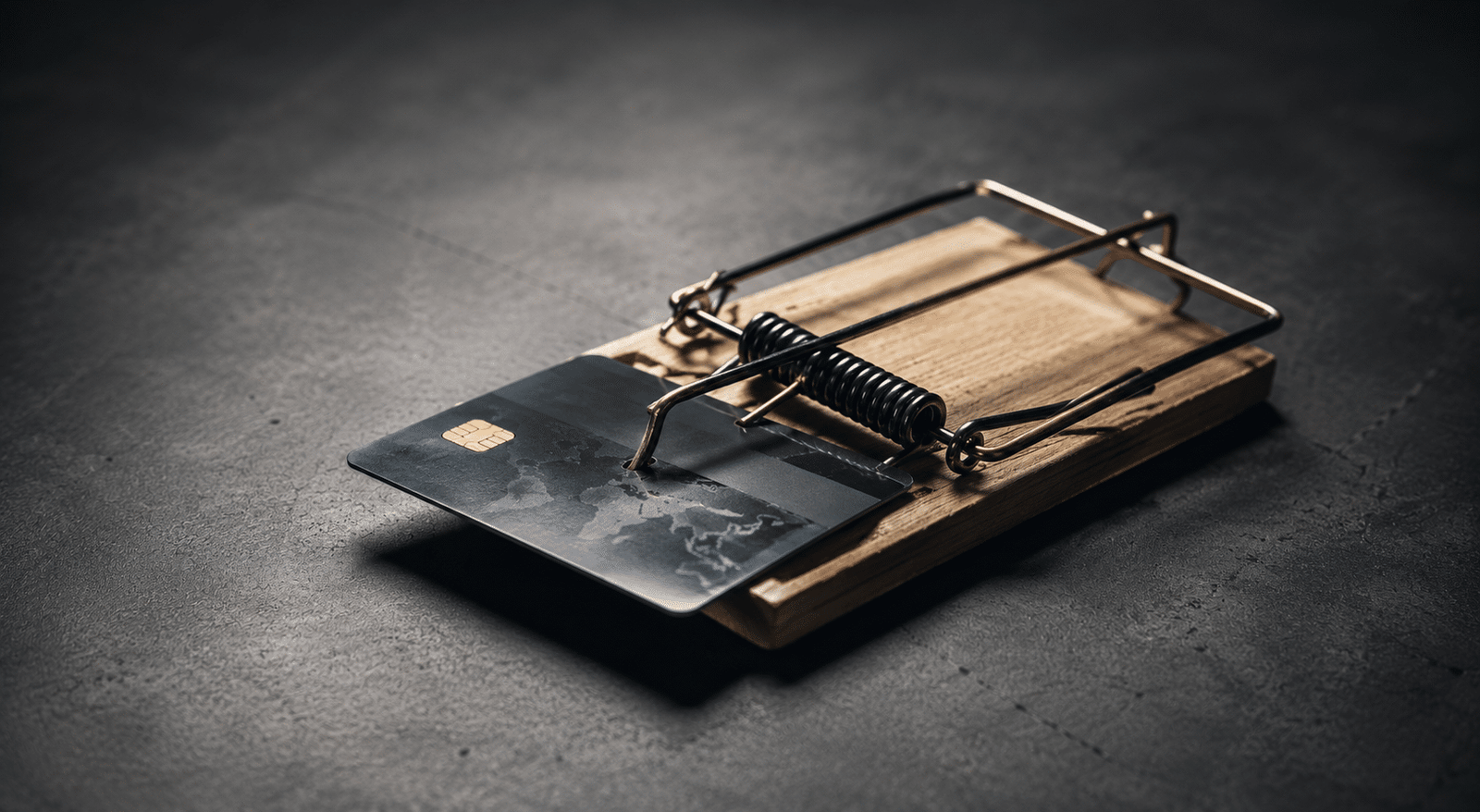
Using a credit card feels harmless in the moment. It’s fast, convenient, and doesn’t immediately affect your bank account. That’s exactly why so many Americans quietly fall into the credit card trap without realizing it.
It usually starts with something small:
“I’ll just use my credit card for takeout.”
“I’ll pay it off next paycheck.”
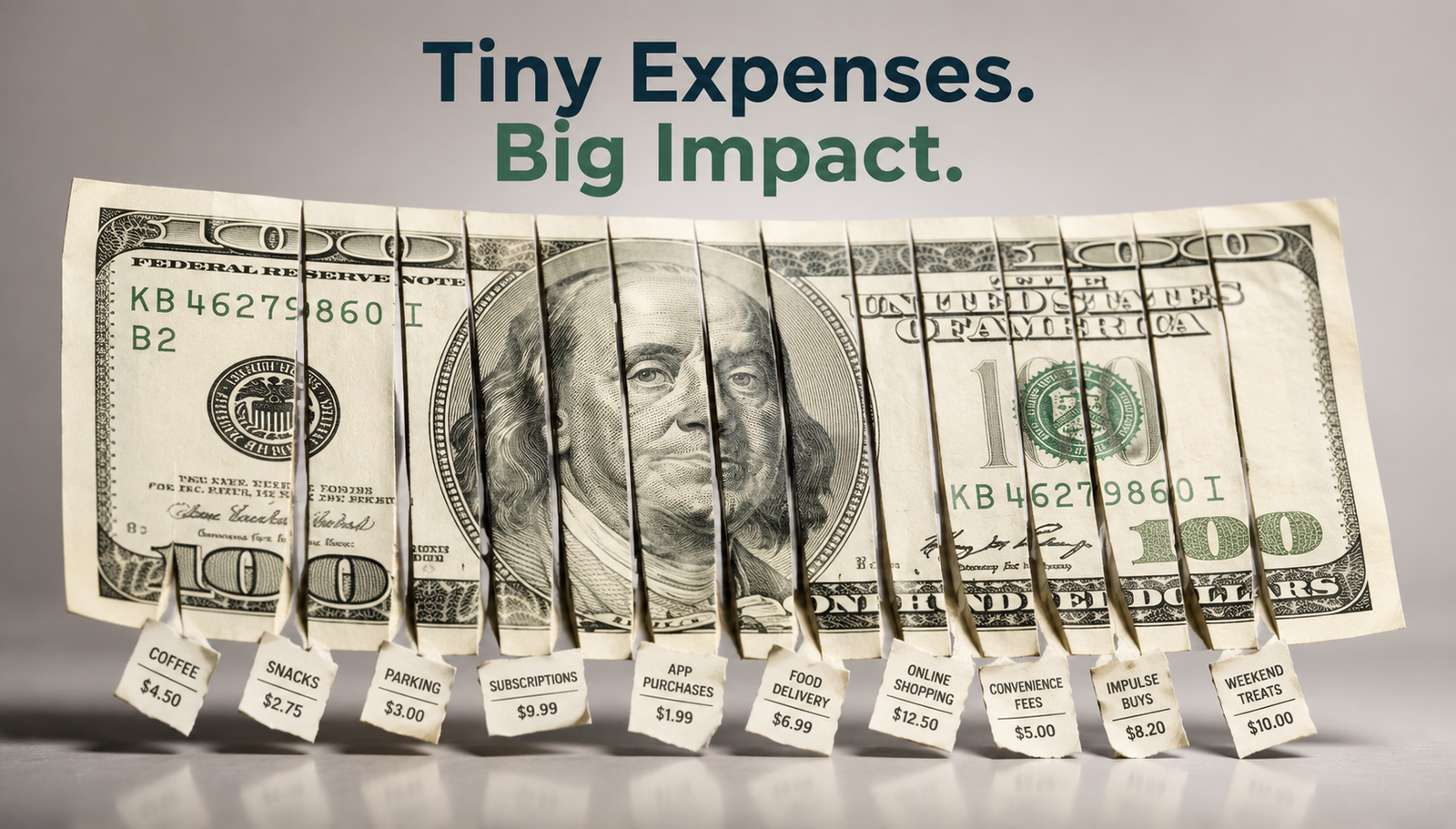
“It’s only $40.”
Then another charge happens. Then another. Suddenly, the balance grows faster than expected, interest kicks in, and the card becomes less of a convenience tool and more of a financial survival mechanism.
The scary part? Most people don’t notice they’re stuck in the credit card trap until the monthly payment starts feeling impossible.
Why the Credit Card Trap Feels So Normal
One reason the credit card trap is so common in the United States is because credit cards are deeply built into everyday life. Americans use them for groceries, subscriptions, gas, emergencies, online shopping, vacations, and even basic bills.
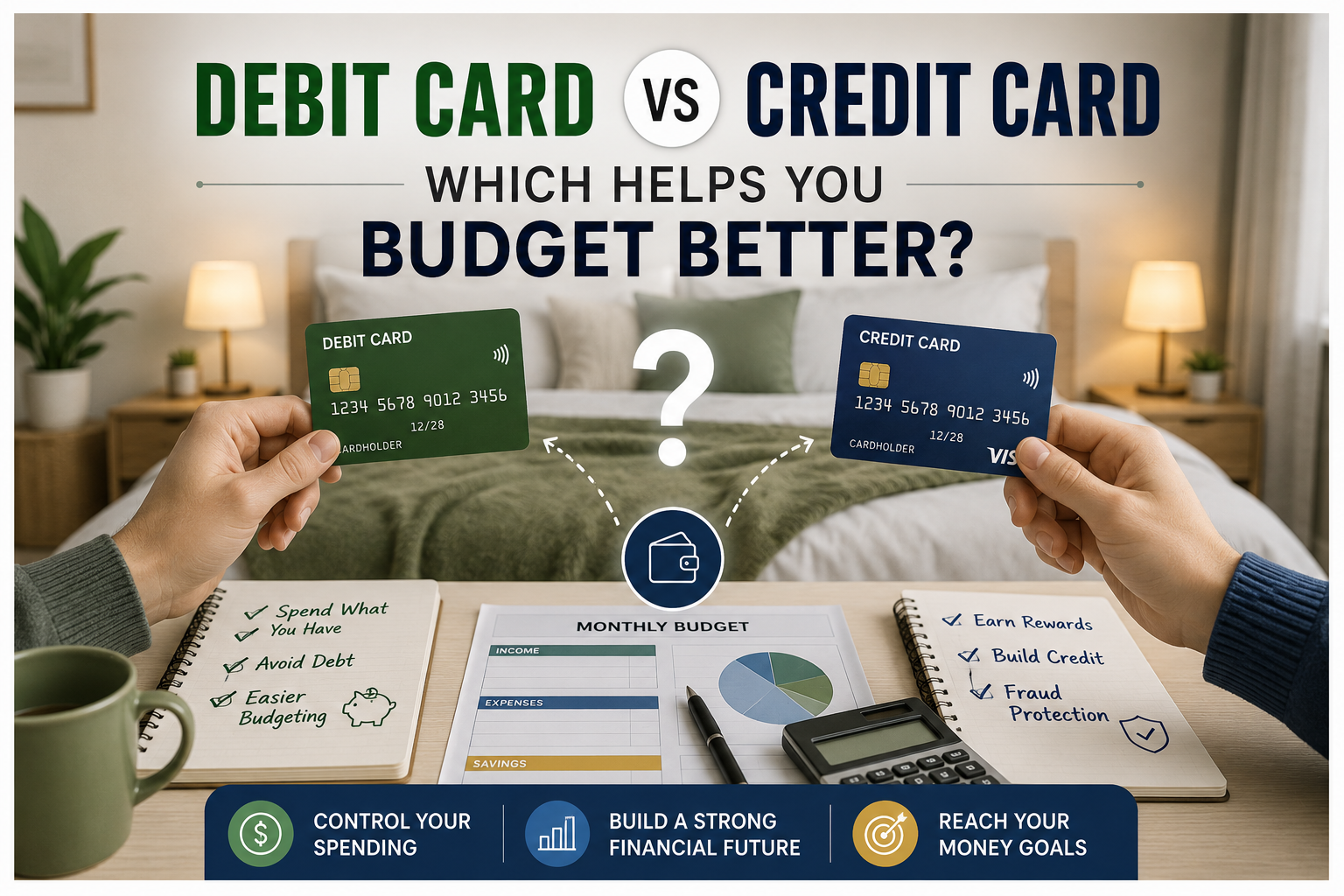
Unlike cash or debit cards, credit cards disconnect spending from immediate consequences. You swipe now and worry later. That delay tricks your brain into treating purchases like they cost less than they actually do.
Research has consistently shown that people tend to spend more when using credit cards compared to cash. The transaction feels less painful because the money doesn’t visibly leave your account right away.
That’s where the trap begins.
The “I’ll Pay It Off Later” Mindset
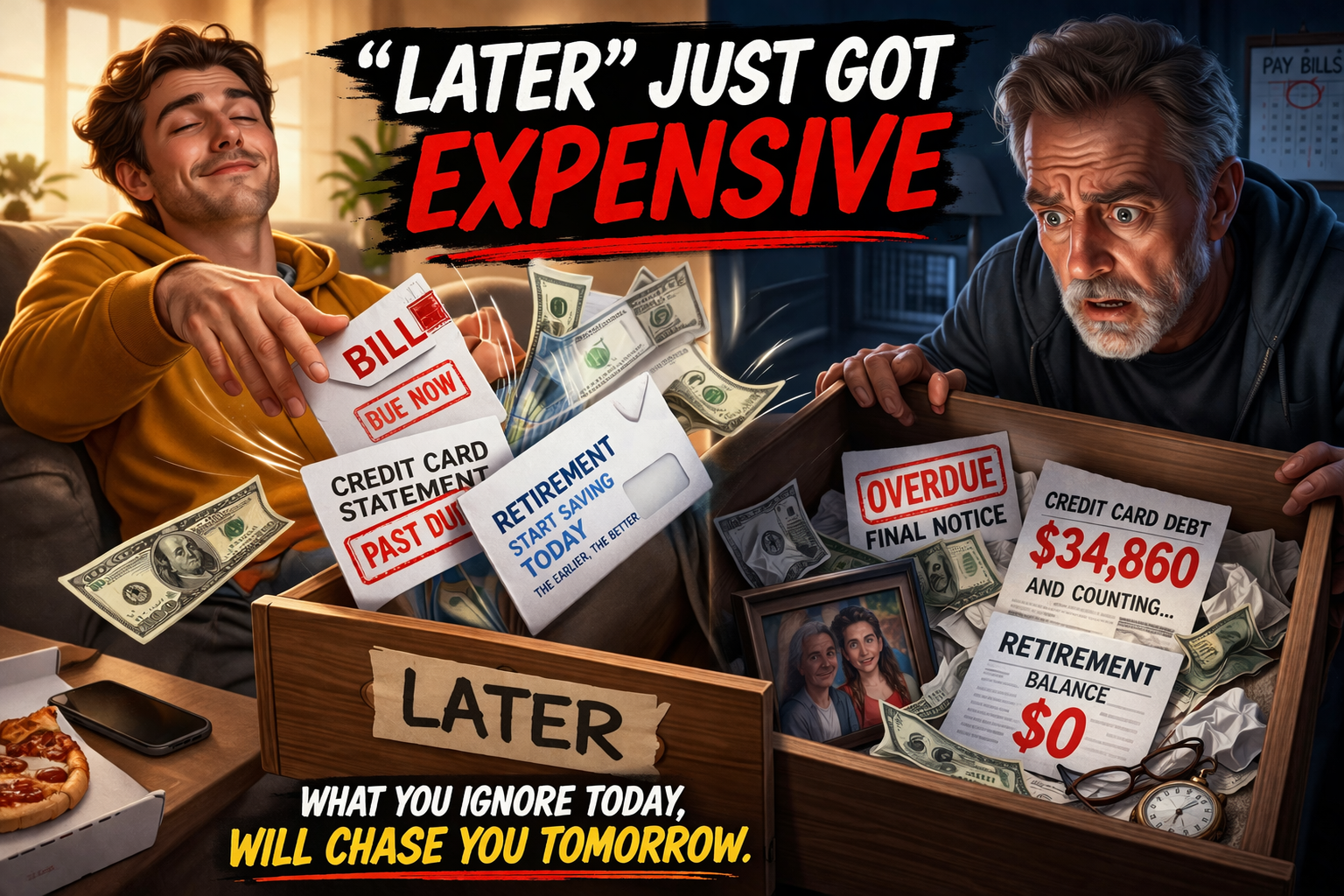
Most people don’t intentionally go into debt. The credit card trap usually grows from optimism.
You assume:
next month will be cheaper,
your paycheck will stretch further,
or you’ll suddenly become more disciplined.
But real life gets in the way.
Unexpected expenses show up. Inflation keeps prices high. A car repair, medical bill, birthday dinner, or weekend trip gets added to the balance. Before long, the card stops being a backup plan and becomes part of your normal monthly budget.
That’s when minimum payments start taking over.
How Minimum Payments Keep People Stuck
Credit card companies make minimum payments look manageable on purpose.
Seeing a $35 minimum payment on a $2,000 balance feels psychologically comforting. But what many people don’t realize is that interest keeps piling up behind the scenes.
With average credit card APRs in the United States remaining extremely high, carrying balances month after month can become incredibly expensive. A few impulse purchases can quietly turn into years of payments.
This is one of the biggest reasons the credit card trap becomes hard to escape.
Lifestyle Inflation Makes It Worse
Another major cause of the credit card trap is lifestyle inflation.
As income increases, spending usually increases too. People upgrade phones, apartments, streaming subscriptions, restaurants, vacations, and shopping habits. Credit cards make these upgrades feel affordable because the full financial impact isn’t immediate.
The problem is that many Americans build lifestyles based on future income instead of current cash flow.
That gap often gets filled with credit card debt.
Emotional Spending and Credit Cards
Credit cards also make emotional spending dangerously easy.
Stress, boredom, anxiety, loneliness, and burnout can all trigger spending habits. Online shopping only takes a few clicks, and credit cards remove the friction that might normally stop someone from buying unnecessary things.
Individually, those purchases may seem harmless. Together, they create a cycle that fuels the credit card trap.
Signs You’re Falling Into the Credit Card Trap
Here are some warning signs many people ignore:
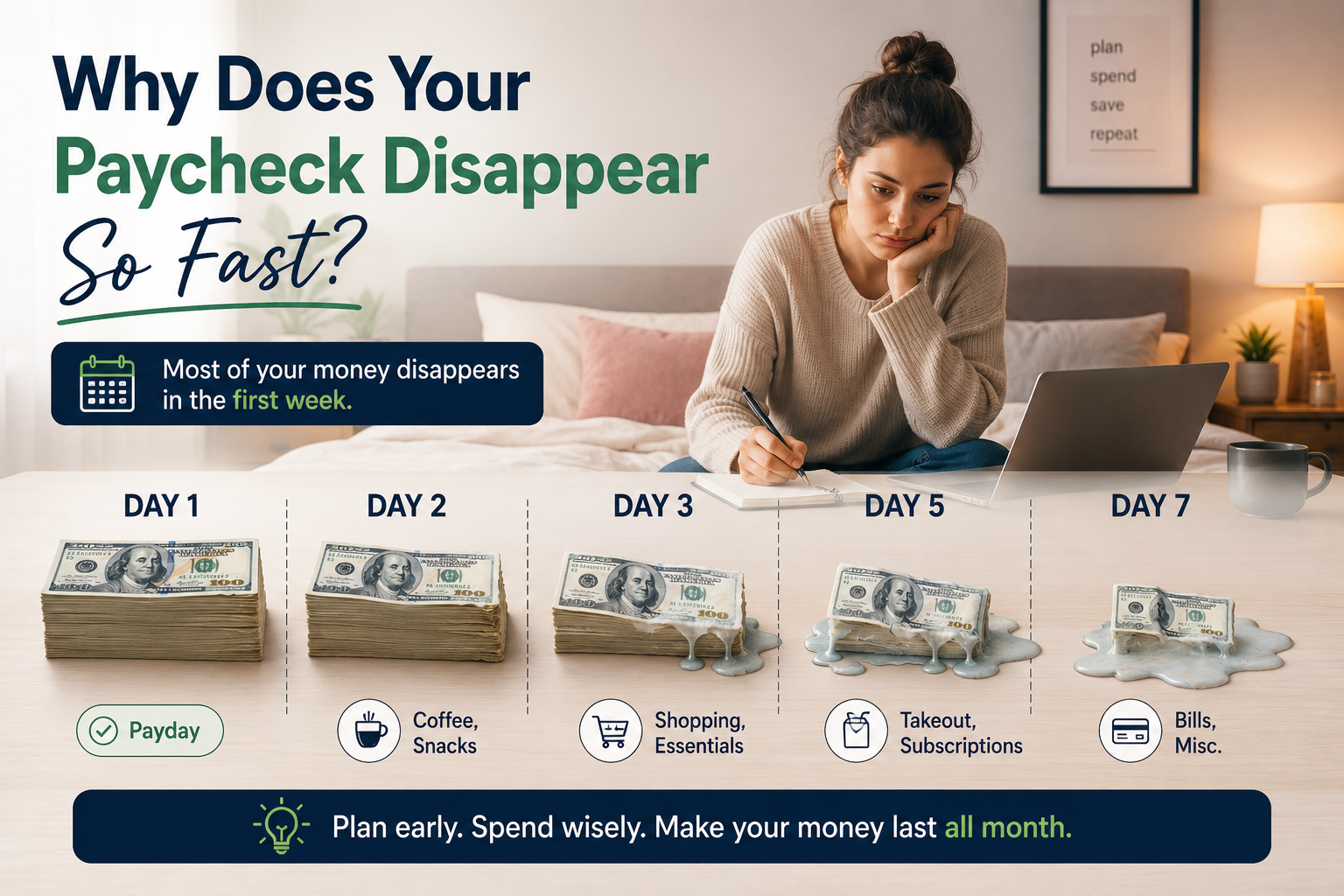
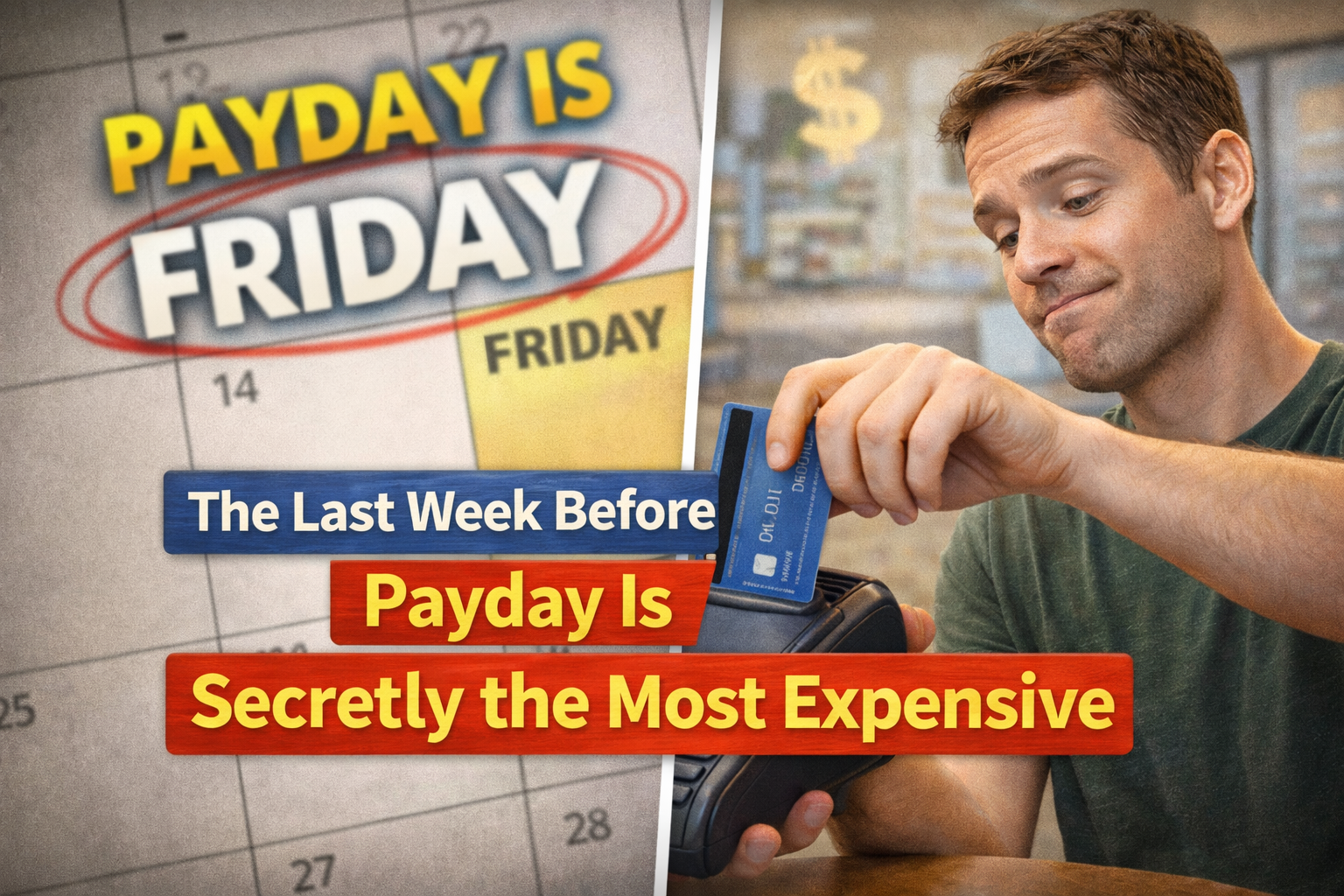
You rely on your credit card before payday.
You avoid checking your balance.
You can only afford the minimum payment.
Your balance keeps growing every month.
You use one card to pay off another expense.
You feel temporary relief after swiping your card.
You justify non-essential purchases because they seem “small.”
If several of these sound familiar, the credit card trap may already be affecting your finances.
How to Escape the Credit Card Trap
The good news is that the credit card trap can be reversed with small but consistent changes.
1. Track Every Credit Card Purchase
Most people underestimate how often they swipe their card. Tracking purchases creates awareness immediately.
2. Stop Treating Credit as Extra Income
A credit limit is not free money. It’s borrowed money with interest attached.
3. Focus on High-Interest Debt First
Paying down high-interest balances aggressively can save huge amounts over time.
4. Create a Realistic Monthly Budget
A proper monthly budget helps you see where your money is actually going instead of guessing.
5. Build a Small Emergency Fund
Even saving a few hundred dollars can reduce dependence on credit cards during emergencies.
6. Remove Stored Credit Cards From Shopping Apps
Adding friction to spending can reduce impulse purchases dramatically.
Final Thoughts
The credit card trap rarely starts with reckless spending. More often, it starts with convenience, optimism, and small financial shortcuts that slowly become habits.
In a world filled with subscriptions, instant delivery apps, rising living costs, and endless online shopping temptations, it’s incredibly easy for Americans to normalize credit card debt.
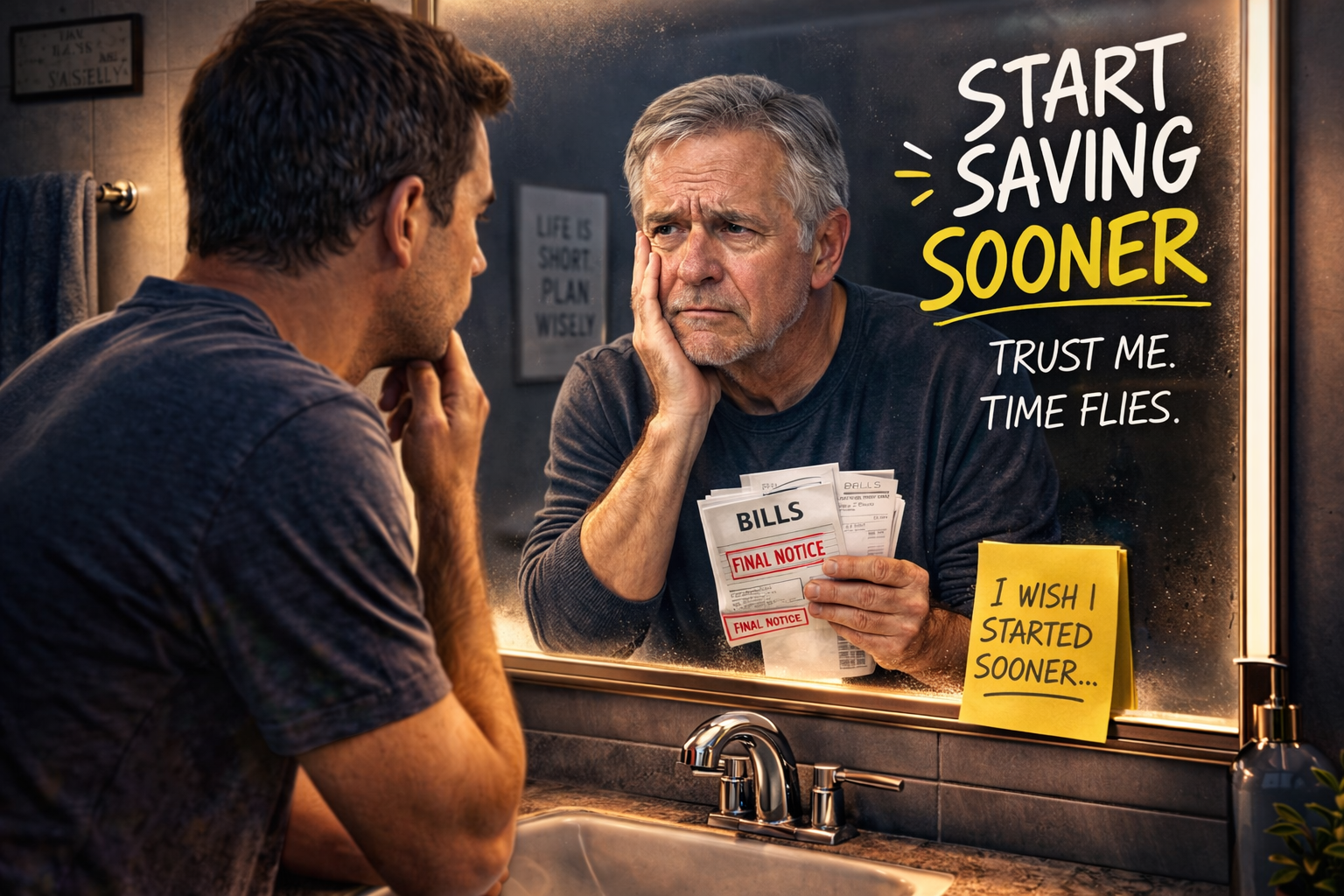
But recognizing the trap is the first step toward escaping it.
A credit card can be a useful financial tool when managed carefully. The problem begins when “I’ll just use my credit card” turns into a lifestyle instead of a temporary solution.