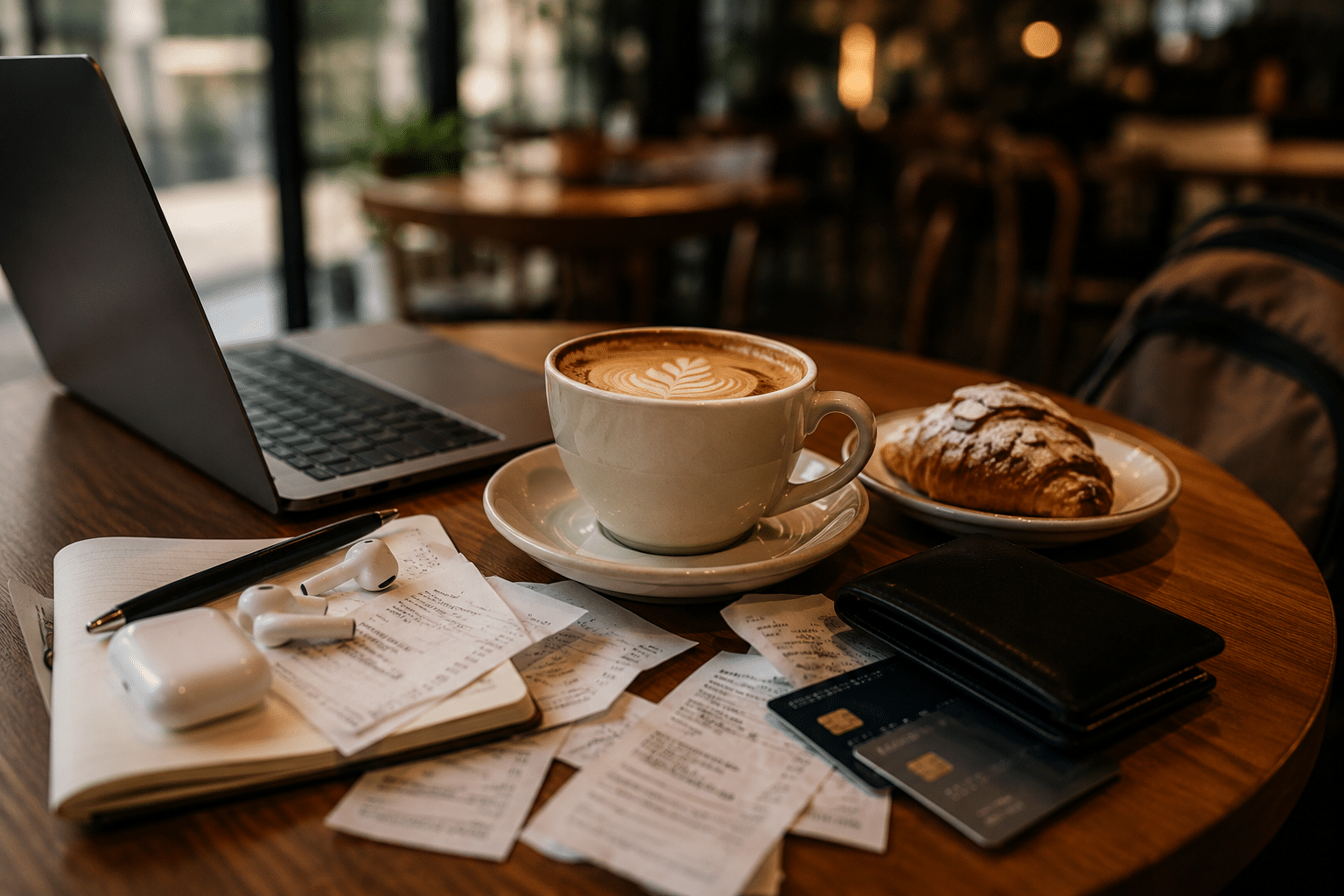
Working from cafes feels productive, aesthetic, and surprisingly comforting.
You grab your laptop, order an overpriced latte, put on headphones, and suddenly feel like the main character in a productivity documentary.
For remote workers, freelancers, students, and creators across the United States, coffee shops have become unofficial offices.
But beneath the cozy atmosphere and “productive” vibe lies a hidden financial problem many people ignore: the real cost of working from cafes.
Because it’s usually not just the coffee.
Why Working From Cafes Feels So Addictive
There’s a reason people keep returning to cafes to work.
Coffee shops create an environment that feels:
social but not distracting,
relaxing but stimulating,
and productive without feeling isolating.
For many Americans working remotely, cafes also provide an escape from:
noisy apartments,
loneliness,
boring home offices,
or the mental exhaustion of staying indoors all day.
The environment itself becomes emotionally rewarding.
That’s why the real cost of working from cafes is often ignored — the spending feels justified because it’s attached to productivity.
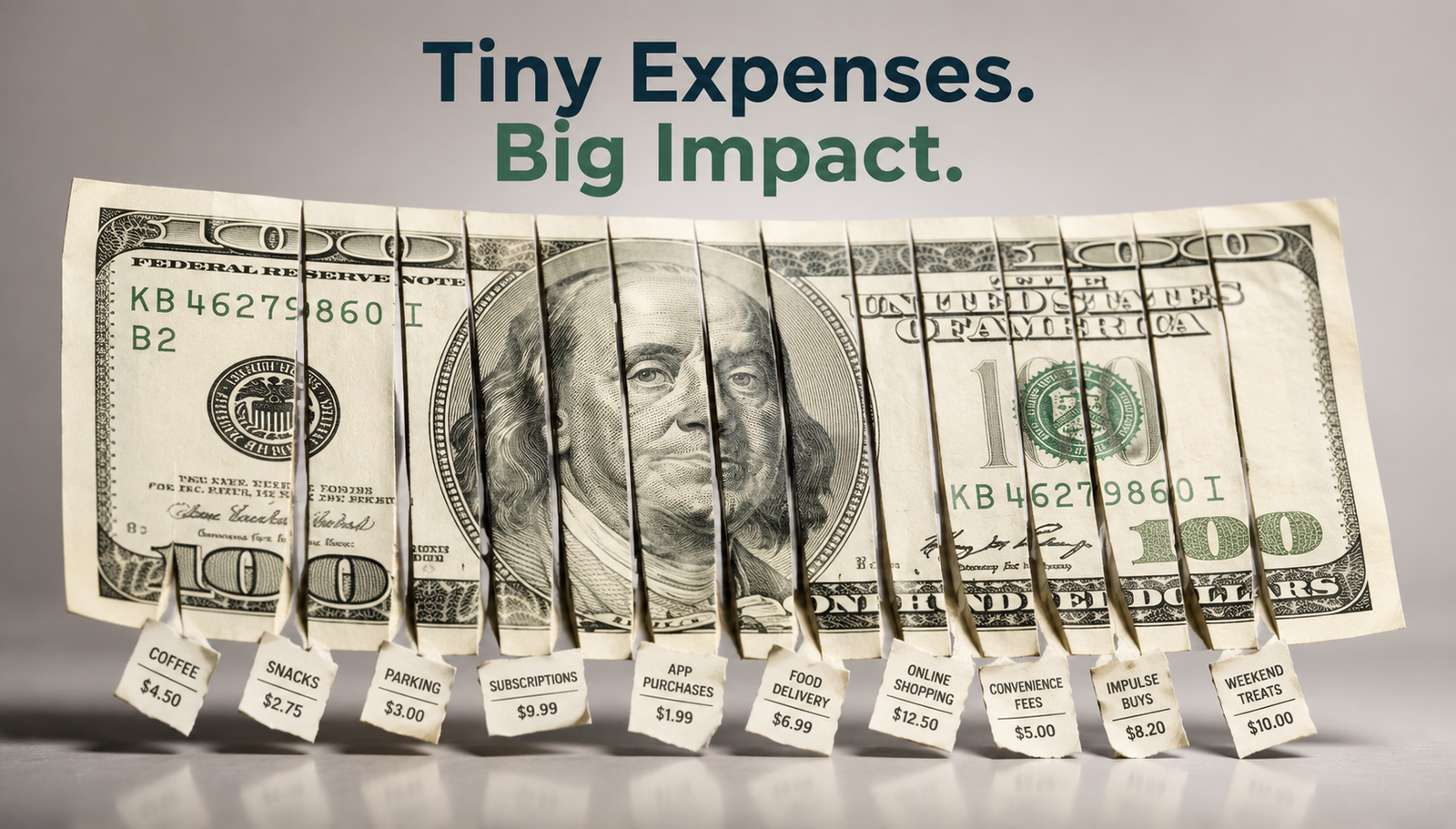
The “Small Purchase” Illusion
Most people don’t think much about spending:
$6 on coffee,
$4 on pastries,
or $12 on lunch.
It feels minor in the moment.
But cafe workdays rarely involve just one purchase. Many people stay for hours and continue ordering:
drinks,
snacks,
meals,
bottled water,
or delivery afterward.
Over time, those “small” expenses quietly become part of a lifestyle.
That’s where the real cost of working from cafes starts adding up.
The Monthly Cost Adds Up Fast
Let’s say someone works from a cafe:
4 days per week,
spending around $18 per visit between drinks and food.
That’s roughly:
18×4×4=288
Nearly $300 per month.
And for many Americans in major cities, the actual number is much higher.
Add:
parking,
tips,
gas,
coworking-style cafes,
premium coffee shops,
or impulse shopping nearby,
and the yearly total becomes surprisingly expensive.
The real cost of working from cafes can quietly rival utility bills or even small car payments.
Productivity Spending Is Still Spending
One of the biggest psychological traps behind cafe spending is the belief that purchases are “investments” in productivity.
People often justify expenses by saying:
“I work better here.”
“I needed to get out of the house.”
“This helps my creativity.”
“I’m supporting local businesses.”
And sometimes those things are true.
But many people underestimate how easily productivity spending becomes emotional spending.
The cafe becomes less about work and more about maintaining a certain lifestyle identity.
Social Media Romanticized the Cafe Work Lifestyle
Modern remote work culture heavily glamorizes cafe productivity.
Social media is filled with:
aesthetic desk setups,
latte art,
expensive MacBooks,
minimalist notebooks,
and “day in my life” cafe routines.
What people rarely show is the financial side.
For many Americans, trying to maintain that lifestyle consistently creates unnecessary spending pressure.
The real cost of working from cafes is partly financial and partly psychological.
Convenience Spending Starts Snowballing
Working from cafes also creates secondary spending habits.
Once people are already out:
they order delivery later,
stop for shopping,
buy snacks,
use rideshares,
or treat themselves more often.
Being outside the home naturally increases spending opportunities.
That’s why many remote workers accidentally spend far more on cafe days than home-office days.
Signs the Cafe Lifestyle Is Hurting Your Budget
Here are some common warning signs:
You spend more on coffee than groceries some weeks.
Cafe purchases barely feel “real” anymore.
You justify expensive food because you worked hard.
You struggle to work without buying coffee first.
Your monthly spending is higher than expected.
You don’t track small daily purchases.
Cafe trips have become part of your identity.
If several of these sound familiar, the real cost of working from cafes may already be affecting your finances.
How to Reduce the Real Cost of Working From Cafes
The solution isn’t necessarily to stop going completely.
It’s about making the habit intentional instead of automatic.
1. Set a Weekly Cafe Budget
Giving yourself a spending limit creates awareness immediately.
2. Reduce Frequency
Even cutting cafe visits from 5 days to 2 days weekly can save hundreds monthly.
3. Bring Your Own Snacks
Food purchases often cost more than the coffee itself.
4. Use Cafes Strategically
Reserve cafe workdays for:
creative tasks,
meetings,
or days when you truly need a change of environment.
5. Track “Productivity Spending”
Many people underestimate how much they spend trying to feel productive.
6. Create a Better Home Workspace
Sometimes improving your home setup once is cheaper than constantly paying for atmosphere elsewhere.
Final Thoughts
The real cost of working from cafes goes far beyond coffee.
For many Americans, it becomes a quiet lifestyle expense hidden behind productivity, routine, and social media aesthetics.
There’s nothing wrong with enjoying a coffee shop occasionally. The problem starts when daily cafe spending becomes normalized without understanding the long-term financial impact.
Because sometimes the most expensive office is the one with oat milk lattes and free Wi-Fi.