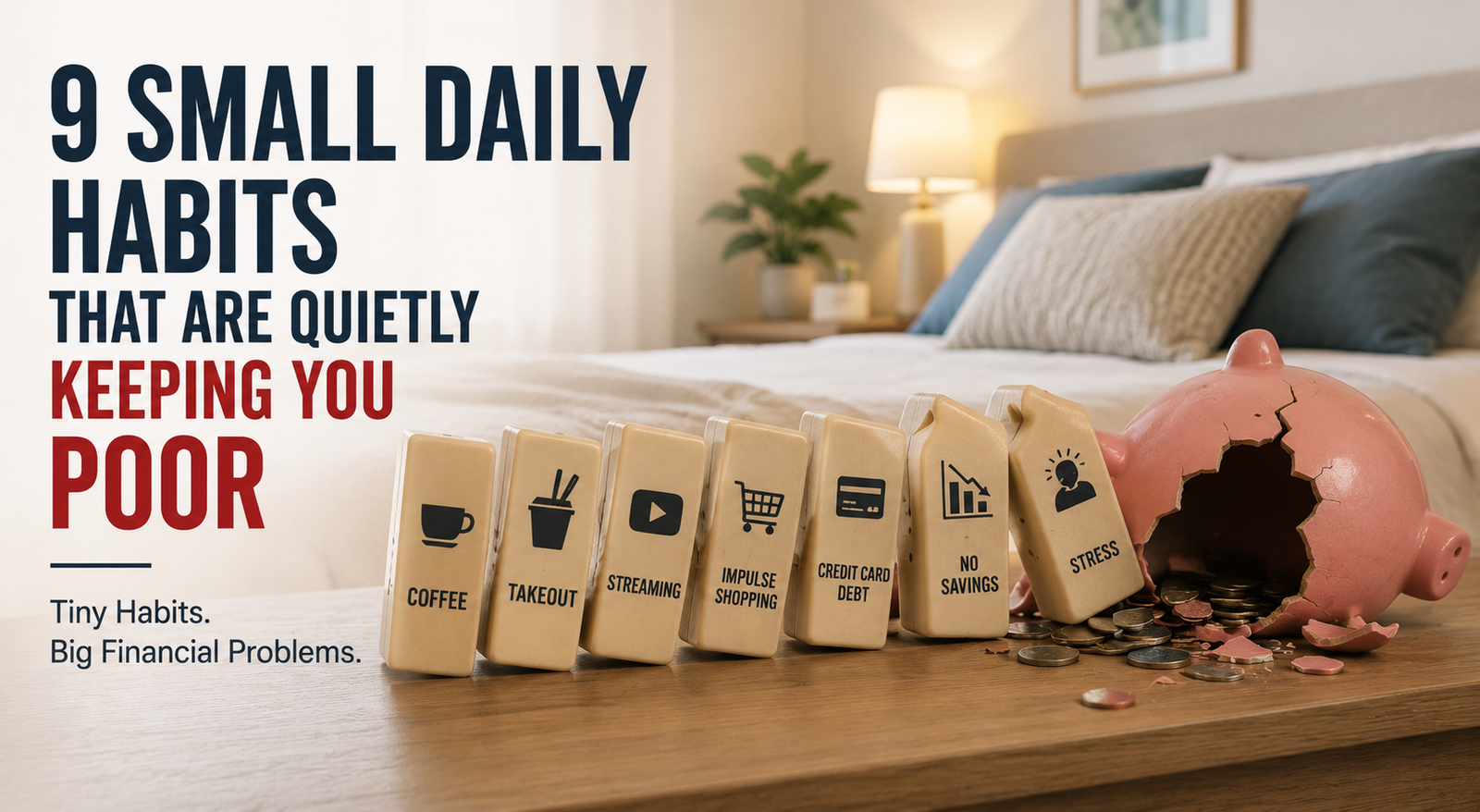
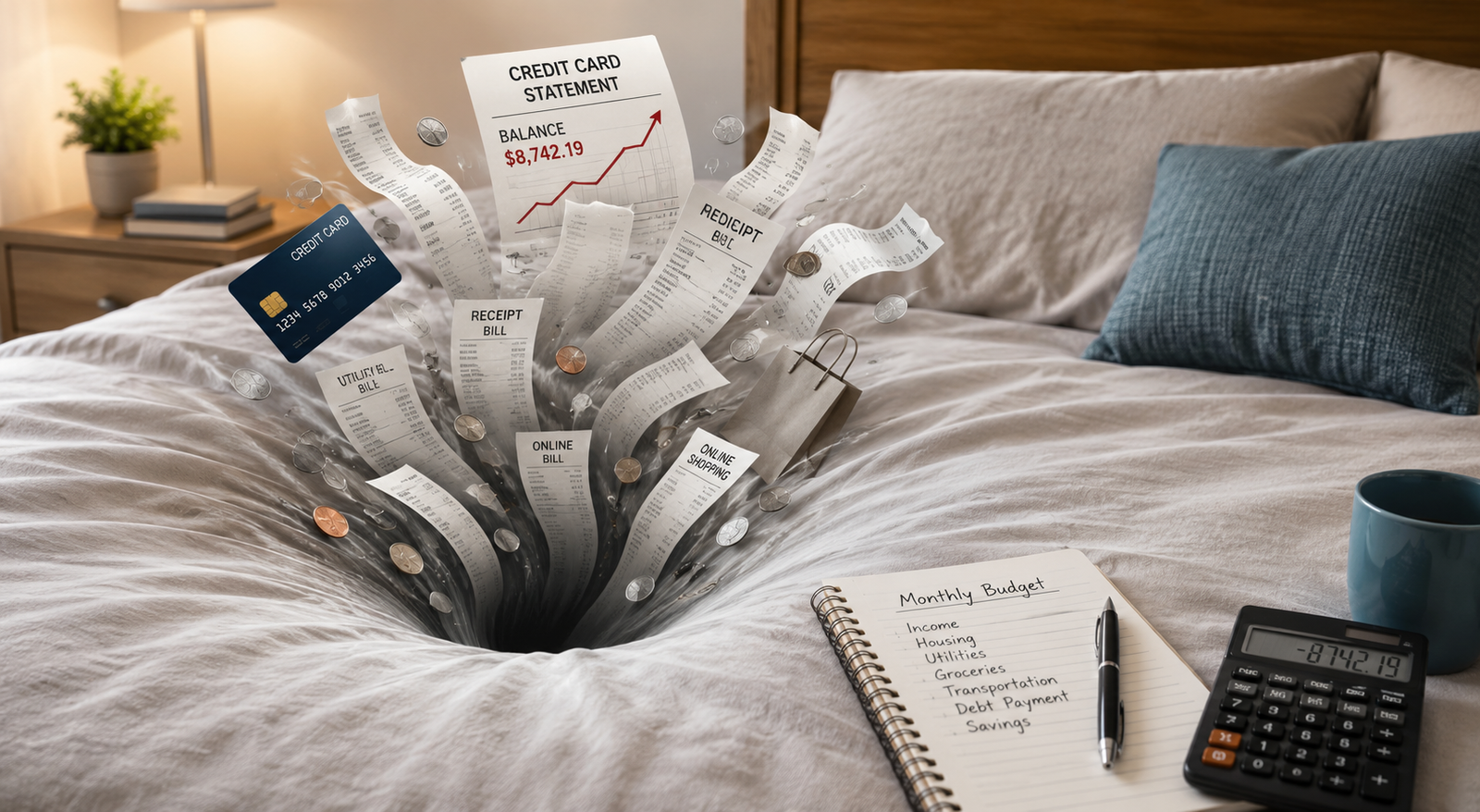
For many people, financial stress doesn’t always come from one massive purchase. More often, it’s the result of small spending habits that slowly add up over time.
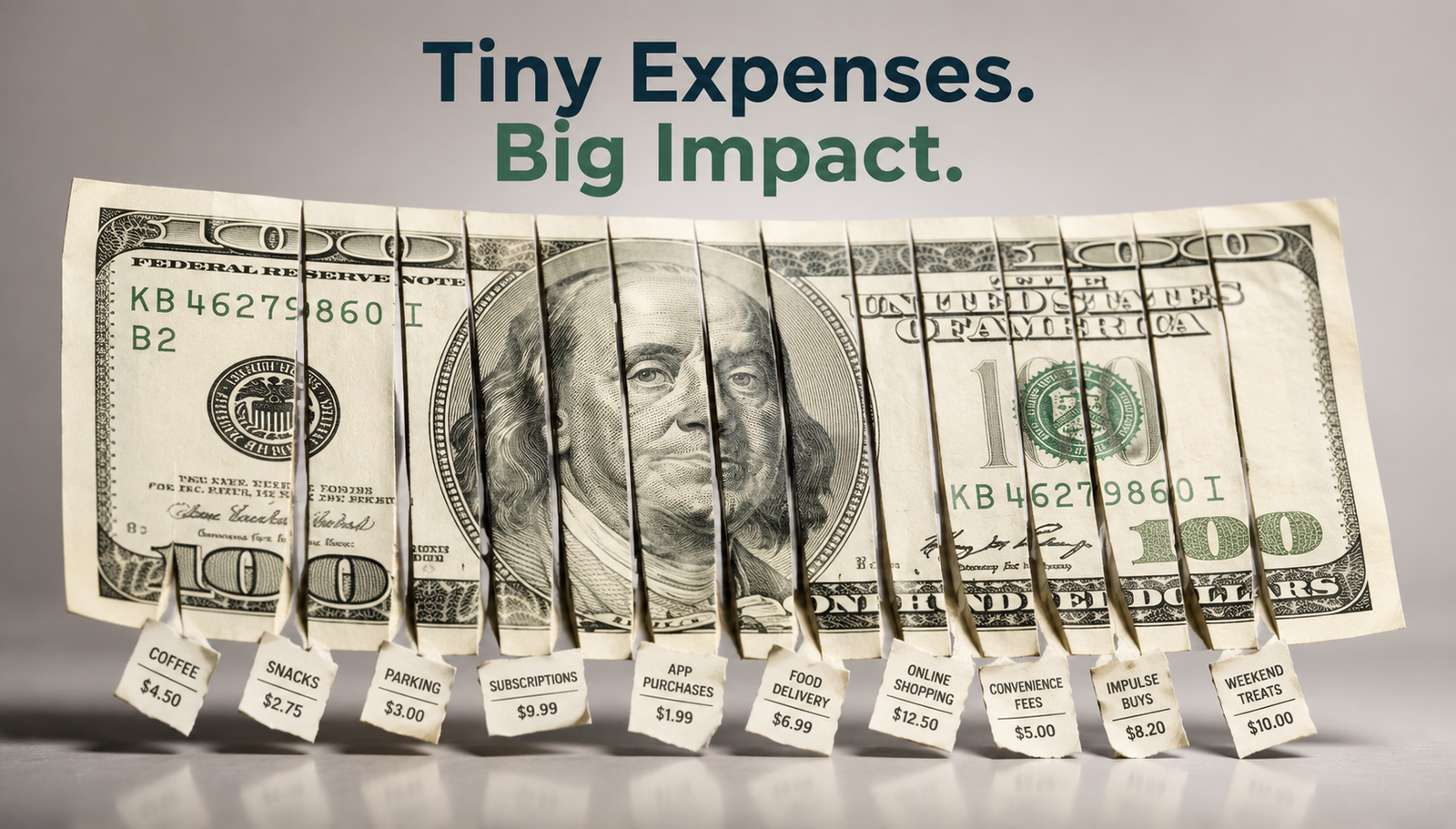
A few extra subscriptions here, frequent takeout there, impulse shopping during sales, or relying too heavily on convenience spending can quietly eat away at monthly budgets without people even realizing it.
While occasional splurges are completely normal, certain habits can become expensive patterns that make it harder to save money, pay off debt, or build long-term financial stability.
The good news is that identifying these spending habits early can make a surprisingly big difference over time.
Convenience Spending Is Becoming More Expensive
Modern life is designed around convenience. Food delivery apps, same-day shipping, ride-sharing services, and one-click online purchases make spending money incredibly easy.
The problem is that convenience often comes with hidden costs.
Delivery fees, service charges, tips, subscriptions, and impulse add-ons can turn small purchases into major monthly expenses. Individually, these charges may not seem like a big deal, but together they can quietly drain hundreds of dollars from a budget every month.
Convenience spending becomes especially dangerous when it turns into an automatic habit instead of an occasional luxury.
Subscription Overload Adds Up Quickly
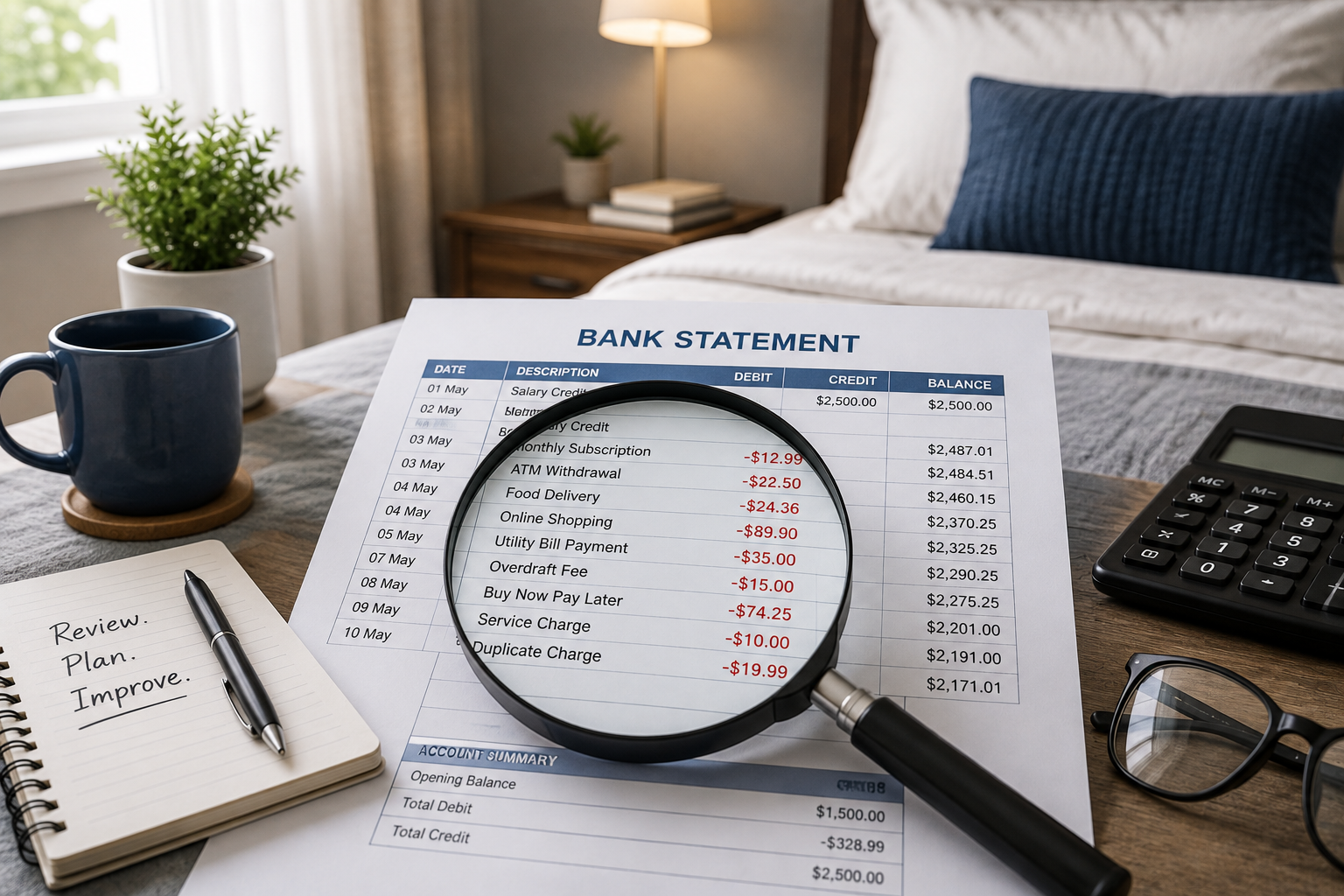
Many people underestimate how much they spend on subscriptions because the payments happen automatically.
Streaming services, music apps, cloud storage, gaming memberships, fitness apps, premium software, meal plans, and online memberships can pile up fast.
A single subscription may seem affordable on its own, but multiple recurring charges can create a surprisingly large monthly expense.
Because these payments are automatic, people often continue paying for services they rarely use.
Reviewing subscriptions regularly is one of the easiest ways to reduce unnecessary spending without making major lifestyle changes.
Impulse Purchases Can Hurt Long-Term Goals
Online shopping has made impulse spending easier than ever.
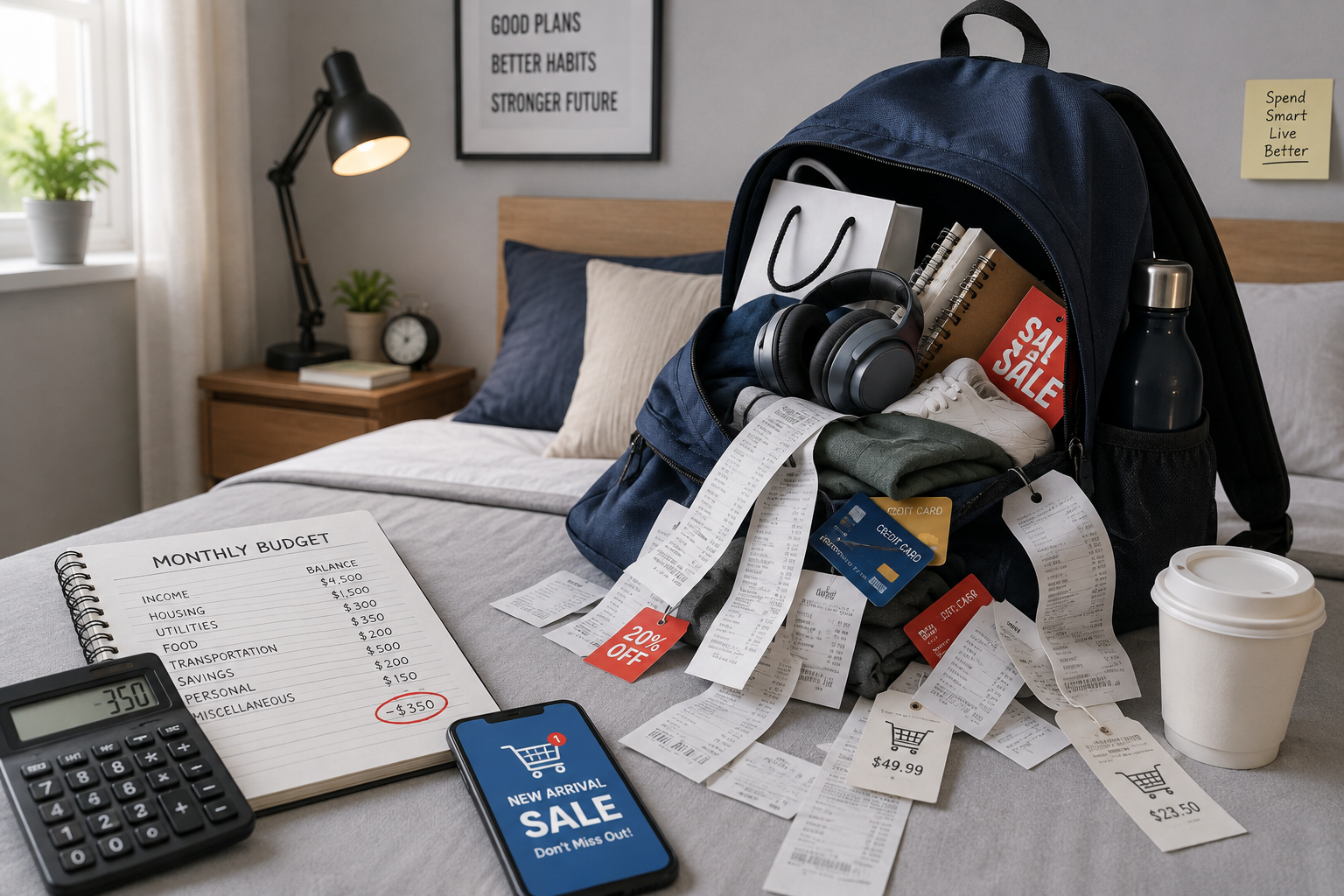
Limited-time offers, flash sales, targeted ads, and “buy now” options encourage people to make emotional purchases instead of planned ones.
Small impulse purchases may feel harmless in the moment, but frequent unplanned spending can slowly interfere with larger financial goals like:
Building emergency savings
Paying off debt
Investing
Saving for a home
Managing monthly bills comfortably
One of the biggest challenges with impulse spending is that the financial impact usually isn’t obvious immediately. The effect becomes noticeable only after weeks or months of repeated purchases.
Lifestyle Inflation Quietly Increases Expenses
As income increases, many people naturally start spending more.
This is often called lifestyle inflation — upgrading apartments, buying more expensive cars, dining out more often, or spending more on entertainment and shopping simply because it feels affordable.
While enjoying financial progress is important, constantly increasing spending alongside income can make it difficult to actually build wealth.
Without careful budgeting, higher earnings do not always lead to better financial stability.
Why Small Spending Habits Matter So Much
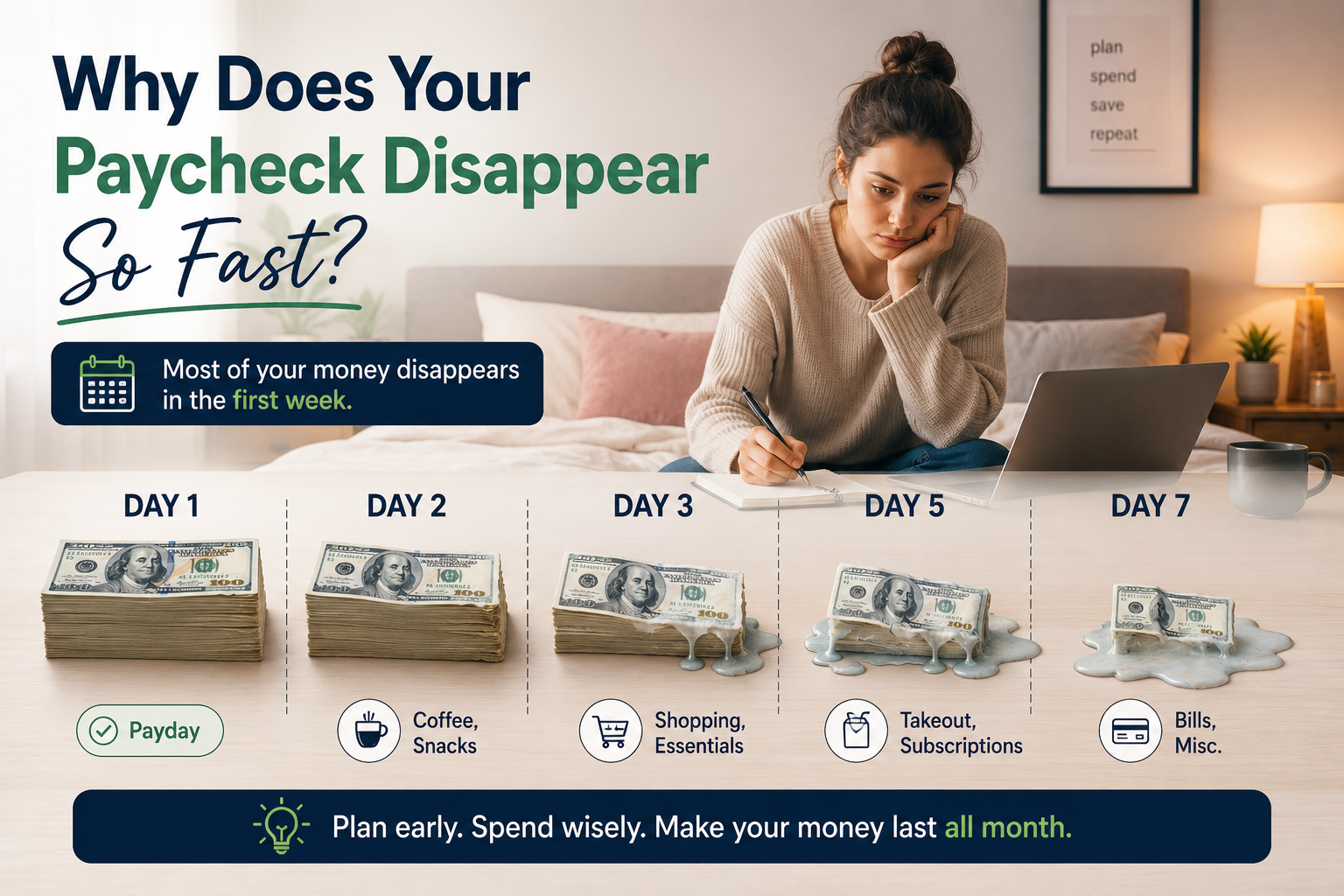
Many financial problems don’t begin with huge mistakes. They often develop through consistent overspending in small areas over long periods of time.
Minor daily expenses may not feel significant individually, but repeated frequently enough, they can seriously impact savings and monthly cash flow.
This is why tracking spending habits is so important.
Understanding where money goes each month helps people identify areas where they may be overspending without realizing it.
Simple Ways To Regain Control of Spending
Improving financial habits does not always require extreme budgeting or cutting out every enjoyable purchase.
In many cases, small adjustments can create meaningful long-term savings.
Review Monthly Subscriptions
Cancel services that are rarely used or no longer necessary.
Create a Waiting Period Before Buying
Waiting 24 hours before making non-essential purchases can reduce impulse spending significantly.
Set Spending Limits
Creating limits for categories like dining out, entertainment, or shopping can help control overspending without feeling restrictive.
Track Expenses Regularly
Monitoring spending habits helps identify patterns that may otherwise go unnoticed.
Focus on Financial Priorities
Aligning spending decisions with long-term goals can make budgeting feel more purposeful and sustainable.
The Bottom Line
Most people are not losing money because of one terrible financial decision. More often, it’s everyday spending habits that slowly create financial pressure over time.
Convenience spending, subscriptions, impulse purchases, and lifestyle inflation can all quietly reduce savings and make budgeting more difficult.
The key is not eliminating every small luxury, but becoming more intentional with spending decisions. Even modest changes in daily financial habits can lead to better budgeting, lower stress, and stronger long-term financial stability.