Becoming a parent is one of life’s most exciting milestones, but it also comes with a long list of new financial responsibilities. Between medical bills, baby gear, childcare costs, and the possibility of reduced income during parental leave, many new parents wonder the same thing:
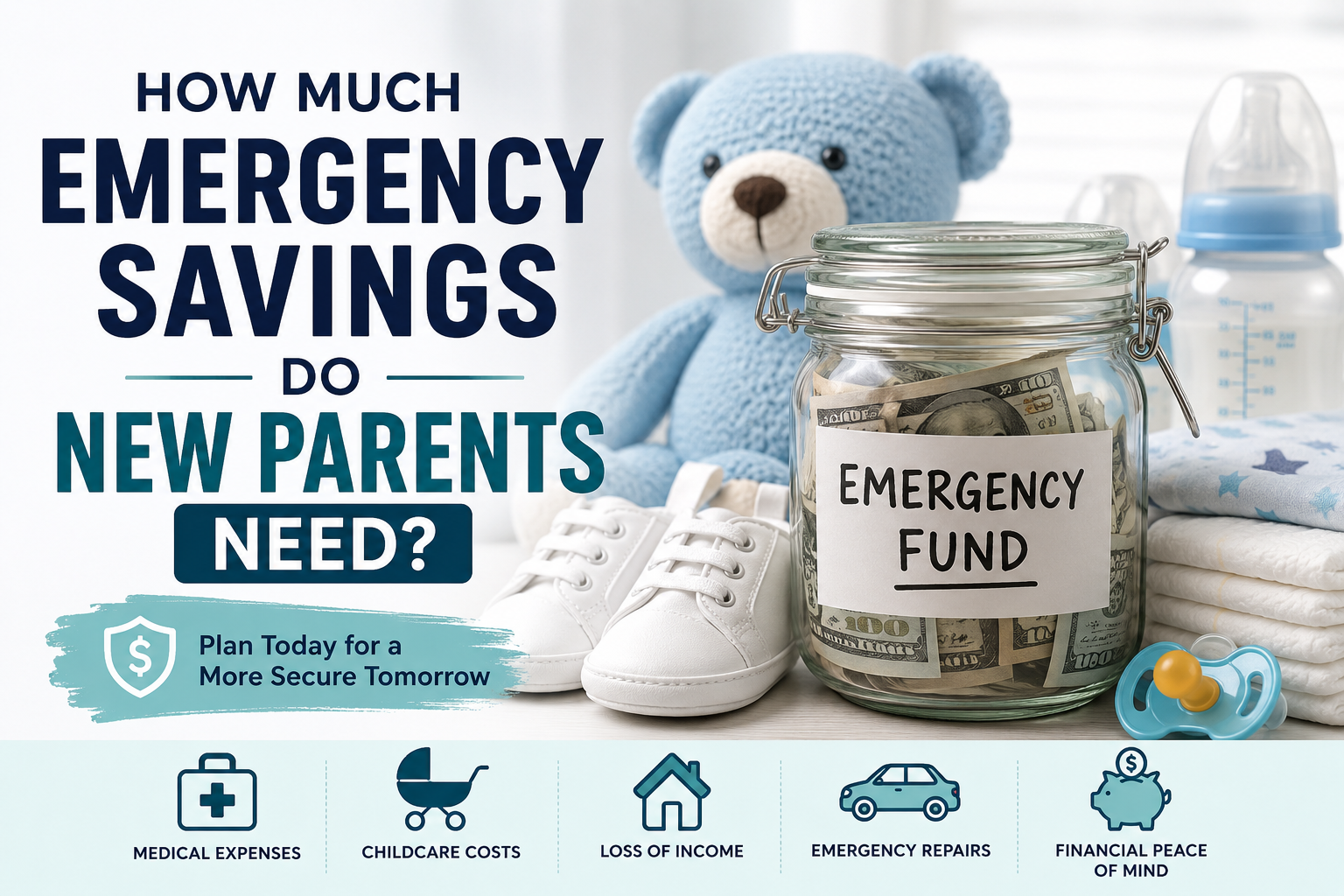
How much emergency savings do new parents need?
While the traditional advice is to save three to six months’ worth of expenses, new parents often need a larger financial cushion. A baby introduces new costs and uncertainties that can strain even the most carefully planned budget.
In this guide, we’ll break down how much emergency savings new parents should have, what expenses to prepare for, and how to build an emergency fund that provides peace of mind.
Why New Parents Need a Larger Emergency Fund
An emergency fund is money set aside for unexpected expenses or financial setbacks. For new parents, these surprises can come from several directions at once.
Some common emergencies include:
Unexpected medical expenses
Complications during pregnancy or delivery
Reduced household income during parental leave
Childcare costs that exceed expectations
Emergency home or vehicle repairs
Job loss or reduced work hours
Unexpected travel for family emergencies
Higher monthly expenses than originally budgeted
Having emergency savings can help prevent these situations from turning into financial crises.
How Much Emergency Savings Should New Parents Have?
The amount of emergency savings needed depends on your family’s financial situation, but the following guidelines can help.
Minimum Emergency Fund: 3 Months of Essential Expenses
A three-month emergency fund should cover:
Housing costs
Utilities
Groceries
Insurance premiums
Transportation
Debt payments
Basic baby expenses
For example, if your household spends $4,000 per month on necessities, your minimum emergency fund should be:
$4,000 × 3 = $12,000
This level of savings can provide a basic safety net but may not be enough for families with a single income or unstable employment.
Recommended Emergency Fund: 6 Months of Expenses
Most financial experts recommend that new parents save at least six months of essential expenses.
Using the same example:
$4,000 × 6 = $24,000
A six-month emergency fund offers greater protection against job loss, extended medical leave, or unexpected childcare expenses.
Ideal Emergency Fund: 9–12 Months of Expenses
Families may want to consider saving nine to twelve months of expenses if:
One parent plans to stay home with the child
Household income depends on freelance or contract work
One parent owns a business
The family has significant debt
The household relies on a single income
A larger emergency fund can provide valuable flexibility during major life transitions.
Emergency Expenses New Parents Often Underestimate
Many parents prepare for diapers and baby clothes but overlook other costs that can quickly add up.
Medical Bills
Even with insurance, pregnancy and childbirth often involve deductibles, copays, prescriptions, and follow-up care.
Childcare Costs
Many families experience sticker shock when researching daycare, nannies, or babysitting services.
Baby Equipment Replacements
Babies outgrow items quickly. Cribs, car seats, strollers, high chairs, and clothing may need to be upgraded sooner than expected.
Lost Income
Parental leave may not be fully paid. Some families experience weeks or months of reduced income after the birth of a child.
Increased Monthly Spending
Utilities, groceries, healthcare costs, and transportation expenses often increase once a baby arrives.
How to Calculate Your Emergency Savings Goal
Follow these simple steps.
Step 1: Calculate Essential Monthly Expenses
Include:
Mortgage or rent
Utilities
Groceries
Transportation
Insurance
Debt payments
Healthcare costs
Baby-related expenses
Step 2: Multiply by Your Desired Safety Buffer
Use:
3 months for a minimum emergency fund
6 months for a recommended emergency fund
9–12 months for maximum security
Step 3: Add Baby-Specific Costs
Many parents add an additional $1,000 to $5,000 buffer to cover unexpected baby-related expenses during the first year.
Sample Emergency Fund Calculation
Let’s assume a family has:
Housing: $1,800
Utilities: $300
Groceries: $700
Transportation: $500
Insurance: $400
Debt payments: $300
Baby expenses: $400
Total monthly expenses = $4,400
Recommended emergency fund:
$4,400 × 6 = $26,400
Adding a baby-specific buffer of $3,000 results in a total emergency savings goal of:
$29,400
How to Build an Emergency Fund Before the Baby Arrives
If you’re expecting a child, it’s best to start saving as early as possible.
Tax refunds, bonuses, gifts, and side hustle income can accelerate your savings progress.
Create a Baby Budget
Knowing your expected baby-related expenses can help you set a realistic savings target.
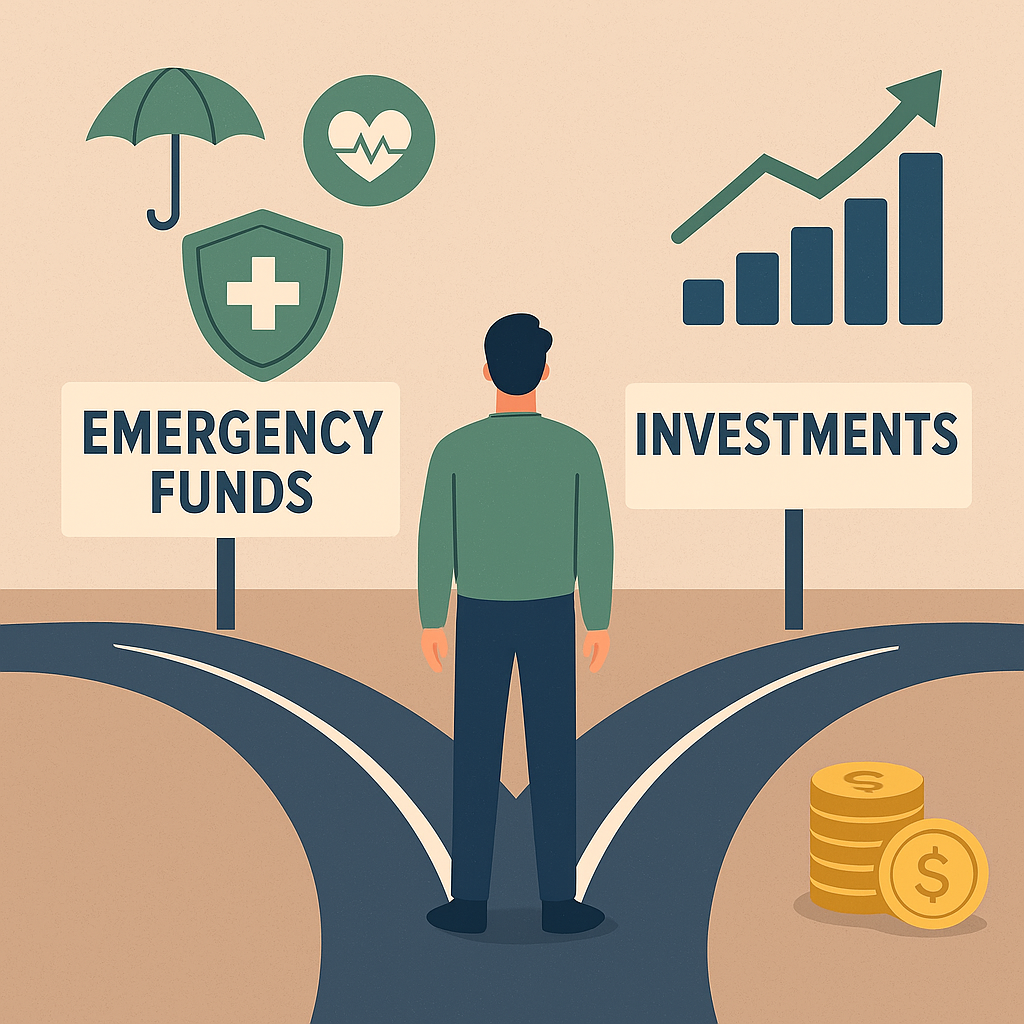
Where Should New Parents Keep Emergency Savings?
Emergency funds should be:
Easily accessible
Safe from market volatility
Separate from everyday spending accounts
Popular options include:
High-yield savings accounts
Money market accounts
Cash management accounts
Avoid investing emergency savings in stocks or other volatile assets that could lose value when you need the money most.
Common Emergency Fund Mistakes New Parents Make
Waiting Until After the Baby Arrives
It’s often harder to save once new expenses begin.
Underestimating Childcare Costs
Many families budget for diapers and formula but overlook childcare.
Counting Credit Cards as an Emergency Fund
Credit cards can help in an emergency but should not replace actual savings.
Ignoring Healthcare Expenses
Medical costs are one of the most common reasons families tap into emergency funds.
Final Thoughts
So, how much emergency savings do new parents need?
For most families, a goal of six months of essential expenses plus an additional buffer for baby-related costsprovides a strong financial foundation. While every household is different, having a well-funded emergency account can reduce stress and help you focus on what matters most—your growing family.
If you’re preparing for a new baby, now is the perfect time to calculate your monthly expenses, estimate future costs, and start building an emergency fund that protects your family’s financial future.