Subscriptions have become a normal part of everyday life. From streaming services and cloud storage to fitness apps and meal delivery plans, recurring payments make it easy to access products and services without large upfront costs.
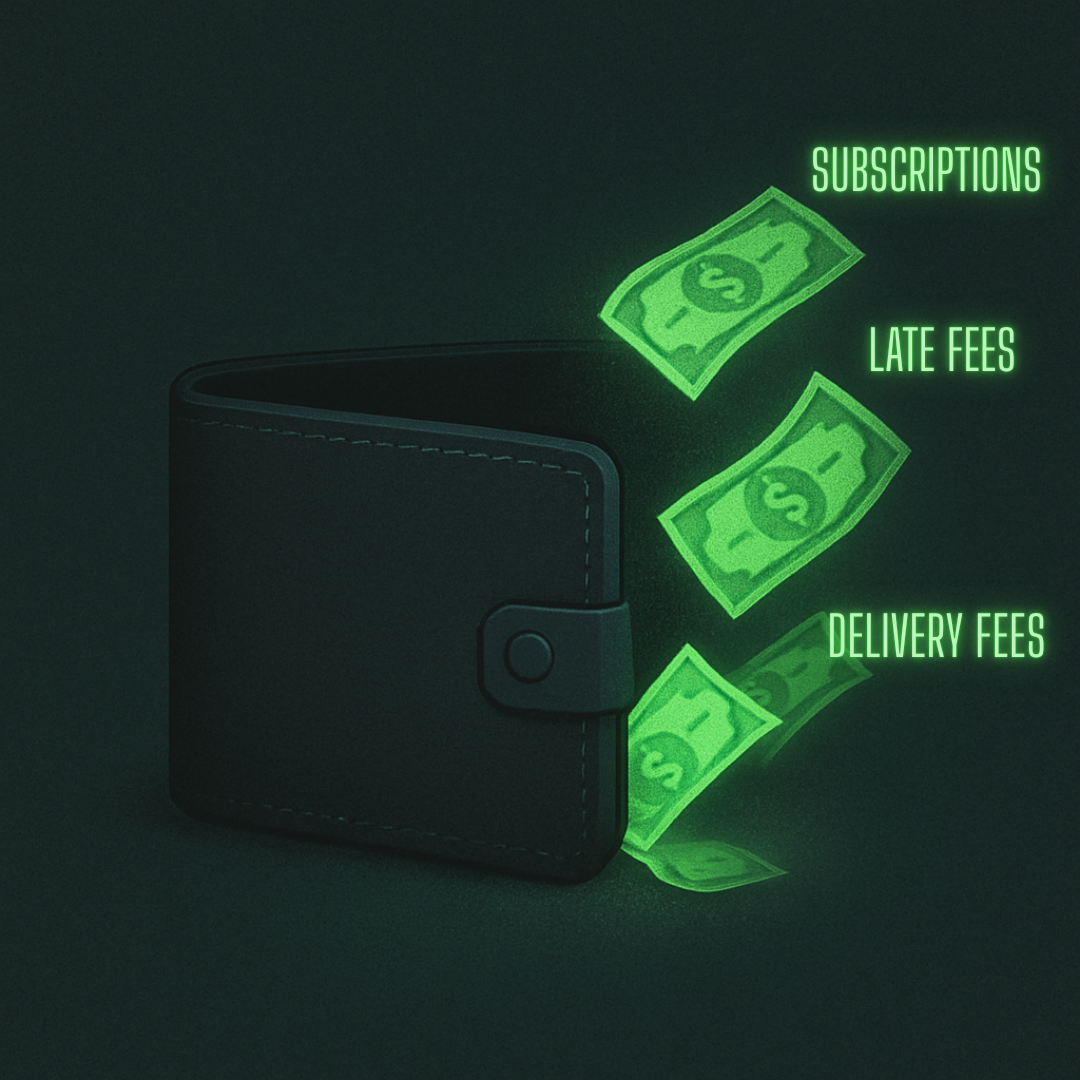
The problem? Most people have no idea how much they’re actually spending on subscriptions.
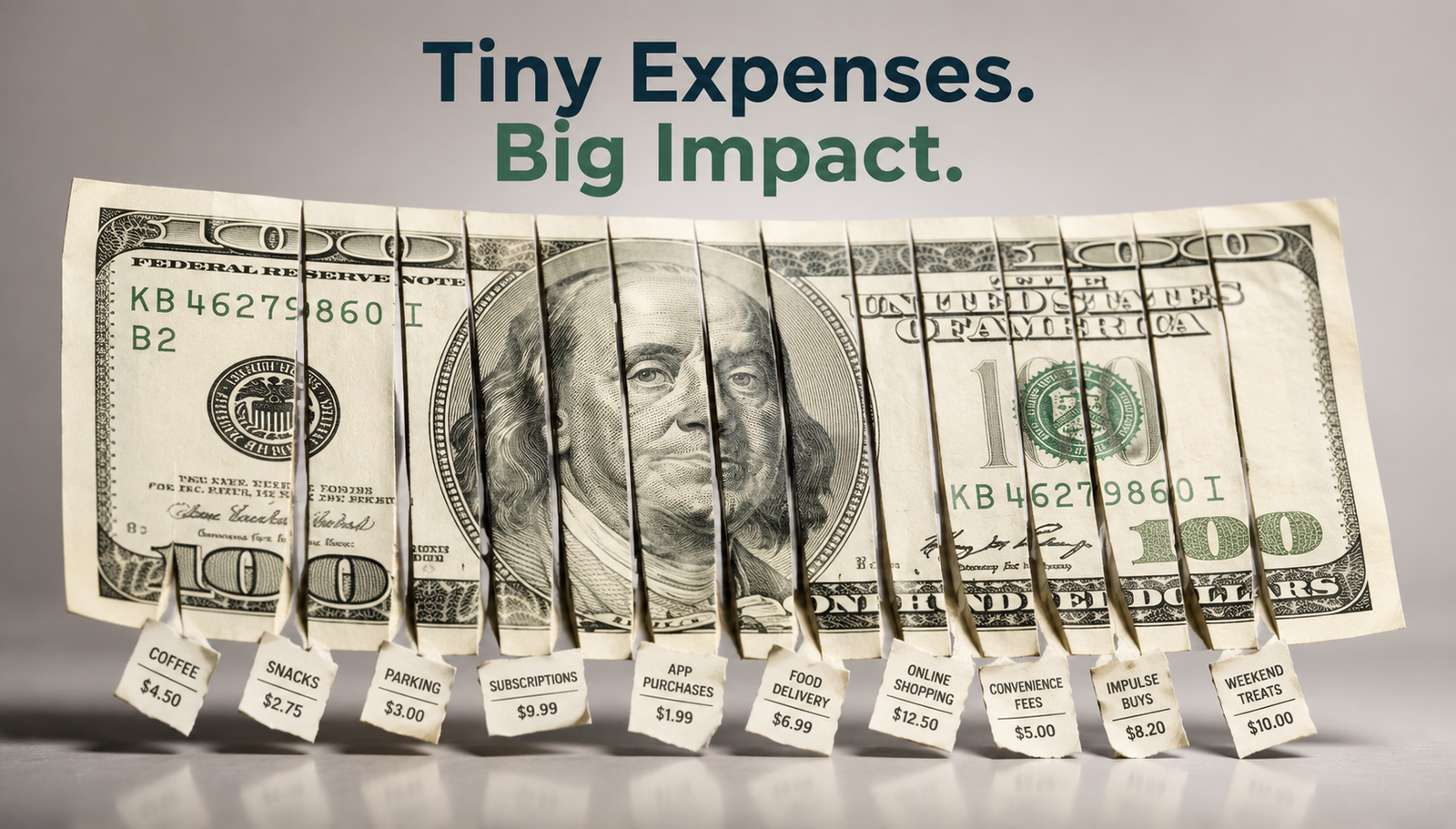
A few dollars here and a few dollars there may not seem like much, but these charges can quietly drain hundreds—or even thousands—of dollars from your budget each year.
That’s why everyone needs a subscription audit.
In this guide, you’ll learn how to identify hidden subscriptions, cancel services you no longer use, and free up money that can be redirected toward savings, debt repayment, or other financial goals.
What Is a Subscription Audit?
A subscription audit is a review of all recurring charges linked to your bank account, credit cards, debit cards, and payment apps.
The goal is simple:
Identify every subscription you’re paying for
Determine whether you still use it
Cancel unnecessary services
Reduce monthly expenses
Think of it as a financial spring cleaning for your budget.
Why Subscription Audits Matter
Subscriptions are designed to be convenient—and forgettable.
Many people sign up for free trials, promotional offers, or monthly memberships and then continue paying long after they’ve stopped using the service.
Even small recurring charges add up over time.
For example:
$9.99 per month = $120 per year
$19.99 per month = $240 per year
$49.99 per month = $600 per year
Just five unused subscriptions could easily cost over $1,000 annually.
Step 1: Gather Your Financial Statements
Start by reviewing:
Bank statements
Credit card statements
Debit card transactions
Digital wallet payments
PayPal transactions
App store purchases
Look back at least three months to ensure you catch quarterly or annual subscriptions.
Create a list of every recurring charge you find.
Step 2: Categorize Your Subscriptions
Organizing subscriptions makes them easier to evaluate.
Entertainment
Examples:
Streaming services
Music subscriptions
Gaming memberships
Sports packages
Productivity
Examples:
Cloud storage
Note-taking apps
Software subscriptions
AI tools
Fitness and Health
Examples:
Gym memberships
Fitness apps
Meditation apps
Nutrition programs
Shopping and Delivery
Examples:
Retail memberships
Meal kits
Grocery delivery services
Professional Services
Examples:
Online courses
Industry memberships
Business software
Website hosting
Step 3: Calculate Your Total Subscription Spending
Add up every recurring payment.
Many people are shocked by the results.
Example:
Netflix: $15.49
Spotify: $11.99
Cloud Storage: $9.99
Gym Membership: $39.99
Meal Delivery Service: $59.99
Total Monthly Cost: $137.45
Annual Cost: $1,649.40
Seeing the annual figure often changes how people view subscriptions.
Step 4: Use the Three-Question Test
For each subscription, ask:
1. Have I Used This in the Last 30 Days?
If not, consider cancelling.
2. Would I Sign Up Again Today?
If the answer is no, it may no longer provide enough value.
3. Is There a Free Alternative?
Many paid services can be replaced with free or lower-cost options.
If a subscription fails two out of three questions, it deserves closer scrutiny.
Step 5: Watch for Subscription Overlap
One of the biggest budget leaks is paying for multiple services that do the same thing.
Examples include:
Multiple streaming platforms
Several cloud storage providers
Multiple fitness apps
Duplicate software tools
Choose the service you use most and eliminate the rest.
Step 6: Check for Annual Renewals
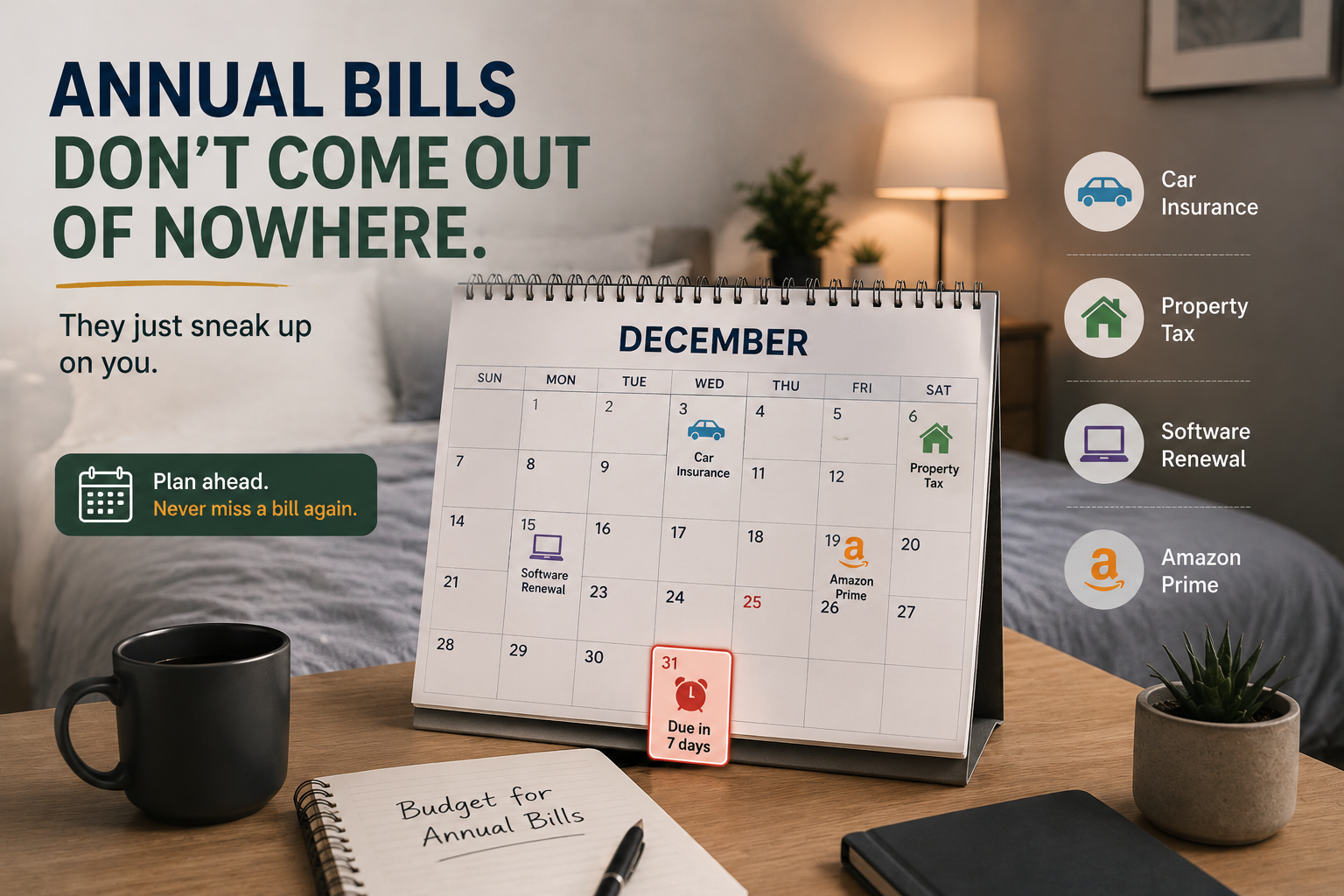
Annual subscriptions are easy to forget because they only appear once a year.
Review:
Website hosting
Domain names
Antivirus software
Professional memberships
Software licenses
Mark renewal dates on your calendar so you aren’t surprised by future charges.
Step 7: Review Family and Shared Plans
Some subscriptions can be shared with family members.
Potential savings opportunities include:
Streaming services
Music subscriptions
Cloud storage plans
Productivity software
A family plan may cost significantly less than multiple individual accounts.
Step 8: Cancel Before You Optimize
Many people spend time negotiating discounts before deciding whether they actually need the service.
Start by eliminating subscriptions that no longer provide value.
Then consider lowering costs on the subscriptions you genuinely use.
The Ultimate Subscription Audit Checklist
Use this checklist during your review:
Financial Review
✔ Review bank statements
✔ Review credit card statements
✔ Review digital wallet transactions
✔ Review app store purchases
✔ Review annual subscriptions
Subscription Evaluation
✔ Used within the last 30 days
✔ Provides meaningful value
✔ No free alternative available
✔ No duplicate service exists
✔ Worth renewing at current price
Savings Opportunities
✔ Cancel unused subscriptions
✔ Downgrade premium plans
✔ Switch to annual billing discounts
✔ Join family plans
✔ Consolidate overlapping services
How Much Can a Subscription Audit Save?
The savings vary, but many households discover:
$25–$50 per month in waste
$100–$200 per month in unnecessary services
$500–$2,000 per year in potential savings
The best part is that these savings often require no lifestyle changes.
You’re simply stopping payments for services you weren’t using.
What to Do With the Money You Save
Instead of letting the savings disappear into everyday spending, put them toward financial goals such as:
Even $100 per month redirected into savings becomes $1,200 per year.
How Often Should You Audit Your Subscriptions?
A subscription audit should be performed at least twice per year.
However, quarterly audits are ideal because new subscriptions tend to accumulate quickly.
Setting a recurring calendar reminder can help prevent subscription creep from returning.
Final Thoughts
Subscriptions make life convenient, but they can also become one of the biggest hidden leaks in your budget. A regular subscription audit helps you identify unnecessary recurring expenses, eliminate waste, and regain control over your finances.
If you haven’t reviewed your subscriptions recently, now is the perfect time. You may discover that hundreds of dollars are quietly leaving your account every year without providing much value in return.
A simple one-hour audit today could save you thousands over the next few years.