Whether it took months or years, you’ve reached a milestone that many people dream about. No more credit card balances. No more loan payments hanging over your head. No more wondering if this month’s paycheck will stretch far enough.
But here’s the surprising part: becoming debt-free isn’t the finish line. It’s the beginning of a whole new financial chapter.
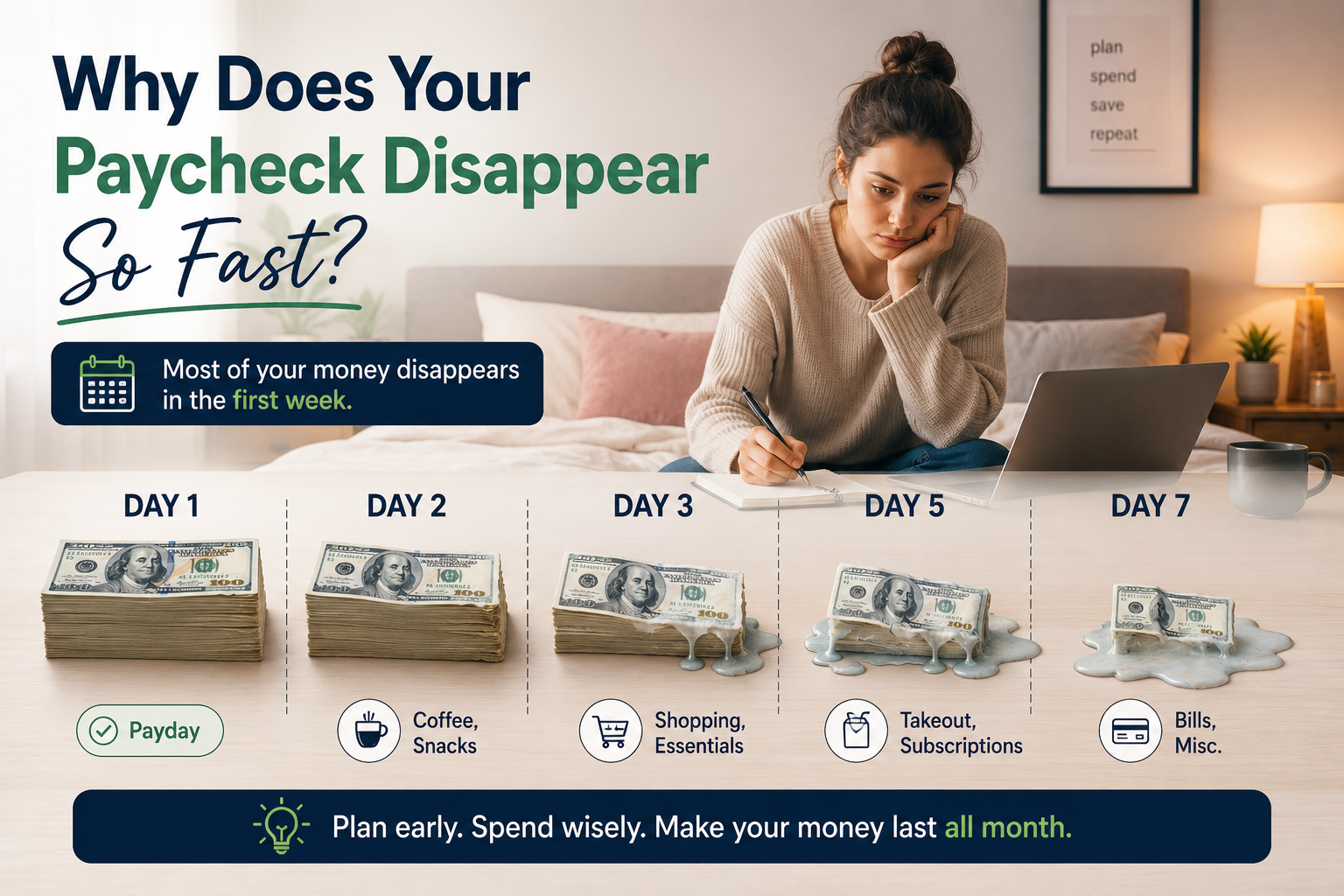
Without a plan, it’s surprisingly easy to let those old monthly payments disappear into everyday spending. That’s why debt free budgeting is just as important after paying off debt as it was while getting there.
Here’s how to make the most of your extra cash and build lasting financial security.
1. Celebrate—But Don’t Go Overboard
Paying off debt deserves to be celebrated. Go out for dinner, take a short weekend trip, or buy something meaningful you’ve been putting off.
Just avoid celebrating by taking on new debt.
A small reward acknowledges your hard work without undoing all the progress you’ve made.
2. Don’t Let Lifestyle Inflation Take Over
One of the biggest mistakes people make after becoming debt-free is quietly increasing their spending.
Maybe you start dining out more often. Perhaps you upgrade your car, subscribe to a few more streaming services, or shop without checking prices.
None of these purchases seem significant on their own, but together they can consume the money that used to go toward debt payments.
If you’ve noticed this happening before, our article on How Lifestyle Inflation Quietly Steals Your Money explains why it happens and how to stay ahead of it.
3. Build (or Rebuild) Your Emergency Fund
Many people put emergency fund on hold while paying off debt.
Now is the perfect time to change that.
Aim to build an emergency fund that can cover three to six months of essential living expenses. Having that financial cushion means unexpected expenses are far less likely to send you back into debt.
4. Give Every Extra Dollar a Job
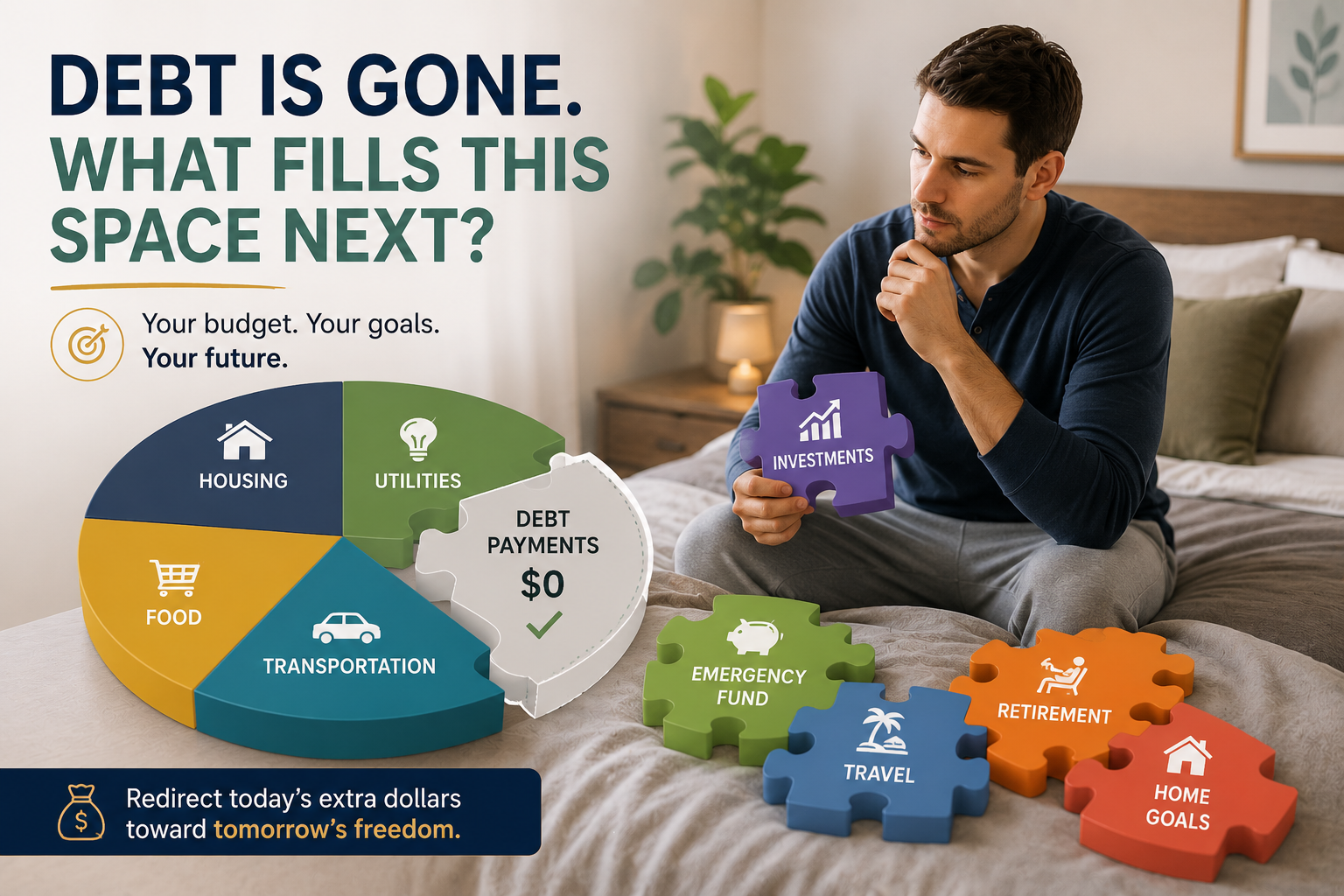
Your debt payment has disappeared—but your income hasn’t.
Ask yourself:
“Where should that money go now?”
Instead of letting it blend into your checking account, intentionally redirect it toward:
Savings
Investing
Home maintenance
Retirement
Travel
Future large purchases
Every dollar should have a purpose.
5. Increase Your Retirement Contributions
One of the smartest uses for your newly available cash is investing in your future.
Even increasing your retirement contributions by a small percentage today can make a significant difference over the next 20 or 30 years thanks to compound growth.
Your future self will appreciate the decision.
6. Start Saving for Bigger Goals
Debt-free doesn’t mean you’re finished planning.
Now you can focus on goals that may have felt out of reach before, such as:
Buying your first home
Replacing your car with cash
Starting a business
Taking your dream vacation
Funding your children’s education
Creating separate savings categories makes these goals feel much more achievable.
7. Create Sinking Funds
Not every expense is an emergency.
Some costs are completely predictable—they just don’t happen every month.
Consider setting aside money regularly for:
Car maintenance
Annual insurance premiums
Holiday shopping
Home repairs
Medical expenses
Birthdays
Planning ahead reduces financial stress and helps you avoid relying on credit cards again.
8. Review Your Budget Instead of Keeping the Old One
The budget you used while paying off debt served its purpose.
Now it’s time to update it.
Remove debt payments from your monthly budget and reallocate that money based on your new priorities.
9. Keep Tracking Your Spending
It’s tempting to stop budgeting after reaching such a major financial milestone.
Resist that temptation.
A monthly budget isn’t only for people struggling with debt—it’s a tool that helps everyone stay intentional with their money.
Even a quick monthly review can reveal unnecessary spending before it becomes a habit.
10. Avoid the “I’ve Earned It” Trap
After years of sacrificing, it’s natural to want to enjoy your financial freedom.
Just be careful that “I’ve earned it” doesn’t become the justification for every purchase.
One or two treats won’t hurt.
A dozen impulse purchases every month might.
Finding a balance between enjoying life and protecting your financial future is what debt free budgeting is all about.
11. Set Your Next Financial Goal
You’ve accomplished something huge.
Don’t lose momentum.
Choose another goal that excites you.
It could be:
Saving your first $10,000
Investing consistently every month
Becoming mortgage-free
Reaching a six-month emergency fund
Saving for early retirement
Having another milestone keeps you motivated and gives your budget a clear purpose.
Signs You’re Using Your Debt-Free Income Wisely
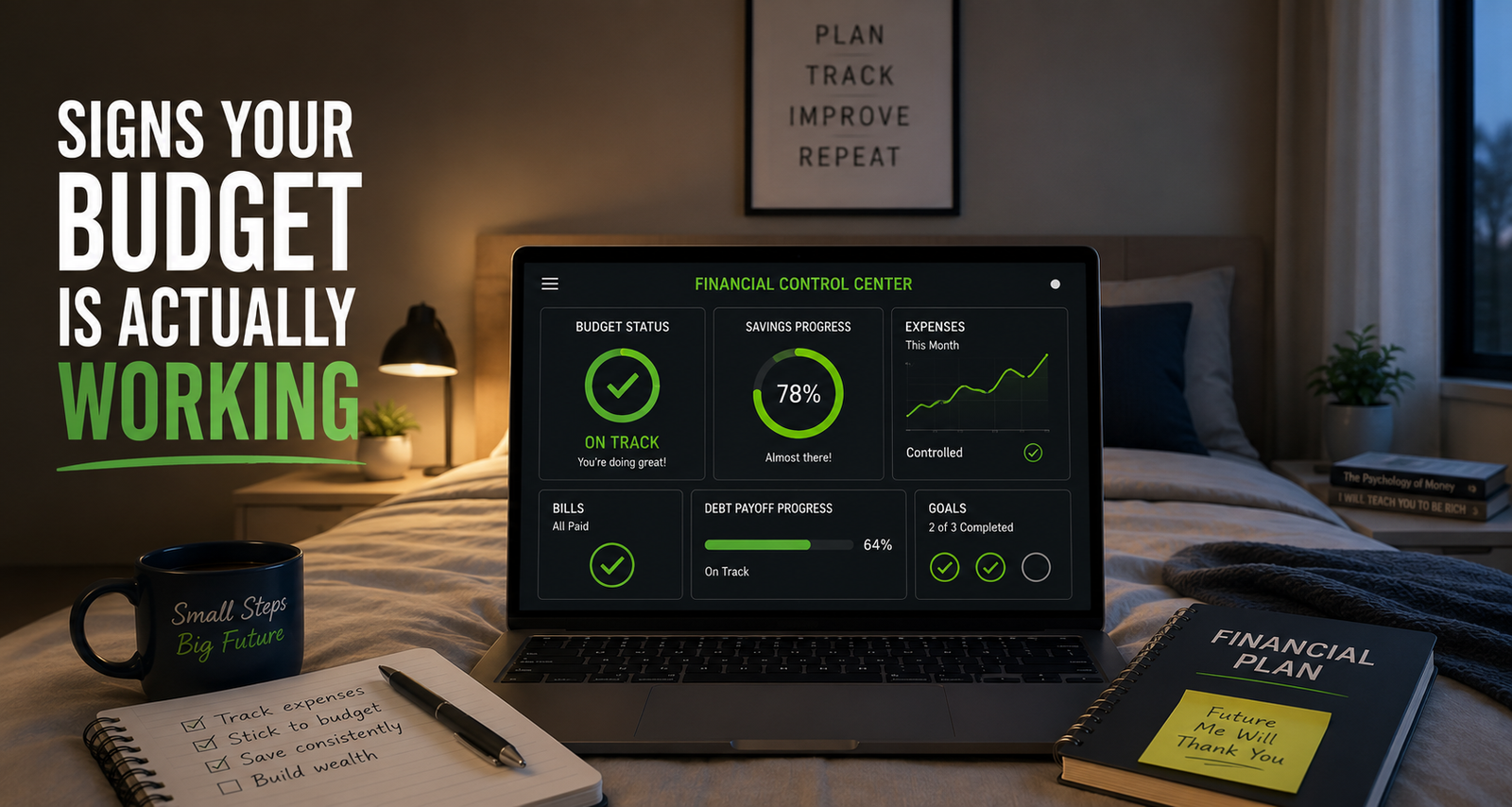
You’re probably on the right track if:
Your savings account grows every month.
You know exactly where your money is going.
Unexpected expenses no longer cause panic.
You’re investing regularly.
You still review your budget each month.
You can enjoy spending without feeling guilty.
Financial freedom isn’t about never spending money—it’s about spending it intentionally.
Common Mistakes After Becoming Debt-Free
Avoid these common pitfalls:
Stopping your budget completely
Increasing lifestyle expenses too quickly
Forgetting to save for emergencies
Ignoring retirement contributions
Financing unnecessary purchases
Losing sight of long-term financial goals
Assuming you’ll never need a budget again
Final Thoughts
Paying off debt is one of the biggest financial victories you’ll ever achieve.
The challenge now is making sure that victory lasts.
Good debt free budgeting helps you turn yesterday’s debt payments into tomorrow’s savings, investments, and opportunities. Instead of wondering where your extra money went, you’ll know it’s working toward the life you’ve been building all along.
As your financial priorities change, so should your budget. If you need a simple way to organize your income, savings, investments, and monthly expenses, our Monthly Budget Calculator makes it easy to create a plan that grows with your goals.