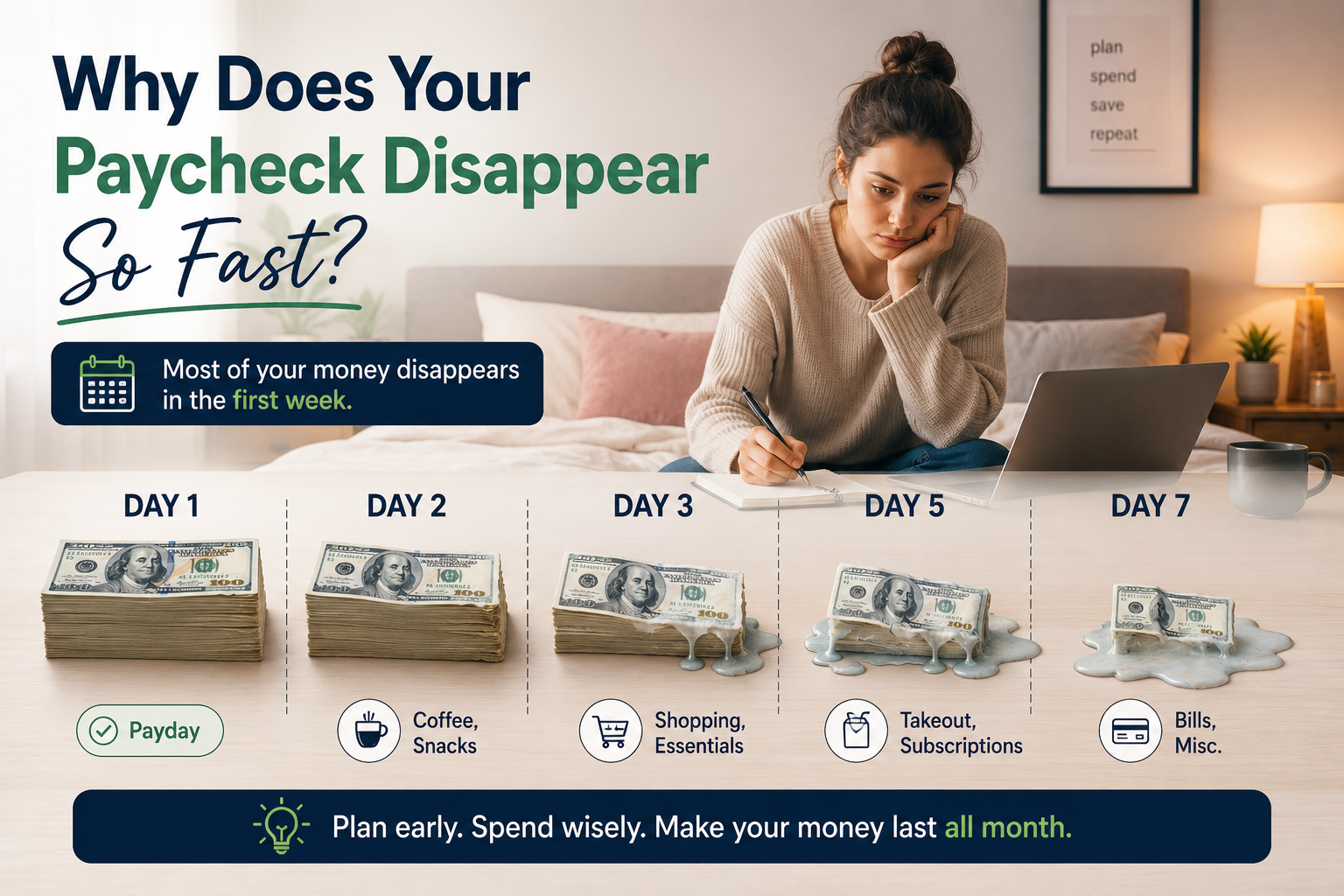
There’s something about the first week of the month that makes spending feel… easier.
The paycheck arrives, your bank account looks healthy again, and suddenly grabbing takeout, upgrading your streaming subscription, or finally buying that item sitting in your online cart doesn’t seem like a big deal.
A few days later, you’re wondering where half your money went.
If this sounds familiar, you’re not alone. First week spending is incredibly common, and it’s driven as much by psychology as it is by money. Understanding why it happens can help you break the cycle and make your paycheck last much longer.
1. Your Bank Balance Gives You a False Sense of Wealth
Right after payday, your account balance is usually at its highest.
Seeing a larger number creates a feeling of abundance, even though much of that money already has a purpose.
Your rent, groceries, insurance, utilities, and savings goals haven’t disappeared—they just haven’t been paid yet.
Looking at your available balance instead of your planned budget is one of the quickest ways to overspend.
2. You Reward Yourself for Making It Through Last Month
Many people unknowingly treat payday like a celebration.
Thoughts like:
“I’ve worked hard.”
“I deserve this.”
“It’s only once.”
can easily justify purchases that weren’t part of the plan.
There’s nothing wrong with rewarding yourself, but when every payday becomes a shopping day, the habit quietly eats into your monthly budget.
Setting aside a dedicated “fun money” category makes those rewards intentional instead of impulsive.
3. Bills Haven’t Hit Yet
One reason first week spending feels harmless is that many recurring bills are still a few days—or even weeks—away.
Your account may look full today, but a large portion of that money is already spoken for.
Viewing your paycheck as disposable income instead of future expenses often creates unnecessary financial stress later in the month.
4. Online Shopping Makes Payday Even More Dangerous
Retailers know when many people get paid.
It’s no coincidence that promotional emails, app notifications, and “limited-time offers” seem to appear at just the right moment.
The combination of fresh income and constant temptation makes impulse purchases much more likely.
Waiting 24 hours before buying non-essential items is often enough to decide whether you actually want them.
5. Small Purchases Don’t Feel Like a Problem
Few people overspend because of one massive purchase.
Instead, it’s usually dozens of small ones:
Coffee
Food delivery
Convenience store snacks
Online subscriptions
Ride-sharing
Small Amazon purchases
Each feels insignificant.
Together, they can quietly consume hundreds of dollars before the second week of the month.
This is one reason tracking expenses regularly is so valuable—you notice patterns long before they become expensive habits.
6. Your Budget Doesn’t Start Working Until It’s Written Down
Many people believe they have a budget because they know roughly how much they earn.
That’s very different from assigning every dollar a purpose.
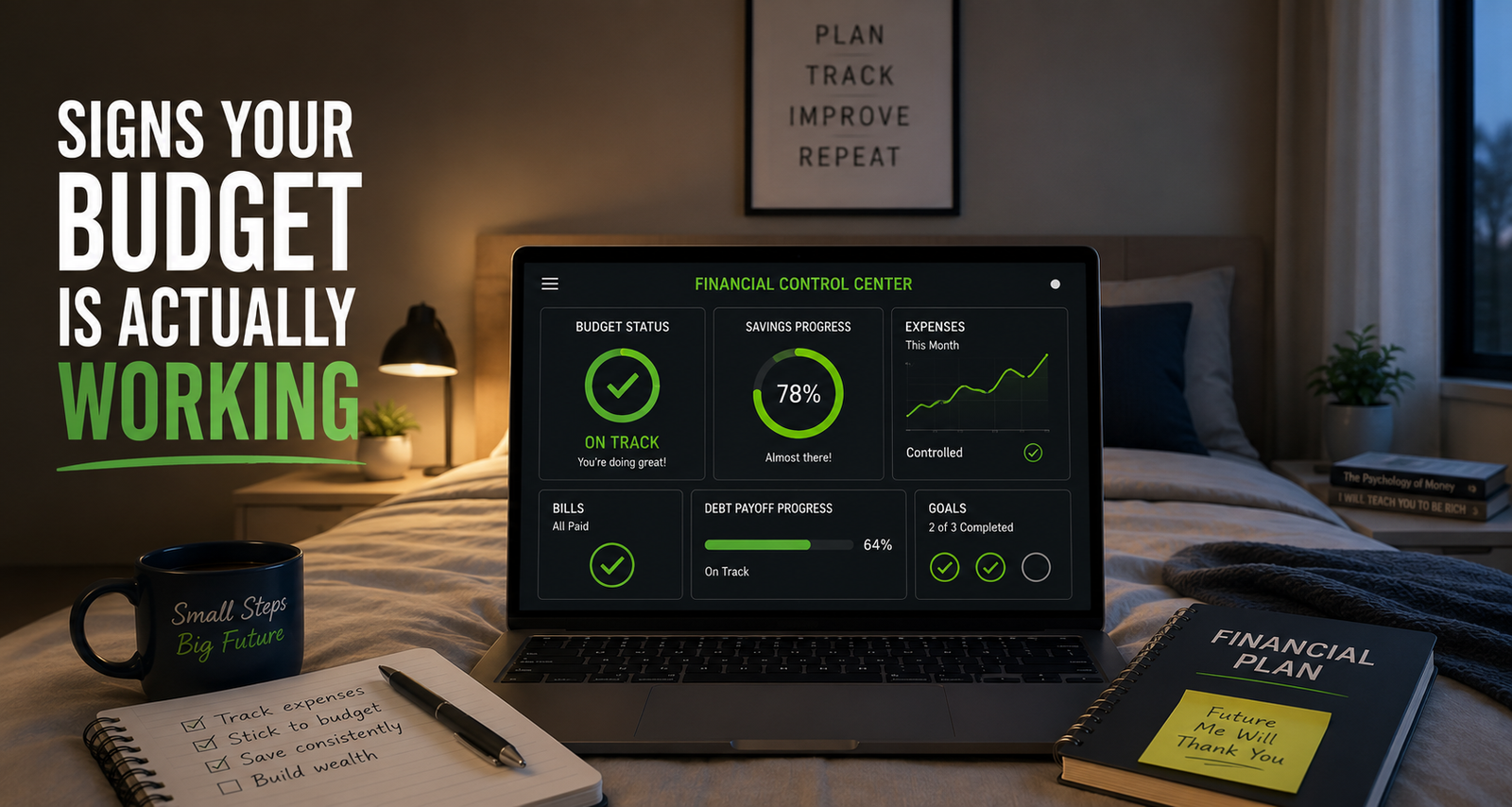
A written budget turns your paycheck into a plan rather than a guessing game. Once essentials, savings, and financial goals are accounted for, it becomes much easier to see what you can genuinely afford to spend guilt-free.
7. Lifestyle Inflation Doesn’t Wait for a Raise
Overspending during the first week often becomes more noticeable after your income increases.
Instead of using the extra money to strengthen your finances, it’s easy to upgrade your everyday lifestyle without even realizing it.
That new streaming service, premium gym membership, or frequent restaurant meal may seem affordable individually, but together they can consume most of the raise.
This is exactly how lifestyle inflation quietly takes hold—your income grows, but your savings don’t.
8. You’re Spending Based on Emotion, Not Your Plan
Payday brings excitement, relief, and optimism.
Those emotions can make spending feel easier than it would at the end of the month.
When purchases are driven by emotion instead of intention, they’re far more likely to become regrets later.
A simple habit like reviewing your monthly budget before making larger purchases creates enough pause to make better decisions.
9. You Haven’t Planned for the Rest of the Month
It’s surprisingly common to spend as though every week will bring another paycheck.
But most monthly expenses don’t work that way.
Looking beyond the next few days and planning for the entire month creates a much clearer picture of what your money actually needs to do.
That’s why reviewing your budget once a month isn’t enough. A quick five-minute budget check each week helps catch small problems before they become expensive ones.
10. You’re Confusing Available Money With Extra Money
Perhaps the biggest reason first week spending gets out of control is believing that money sitting in your account is money available to spend.
In reality, some of it belongs to:
Rent or mortgage
Utilities
Insurance
Groceries
Savings
Emergency fund
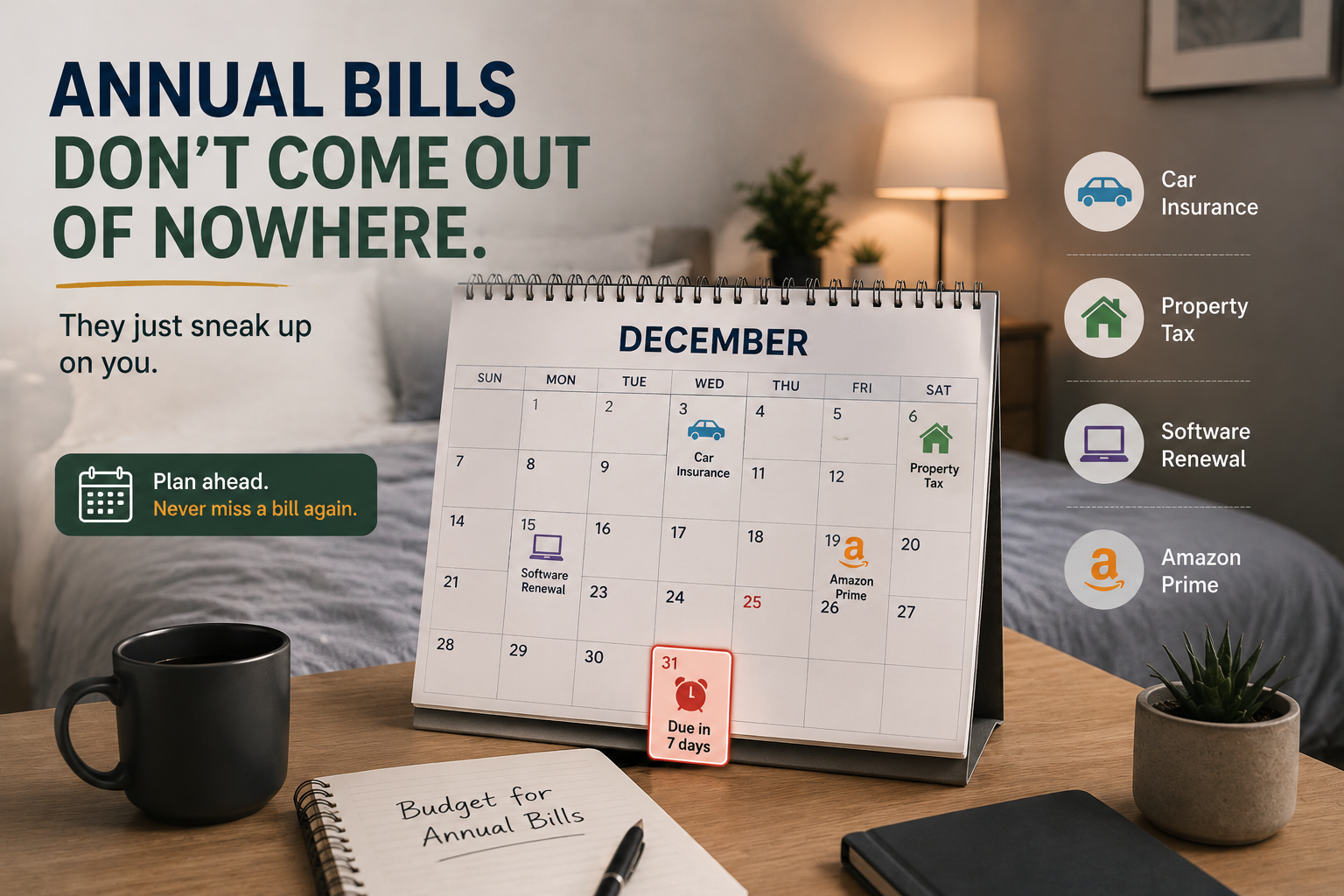
Future annual expenses
Giving those dollars a job before you spend them dramatically reduces impulse buying.
How to Stop Overspending During the First Week of the Month
You don’t need extreme budgeting rules.
A few simple habits make a huge difference:
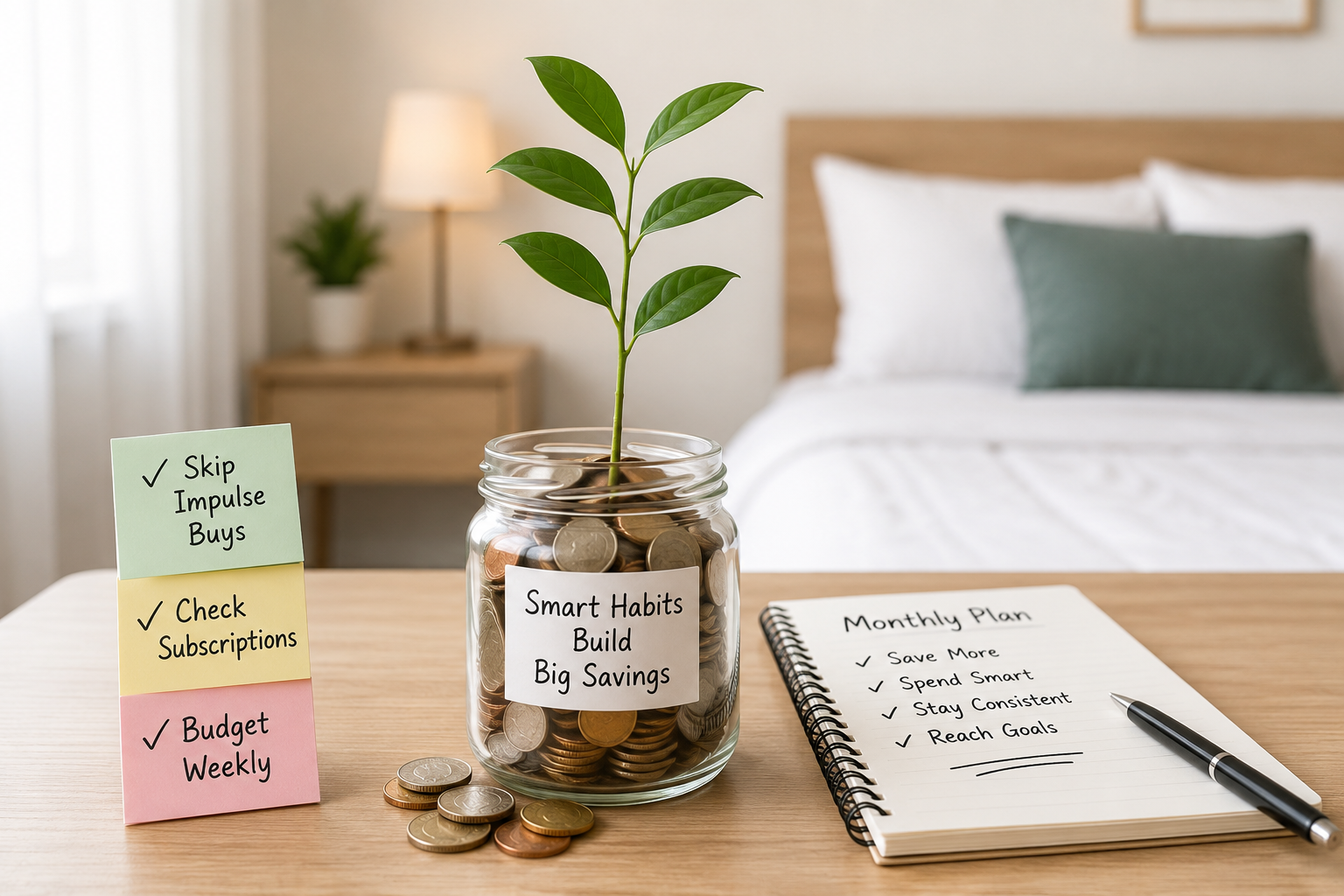
Pay yourself first by moving money into savings immediately.
Schedule recurring bills as soon as possible.
Wait at least 24 hours before making non-essential purchases.
Keep a separate “fun money” category.
Review your budget before large purchases.
Track spending throughout the month instead of only at the end.
Save a little each month for irregular expenses so they don’t catch you off guard.
Small changes repeated every payday are far more effective than making drastic cuts after you’ve already overspent.
Signs Your First Week Spending Is Becoming a Habit
Watch out for these warning signs:
Your account balance drops dramatically within a few days of payday.
You rely on credit cards near the end of the month.
Savings rarely increase, even when your income does.
You regularly wonder where your paycheck went.
Bills feel stressful despite earning enough to cover them.
Recognizing these patterns early makes them much easier to fix.
Final Thoughts
The first week of the month often feels like a fresh financial start, but it’s also when many people make the spending decisions that shape the rest of the month.
Understanding the psychology behind first week spending helps you recognize that a full bank account isn’t the same as extra money. By planning ahead, tracking your expenses, and assigning every dollar a purpose, you’ll be far more likely to finish the month feeling in control instead of wondering where your paycheck disappeared.