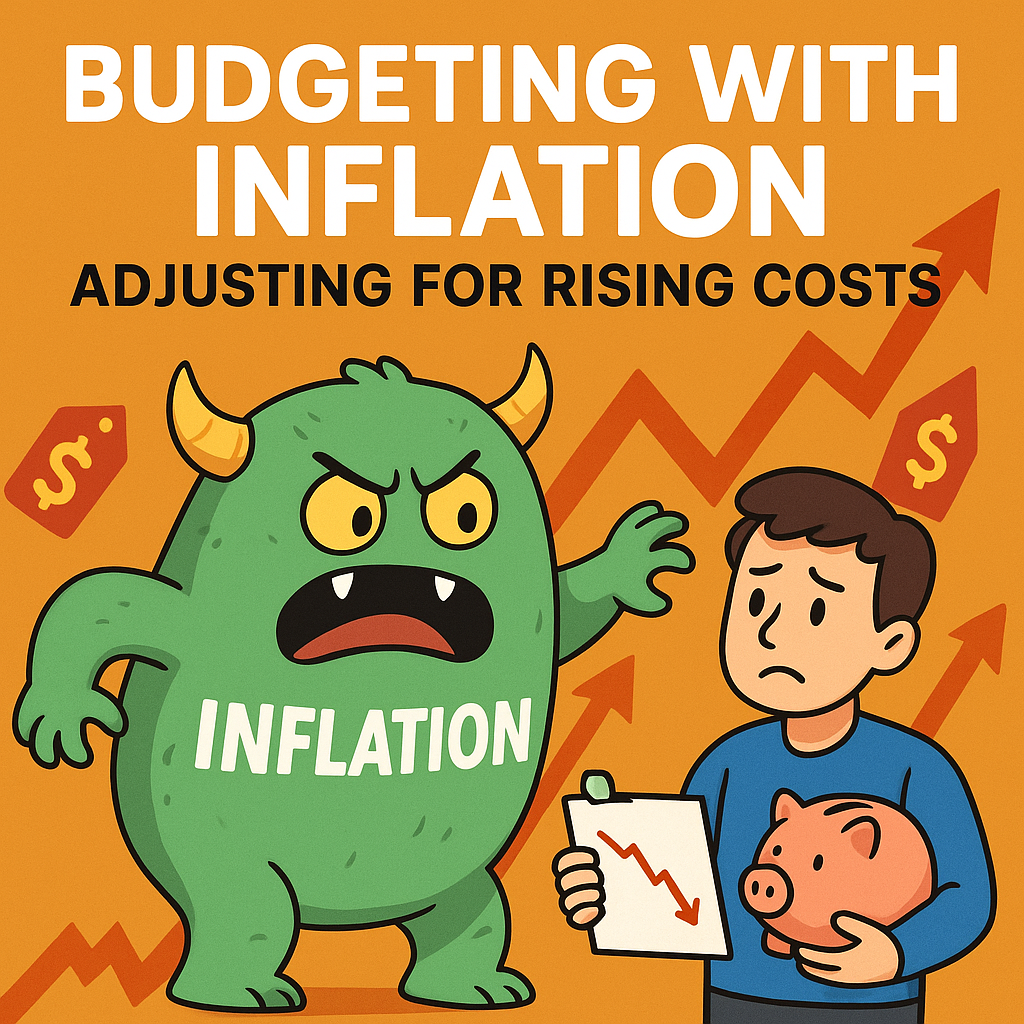
Inflation can feel like an invisible tax on your income, silently increasing the cost of everyday goods and services. From groceries to utilities, rising prices can quickly derail even the most carefully planned budgets. Understanding how to budget with inflation is essential to maintaining financial stability, protecting your savings, and ensuring your lifestyle isn’t negatively impacted by rising costs. This guide will walk you through everything you need to know about adjusting your budget in an inflationary economy.
What Is Inflation and Why Does It Matter for Budgeting?
Inflation is the rate at which the general level of prices for goods and services rises, reducing purchasing power over time. In practical terms, $100 today might only buy what $95 could last year. While moderate inflation is a sign of a healthy economy, high inflation can quickly erode your financial plans.
For budgeting, this means:
- Fixed expenses may increase gradually.
- Variable expenses like groceries, fuel, and entertainment may spike unpredictably.
- Savings and investments might lose real value if returns don’t outpace inflation.
Understanding inflation is the first step in creating a budget that adapts to rising costs rather than collapsing under them.
Step 1: Track Your Current Expenses Accurately
Before adjusting your budget, you need a clear picture of your spending. Start by categorizing your expenses into:
- Fixed expenses: Rent/mortgage, insurance, subscriptions.
- Variable expenses: Groceries, utilities, transportation.
- Discretionary spending: Dining out, entertainment, hobbies.
Track at least three months of expenses to identify patterns and spot areas most vulnerable to inflation. Digital tools like monthly budget calculator or spreadsheets can make tracking more precise.
Step 2: Adjust Your Budget for Rising Costs
1. Increase Allocation for Essentials
Inflation often hits essentials like food, fuel, and utilities the hardest. Review past spending trends and increase your budget allocation for these categories to ensure your essentials are covered. For example, if groceries increased by 10% in the past year, consider reflecting this in your new monthly budget.
2. Build a Contingency Fund
Create a buffer for unexpected price increases. A contingency fund is an extra allocation in your monthly budget for unplanned expenses due to inflation spikes. Even 5–10% of your monthly income set aside for variable costs can provide peace of mind.
3. Reassess Subscriptions and Discretionary Spending
Some non-essential items can be scaled back temporarily to accommodate rising costs. Reassessing subscriptions, memberships, and entertainment budgets allows you to redirect funds toward inflation-sensitive areas without affecting your financial goals.
Step 3: Consider Inflation-Proofing Your Savings
Inflation reduces the real value of cash savings. Here’s how you can counteract this effect:
- High-yield savings accounts: Look for accounts with interest rates above the inflation rate.
- Treasury Inflation-Protected Securities (TIPS): These government-backed securities adjust with inflation.
- Diversified investments: Stocks, real estate, or mutual funds often outpace inflation over the long term.
- Short-term investments: Consider options like bonds or certificates of deposit (CDs) that offer fixed returns above inflation.
By proactively adjusting your savings strategy, you maintain purchasing power even as costs rise.
Step 4: Adjust Your Debt Management Strategy
Rising inflation can impact debt differently depending on whether you have fixed-rate or variable-rate loans:
- Fixed-rate debt: Less affected by inflation; monthly payments remain the same.
- Variable-rate debt: Payments can increase with interest rate hikes, often triggered by central bank actions to combat inflation.
To protect your finances, consider paying down high-interest variable-rate debt quickly and consolidating loans where possible.
Step 5: Monitor Inflation Trends Regularly
Inflation is not static; it fluctuates based on economic conditions, government policies, and global events. Keep track of:
- Consumer Price Index (CPI) reports
- Energy and commodity price trends
- News on fiscal and monetary policies
Adjust your budget quarterly to reflect changes in inflation, ensuring your plan remains relevant and effective.
Step 6: Increase Income Where Possible
If inflation is outpacing your current income, consider ways to supplement earnings:
- Request a cost-of-living raise at work
- Explore freelance or side hustle opportunities
- Monetize hobbies or skills
- Invest in education or certifications that boost earning potential
Increasing your income can offset rising costs without forcing drastic cuts to your budget.
Step 7: Maintain a Long-Term Perspective
Inflation is part of the economic cycle. While short-term price increases may feel stressful, a long-term perspective helps:
- Avoid panic-driven financial decisions
- Focus on building diversified income streams
- Prioritize debt reduction and long-term investments
Budgeting with inflation requires a dynamic mindset. Flexibility and foresight allow you to navigate rising costs while staying on track with financial goals.
Key Takeaways for Budgeting With Inflation
- Track expenses meticulously and categorize spending.
- Increase allocations for essentials and build a contingency fund.
- Reassess discretionary spending to redirect funds where needed.
- Inflation-proof your savings and investments.
- Monitor debt closely, especially variable-rate loans.
- Stay updated on inflation trends and adjust the budget regularly.
- Seek ways to increase income to maintain lifestyle and goals.
Conclusion
Budgeting with inflation is no longer optional in today’s economic climate—it’s essential. By understanding inflation’s impact, adjusting your expenses, protecting your savings, and planning strategically, you can ensure that rising costs don’t derail your financial stability. A proactive, well-informed budget empowers you to navigate inflation confidently and secure a strong financial future.