How to Budget for a Baby: Everything You Need to Know
How to Budget for a Baby - FG.png

Welcoming a baby into your life is a joyous occasion, but it also brings about significant financial changes. Proper budgeting can help you manage these changes effectively. In this comprehensive guide, we’ll explore how to budget for a baby, covering both one-time and ongoing expenses, and provide practical tips to ensure financial stability during this exciting time.

Minimalist Budget Tips: How Owning Less Can Save You More

minimalist budget tips - FG

In a world that constantly pushes us to buy more, spend more, and accumulate more, adopting a minimalist mindset can feel revolutionary. But minimalism isn’t just about decluttering your home—it can be a powerful tool to take control of your finances. By focusing on owning less, you naturally spend less, save more, and find clarity in both your budget and your life.

How to Do a No-Spend Challenge (and Actually Stick to It)

How to Do a No-Spend Challenge - FG.png

The key to success is knowing what “no-spend” actually means for you. Essentials like rent, utilities, groceries, and medical needs are usually excluded, while categories like takeout, shopping, streaming subscriptions, and impulse buys are put on pause. Think of it as a reset button for your budget rather than a punishment.

How to Budget for Kids Without Breaking the Bank

How to Budget for Kids Without Breaking the Bank - FG.png

Raising kids is one of life’s greatest joys—but it can also be one of the biggest financial challenges. From diapers to school supplies, extracurricular activities to birthday parties, the expenses can pile up quickly. The key is not just earning more, but learning how to budget for kids effectively, so you can provide for your family without sacrificing financial stability. Here’s a practical guide to managing your family finances while keeping costs under control.

Micro-Saving Hacks: How to Save $1, $5, or $10 a Day Without Noticing

Micro-Saving Hacks - FG.png

Saving money doesn’t always have to feel like a struggle. You don’t need a massive budget overhaul or to deprive yourself of daily joys to grow your savings. Micro-saving—small, almost imperceptible daily savings—can quickly add up over time, sometimes turning $1, $5, or $10 a day into hundreds or even thousands of dollars a year. Whether you’re living paycheck to paycheck or just looking to optimize your finances, these simple hacks can make saving effortless.

How to Budget for College Students (Even If You Have Student Loans)

How to Budget for College Students (Even If You Have Student Loans) - FG.jpeg

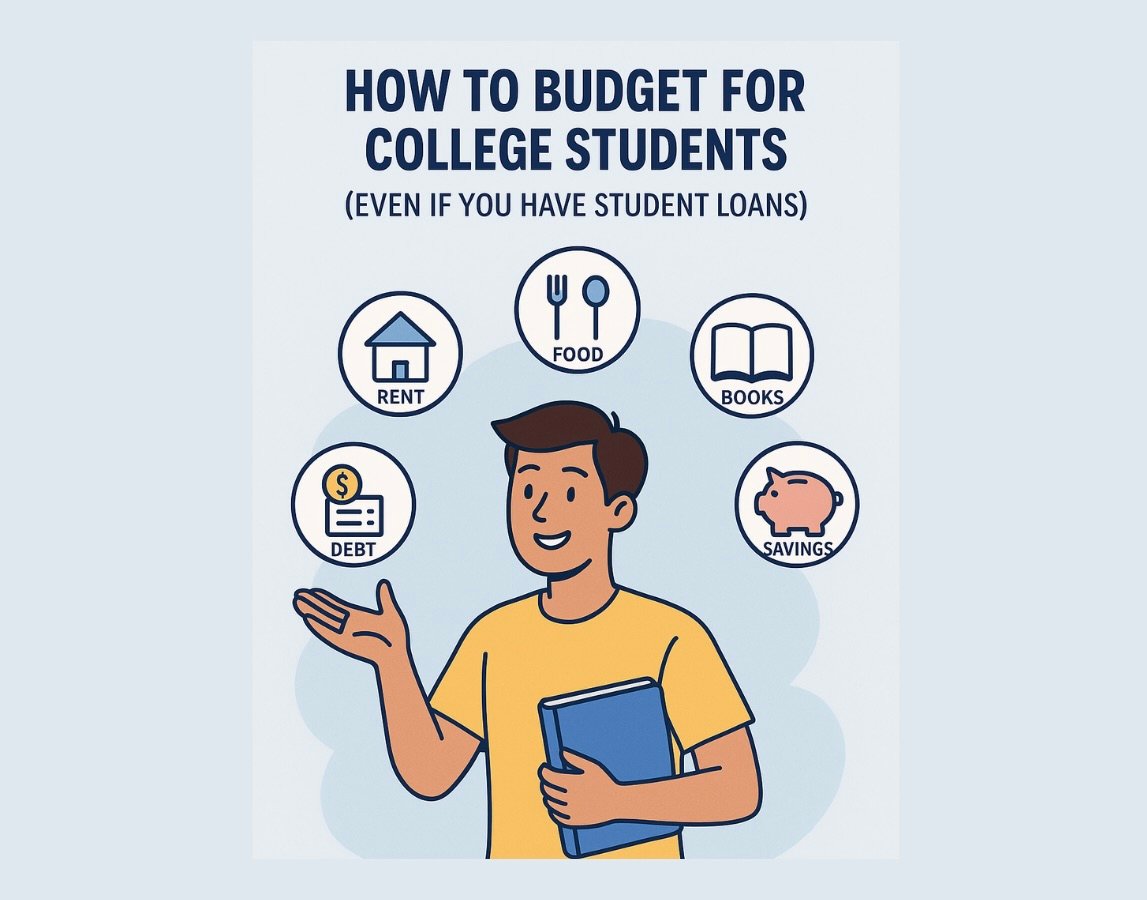
College can be one of the most exciting yet financially stressful times of your life. Between tuition, books, rent, food, and the occasional night out, your money disappears faster than you realize. Add student loans into the mix, and it can feel like budgeting is impossible. But the truth is—creating a realistic budget now can save you from years of financial headaches later.

The Ultimate Monthly Budget Checklist: 15 Things You Shouldn’t Forget

Monthly Budget Checklist - FG.jpeg

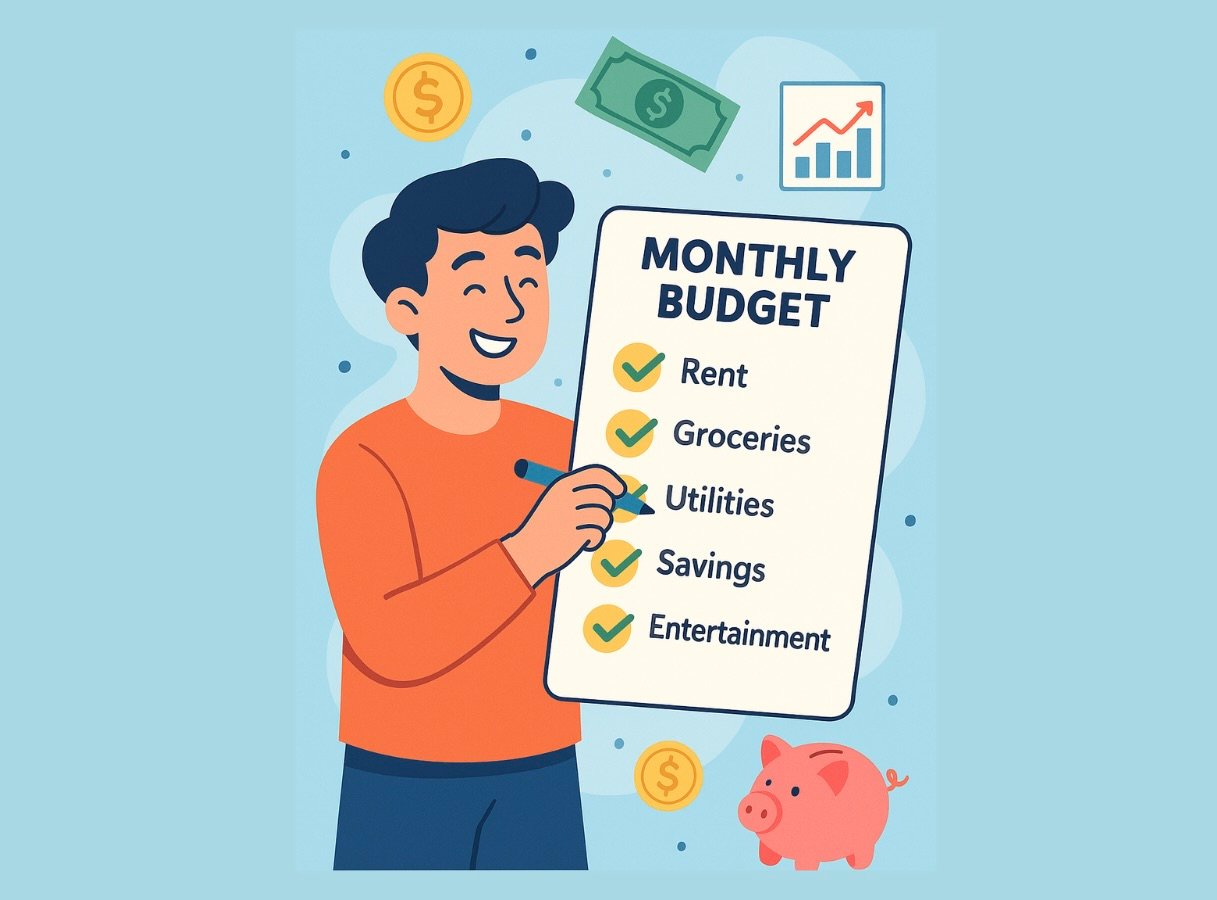
Creating a monthly budget is one thing. Remembering all the hidden expenses that can throw it off is another. Most people cover the big categories — rent, groceries, and bills — but forget about the smaller, less obvious ones. Those little slip-ups can easily derail even the best budget.

Digital Budgeting Tools vs Pen and Paper: Which Actually Saves You More Money?

Digital Budgeting Tools vs. Pen-and-Paper Which Actually Saves You More Money? - FG

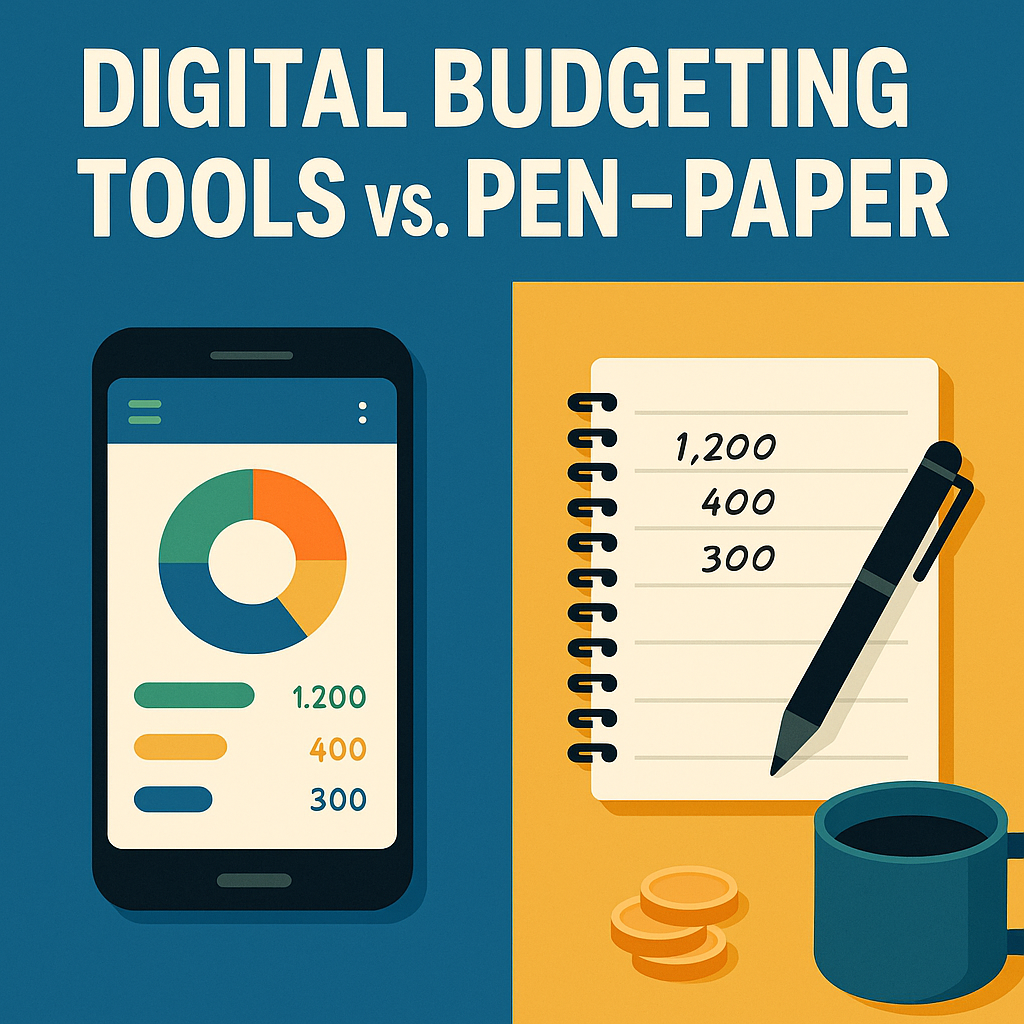
Budgeting has been around long before spreadsheets and online calculators existed. Our grandparents managed money with nothing more than notebooks, envelopes, and a bit of math. Today, digital tools — from budget calculators to spreadsheets and expense trackers — promise convenience and precision. But when it comes to actually saving money, do these modern tools beat the old-school pen-and-paper approach?

How to Budget with the 60/20/20 Rule (and Is It Better Than 50/30/20?)

How to Budget with the 60/20/20 Rule (and Is It Better Than 50/30/20?) - FG

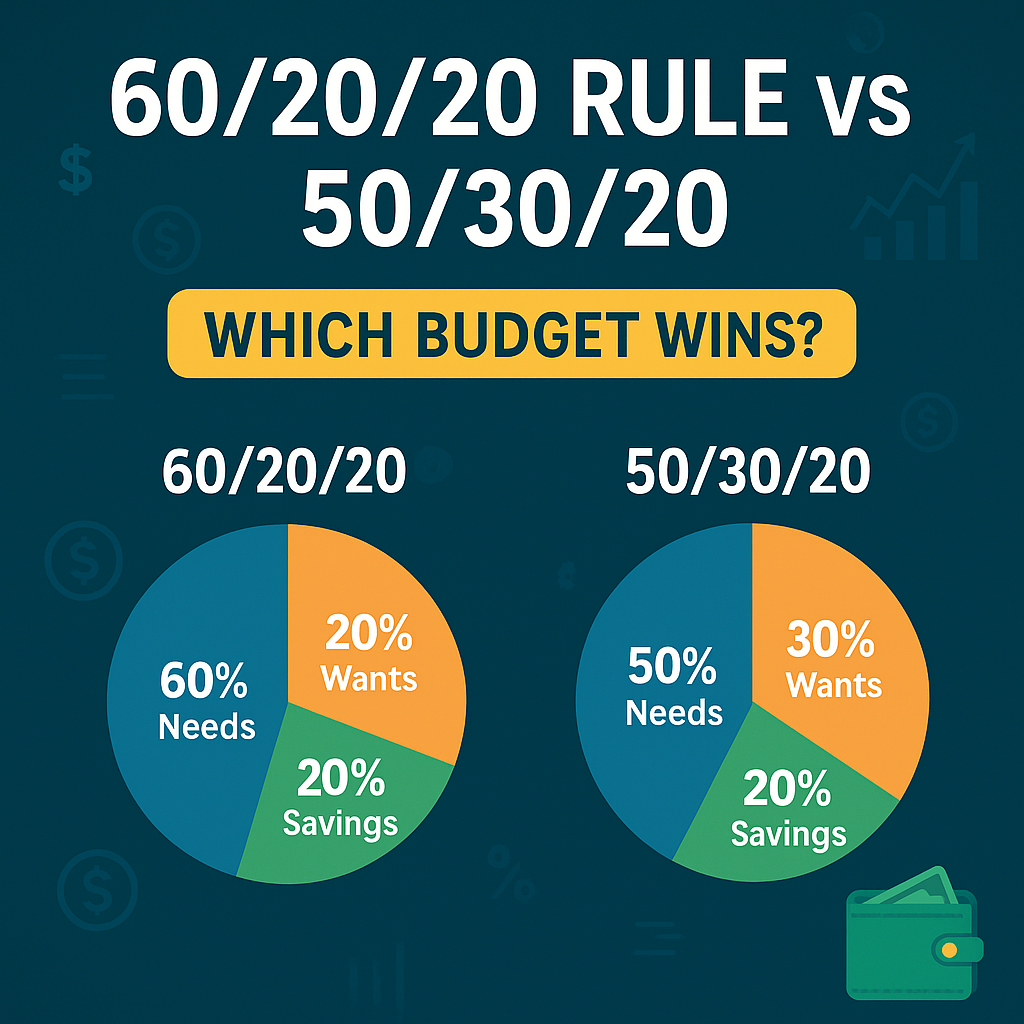
Budgeting is often described as the backbone of financial stability, but finding the right system isn’t always straightforward. For years, the 50/30/20 budget rule has been one of the most popular methods for managing money. It divides income into neat categories of needs, wants, and savings. But here’s the catch: not everyone’s lifestyle or expenses fit neatly into that formula.

How to Fix Your Budget After Blowing It

How to Fix Your Budget After Blowing It - FG

We’ve all been there — you start the month with a solid budget plan, then suddenly an unplanned shopping spree, weekend getaway, or extra takeout orders throw everything off track. The good news? Blowing your budget doesn’t mean all is lost. What matters most is how quickly (and calmly) you bounce back.