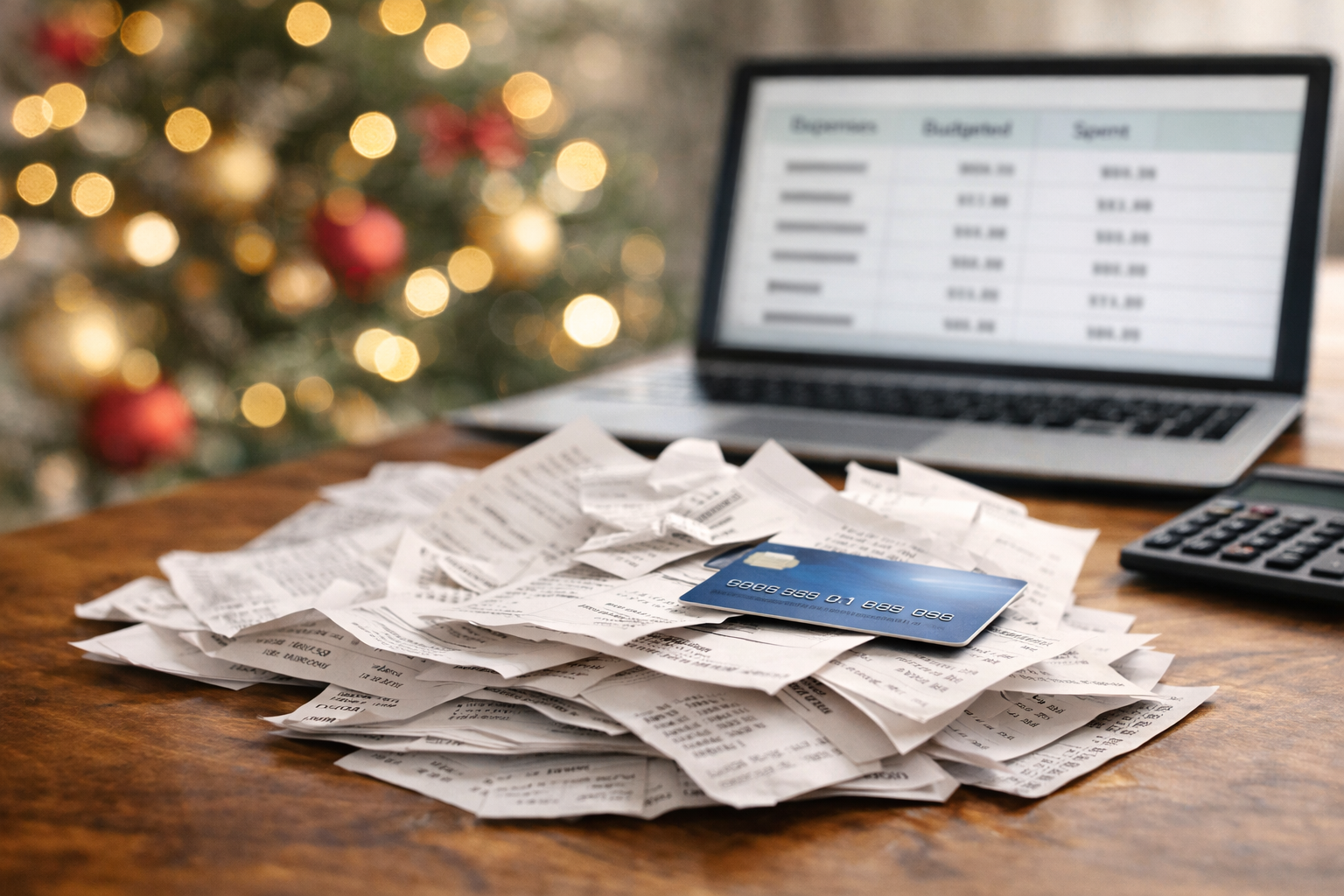
The holidays are over, the decorations are coming down, and then it hits — the credit card statements, the lower bank balance, and the realization that end-of-year spending went a little (or a lot) too far. If you’re feeling regret after overspending during Thanksgiving, Christmas, New Year’s, travel, gifts, or holiday sales, you’re not alone.
Holiday spending regrets are incredibly common. The good news is that overspending at the end of the year doesn’t mean you’ve failed financially. It simply means you need a reset — and with the right plan, recovery is absolutely possible.
Why Holiday Overspending Happens So Easily
End-of-year spending has a way of sneaking up on even the most careful planners. Between gift-giving, travel, hosting, food, decorations, and “limited-time” sales, expenses pile up faster than expected. Add emotional spending, social pressure, and the mindset of “I’ll deal with it in January,” and it’s easy to see how holiday debt builds.
Many people don’t realize how much they’ve overspent until the new year begins. That moment of clarity can feel overwhelming — but it’s also the perfect time to take control.
Step 1: Face the Numbers Without Panic
The first step to recovering from holiday overspending is understanding the full picture. This doesn’t mean judging yourself or feeling guilty — it means getting clarity.
Take time to:
- Review credit card balances
- Check buy-now-pay-later payments
- Look at savings withdrawals made during the holidays
- Note interest rates and minimum payments
Seeing the numbers clearly helps remove uncertainty. A monthly budget calculator can make this step much easier by showing where your money is currently going and how much flexibility you actually have moving forward.
Step 2: Build a Short-Term Recovery Budget
Instead of trying to “fix everything” at once, focus on creating a realistic recovery budget for the next two to three months. January through March is the ideal window to stabilize after end-of-year overspending.
Prioritize:
- Rent or mortgage
- Utilities
- Groceries
- Transportation
- Minimum debt payments
Then look for temporary adjustments. This might mean fewer takeout meals, pausing subscriptions, or cutting back on non-essential spending for a short period. The goal isn’t extreme restriction — it’s breathing room.
Step 3: Tackle Holiday Debt Strategically
Once your recovery budget is in place, it’s time to address holiday debt with a plan rather than stress-driven decisions.
Start by focusing on:
- High-interest credit cards
- Missed or upcoming payments
- Balances that are growing fastest
If possible, pay more than the minimum on high-interest debt while continuing minimum payments elsewhere. Avoid spreading extra money thinly across all balances — prioritization makes a bigger impact.
Most importantly, resist the urge to panic-pay by draining emergency savings unless absolutely necessary. Recovery is about balance, not creating a new financial problem.
Step 4: Stop the Bleeding Before It Gets Worse
One of the biggest mistakes after holiday overspending is continuing “normal” spending habits without adjustment. Even small daily purchases can slow your recovery if nothing changes.
Take a temporary pause on:
- Unnecessary online shopping
- Impulse spending
- New subscriptions
- Lifestyle upgrades
This doesn’t mean eliminating all joy — it means being intentional. Knowing this pause is temporary makes it much easier to stick with.
Step 5: Avoid Common Post-Holiday Money Mistakes
After overspending, many people fall into patterns that actually delay recovery. Try to avoid:
- Ignoring statements and hoping the problem disappears
- Cutting essentials like groceries too aggressively
- Giving up on budgeting because it feels discouraging
- Making unrealistic promises you can’t maintain
Progress comes from consistency, not perfection. Even small improvements add up over time.
Step 6: Plan Ahead So This Doesn’t Happen Next Year
Once you’re back on stable ground, use this experience as a learning opportunity rather than a regret. Holiday spending doesn’t have to derail your finances every year.
Simple ways to prepare:
- Start a small holiday sinking fund early in the year
- Set spending limits for gifts and travel in advance
- Budget for enjoyment instead of aiming for “perfect” behavior
- Track holiday spending separately so it doesn’t blur into everyday expenses
Planning ahead removes the stress and guilt that often come with end-of-year spending.
How a Monthly Budget Helps You Recover Faster
Recovering from holiday spending regrets is much easier when you have a clear, organized view of your finances. A monthly budget helps you understand where your money needs to go, what can be adjusted, and how long recovery will realistically take.
Instead of guessing or relying on willpower alone, using a monthly budget calculator allows you to:
- See your full financial picture at a glance
- Adjust spending categories without overwhelm
- Create a realistic plan you can actually stick to
Clarity reduces stress — and stress is often what leads to overspending in the first place.
Final Thoughts
Holiday spending regrets don’t define your financial future. They’re a common experience and, more importantly, a fixable one. With a clear plan, a realistic budget, and a short-term recovery mindset, you can regain control faster than you might expect.
The holidays may be over, but this can still be the start of a stronger, healthier financial year.