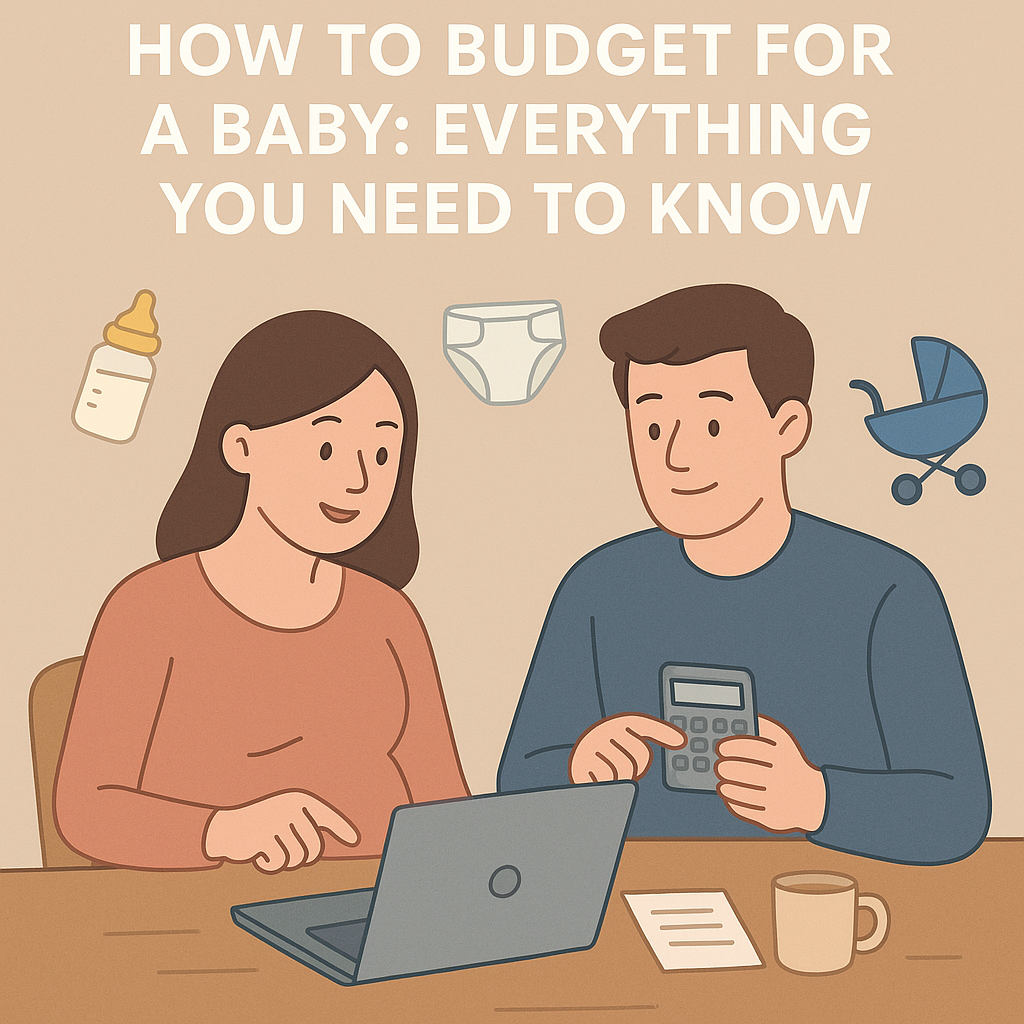
Welcoming a baby into your life is a joyous occasion, but it also brings about significant financial changes. Proper budgeting can help you manage these changes effectively. In this comprehensive guide, we’ll explore how to budget for a baby, covering both one-time and ongoing expenses, and provide practical tips to ensure financial stability during this exciting time.
Understanding Baby-Related Expenses
One-Time Expenses:
These are initial costs you’ll incur before and shortly after the baby’s arrival:
- Maternity and Delivery Costs: Depending on your location and healthcare provider, delivery expenses can vary significantly. In some regions, out-of-pocket expenses for labor and delivery can range from $2,655 to $3,214 Investopedia.
- Baby Gear: Essential items include a crib, stroller, car seat, and baby monitor. It’s advisable to research and budget for these items in advance.
- Nursery Setup: Furniture, bedding, and decor are part of creating a comfortable space for your baby.
Ongoing Expenses:
These are recurring costs you’ll need to plan for:
- Diapers and Wipes: Babies go through numerous diapers daily. The average baby uses six to ten diapers a day, which can set you back $70 to $80 per month WealthKeel Advisors LLC.
- Formula or Breastfeeding Supplies: If you’re not breastfeeding, formula can be a significant expense. Additionally, consider the cost of breastfeeding accessories if applicable.
- Healthcare: Regular pediatrician visits, vaccinations, and any unforeseen medical expenses should be factored into your budget.
- Childcare: Depending on your work situation, childcare can be a substantial monthly cost. In some areas, daycare averages $343 per week Investopedia.
Tips for Effective Baby Budgeting
- Start Early: Begin planning your budget as soon as you find out you’re expecting. This gives you ample time to adjust and save.
- Track Your Spending: Use budgeting tools or apps to monitor your expenses. This helps identify areas where you can cut back.
- Prioritize Needs Over Wants: Focus on purchasing essential items first. It’s easy to get caught up in buying unnecessary baby products.
- Consider Secondhand Items: Many baby items are used for a short period. Consider buying gently used items to save money.
- Build an Emergency Fund: Having a financial cushion can help manage unexpected expenses without stress.
Final Thoughts
Budgeting for a baby is an essential step in preparing for parenthood. By understanding the various expenses and implementing effective budgeting strategies, you can ensure financial stability and focus on enjoying the new addition to your family. Remember, planning ahead and staying informed are key to managing the financial aspects of raising a child.
I am perpetually thought about this, appreciate it for posting.