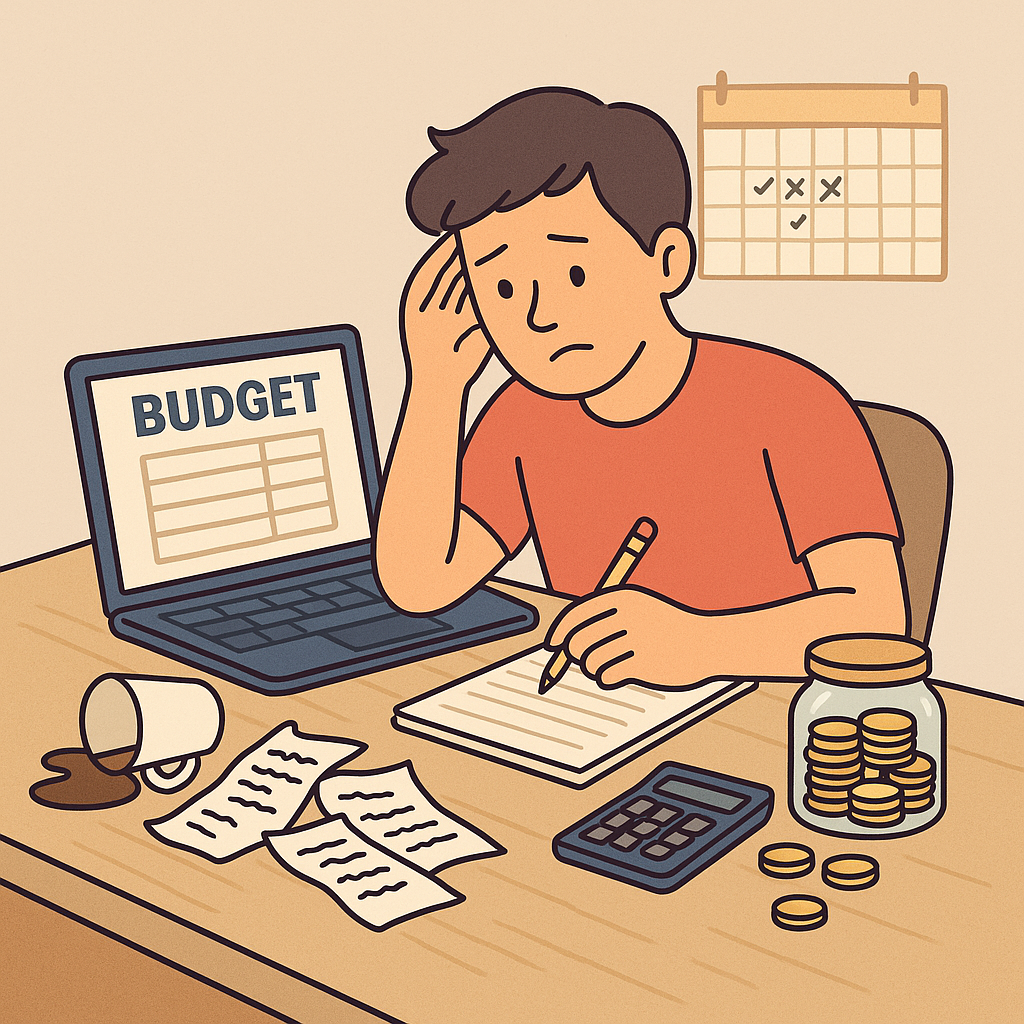
We’ve all been there — you start the month with a solid budget plan, then suddenly an unplanned shopping spree, weekend getaway, or extra takeout orders throw everything off track. The good news? Blowing your budget doesn’t mean all is lost. What matters most is how quickly (and calmly) you bounce back.
Here’s how to fix your budget after overspending and get back in control.
1. Don’t Beat Yourself Up
The first step is accepting that mistakes happen. Budgets are a tool, not a test. Feeling guilty won’t fix your money, but making adjustments will.
2. Figure Out Where You Overspent
Look through your transactions and pinpoint where things went off course. Was it groceries, dining out, subscriptions, or entertainment? Knowing exactly what caused the slip helps you prevent it next time.
3. Adjust the Rest of the Month
You can’t undo the overspending, but you can rebalance. If you went $200 over on dining out, try trimming that amount from other flexible categories like shopping, entertainment, or takeout for the rest of the month.
4. Use Your Emergency (or Buffer) Fund Wisely
If the overspending was caused by something unavoidable, like a car repair, your emergency fund or buffer fund is there to help. Just remember: if you dip into savings, make a plan to rebuild it.
5. Revisit Your Budget Categories
Sometimes overspending is a sign your budget wasn’t realistic. If you constantly overshoot your grocery budget, it may need adjusting. A budget should fit your life, not fight it.
6. Learn and Move Forward
Blowing your budget is a chance to learn, not quit. Take note of the triggers—whether it’s impulse shopping, social outings, or unexpected bills—and plan ahead for next time.
Final Thoughts
Fixing your budget after blowing it is about balance, not punishment. A single slip doesn’t ruin your financial progress. What matters is how quickly you realign and keep moving forward. With a few tweaks and a little discipline, you’ll be back on track in no time.