Understanding the Psychology of Saving: Why Our Minds Resist and How to Overcome It
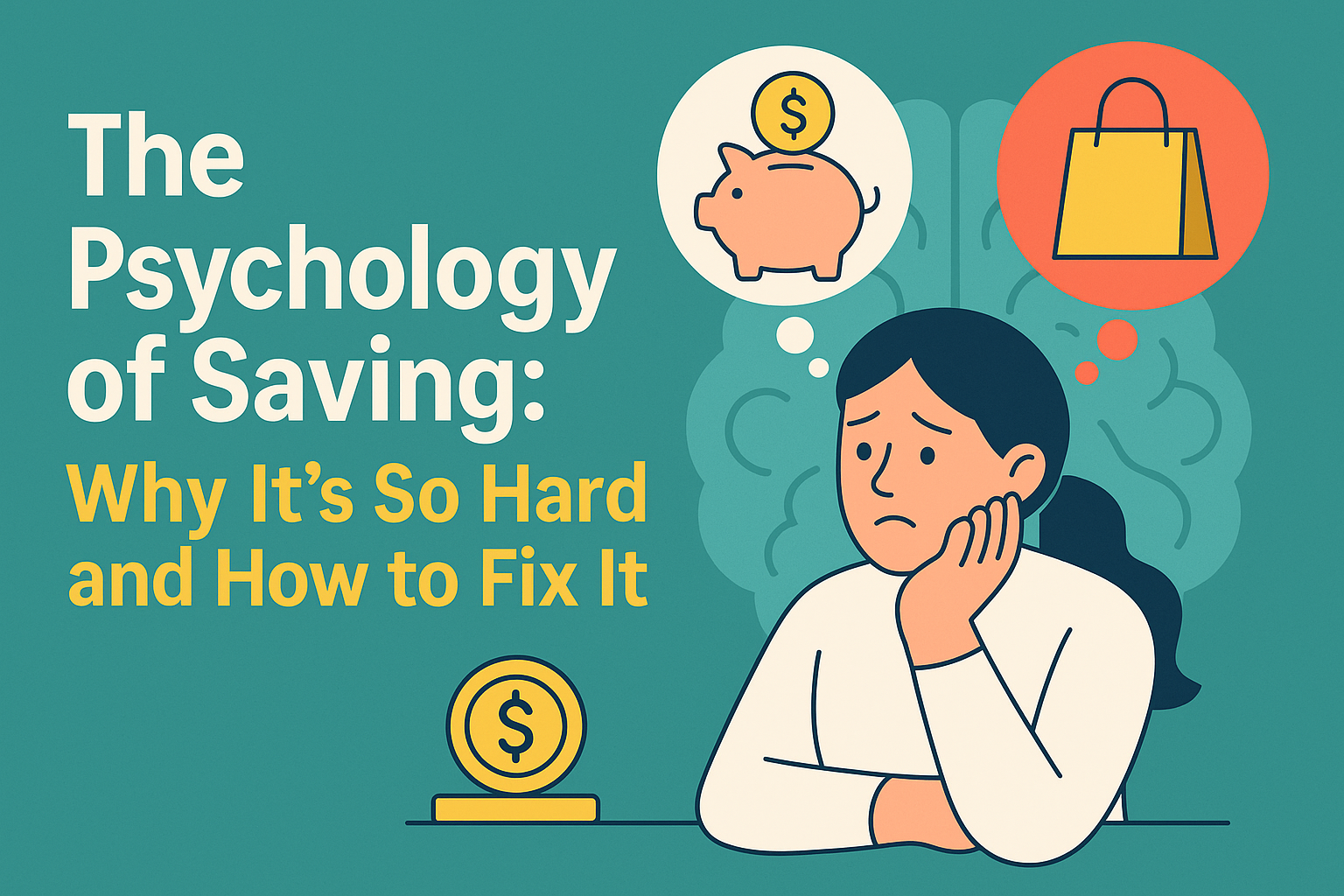
Saving money sounds simple, right? Spend less than you earn and set aside the difference. Yet, studies show that 63% of Americans can’t cover a $1,000 emergency expense without borrowing or selling something. So, why is saving money so hard—even when we know it’s important?
The answer isn’t lack of knowledge. It’s not because people don’t understand budgeting (though that helps). The real challenge lies in psychology—how our brains are wired to prioritize short-term pleasure over long-term security.
The good news? Once you understand these psychological barriers, you can beat them. This article will break down why saving feels so difficult, the behavioral science behind it, and practical steps to make saving easier than ever.
Why Saving Feels So Hard
Ever noticed how it’s easier to spend $50 on a dinner out than put $50 in savings? That’s not a math problem—it’s a mindset problem. Here’s why:
1. Instant Gratification Wins
We’re wired to want rewards now, not later. Buying a new gadget feels great today. Saving for retirement? That’s a reward for “future you,” which your brain doesn’t prioritize as much.
2. Lifestyle Inflation
When income rises, expenses rise too. We justify nicer clothes, more dining out, and bigger homes because “we can afford it.” But this leaves little room for savings.
3. Emotional Spending
Stress, boredom, and even happiness trigger spending. Ever heard of retail therapy? That’s your brain chasing a dopamine hit.
Want to fight these habits? It starts with awareness. Understanding why saving is hard is the first step toward change.
The Science Behind Saving Behavior
Behavioral economics explains why we often fail at saving:
- Present Bias – We prefer a small reward today over a big reward later.
- Loss Aversion – Losing $100 feels twice as painful as gaining $100 feels good. Saving money feels like “losing” spending power now.
- Overconfidence – “I’ll save next month” is a trap. We overestimate future discipline and underestimate future expenses.
Sound familiar? These are the same mental traps that lead to overspending. (Read: The Psychology of Overspending: Why You Blow Your Budget).
Psychological Barriers That Sabotage Saving
1. Overconfidence in Future Income
“I’ll start saving after my next raise.” This mindset keeps people stuck because new income often comes with new expenses.
2. Anchoring to Lifestyle
If you’re used to eating out 5 times a week, cutting down to 2 feels like deprivation—even if it helps you save thousands a year.
3. Fear of Missing Out (FOMO)
Social media makes us feel like everyone is living their best life. Skipping that weekend trip feels like missing out, even if it means financial peace.
Want to learn how to stop these traps? It starts with budgeting. Check out: How to Create a Monthly Budget (Even If You’re Bad with Money).
How to Fix It: Practical Strategies That Actually Work
If saving money feels impossible, these proven strategies can help:
✅ 1. Automate Your Savings
Set up an automatic transfer to savings on payday. If you never see the money, you won’t miss it.
(Also read: What Percentage of Income Should Go to Savings? The Smart Money Formula Everyone Should Know.)
✅ 2. Start Small for Big Wins
Saving $20 a week doesn’t sound like much—but that’s over $1,000 in a year. Small wins build confidence and habits.
✅ 3. Use Mental Accounting
Create “buckets” for savings: emergency fund, vacation fund, down payment. This gives saving purpose and makes it exciting.
✅ 4. Gamify the Process
Celebrate milestones. Hit $500? Treat yourself to something small. Positive reinforcement keeps you going.
✅ 5. Use the 50/30/20 Rule
Follow the simple 50/30/20 Budget Rule. Spend 50% on needs, 30% on wants, and save 20%. This simple structure takes the guesswork out of saving.
Tools That Make Saving Effortless
Behavioral psychology shows that tools can create automatic good habits and help you avoid common budgeting mistakes:
- Monthly Budget Calculator – A free tool to plan your expenses and savings in minutes.
- Apps like YNAB (You Need A Budget) or Digit that automate saving based on spending patterns.
Final Thoughts
Saving money isn’t about math—it’s about mindset. Once you understand the psychology of saving, you can build habits that work with your brain, not against it.
Start small. Automate your savings. Use tools that make saving effortless. And most importantly—make it fun.
Ready to take control of your finances? Use our Monthly Budget Calculator and start saving today!
Hello, I think your website might be having browser compatibility issues. When I look at your website in Safari, it looks fine but when opening in Internet Explorer, it has some overlapping. I just wanted to give you a quick heads up! Other then that, amazing blog!