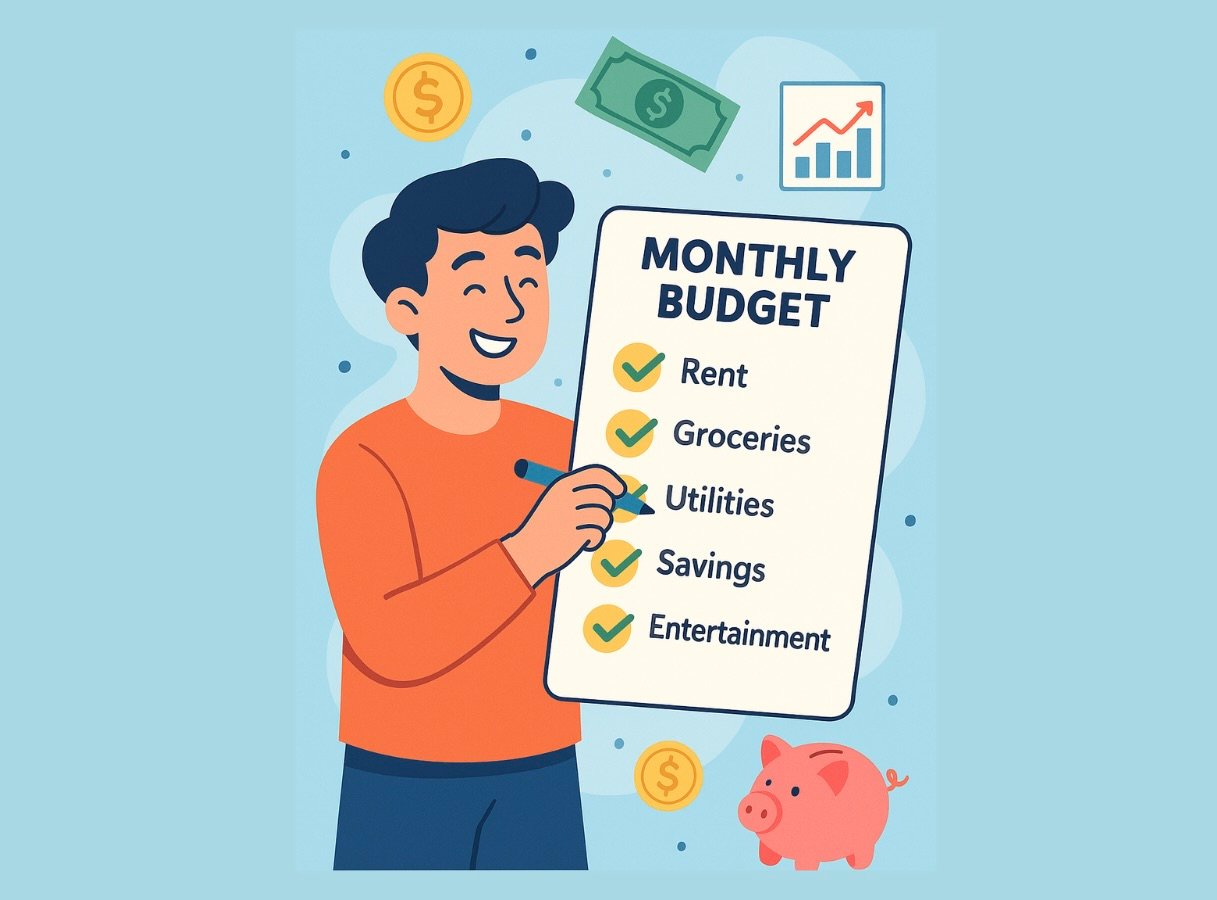
Creating a monthly budget is one thing. Remembering all the hidden expenses that can throw it off is another. Most people cover the big categories — rent, groceries, and bills — but forget about the smaller, less obvious ones. Those little slip-ups can easily derail even the best budget.
That’s where a monthly budget checklist becomes your best friend. It’s not just about listing expenses — it’s about making sure nothing falls through the cracks. Here are 15 things you should always include when building your budget.
1. Housing Costs
Your housing payment — rent or mortgage — is usually the biggest slice of your budget. A good rule of thumb is to keep it around 30% of your monthly income so you’re not “house poor.” If your rent or mortgage eats up too much, the rest of your budget will constantly feel tight. Downsizing, getting a roommate, or refinancing could free up extra cash for savings and debt payments.
2. Utilities
Electricity, gas, water, trash, and internet are easy to overlook when you’re just thinking about “bills.” These costs can also spike during certain months (hello, summer AC and winter heating). To stay on top, check your past bills and use an average when budgeting. Small tweaks — like negotiating a cheaper internet plan or switching to energy-efficient bulbs — can save you real money over time.
3. Groceries
Food is one of the trickiest categories because it feels like it should be predictable — but it rarely is. You may aim for $300 but end up spending $500 with impulse buys or takeout. To stay on track, plan meals ahead, make a shopping list, and buy in bulk for staples. Treat dining out separately so you don’t blur the lines between “groceries” and “restaurants.”
4. Transportation
Getting from point A to B isn’t free. If you drive, you’ll need to account for gas, insurance, car payments, maintenance, and registration. Public transit riders should budget for passes, tickets, or rideshares. A lot of people forget maintenance until the car breaks down — but setting aside a small amount each month for repairs can save you from a budget meltdown later.
5. Debt Payments
Student loans, credit cards, or personal loans should all have a place in your budget. Missing even one payment can hurt your credit score and cost you in late fees. Decide whether you’ll use the snowball method (paying off smallest balances first) or the avalanche method (tackling high-interest debt first). The important part is to make debt repayment a non-negotiable item in your budget.
6. Savings & Emergency Fund
Think of this as paying yourself first. Whether it’s short-term savings or building an emergency fund, setting money aside is essential. Even if you can only start with $25 or $50 a month, the habit matters more than the amount. Over time, you’ll build a cushion that keeps you from relying on credit cards when life throws you a curveball.
7. Insurance Premiums
Health, dental, vision, life, car, renter’s, or homeowner’s insurance — these premiums can add up fast. They may not hit your account every month (some are quarterly or annually), but planning for them monthly helps avoid surprises. A sinking fund for insurance is a smart way to spread the cost over the year.
8. Medical & Health Costs
Even with insurance, medical expenses can sneak into your budget. Co-pays, prescriptions, over-the-counter medicines, and the occasional urgent care visit all add up. It’s better to budget a small “health” category each month than to scramble when these costs come up.
9. Childcare & Education
If you have kids, you know childcare, tuition, after-school programs, or even summer camps aren’t cheap. Don’t forget school supplies, field trips, or extracurricular activities either. These recurring expenses often catch parents off guard, but a dedicated category will keep things predictable.
10. Subscriptions & Memberships
Netflix, Spotify, Amazon Prime, gym memberships, or app subscriptions may seem small individually, but together they can drain your wallet. Review these every few months — you might find you’re still paying for a service you barely use. Cancel what doesn’t spark joy (or savings).
11. Entertainment & Dining Out
Fun money is part of a healthy budget, but it needs a limit. Whether it’s movie nights, concerts, or restaurant meals, decide on a monthly cap. You’ll enjoy spending guilt-free knowing it was already planned for. If you consistently overspend here, consider finding cheaper alternatives like game nights at home or free local events.
12. Clothing & Personal Care
Clothing isn’t always a monthly purchase, which is why people forget it until they suddenly need new shoes or a winter coat. Setting aside even a small amount each month smooths out these costs. Add personal care here too — haircuts, toiletries, or cosmetics aren’t optional, but they are easy to overlook.
13. Gifts & Celebrations
Birthdays, weddings, anniversaries, and holidays are predictable, yet they surprise people every year. The best solution is a “gifts” sinking fund. Contribute a little each month, and when the big day comes, you’ll be ready without blowing your budget.
14. Travel & Vacations
Even if you don’t travel often, vacations and weekend getaways should have their own line in your budget. Planning ahead not only makes trips less stressful but also gives you the chance to save money on early bookings. Even setting aside $50 a month can turn into a solid travel fund by the end of the year.
15. Miscellaneous Buffer
No budget is perfect. A miscellaneous category acts as your safety net for random expenses — from parking tickets to last-minute school projects. It doesn’t need to be huge ($50–$100 works for most people), but it will keep you from feeling like you “blew the budget” over something small.
Final Thoughts
A monthly budget checklist isn’t about being restrictive — it’s about being prepared. When you include all of these 15 categories, you reduce the chance of surprises and give yourself more control over your money. Remember: budgeting isn’t about perfection; it’s about consistency. Cover your bases, and you’ll build financial stability one month at a time.
Whats up very cool website!! Man .. Excellent .. Amazing .. I will bookmark your website and take the feeds alsoKI am satisfied to search out so many helpful information here within the publish, we want develop more strategies in this regard, thank you for sharing. . . . . .