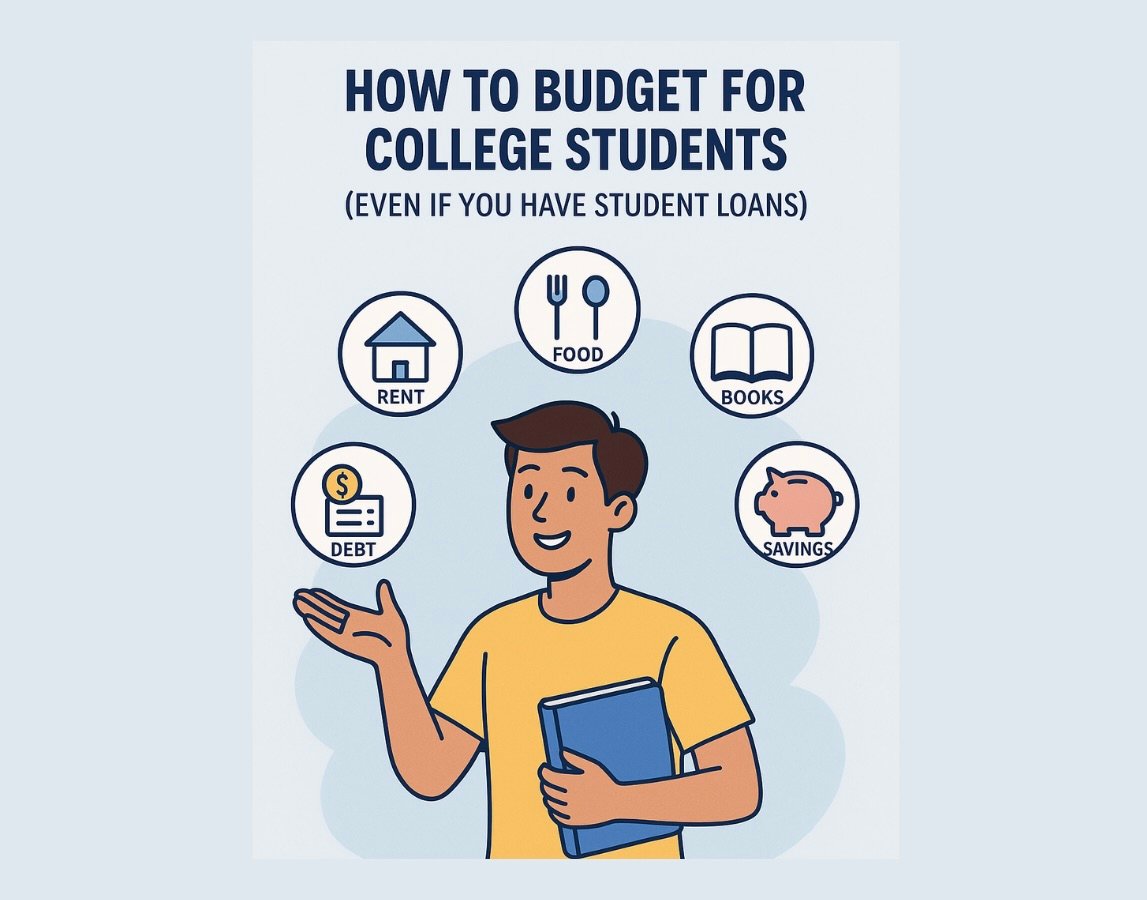
College can be one of the most exciting yet financially stressful times of your life. Between tuition, books, rent, food, and the occasional night out, your money disappears faster than you realize. Add student loans into the mix, and it can feel like budgeting is impossible. But the truth is—creating a realistic budget now can save you from years of financial headaches later.
Whether you’re living off financial aid, a part-time job, or parental support, learning how to budget as a college student is one of the best skills you can build for long-term financial success.
Step 1: Know Your Income Sources
Start by listing out all the money coming in. This could be from:
Part-time jobs or side hustles
Scholarships and grants
Financial aid refunds
Support from family
Savings from summer jobs
If you’re living paycheck to paycheck while in school, don’t worry—you’re not alone. Many students juggle irregular income, so creating a plan that adjusts to fluctuations is key.
Step 2: Track Your Essential Expenses
Next, write down your non-negotiables—things you must pay for every month:
Rent or dorm fees
Utilities and internet
Groceries
Transportation (gas, bus pass, rideshare)
Minimum loan or credit card payments
Following the 30% rule for rent can help you avoid overspending on housing, leaving more room for essentials and savings.
Step 3: Apply a Simple Budgeting Framework
When you’re in college, you don’t need a complicated budgeting system. The 50/30/20 rule works well:
50% on needs (rent, food, transportation)
30% on wants (social life, streaming, hobbies)
20% on savings or debt repayment
If your income is limited, you may need to tweak this ratio. For example, if your rent eats up more than 50%, you can adjust by cutting back on wants until things balance out. Students with irregular income can also benefit from zero-based budgeting, where every dollar is assigned a job, making it easier to avoid overspending.
Step 4: Budget with Student Loans in Mind
Here’s the tricky part—student loans. While you may not be required to make payments until after graduation, it’s smart to factor them into your budget now:
Treat them like a future bill by setting aside a small monthly amount.
If possible, make interest-only payments while in school to reduce the balance later.
This habit prepares you for real repayment and prevents sticker shock when the grace period ends.
Step 5: Build a Small Emergency Fund
College life is unpredictable—a flat tire, broken laptop, or last-minute flight home can wreck your budget. That’s why even students should aim to build a starter emergency fund.
You don’t need thousands right away—just $300–$500 in a savings account can be a game changer. As you progress, try building it up with simple frugal living hacks like cooking at home or using student discounts.
Step 6: Avoid Common Budgeting Mistakes
It’s easy to slip up when managing money in college. Some mistakes to watch out for:
Using credit cards for non-essentials and racking up debt
Forgetting to plan for irregular expenses like textbooks or travel
Blowing the budget on social events
Not tracking where your money actually goes
Awareness is half the battle. If you find yourself slipping, you can always fix your budget after blowing it instead of giving up completely.
Step 7: Make Saving Automatic
Even if it’s just $20 per paycheck, automate your savings. Setting up a direct transfer into a savings account takes the temptation out of your hands. Over time, these small amounts add up and can help you save for future goals like study abroad trips, spring break, or even early retirement.
Step 8: Balance Fun and Responsibility
College isn’t just about studying and paying bills—it’s about enjoying the experience. A strict budget that leaves you feeling miserable won’t last. Instead, allow yourself some “fun money” each month. The key is to spend it guilt-free because you already planned for it.
Final Thoughts
Budgeting as a college student with student loans might sound overwhelming, but it’s completely doable with the right approach. By tracking your income, managing expenses, and preparing for both short-term surprises and long-term debt, you’re setting yourself up for financial stability after graduation.
Think of it this way: every smart money move you make now is future you saying thank you.