How Much Cash Should You Have at Home? Most People Get It Wrong

How Much Cash Should You Have at Home? Most People Get It Wrong - FG

In a world dominated by debit cards, mobile wallets, and online banking, keeping physical cash at home may seem old-fashioned.

But when power outages, severe weather, internet disruptions, or unexpected emergencies occur, cash can quickly become one of your most valuable assets.

So, how much cash should you actually keep at home?

The answer depends on your expenses, household size, and comfort level, but most people don’t need thousands of dollars hidden under the mattress.

Here’s how to determine the right emergency cash amount for your situation.

How Much Emergency Fund Amount Do You Really Need? Most People Get It Wrong

How Much Emergency Fund Amount Do You Really Need? Most People Get It Wrong - FG

Financial experts often recommend saving three to six months of expenses.

But is that really the right number for everyone?

Not necessarily.

The truth is, the ideal emergency fund amount depends on your lifestyle, income stability, family responsibilities, and how comfortable you are with risk. While some people may sleep well with three months of savings, others might need a year or more.

Here’s how to figure out what works best for you.

How To Build an Emergency Fund When Money Is Tight

How To Build an Emergency Fund When Money Is Tight - FG.png

Saving money sounds simple in theory — until real life gets in the way.

Between rent, groceries, bills, debt payments, rising prices, and everyday expenses, many people feel like there’s barely anything left to save at the end of the month. For households already living paycheck to paycheck, the idea of building an emergency fund can feel completely unrealistic.

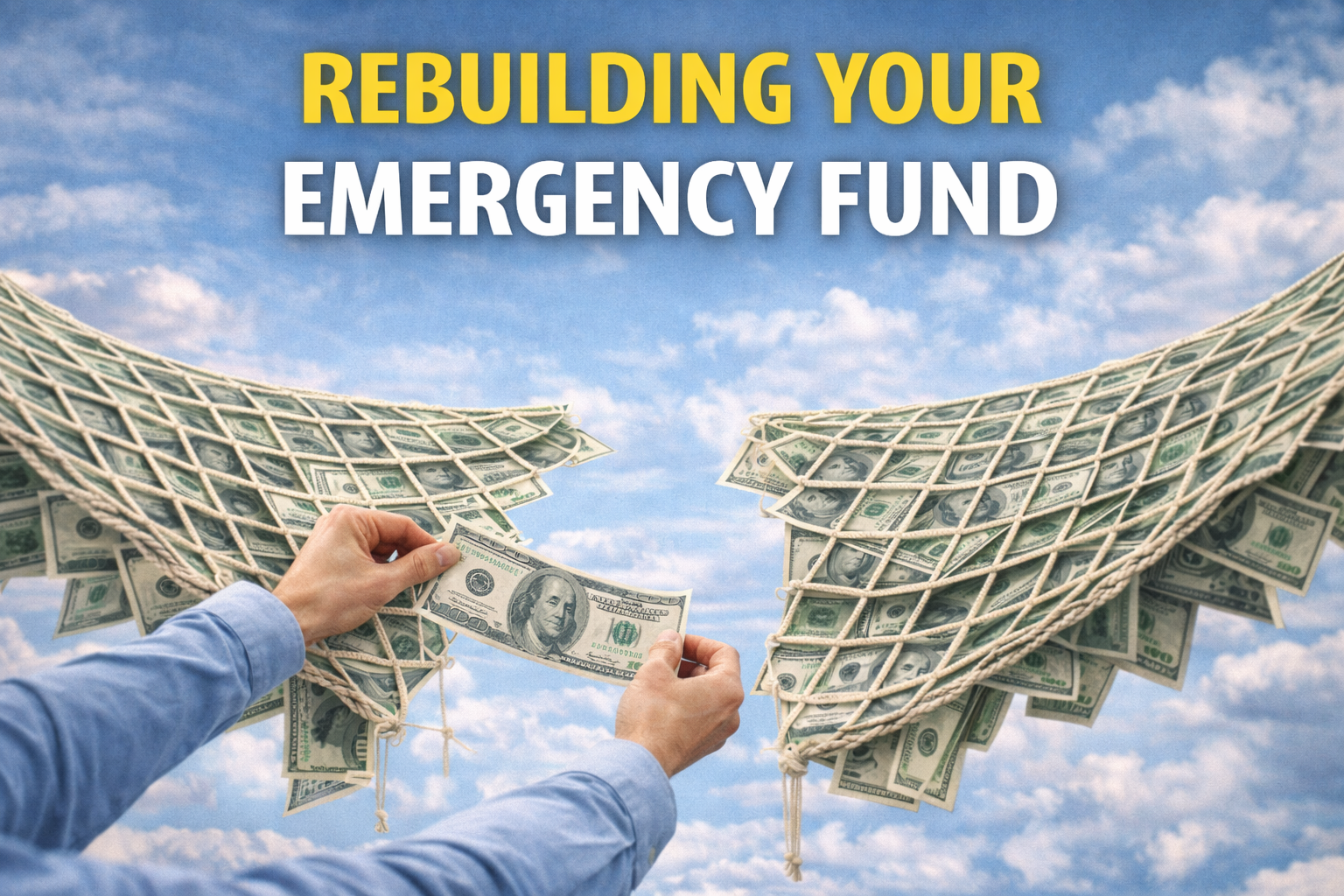
How to Rebuild Your Emergency Fund After Using It

How to Rebuild Your Emergency Fund After Using It - FG.png

An emergency fund exists for one reason — to protect you when life throws unexpected expenses your way. Whether it was a medical bill, a car repair, or a sudden job loss, using your emergency fund means it served its purpose.

But once the crisis is over, the next important step is rebuilding that safety net. Restoring your emergency fund ensures you’re financially prepared the next time an unexpected expense appears.

When It’s Okay to Use Your Emergency Fund

When It’s Okay to Use Your Emergency Fund - FG

Building an emergency fund is one of the smartest financial moves you can make. It acts as a financial safety net when life throws unexpected problems your way.

But once you finally build that safety cushion, a new question appears: when is it actually okay to use it?

Many people either avoid touching their emergency savings at all costs or spend it too quickly on things that aren’t truly urgent. Knowing the difference can protect your finances and keep your safety net intact.

Here’s how to know when it’s the right time to use your emergency fund.

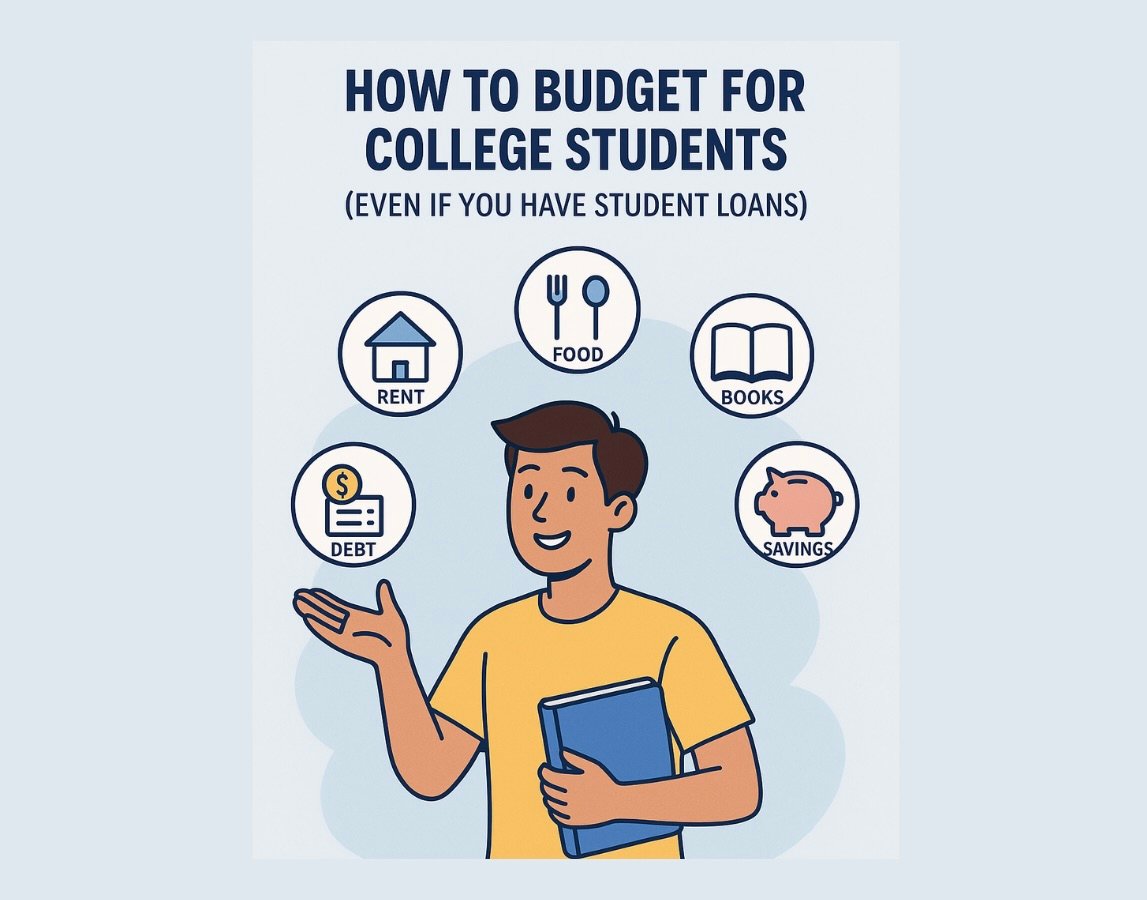
How to Budget for College Students (Even If You Have Student Loans)

How to Budget for College Students (Even If You Have Student Loans) - FG.jpeg

College can be one of the most exciting yet financially stressful times of your life. Between tuition, books, rent, food, and the occasional night out, your money disappears faster than you realize. Add student loans into the mix, and it can feel like budgeting is impossible. But the truth is—creating a realistic budget now can save you from years of financial headaches later.