You probably have not said, “I want to ruin my finances.” But you may have said something that quietly does the same thing:
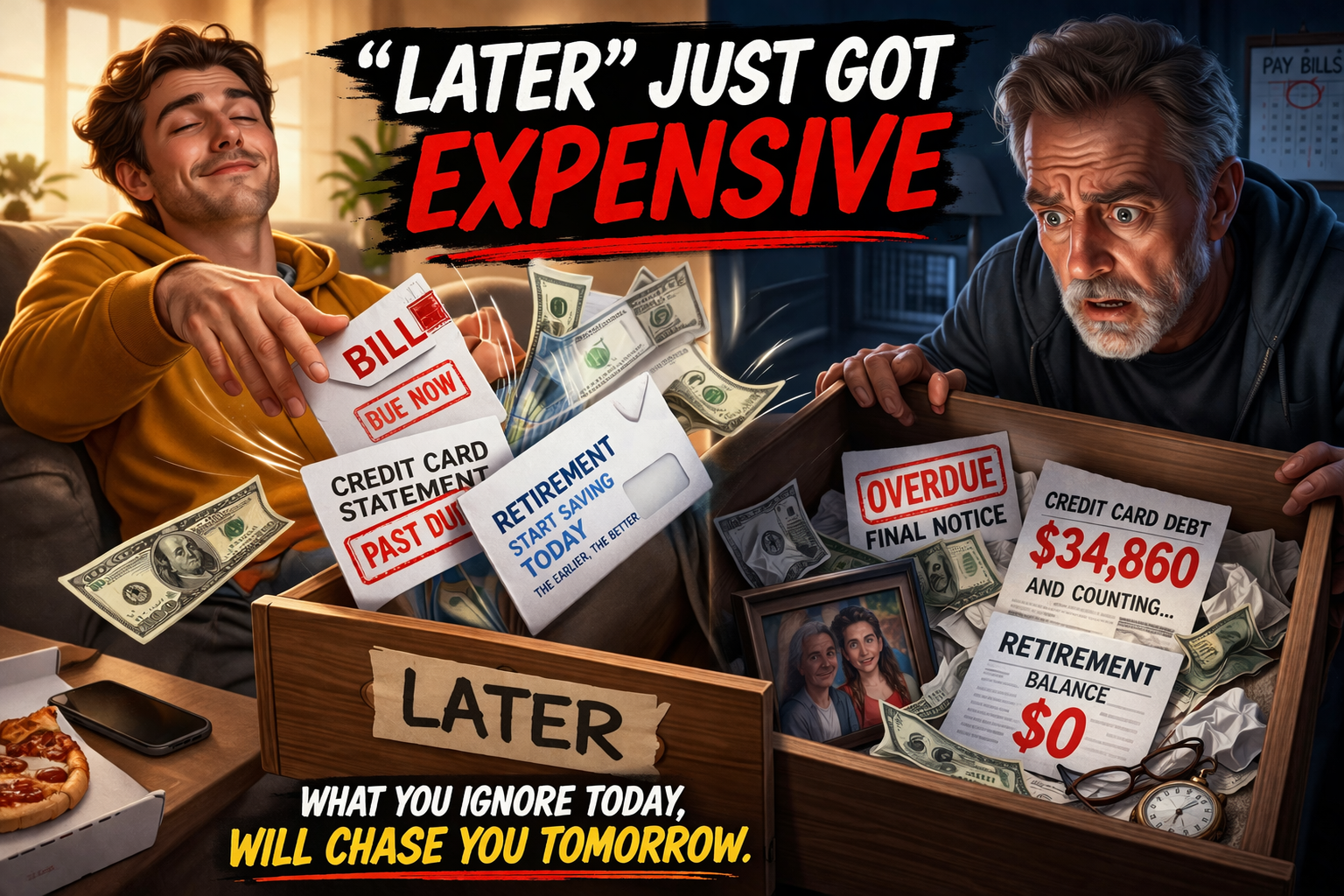
“I’ll figure it out later.”
People say it when they put off opening a credit card statement, starting a budget, saving for retirement, cancelling subscriptions, or finally looking at how much they actually spend every month.
The problem is that “later” almost always becomes more expensive.
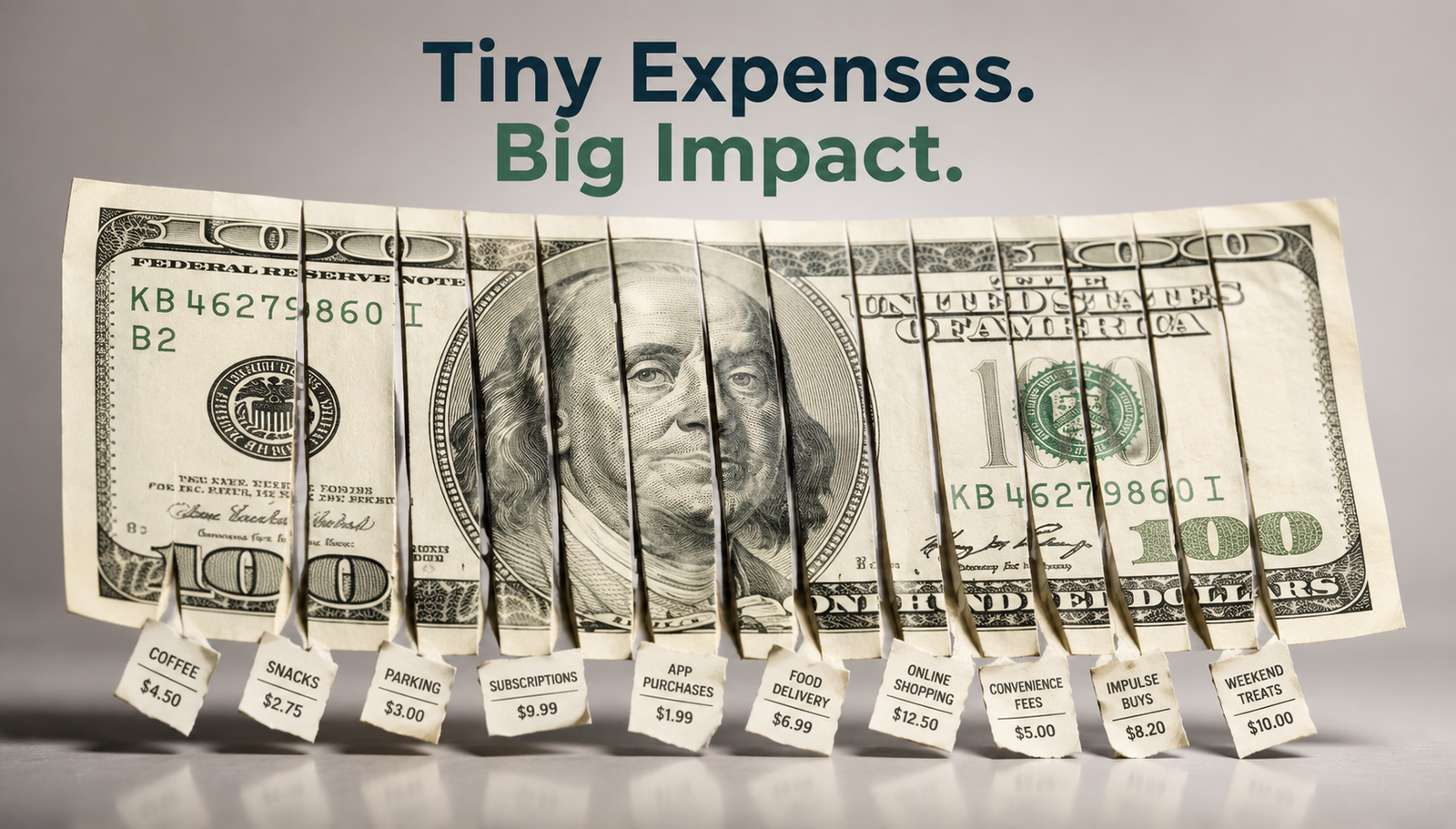
A small money problem today often turns into a much bigger one six months or a year from now. A missed credit card payment becomes hundreds of dollars in interest. A few ignored subscriptions become hundreds per year. Waiting to save for retirement means losing years of compound growth.
The cost is not just financial. Putting things off also creates stress, guilt, and that constant feeling that your money is somehow controlling you instead of the other way around.
Why People Keep Saying “I’ll Figure It Out Later”
Most people do not delay because they are lazy. They delay because money problems feel uncomfortable.
Sometimes it is easier to avoid checking your bank account than to face the fact that you overspent. Sometimes starting a budget feels overwhelming because you think you need a perfect spreadsheet, a dozen categories, and enough motivation to completely change your life overnight.
But waiting usually makes things harder.
The longer you avoid something, the more complicated and expensive it becomes. That is why one of the most powerful financial habits is learning to deal with small problems while they are still small.
1. Putting Off a Budget
A lot of people avoid budgeting because they think it will make them feel restricted.
So instead, they keep telling themselves they will figure things out later.
Later turns into another month of wondering where the money went. Another month of overdraft fees, impulse purchases, and surprise bills.
You do not need a perfect budget. You just need a simple plan.
Even spending 15 minutes writing down your monthly income, bills, savings goal, and rough spending categories can make a huge difference. A simple budget is always better than no budget.
2. Ignoring Credit Card Debt
Credit card debt is one of the most expensive examples of “I’ll figure it out later.”
Maybe you tell yourself you will pay it off next month. Then next month becomes three months. Then the balance grows.
A $2,000 balance at a high interest rate can quietly cost hundreds of extra dollars if you only make the minimum payment.
The worst part is that interest keeps growing even while you are ignoring it.
The sooner you make a plan, even a small one, the less money you lose.
3. Waiting Too Long To Save for Retirement
This is one of the biggest money regrets people have later in life.
Many people assume they will start saving “when they make more money.” But there is never a perfect time. There is always another expense, another bill, another reason to wait.
The problem is that time matters more than almost anything else when it comes to saving.
Saving a small amount now is often far more powerful than saving a much larger amount years later because your money has more time to grow.
The people who regret not starting earlier rarely wish they had invested more perfectly. They usually just wish they had started.
4. Avoiding Small Problems Until They Become Big Ones
There are dozens of small financial tasks people put off because they do not seem urgent:
cancelling subscriptions
checking insurance rates
fixing a leaking faucet
renewing a car registration
replacing worn tires
opening medical bills
None of these seem like a big deal in the moment.
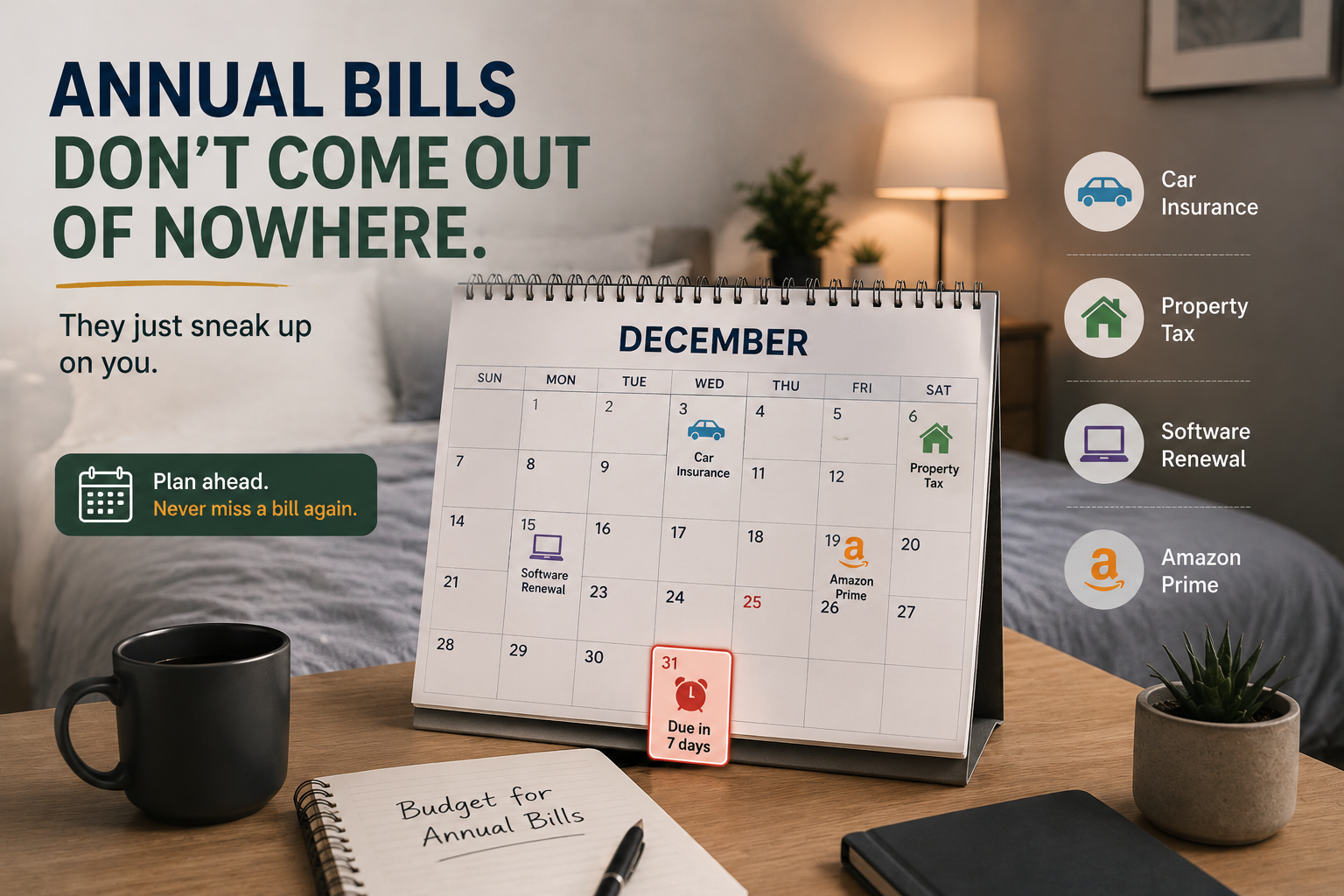
But when you ignore them, they often become more expensive. A tiny leak becomes a major repair. A missed due date becomes a late fee. A forgotten subscription quietly charges you for another year.
Small problems are usually cheaper to fix today than tomorrow.
5. Assuming Future You Will Somehow Have It Together
A lot of people secretly believe that future them will magically be better with money.
Future you will budget.
Future you will save.
Future you will finally stop impulse spending.
But future you is still you. The same habits, the same excuses, and the same tendencies usually follow you unless you make a change now.
The truth is that there is no future version of yourself coming to rescue your finances.
The only difference between people who eventually get control of their money and people who stay stuck is that one group stops waiting.
How To Stop Saying “I’ll Figure It Out Later”
You do not need to fix your entire financial life in one day.
In fact, trying to do everything at once is often why people give up.
Instead, pick one thing that you have been avoiding and spend 10 minutes on it today.
That could mean:
checking your credit card balance
cancelling one subscription
making a simple budget
setting up an automatic savings transfer
opening that bill you have been avoiding
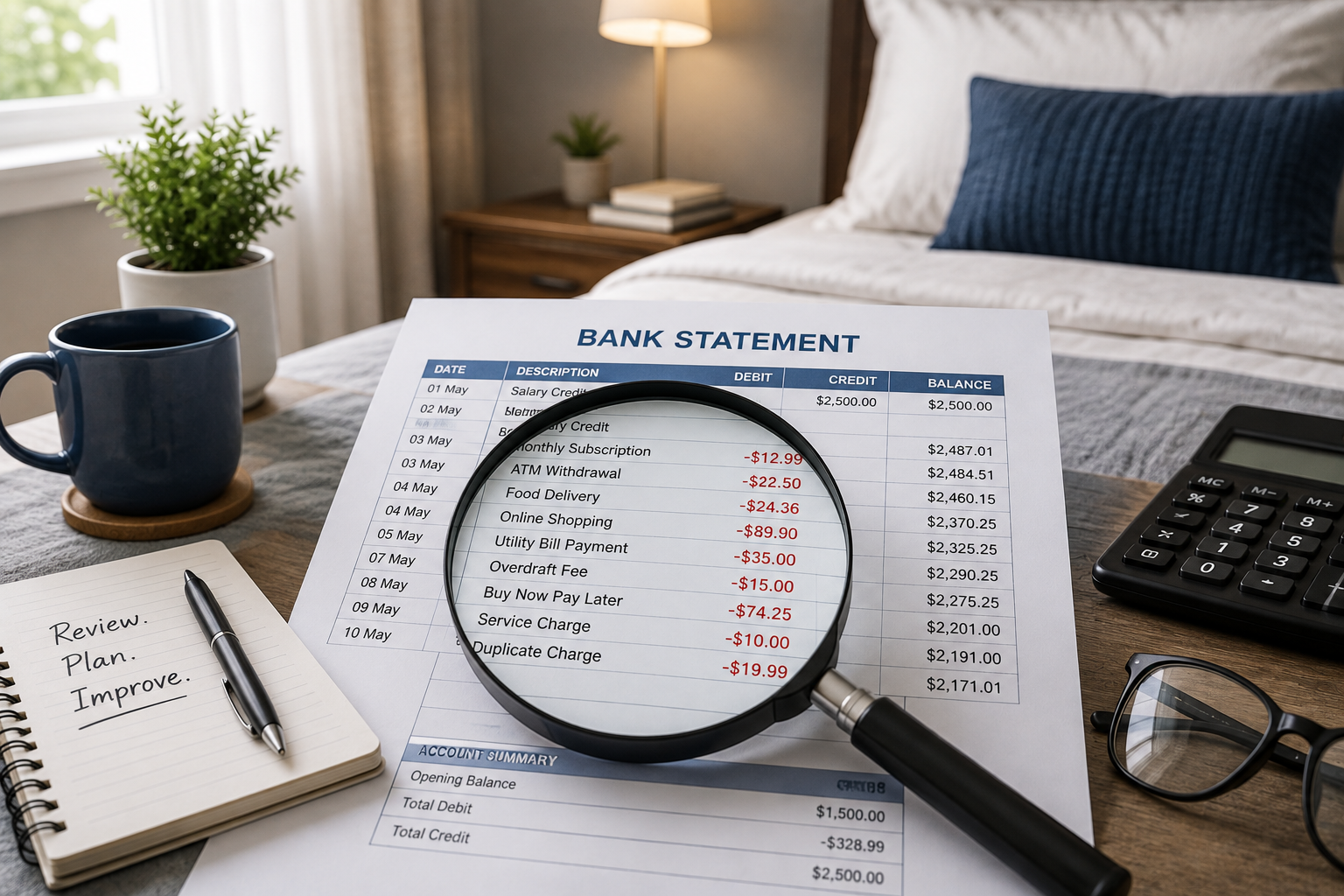
looking at your bank account without judgment
You do not need to solve the entire problem. You just need to stop pretending it will disappear on its own.
The Real Cost of Waiting
The most expensive sentence in personal finance is not “I bought something expensive.”
It is:
“I’ll figure it out later.”
Because later usually costs more.
More money. More stress. More regret.
The good news is that the opposite is also true.
The sooner you deal with something, the cheaper and easier it usually becomes.