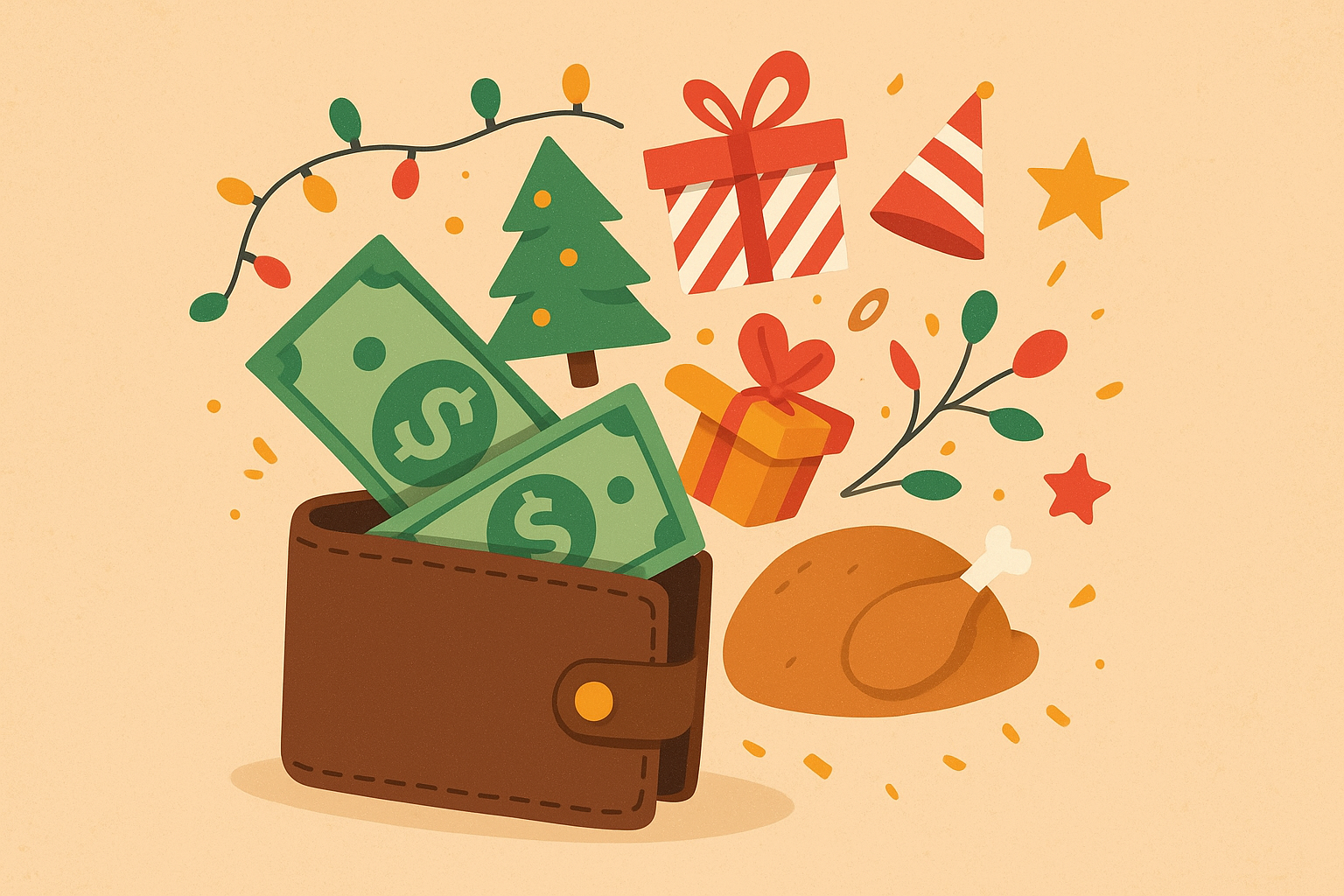
Most people think the holidays are the most expensive time of year.
And sure, November and December can absolutely destroy your bank account.
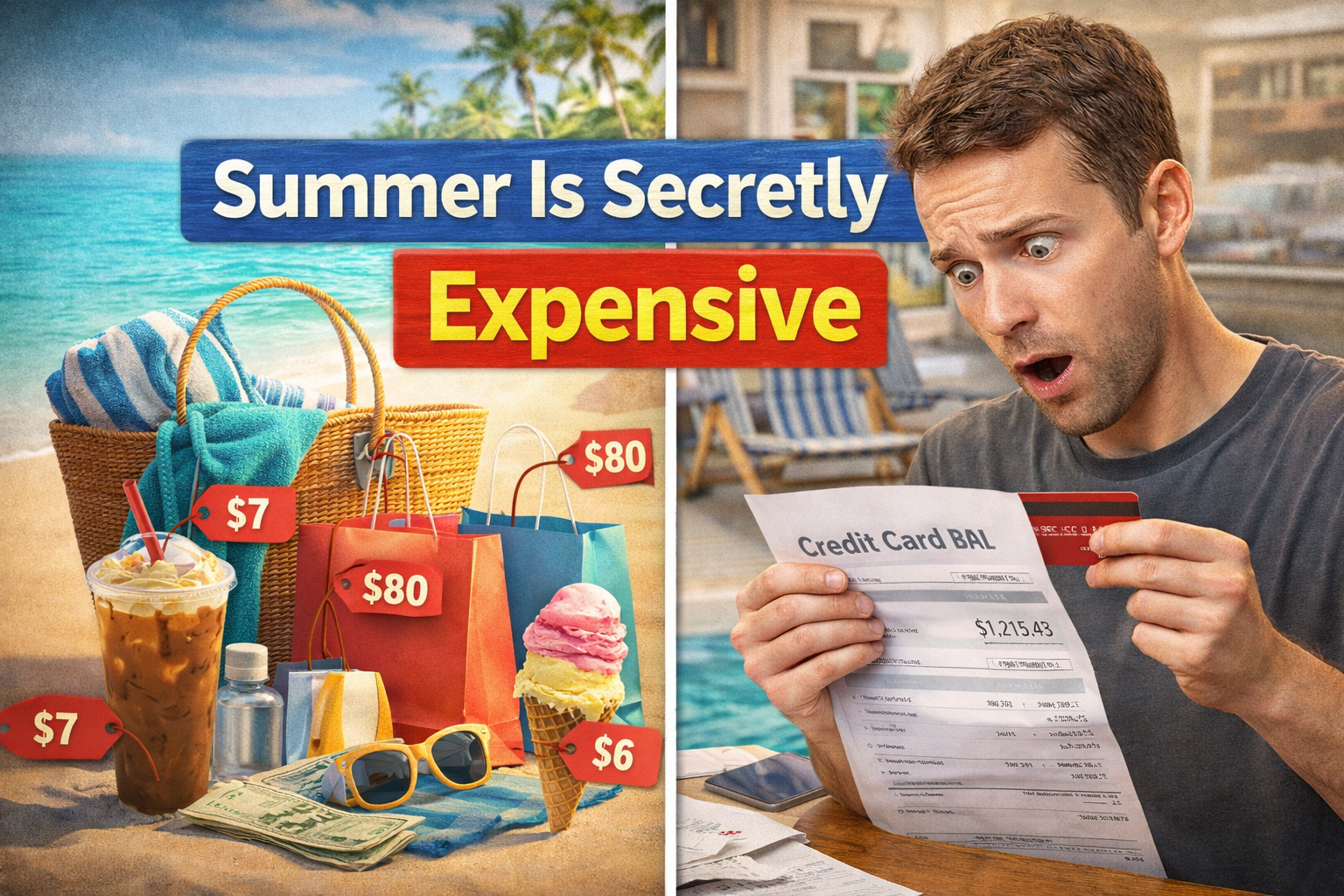
But summer has a sneaky way of doing the exact same thing — just in smaller amounts that are easier to ignore.
You are not buying gifts or paying for giant holiday dinners. Instead, you are spending a little more here, a little more there, until suddenly your credit card bill shows up and you have no idea where all your money went.
A few extra iced coffees. A weekend trip. More takeout because it is too hot to cook. A few impulse purchases for summer clothes, beach gear, and things you convinced yourself you “needed.”
By the end of the season, you may have spent hundreds or even thousands more than usual without even realizing it.
Why Summer Feels Cheaper Than It Actually Is
Summer spending does not feel serious.
A $7 iced coffee feels harmless.
A last-minute beach trip feels like “making memories.”
A quick stop at Target for sunscreen somehow turns into $85 worth of random stuff in your cart.
That is what makes summer so expensive.
The spending feels casual.
You tell yourself:
It is only one weekend trip
I deserve it
Summer only happens once a year
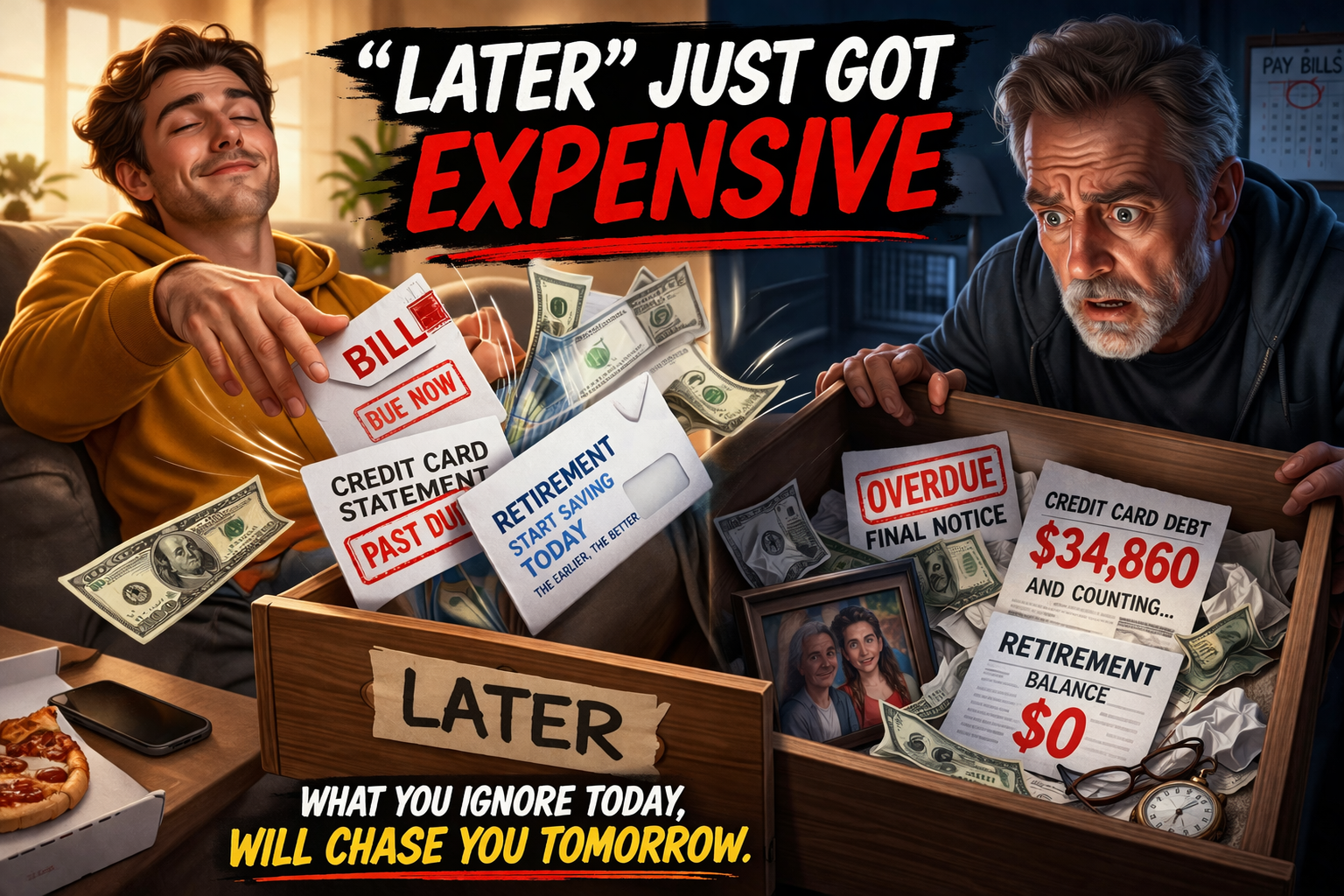
I will make up for it later
Then later comes, and your bank account is wondering what happened.
The 7 Summer Expenses That Quietly Drain Your Budget
1. More Eating Out and Food Delivery
When it is hot outside, cooking suddenly feels like the worst idea in the world.
So you order takeout. You grab iced coffee. You go out for drinks. You stop for ice cream. You eat out more because everyone wants to “do something.”
One dinner out may not seem expensive.
But spending an extra $30 to $50 a week on food adds up fast.
By the end of summer, food delivery, restaurants, and random treats can easily cost several hundred dollars more than usual.
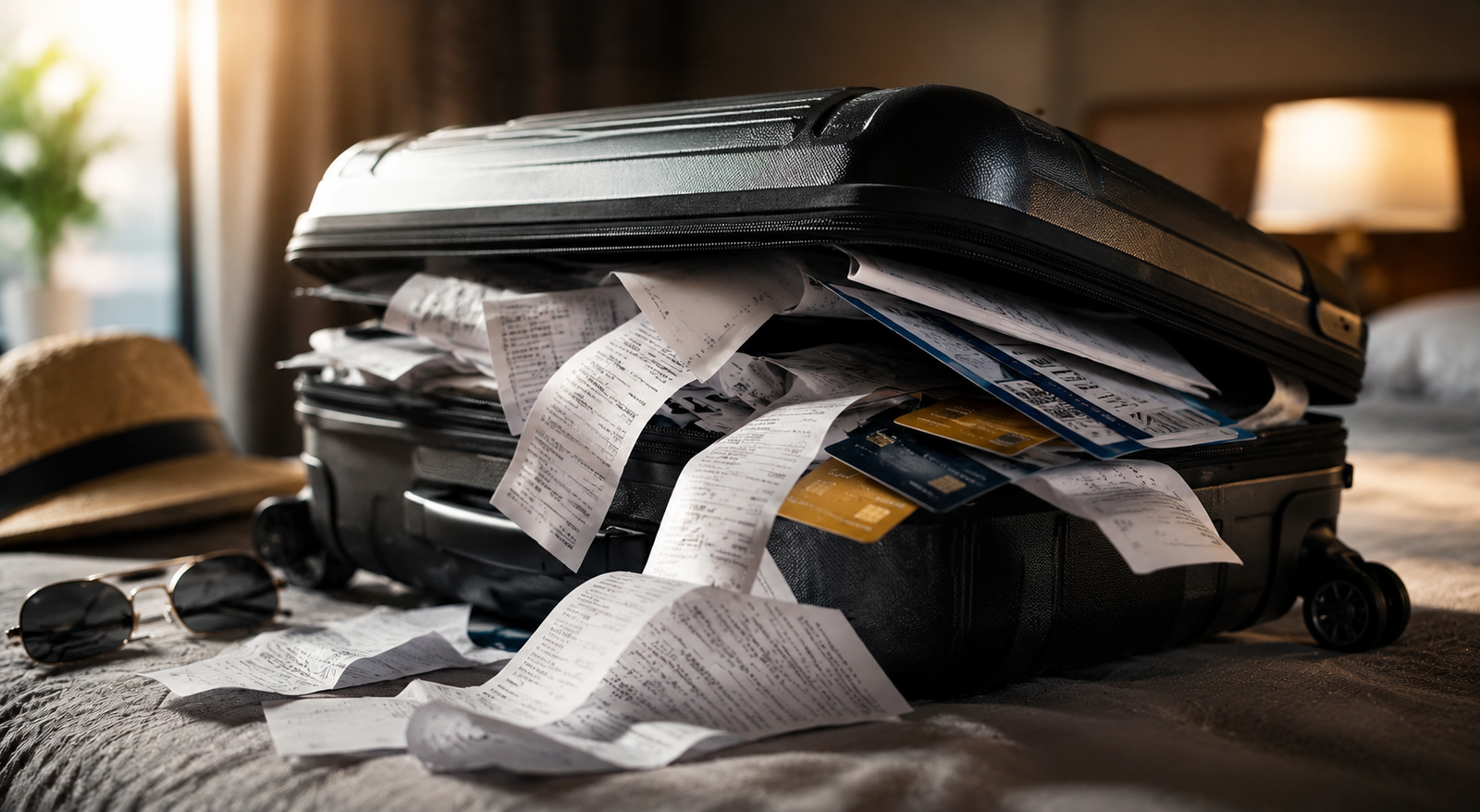
2. Vacations and Weekend Trips
You do not need to take a two-week trip to spend a lot of money.
Summer is full of small trips that slowly chip away at your budget:
Road trips
Hotel stays
Gas
Last-minute flights
Concerts
Day trips
Airbnbs
Even a “cheap” weekend away can cost far more than you expect once you add everything together.
You tell yourself the hotel was only $150.
Then you remember the gas, food, snacks, parking, drinks, tickets, and impulse spending that happened along the way.
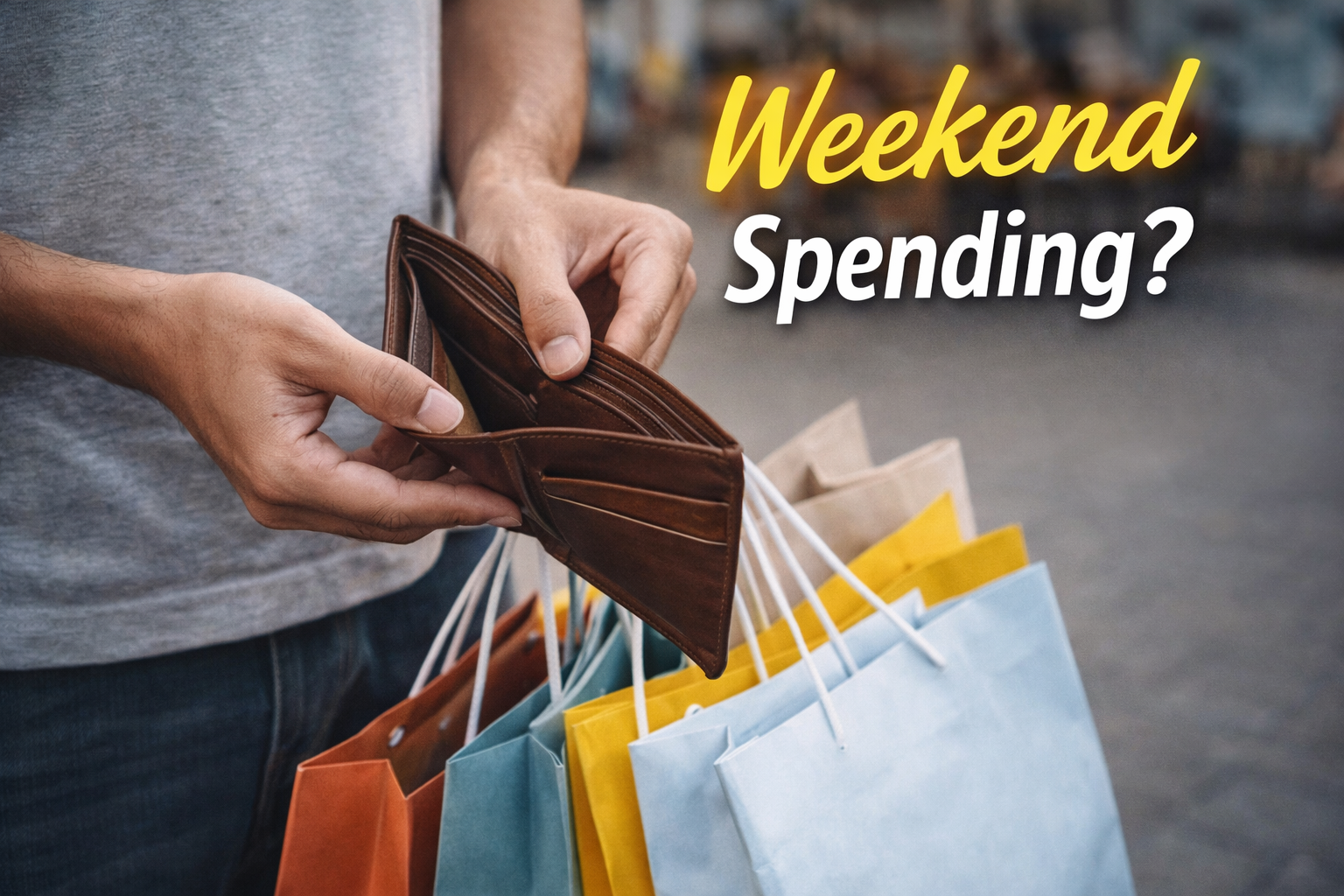
3. Summer Clothes and “Seasonal” Shopping
Every year, summer somehow convinces us that we need an entirely new wardrobe.
A few new shirts. Sandals. Swimsuits. Sunglasses. A beach bag. Maybe some outdoor furniture or decorations.
None of those purchases seem huge on their own.
But together? They can become a very expensive season of shopping.
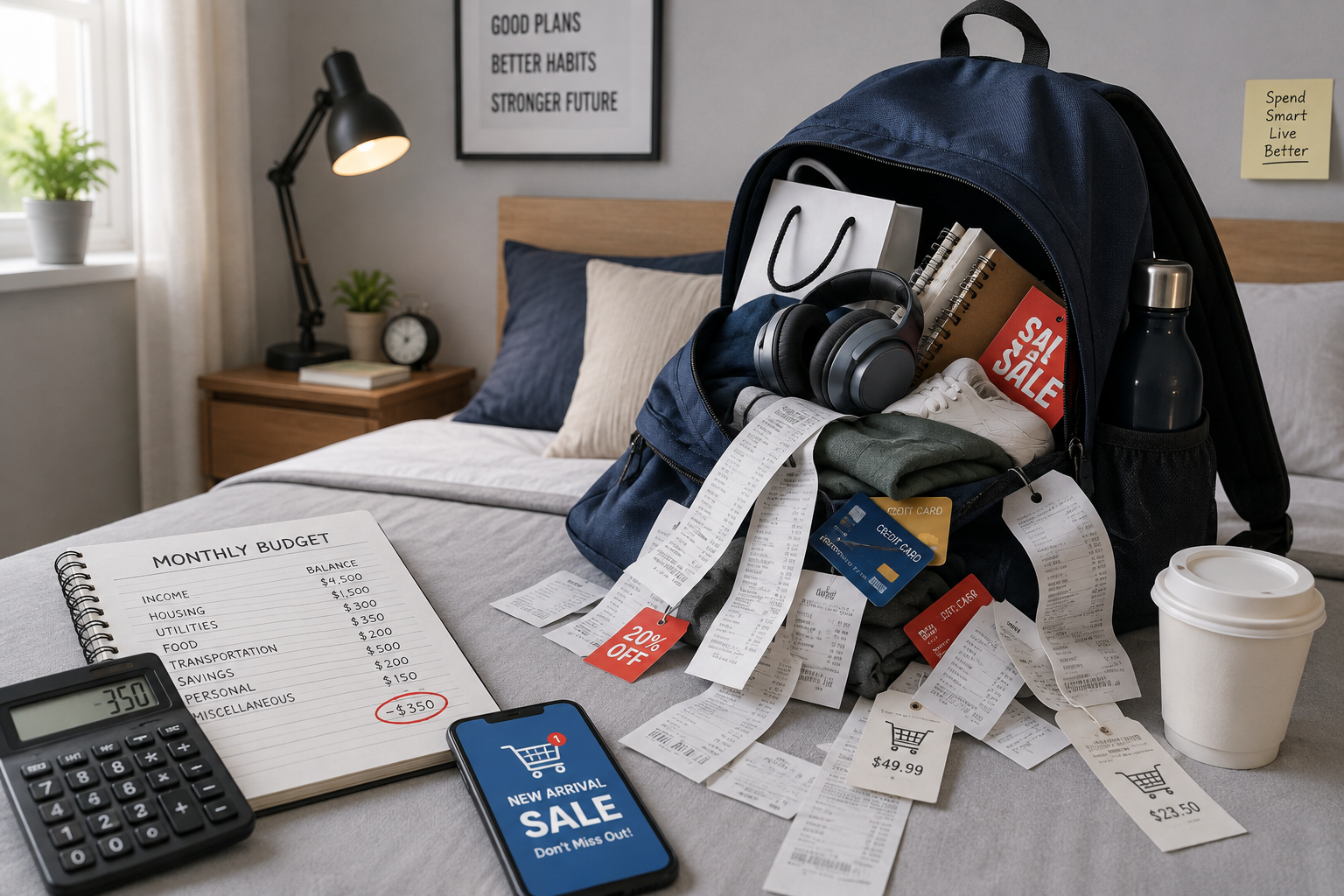
And because stores constantly push “summer sale” emails, it is easy to buy things just because they are on sale — not because you actually need them.
4. Higher Electric Bills
Summer does not just cost more because of what you buy.
It also costs more because of what you use.
If you are running the air conditioner all day, your electric bill can climb surprisingly fast.
And unlike impulse shopping, you cannot simply decide not to pay it.
For many people, summer utility bills are significantly higher than they are during spring or fall.
5. Kids Being Home From School
If you have kids, summer can become dramatically more expensive.
Suddenly you are paying for:
Summer camps
Extra snacks and groceries
Childcare
More outings and entertainment
Activities to keep everyone busy
When school is out, there are simply more hours in the day to spend money.
6. Weddings, Birthdays, and Summer Events
Summer is peak season for:
Weddings
Bachelor and bachelorette parties
Birthdays
Barbecues
Concerts
Festivals
And every event comes with hidden costs:
Gifts
Travel
Clothes
Tickets
Food and drinks
One event is manageable.
But several events in one summer can quietly wreck your budget.
7. The “Treat Yourself” Mentality
This may be the biggest reason summer gets expensive.
Summer makes you want to spend.
You want to go out. You want to do things. You want to reward yourself.
And because the weather is nice and everyone else seems to be having fun, it becomes easier to justify spending money you normally would not.
You start thinking:
It is summer, so why not?
I work hard, I deserve it
I will save money again in the fall
Unfortunately, those small “why not?” purchases can add up faster than almost anything else.
How To Spend Less This Summer Without Feeling Miserable
The good news is that you do not have to stay home all summer and never spend money again.
You just need to be more intentional.
Try:
Setting a summer fun budget before the season starts
Choosing one or two bigger activities instead of saying yes to everything
Planning low-cost alternatives like beach days, picnics, or movie nights at home
Bringing your own snacks and drinks instead of buying them everywhere you go
Unsubscribing from marketing emails that tempt you to shop
Using a 24-hour rule before making any nonessential purchase
Summer is supposed to be fun.
But it feels a lot more fun when you are not still paying for it in October.
The Bottom Line
Summer may not seem as expensive as the holidays, but it has a way of draining your bank account in slow motion.
A little extra spending on food, travel, clothes, events, and impulse purchases may not seem like much in the moment.
But by the end of the season, those “small” expenses can quietly become one of the biggest budget mistakes of the year.
If you want to avoid that, the best thing you can do is pay attention now.
Because the most expensive season is often the one that does not look expensive at all.