Every month, I tell myself I’m going to spend less money.
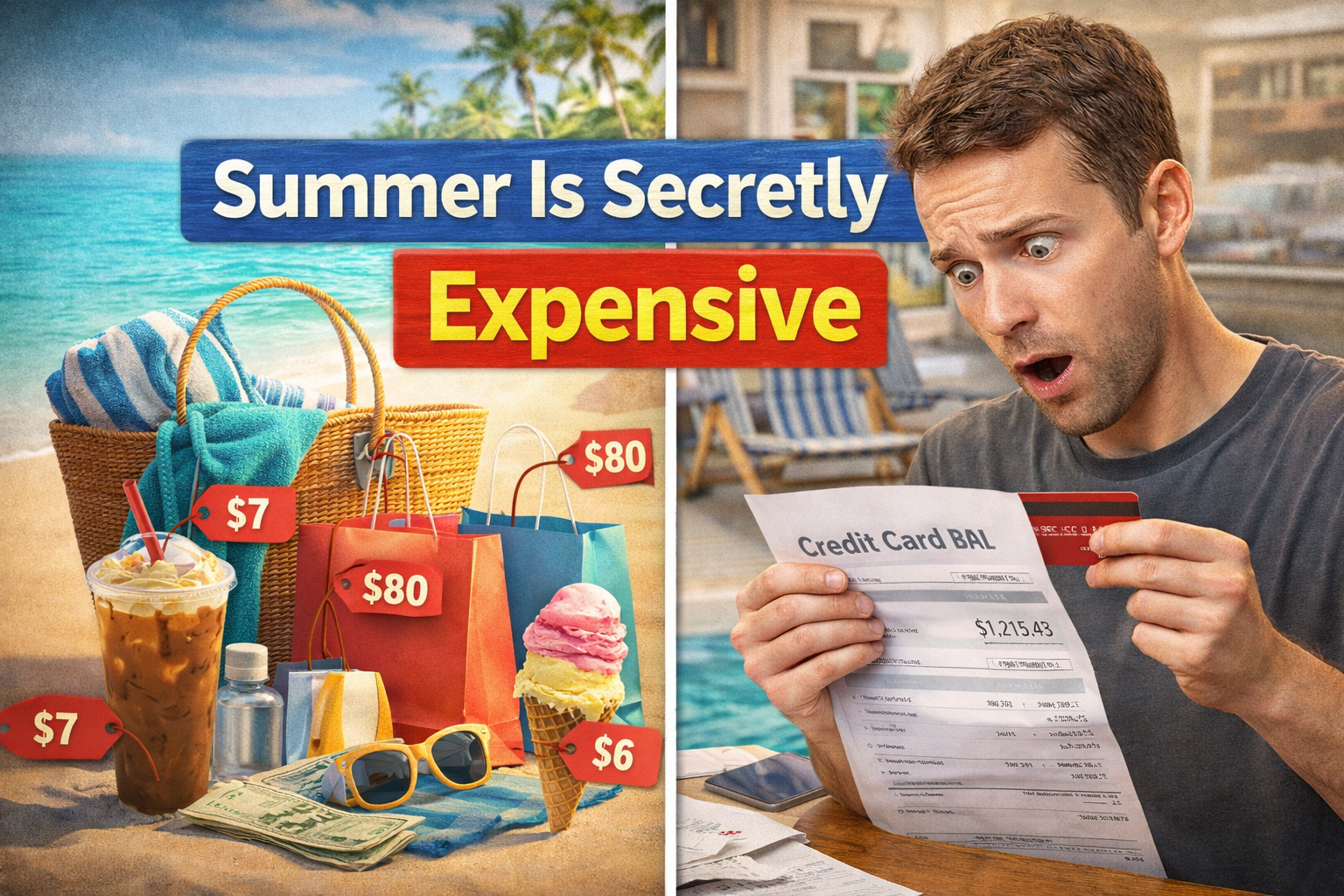
And every month, I somehow end up paying for takeout because I’m “too tired to cook,” buying something random online because it was “basically free with the discount,” and grabbing a coffee that costs more than the groceries sitting untouched in my fridge.
So this month, I decided to do something different.
I asked ChatGPT to create a realistic 30-day no-spend challenge. Not the kind where you sit in the dark and survive on instant noodles for a month. A version that normal people could actually follow.
The rules were simple: keep paying for essentials, but stop spending money on all the extra stuff that quietly drains your bank account.
And honestly? It sounded way easier than it actually was.
The Rules of the 30-Day No-Spend Challenge
Before starting, I needed to define what counted as “essential” and what didn’t.
Allowed Spending
Rent or mortgage
Groceries
Gas and transportation
Utility bills
Prescriptions and emergencies
Basic household supplies
No-Spend Means No Spending On:
Coffee shop drinks
Food delivery
Impulse Amazon purchases
New clothes
Home decor
Random Target runs
Convenience-store snacks
Streaming subscriptions I barely use
Anything I bought just because I was bored
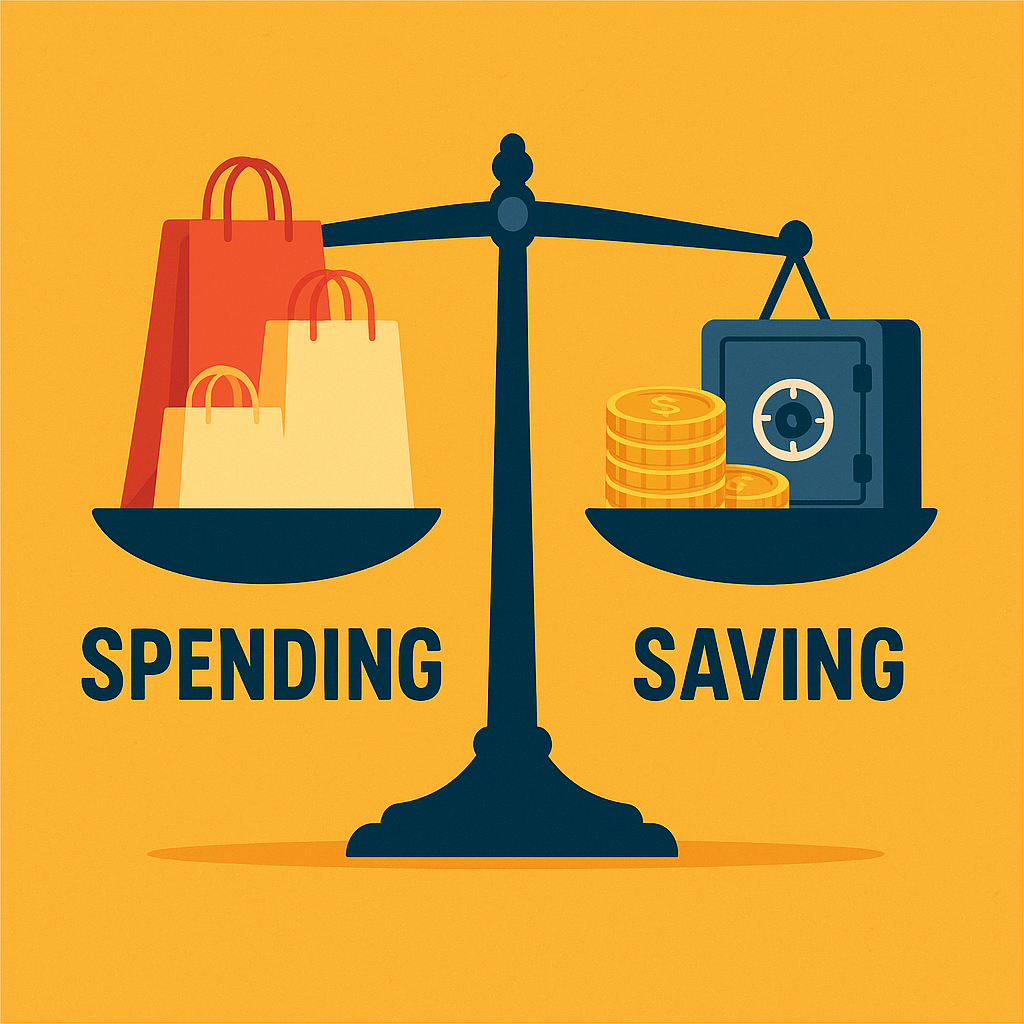
The goal wasn’t to spend zero dollars. The goal was to stop wasting money without realizing it.
Week 1: Finding Out Where My Money Was Actually Going
The first week was less about saving money and more about exposing my spending habits.
I wrote down every fixed bill, every subscription, and every random purchase I made without thinking.
That’s when things got uncomfortable.
I realized I was paying for three streaming services I barely watched. I had a gym membership that I kept “meaning to use.” And I had somehow spent nearly $40 in one week on coffee and snacks.
Then I looked at my food spending.
I had groceries in my kitchen, but I was still ordering delivery because I didn’t feel like cooking.
By day three, I realized I wasn’t actually hungry when I opened a delivery app. I was just bored.
What I Did During Week 1
Made a list of every monthly bill
Canceled two unused subscriptions
Checked my pantry before buying groceries
Started writing down every time I wanted to spend money
That last one was eye-opening.
I wanted to spend money way more often than I thought.
Usually because I was:
Stressed
Tired
Scrolling online late at night
Trying to reward myself for having a bad day
Week 2: Cutting Out the “Little” Purchases
Week 2 was where the challenge started feeling real.
The problem wasn’t huge purchases. It was all the little things I bought without thinking.
The coffee when I already had coffee at home. The delivery order because I didn’t feel like cooking. The random online purchase that seemed like a good idea at midnight.
So I made a few simple rules:
Use what I already had before buying more
Delete delivery apps from my phone
Wait before buying anything online
Stop going into stores “just to look”
What surprised me most was how often I wanted to spend money just because I was bored.
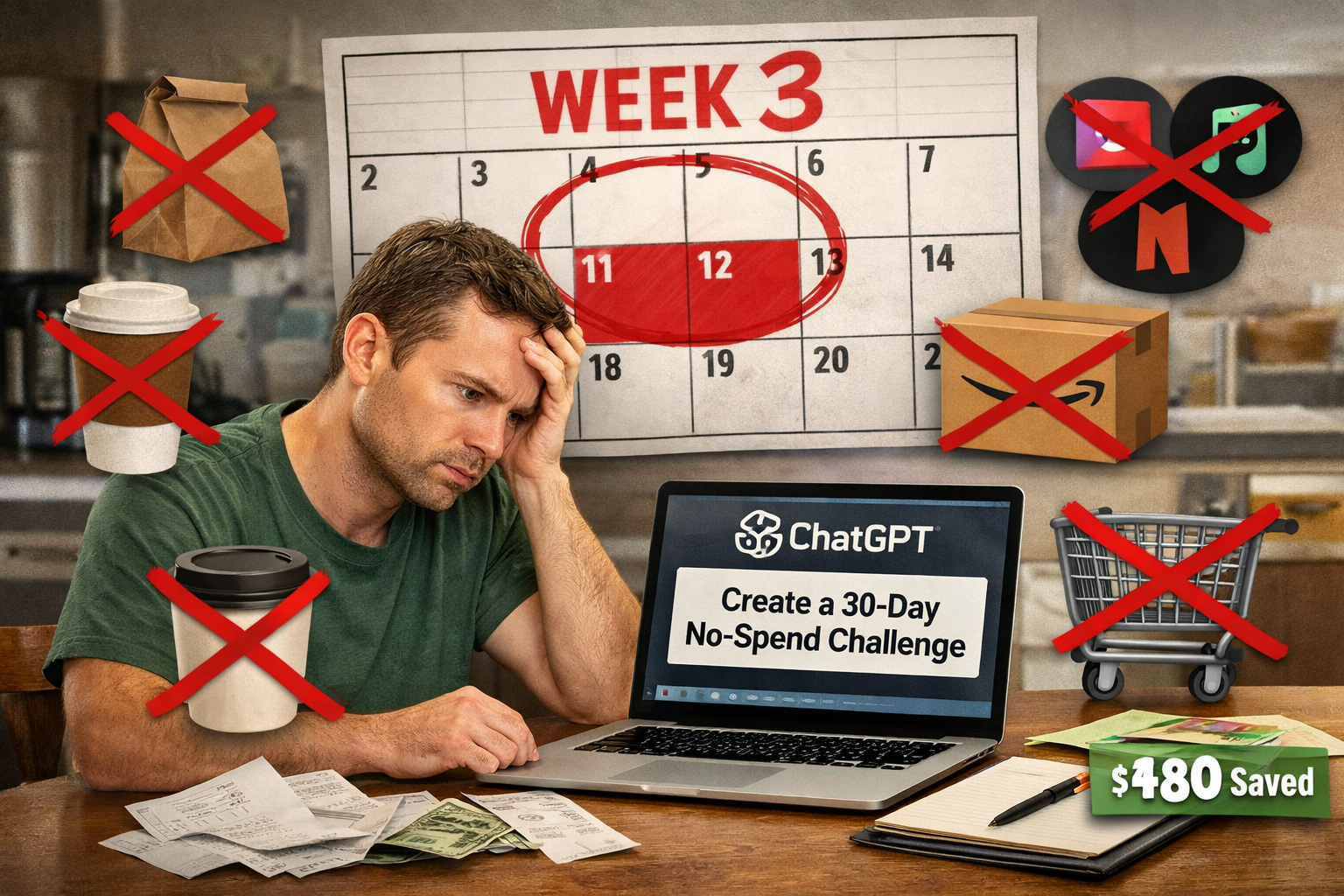
Week 3 Was Brutal
This was the week that almost broke me.
By Week 3, I wasn’t fighting my budget anymore. I was fighting my habits.
The novelty of the challenge had worn off. I was tired. I wanted convenience. I wanted to buy myself something just because.
And suddenly, every ad on the internet seemed personally designed to test me.
A sale popped up for something I had wanted for months.
A friend suggested ordering food.
I had a stressful day and immediately wanted to buy coffee, snacks, and something random online because I “deserved it.”
That’s when I realized something important:
I wasn’t spending money because I needed things.
I was spending money because I wanted a quick mood boost.
And that was a much harder habit to break.
The weirdest part wasn’t missing the spending. It was realizing how often I spent money just because I was bored.
My Biggest Spending Triggers
Stress after work
Scrolling social media
Feeling like I “earned” a reward
Seeing a limited-time sale
Being too tired to cook
Instead of spending money, I tried replacing those habits with free alternatives:
Going for a walk
Watching a movie I already had access to
Calling a friend
Reading a book I already owned
Cooking something with ingredients already in my kitchen
Was it exciting? Not always.
But it worked.
And by the end of Week 3, I finally stopped feeling like I was “missing out.”
Week 4: What I Learned
By the end of the month, I had spent a lot less than usual.
But the biggest surprise wasn’t how much money I saved. It was how many things I stopped missing.
At first, skipping takeout, shopping, and little “treat yourself” purchases felt impossible. But after a few weeks, I barely noticed.
Most of the things I wanted to buy weren’t actually making me happier. They were just habits.
And once I noticed that, it became a lot easier to stop spending money without feeling miserable.
The 7 Things ChatGPT Told Me To Stop Buying for 30 Days
Coffee shop drinks
Food delivery
Convenience-store snacks
Clothes bought “just because they were on sale”
Extra groceries I already had at home
Streaming subscriptions I never used
Random late-night online purchases
Those were the things I reached for most often without even thinking about it.
Would I Do a No-Spend Month Again?
Yes. But probably not perfectly.
The biggest lesson wasn’t that I need to stop spending money forever.
It was that I need to be more intentional about what I spend money on.
Some purchases are worth it. Some make life easier or genuinely make you happy.
But a shocking amount of spending happens because you’re bored, stressed, or simply not paying attention.
Once you notice that, it becomes a lot easier to save money without feeling miserable.
Try It Yourself
If you want to try a no-spend challenge, start with one thing.
Cut out takeout for a month. Or online shopping. Or those little purchases that seem harmless but happen all the time.
You do not have to be perfect. The point is simply to notice where your money is going — and how often you spend it without really thinking about it.