A dinner here, a quick trip there, maybe saying “yes” to plans you weren’t even excited about. At the time, it feels harmless—just part of staying connected. But over time, the hidden cost of keeping up with friends begins to creep in… and it’s not just your bank balance that takes the hit.
Most people don’t realize how much they’re spending just to maintain a certain social pace. And the worst part? It often doesn’t even feel like a conscious choice.
When “Just One Plan” Turns Into a Monthly Expense
You tell yourself it’s just one outing. But then it becomes:
Weekend brunch
Birthday dinners
Concerts or events
Last-minute trips
Splitting bills you didn’t fully agree with
Individually, these expenses seem manageable. But together, they quietly stack up into a significant monthly cost.
This is the real hidden cost of keeping up with friends—it disguises itself as normal social behavior.
The Pressure You Don’t Talk About
There’s an unspoken pressure in most friend circles:
Not wanting to be the one who says no
Matching others’ spending habits
Avoiding awkward conversations about money
So you go along with it.
Even if it means stretching your budget, dipping into savings, or worse—relying on credit.
Over time, this creates a financial pattern that feels impossible to break.
Lifestyle Inflation… But Socially Driven
You’ve probably heard of lifestyle inflation—earning more and spending more.
But here’s the twist: Sometimes your lifestyle inflates not because you want it to—but because your social circle does.
If your friends:
Upgrade restaurants
Travel more frequently
Prefer premium experiences
You subconsciously start aligning with that standard.
That’s another layer of the hidden cost of keeping up with friends—your baseline for “normal spending” keeps shifting upward.
It’s Not Just Money—It’s Mental Load
The impact isn’t purely financial.
Constantly trying to keep up can lead to:
Quiet stress about money
Guilt after spending
Anxiety before checking your bank balance
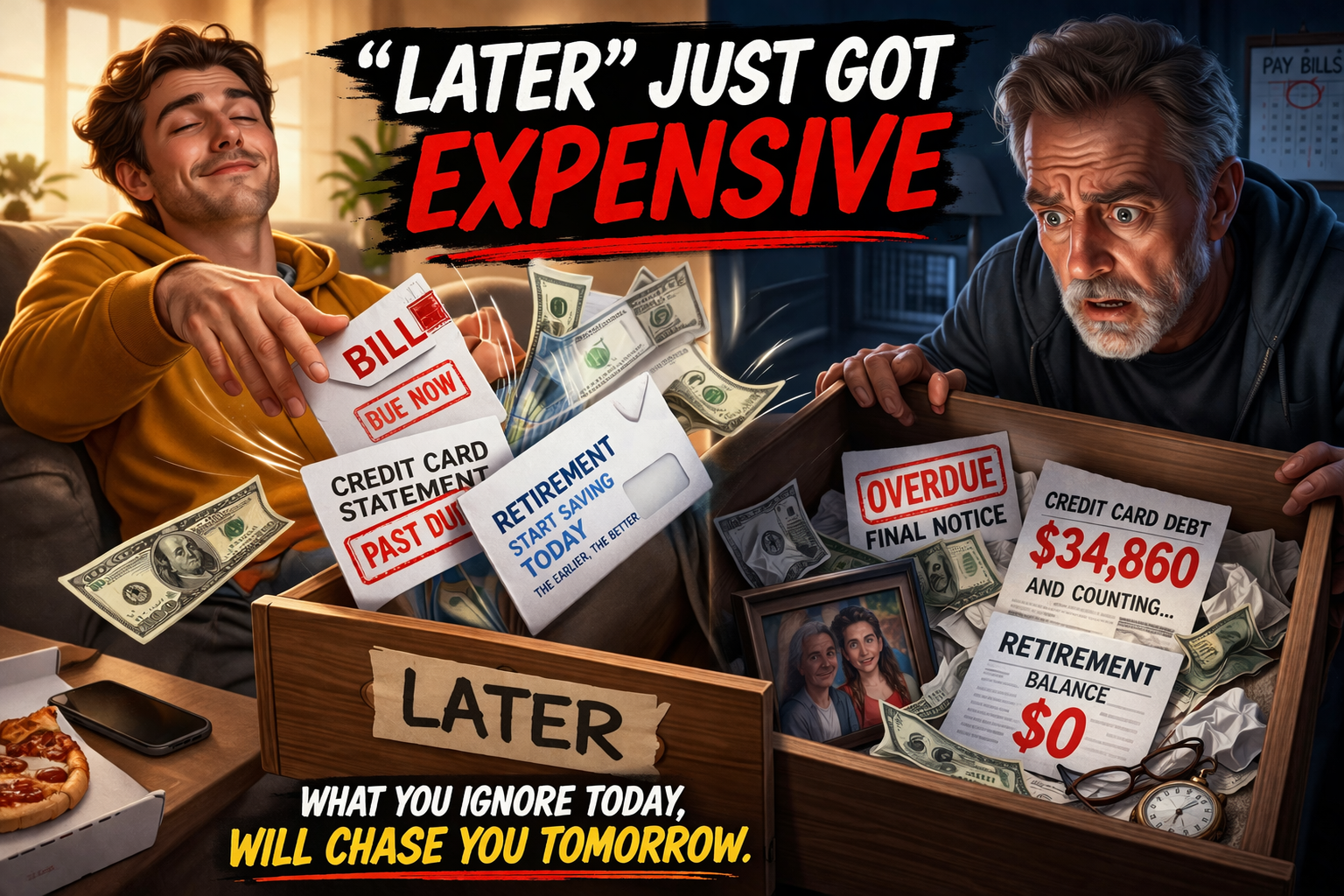
You might even start avoiding looking at your finances altogether.
And that’s where things spiral.
The Opportunity Cost You’re Ignoring
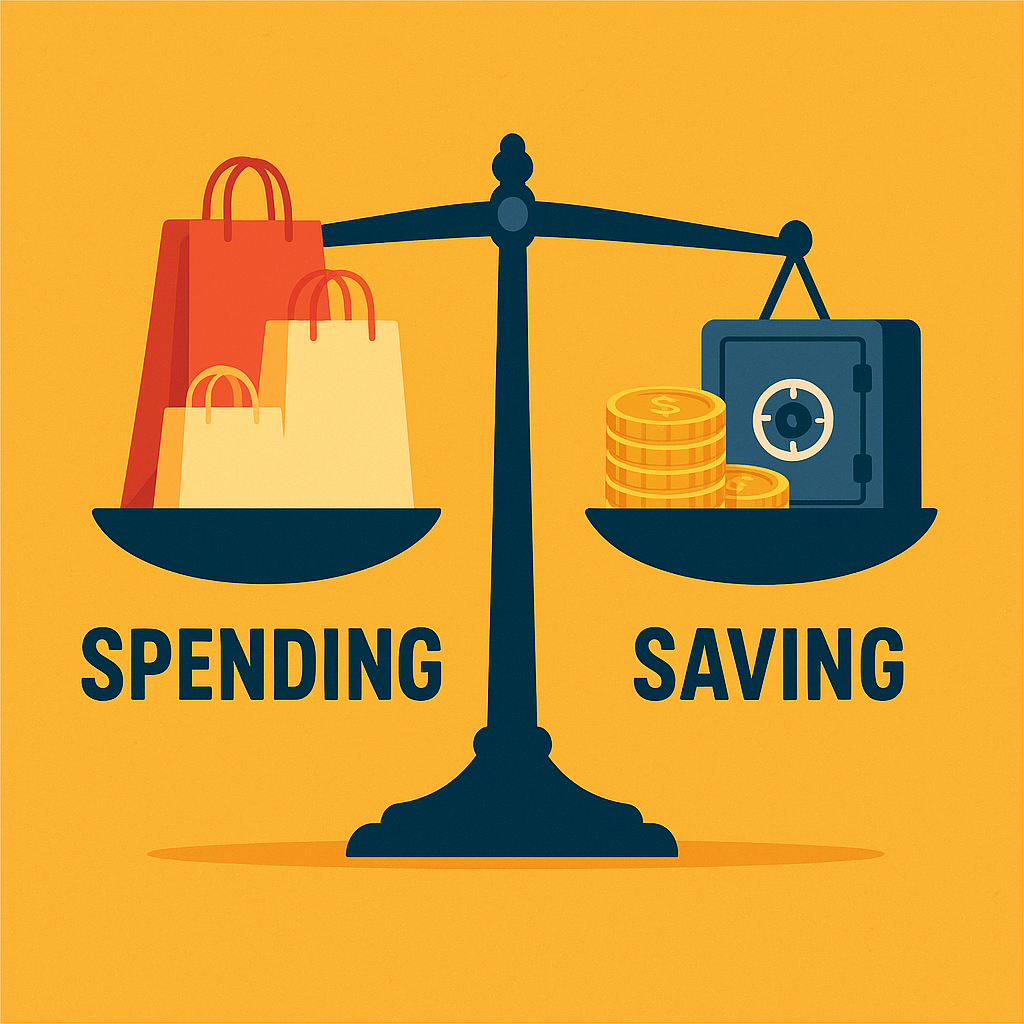
Every $ spent on keeping up is $ not spent elsewhere.
Think about what that money could have been:
Emergency savings
Investments
Debt reduction
Personal goals
The hidden cost of keeping up with friends isn’t just what you spend—it’s what you don’t build because of it.
How to Break the Cycle (Without Losing Friends)
This doesn’t mean cutting people off or becoming antisocial.
It just means being more intentional.
Start with small shifts:
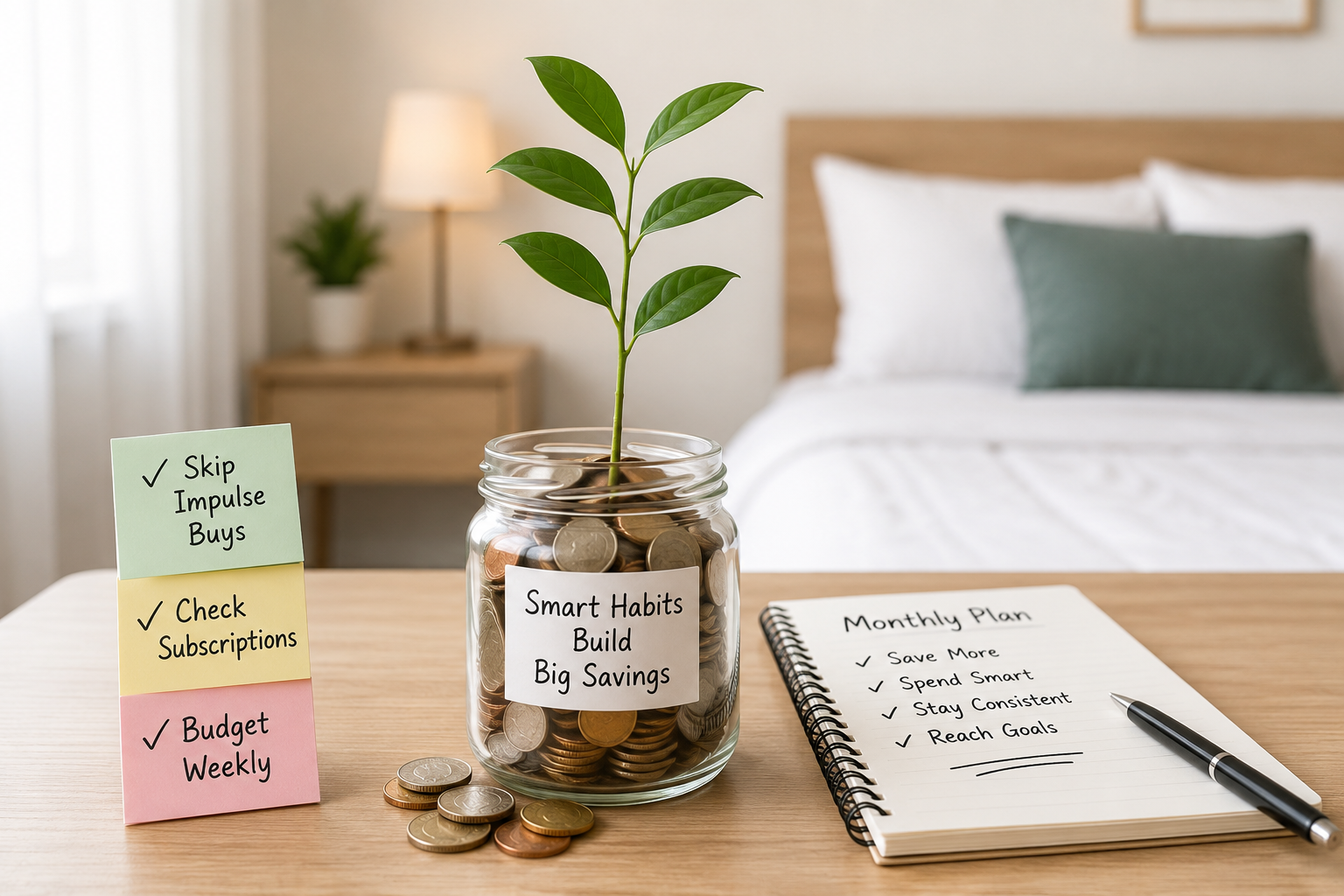
Suggest budget-friendly plans
Be okay saying “I’ll skip this one”
Set a monthly social spending limit
Be honest (most people relate more than you think)
You’ll quickly realize something important—real friendships don’t depend on how much you spend.
Final Thought
The hidden cost of keeping up with friends isn’t obvious at first. It builds slowly, quietly, and often unnoticed.
Until one day, you wonder where your money went.
The goal isn’t to stop enjoying life—it’s to make sure you’re not paying for it in ways you didn’t intend.
Because at the end of the day, the best kind of social life is one that doesn’t come with financial regret.