You find the cheaper option, feel like you’ve made a good decision, and move on. But weeks—or even days—later, that “smart” choice starts to fall apart.
Literally.
Because the truth is, why cheap things cost you more isn’t obvious upfront. It shows up later… quietly, repeatedly, and often more expensively.
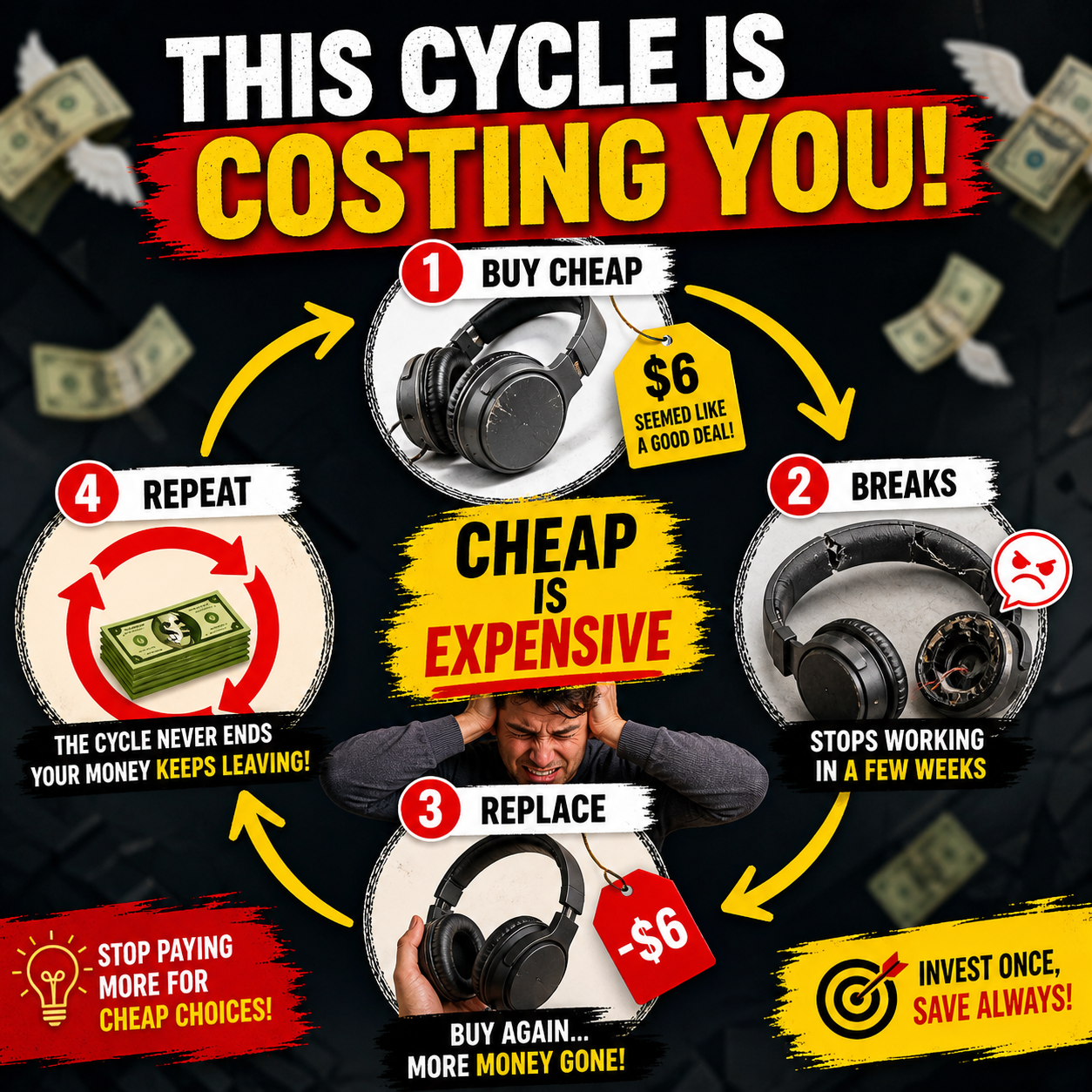
1. You End Up Buying It Again (And Again)
Cheap products don’t last.
So instead of buying once, you:
Replace it sooner
Spend more over time
Repeat the cycle
That $6 item becomes $18 without you even noticing.
This is the most obvious reason why cheap things cost you more—but also the most ignored.
2. They Cost You Time
When something breaks or underperforms, you don’t just lose money—you lose time.
Researching replacements
Visiting stores again
Fixing issues
Time is rarely included in the “cost”… but it should be.
3. They Lower Your Standards Without You Realizing
You get used to things:
Not working properly
Breaking too soon
Delivering average results
Over time, this becomes your “normal.”
And that silent downgrade? It affects your daily life more than you think.
4. Cheap Often Means Compromise
Lower price usually comes with trade-offs:
Poor quality materials
Limited durability
Worse performance
You don’t see it immediately—but you feel it over time.
And that’s exactly why cheap things cost you more in the long run.
5. You Spend More Fixing Than Replacing
Cheap items often need:
Repairs
Adjustments
Workarounds
Instead of solving a problem, they create new ones.
And suddenly, your “budget choice” isn’t so budget-friendly anymore.
6. They Create Friction in Your Life
A bad product doesn’t just fail—it annoys you.
Slow devices
Uncomfortable furniture
Low-quality tools
These small frustrations add up daily.
You don’t calculate it, but you feel it.
7. You Delay Buying the Right Thing
You buy cheap first… thinking you’ll upgrade later.
But later turns into:
More hesitation
More spending
More wasted time
If you had just bought the right thing once, you’d be done already.
8. Cheap Feels Good Now, Expensive Feels Better Later
Cheap purchases give you instant satisfaction.
But better-quality purchases give you:
Reliability
Peace of mind
Long-term value
This difference is subtle—but powerful.
9. You Mistake “Low Price” for “Good Deal”
Not everything that’s cheaper is better.
A true deal isn’t about price—it’s about value.
And once you understand that, you start seeing exactly why cheap things cost you more.
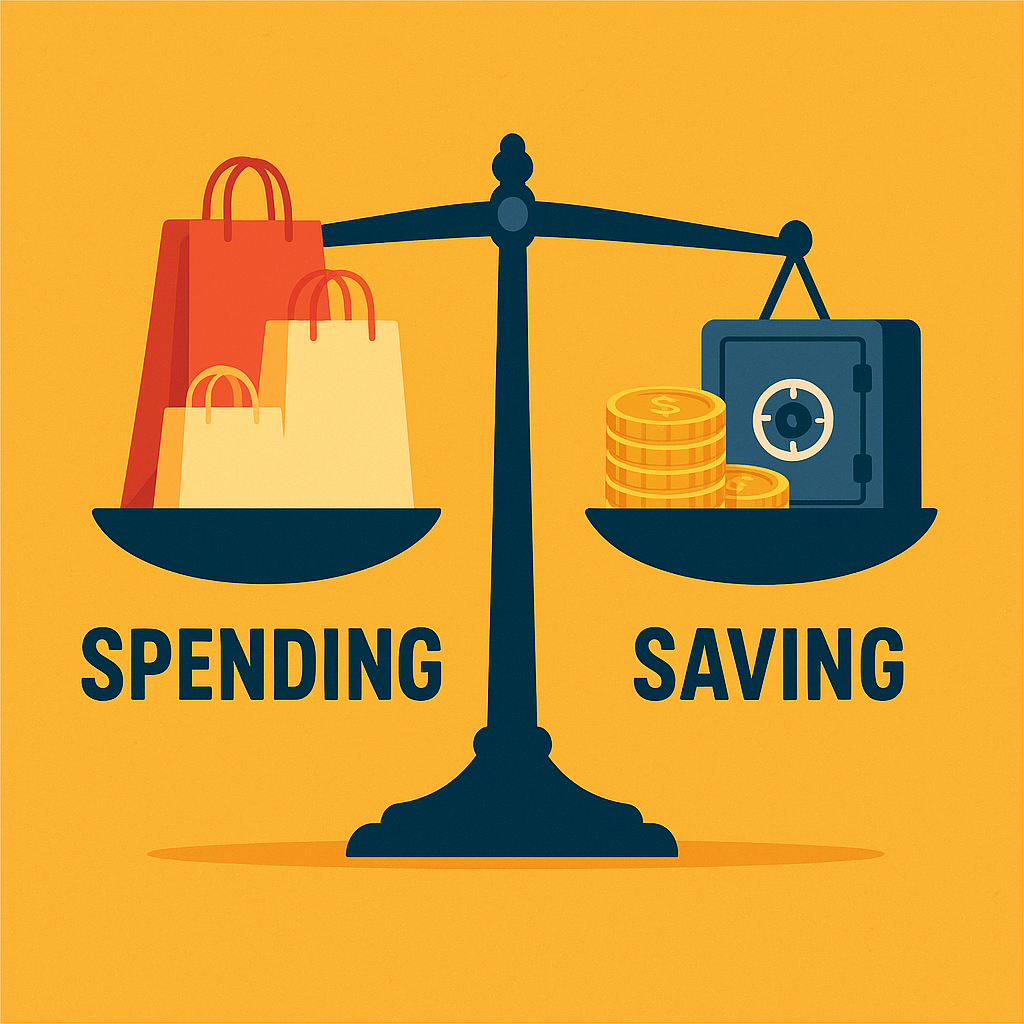
A Smarter Way to Think About Spending
Instead of asking: “What’s the cheapest option?”
Start asking: “What will last?” “What will I not have to replace?”
That shift alone can save you far more money than chasing discounts ever will.
Final Thought
Cheap isn’t always bad—but blindly choosing the cheapest option often is.
Because the real cost of something isn’t what you pay today… It’s what you keep paying over time.
And once you truly understand why cheap things cost you more, you stop chasing low prices—and start choosing better value.