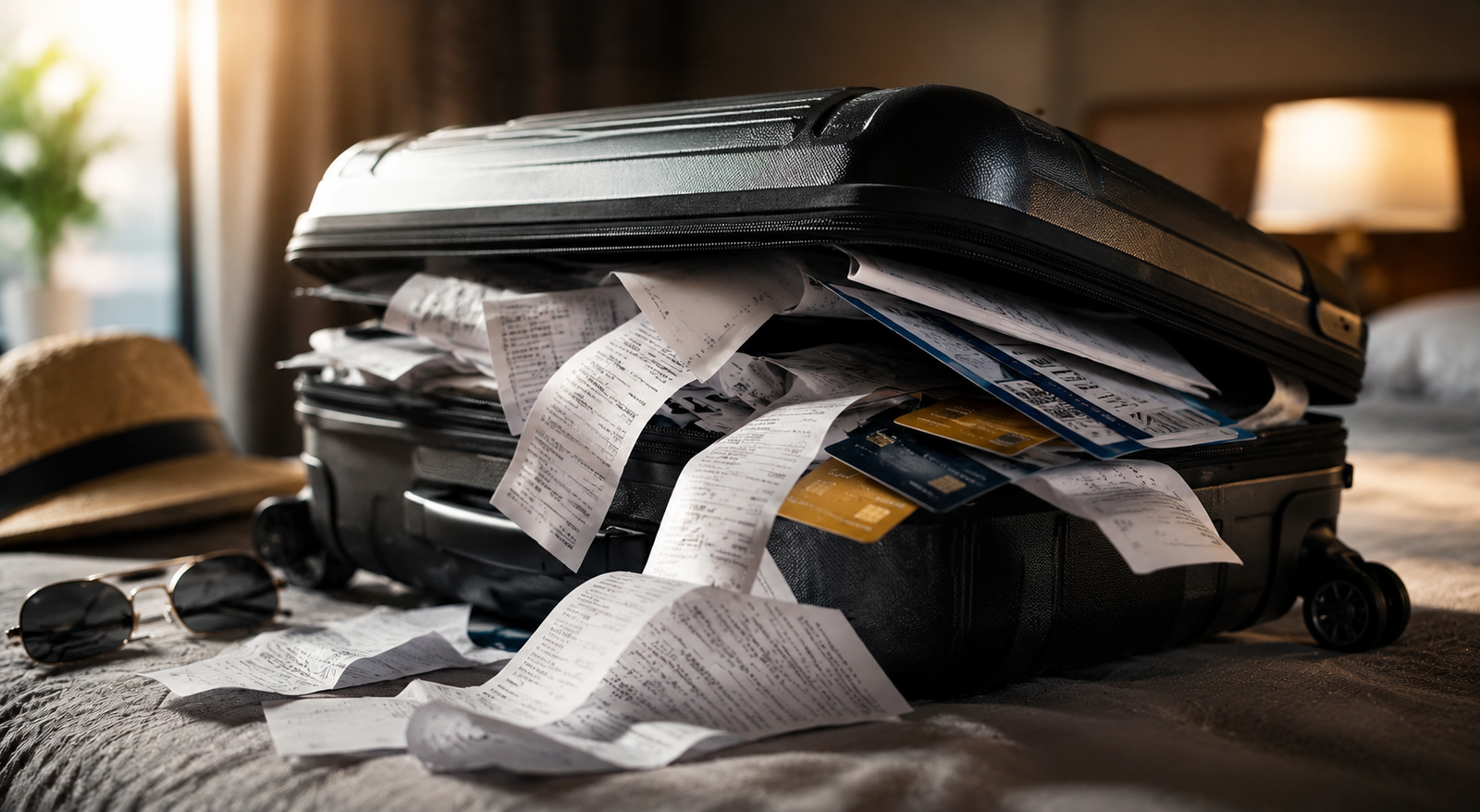
Vacations are supposed to help you relax. But for many Americans, the stress starts the moment the trip ends.
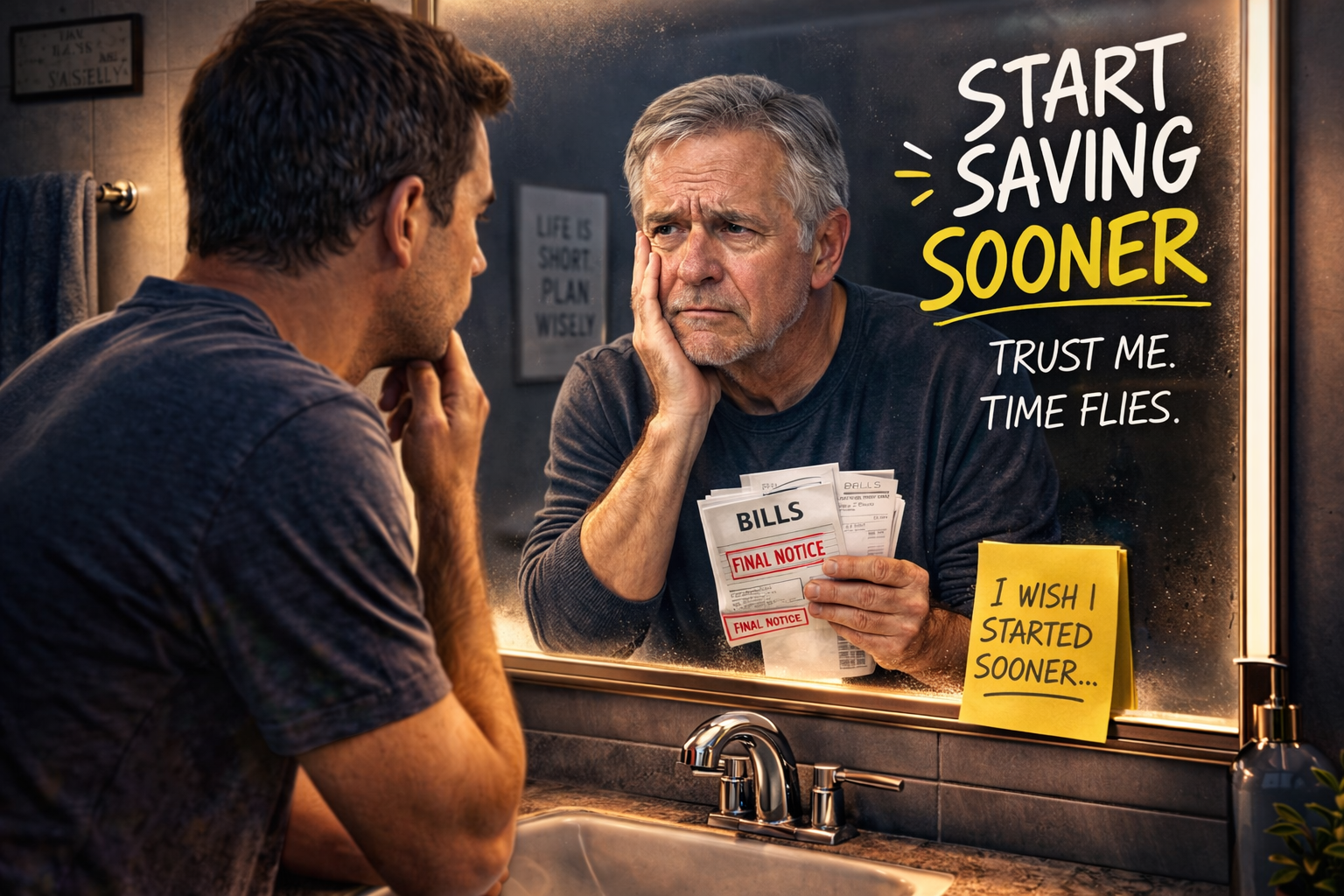
You come home feeling refreshed for about 12 hours… until reality hits:
credit card balances,
overdrafted accounts,
“buy now, pay later” payments,
and a bank account that suddenly looks terrifying.
That uncomfortable feeling has a name: the financial hangover after vacation.
And in today’s world of expensive flights, hotel inflation, food delivery apps, resort fees, and impulse spending, it’s becoming incredibly common.
What Is the Financial Hangover After Vacation?
The financial hangover after vacation is the money stress people feel after overspending during a trip.
It usually happens because vacation spending doesn’t feel “real” in the moment. People are more likely to:
swipe credit cards freely,
justify expensive meals,
ignore budgets,
and treat spending like part of the experience.
After all, vacations are emotionally tied to freedom and reward. Most people don’t want to say no while traveling.
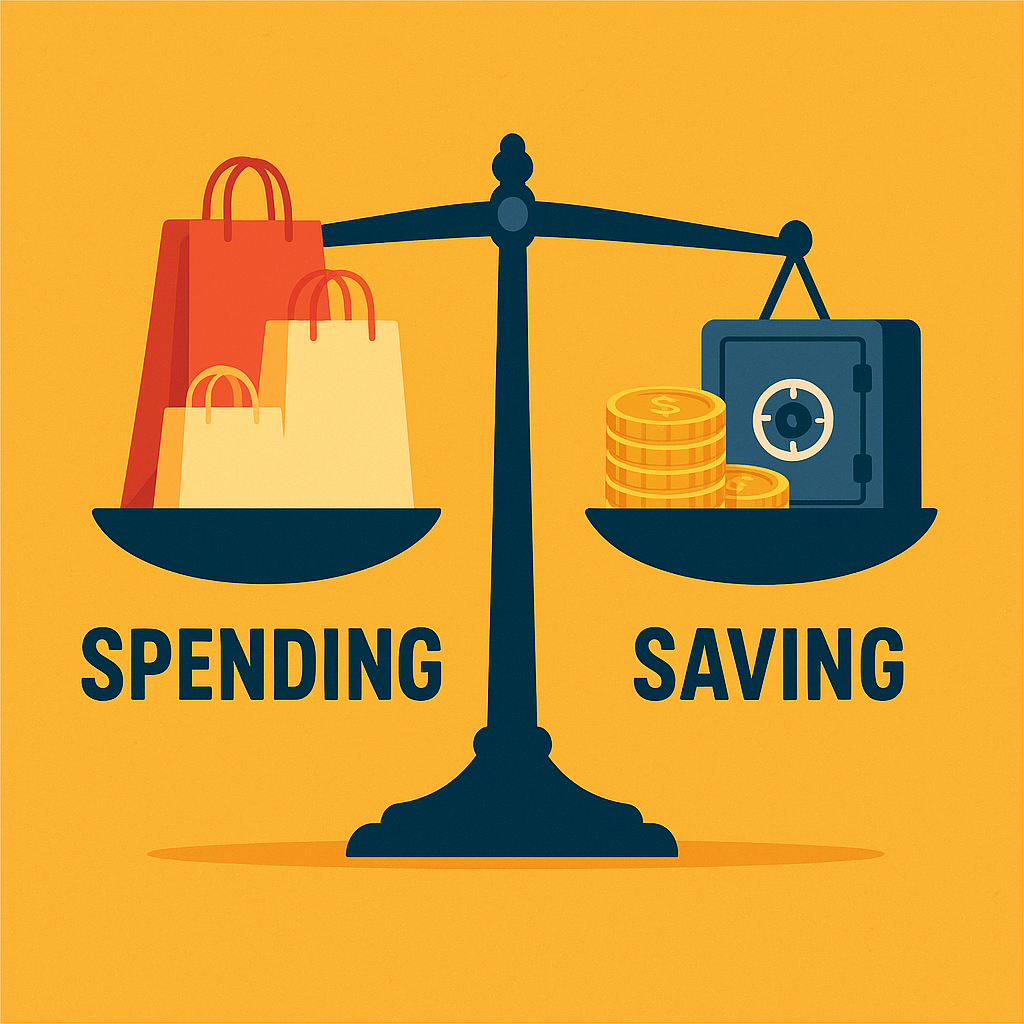
The problem comes later when regular bills, rent, groceries, and debt payments return at full speed.
Why Americans Overspend So Easily on Vacation
Vacations create the perfect psychological environment for overspending.
People often tell themselves:
“I deserve this.”
“It’s only once a year.”
“I’ll figure it out later.”
“I don’t want to ruin the trip.”
That mindset lowers financial discipline instantly.
In the United States especially, travel culture has become heavily tied to social media. People don’t just want vacations anymore — they want Instagram-worthy experiences, luxury stays, trendy restaurants, and nonstop activities.
The pressure to maximize every moment can quietly destroy a travel budget.
The Sneaky Expenses That Cause the Financial Hangover After Vacation
Most people plan for the obvious costs:
flights,
hotels,
and attraction tickets.
But the financial hangover after vacation usually comes from the smaller expenses people underestimate.
These include:
airport food,
Uber rides,
resort fees,
drinks,
shopping,
souvenirs,
baggage fees,
travel upgrades,
tips,
food delivery,
and impulse purchases.
Individually, these charges feel manageable. Together, they create a financial mess.
Many Americans return home shocked at how much they actually spent.
Credit Cards Make Vacation Spending Feel Invisible
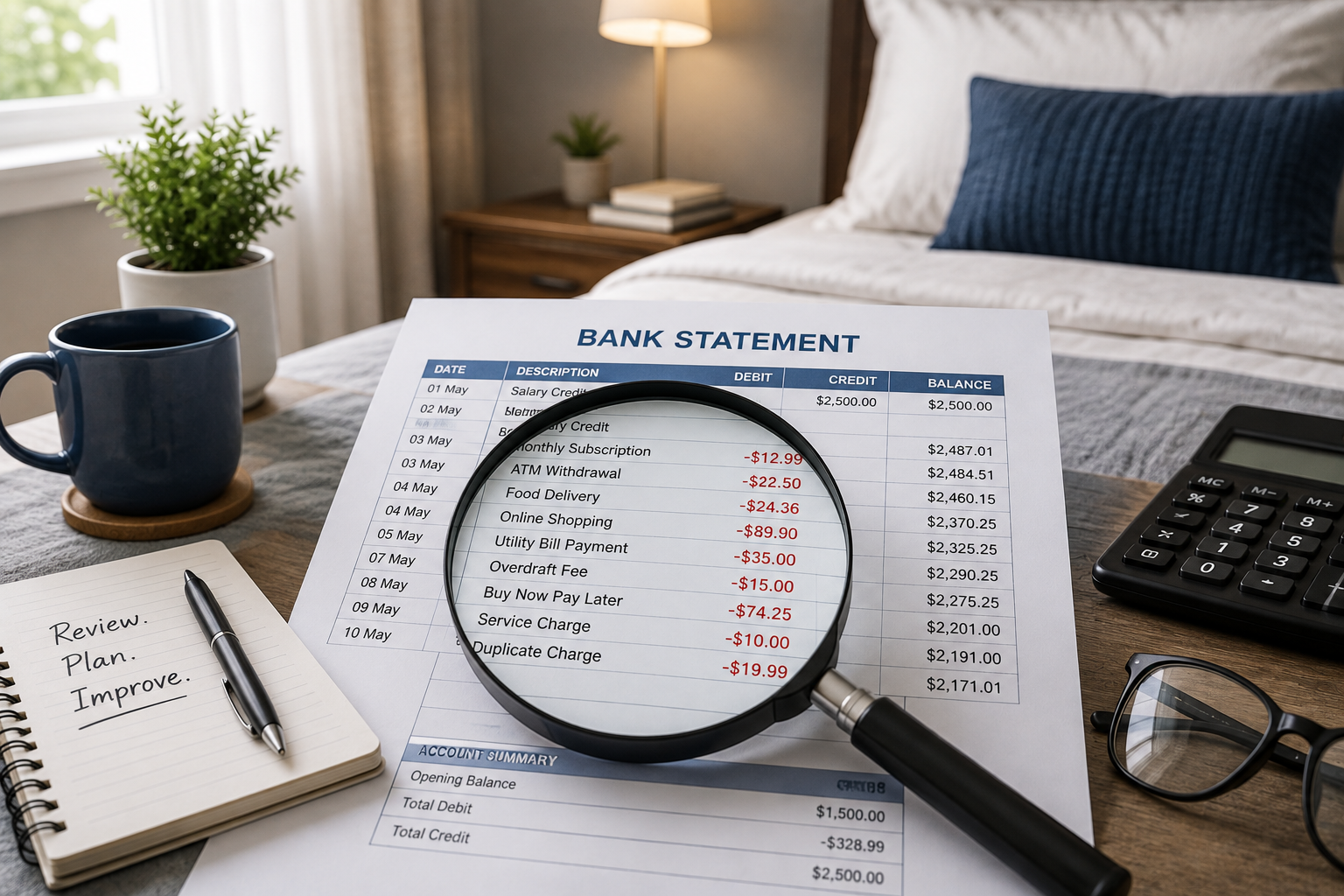
One major reason the financial hangover after vacation feels so brutal is because credit cards disconnect spending from reality.
Swiping a card on vacation doesn’t trigger the same emotional reaction as watching cash disappear.
That psychological disconnect makes it easier to overspend repeatedly throughout a trip.
Then the statement arrives weeks later like a delayed financial jump scare.
For many people, the vacation ends long before the payments do.
The “Vacation Recovery Month” Problem
Another overlooked issue is what happens after the trip.
Many Americans unknowingly turn the following month into a “financial recovery month.”
That means:
cutting back aggressively,
avoiding social plans,
delaying savings,
relying on credit cards,
or stressing over basic expenses.
The worst part is that vacations are supposed to improve mental health — but financial anxiety afterward often cancels out the emotional benefits.
That’s the true cost of the financial hangover after vacation.
Social Media Makes It Worse
Modern travel culture creates unrealistic expectations.
People constantly see:
luxury Airbnbs,
expensive beach resorts,
business class flights,
aesthetic cafes,
and influencer-style itineraries.
What social media rarely shows is the debt, stress, or budgeting problems behind those trips.
Many Americans spend beyond their comfort zone trying to recreate online lifestyles that aren’t financially realistic.
This comparison culture fuels the financial hangover after vacation even more.
Signs Your Vacation Hurt Your Finances
Here are some signs the trip may have gone beyond your budget:
You’re avoiding checking your credit card balance.
You’re waiting for your next paycheck to recover.
You regret multiple purchases from the trip.
You financed part of the vacation with debt.
You’re cutting essentials after returning home.
Your savings took a major hit.
You feel anxious instead of relaxed after traveling.
If these feel familiar, you’re not alone.
How to Avoid the Financial Hangover After Vacation
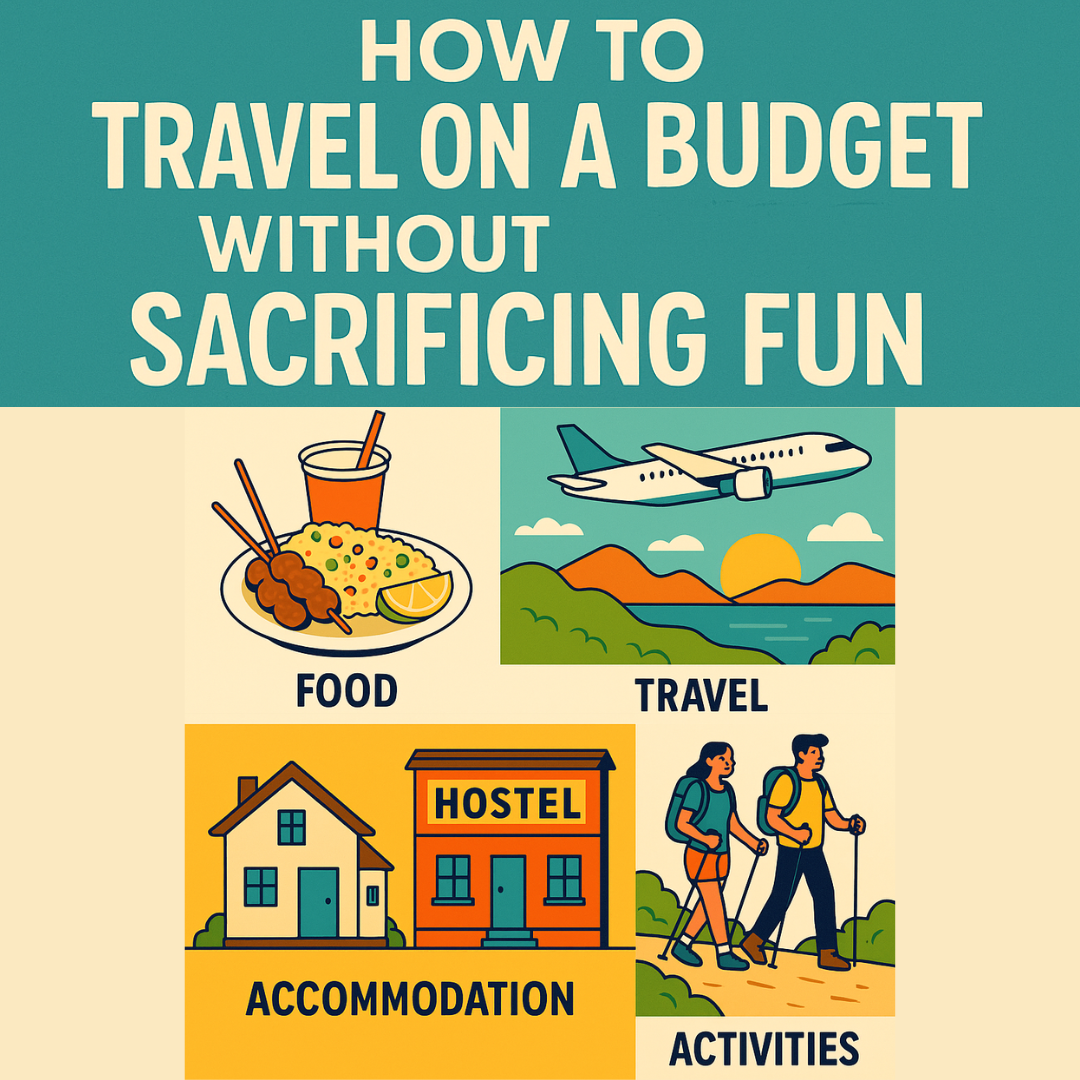
The good news is that vacations don’t have to destroy your budget.
1. Set a “Real Spending” Budget
Include hidden costs like:
food,
transportation,
tips,
shopping,
and emergencies.
Most people only budget for flights and hotels.
2. Use a Dedicated Vacation Fund
Saving gradually before traveling reduces reliance on credit cards.
3. Avoid “Treat Yourself” Spending Spirals
Not every meal, activity, or upgrade needs to be premium.
Leaving extra money untouched before vacation helps smooth the transition afterward.
6. Don’t Let Social Media Plan Your Trip
Trying to copy influencer lifestyles is one of the fastest ways to overspend.
Final Thoughts
The financial hangover after vacation happens because people often treat vacations like temporary escapes from financial reality.
But money stress eventually catches up.
A vacation should create memories — not months of financial anxiety. The goal isn’t to avoid travel altogether. It’s to enjoy experiences without returning home to a budget disaster.
Because the worst souvenir you can bring back from vacation is credit card debt.