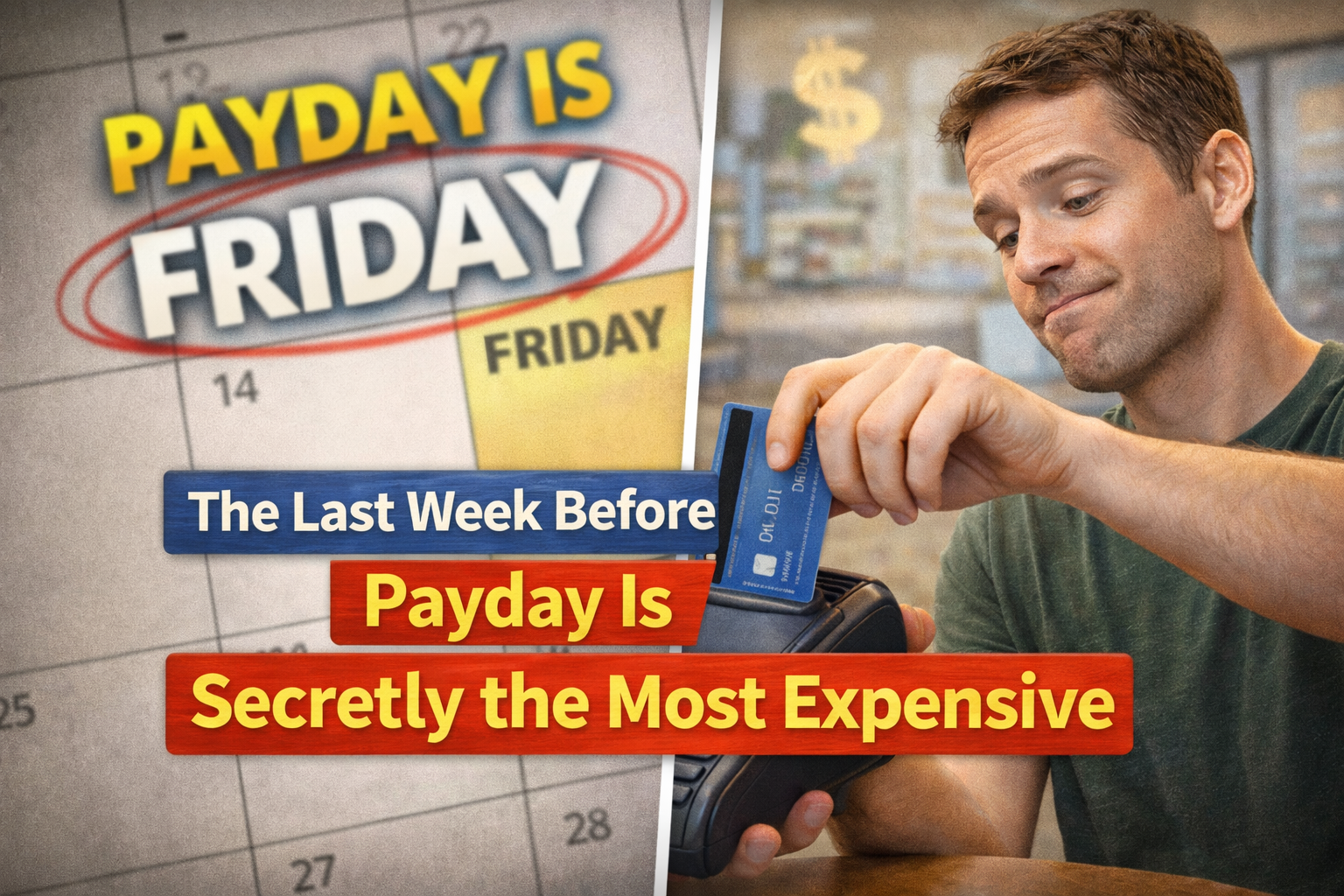
Sometimes overspending happens slowly. Other times it feels like your bank account got hit by a tornado made of takeout, impulse purchases, subscriptions, and “I deserve this” energy. One minute you’re doing fine, and the next you’re scared to open your banking app because you already know the damage is bad.
The good news is that one bad spending month does not mean you are financially doomed. Almost everyone has months where expenses spiral out of control. The important thing is knowing how to reset before one messy month turns into a long-term financial pattern. This financial reset checklist is designed to help you regain control without guilt, extreme budgeting, or pretending you’ll suddenly become a completely different person overnight.
Step 1: Stop Panicking and Check the Actual Damage
The first mistake people make after overspending is avoiding their finances completely.
Ignoring your bank balance does not magically improve it. In fact, financial anxiety usually gets worse the longer you avoid looking at the numbers.
Open your banking app. Check:
Current balance
Credit card balances
Upcoming bills
Pending subscriptions
Recent purchases
Yes, it may feel painful for five minutes. But clarity is always better than financial denial.
Step 2: Figure Out What Triggered the Overspending
Overspending rarely happens randomly.
Usually there is a trigger:
Stress spending
Emotional shopping
Social pressure
Boredom purchases
Convenience spending
Rewarding yourself too often
Underestimating small expenses
Understanding why you overspent matters more than feeling guilty about it.
A lot of people try to “fix” overspending with extreme budgeting instead of addressing the habits that caused it in the first place.
Step 3: Pause Non-Essential Spending for a Few Days
You do not need to become ultra-frugal forever.
But giving yourself a short financial cooldown period can help reset your spending habits quickly.
For the next few days:
Avoid impulse purchases
Skip unnecessary online shopping
Pause food delivery apps
Delay “treat yourself” spending
Avoid browsing shopping apps for entertainment
This creates breathing room while helping your brain break out of reactive spending mode.
Step 4: Cancel at Least One Unused Subscription
Subscriptions are one of the easiest ways money quietly disappears every month.
Most people have:
Streaming services they barely use
Forgotten free trials
Apps charging silently in the background
Memberships they stopped caring about months ago
Canceling even one unnecessary subscription immediately reduces financial pressure moving forward.
Small recurring expenses add up much faster than people realize.
Step 5: Make One Small Recovery Move Immediately
People often wait until “next month” to start fixing their finances.
After overspending, many people overreact by creating impossible budgets:
No fun spending
No eating out
No entertainment
No shopping at all
These aggressive financial resets usually last about six days before burnout hits and spending rebounds even harder.
A realistic budget works better than a perfect fantasy budget.
Your goal is consistency — not financial punishment.
Step 7: Build a Simple “Overspending Recovery Plan”
Instead of obsessing over the past month, focus on stabilizing the next one.
A simple recovery plan might include:
Lower discretionary spending temporarily
Meal prepping more often
Tracking only major expenses
Avoiding unnecessary shopping apps
Using cash for certain spending categories
Automating bills and savings
Keep the system simple enough that you will actually follow it.
Step 8: Forgive Yourself and Move Forward
One overspending month does not erase all financial progress.
Many people stay stuck financially because they turn one bad month into: “Well, I already messed up anyway.”
That mindset creates an endless cycle of financial self-sabotage.
The healthiest financial habits usually come from balance, awareness, and recovery — not perfection.
Final Thoughts
Overspending happens. Life gets expensive. Stress happens. Impulse purchases happen. The important thing is learning how to recover quickly instead of spiraling deeper into financial chaos.
A financial reset does not require a dramatic life transformation. Most of the time, it starts with small honest actions repeated consistently over time.
The goal is not becoming perfect with money overnight.
The goal is making sure one chaotic month does not become your permanent financial lifestyle.