Saving money sounds simple in theory — until real life gets in the way.
Between rent, groceries, bills, debt payments, rising prices, and everyday expenses, many people feel like there’s barely anything left to save at the end of the month. For households already living paycheck to paycheck, the idea of building an emergency fund can feel completely unrealistic.
But the truth is, an emergency fund is often even more important when money is tight.
Unexpected expenses like car repairs, medical bills, job loss, or emergency travel can quickly turn into financial disasters when there’s no savings buffer available. Even a small emergency fund can help prevent relying on credit cards, loans, or debt during difficult situations.
The good news is that building an emergency fund does not require a huge salary or massive monthly savings. Small, consistent steps can still create meaningful financial security over time.
Why an Emergency Fund Matters So Much
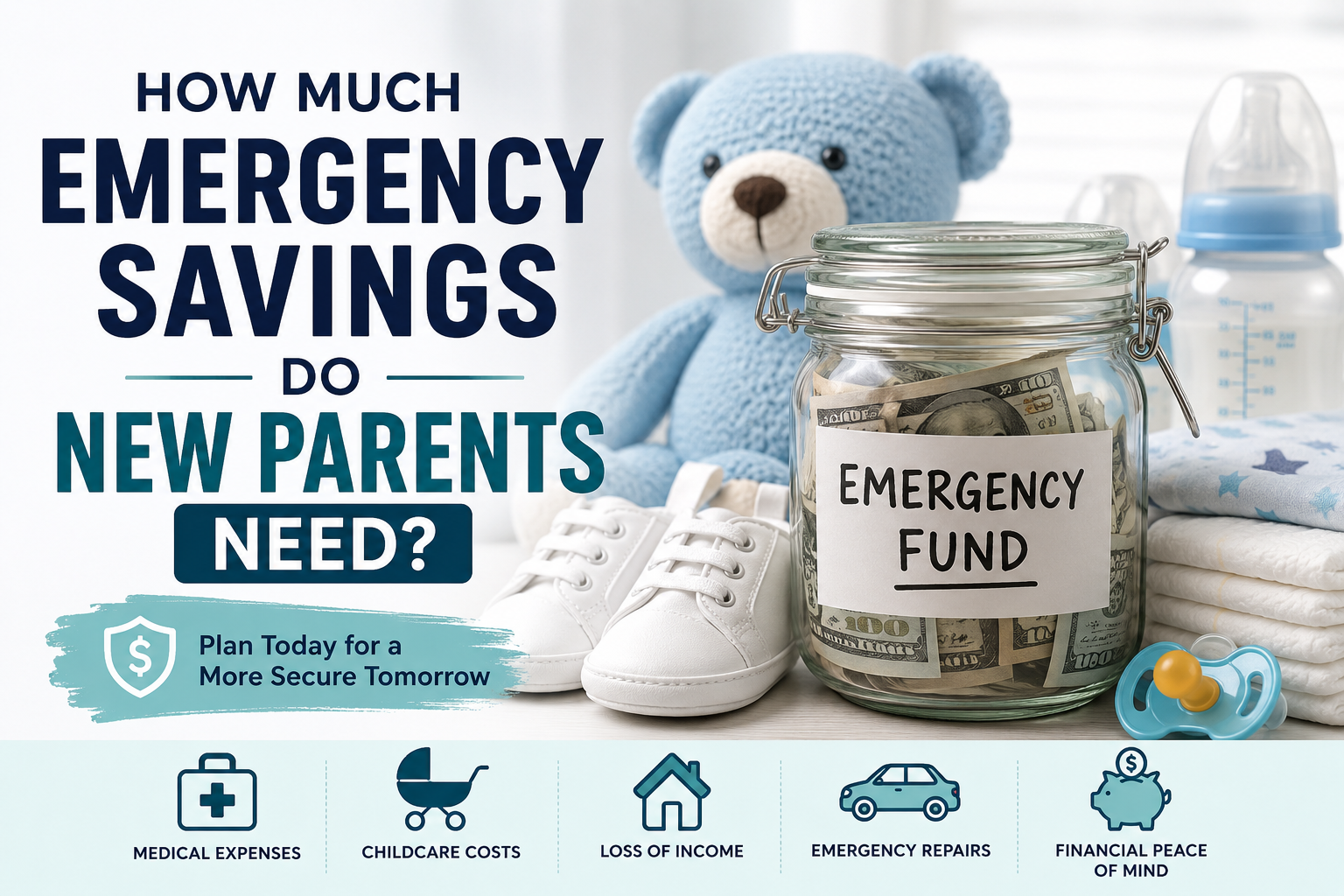
An emergency fund is money set aside specifically for unexpected financial situations.
It’s not meant for vacations, shopping, or planned purchases. Instead, it acts as a financial safety net during emergencies like:
medical expenses
job loss
urgent home repairs
car breakdowns
unexpected travel
sudden bills
Financial experts often recommend saving three to six months of essential expenses, but for many people, that number can feel overwhelming at first. The better approach is to start small and build gradually over time.
Even saving a few hundred dollars can make a major difference during an emergency.
Start With a Smaller Goal First
One of the biggest mistakes people make is thinking they need to save thousands of dollars immediately.
That pressure alone can stop people from starting.
Instead of focusing on a huge long-term goal, start with a smaller emergency fund target like:
$250
$500
$1,000
Reaching smaller milestones creates momentum and makes saving feel far more achievable. Many financial experts suggest starting with a starter emergency fund before working toward larger savings goals.
Treat Saving Like a Monthly Bill
When money is tight, saving often gets pushed aside until “there’s extra money left.”
Unfortunately, that extra money rarely appears consistently.
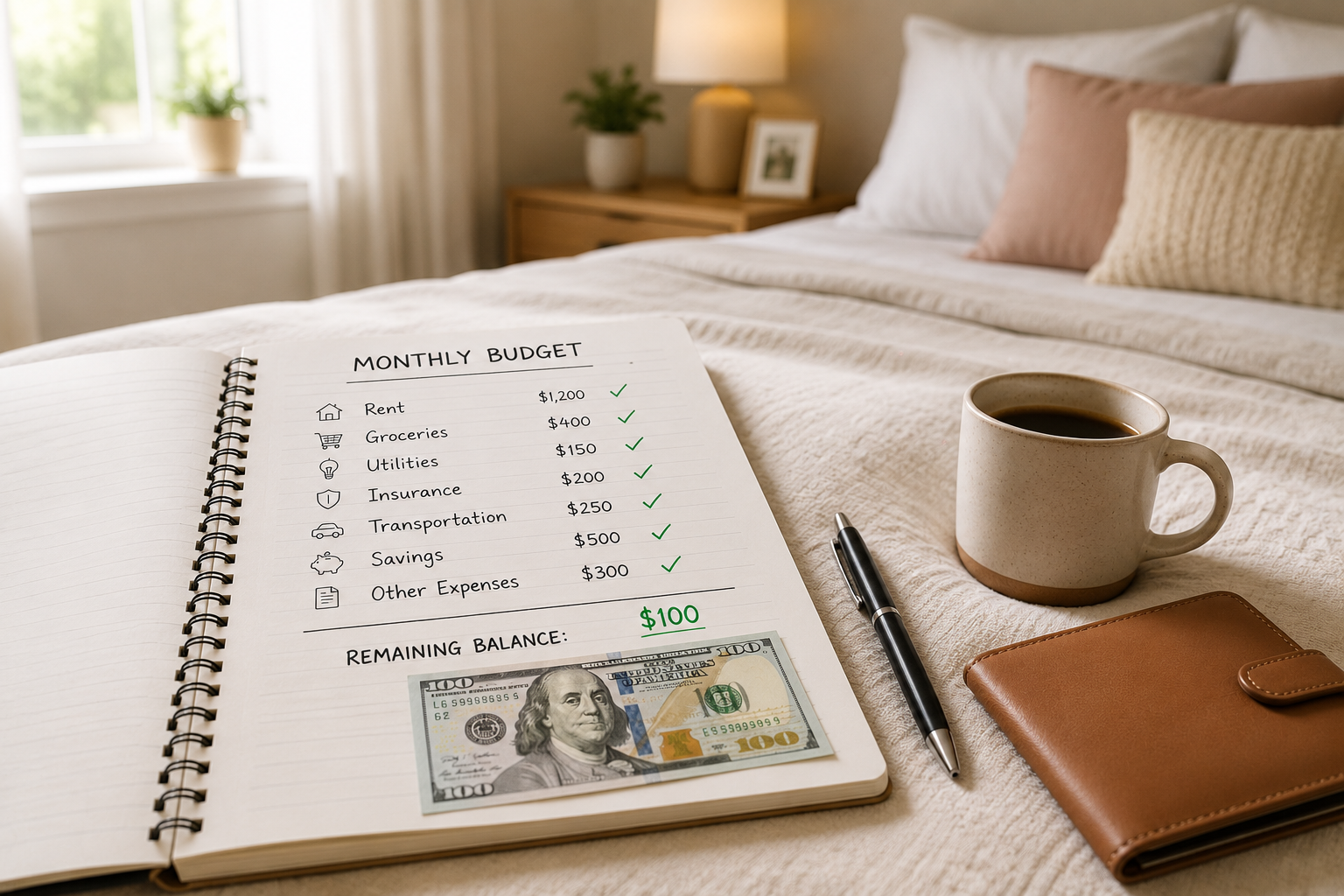
A better strategy is to treat savings like a required monthly expense — just like rent, utilities, or groceries.
Even setting aside:
$10 a week
$25 per paycheck
spare change from purchases
can slowly build financial stability over time.
Consistency matters more than saving large amounts occasionally.
Automate Savings Whenever Possible
One of the easiest ways to build an emergency fund is by automating the process.
Automatic transfers help remove the temptation to spend money before saving it.
Many people find success by:
setting up automatic transfers to savings
sending part of each paycheck directly into savings
using round-up savings tools
Even small automatic deposits can grow steadily over time without requiring constant effort.
Cut One or Two Expenses — Not Everything
Extreme budgeting often fails because it feels miserable and unsustainable.
Instead of cutting every enjoyable expense, focus on reducing just one or two spending categories temporarily.
For example:
fewer food deliveries
pausing unused subscriptions
reducing impulse shopping
limiting takeout meals
Redirecting even small amounts toward emergency savings can build momentum surprisingly quickly.
Use Windfalls Strategically
Tax refunds, bonuses, cashback rewards, gifts, or side income can provide an opportunity to grow savings faster.
Instead of spending all unexpected money immediately, consider putting at least part of it into an emergency fund.
Even one-time deposits can create meaningful progress.
Keep Your Emergency Fund Separate
Many people accidentally spend savings because it sits in their everyday checking account.
Keeping emergency savings in a separate account can reduce temptation and make the money feel less accessible for unnecessary purchases.
High-yield savings accounts are often recommended because they allow money to remain accessible while still earning some interest.
Building an Emergency Fund on a Low Income Takes Time
One of the most important things to remember is that emergency savings are built gradually.
Many people feel discouraged because they compare themselves to unrealistic financial advice online or assume they must save thousands immediately.
In reality, emergency funds are often built:
paycheck by paycheck
month by month
through small financial improvements over time
Progress matters far more than perfection.
Common Emergency Fund Mistakes To Avoid
Waiting for the “Perfect Time”
Many people delay saving because they believe they’ll start later when finances improve.
But emergencies rarely wait for the perfect financial situation.
Using Savings for Non-Emergencies
An emergency fund should only be used for true financial emergencies — not shopping, entertainment, or impulse spending.
Keeping Unrealistic Savings Goals
Starting too aggressively can make saving feel impossible and discouraging.
Smaller, sustainable goals usually work better long term.
The Bottom Line
Building an emergency fund while money is tight is not easy, but it is possible.
The key is to stop thinking of emergency savings as something only wealthy people can afford. Even small amounts saved consistently can provide protection, reduce financial stress, and help avoid debt during difficult moments.
Financial security is often built slowly through small habits repeated consistently over time.
Starting small today is still far better than waiting indefinitely for the “right” financial moment.