When people decide to improve their finances, they usually focus on the big stuff.
They look at their rent, mortgage, car payment, or utility bills and wonder how they can reduce those costs. While major expenses certainly impact your budget, they aren’t always the reason people struggle to save money.
Surprisingly, small expenses are often much harder to control than large ones.
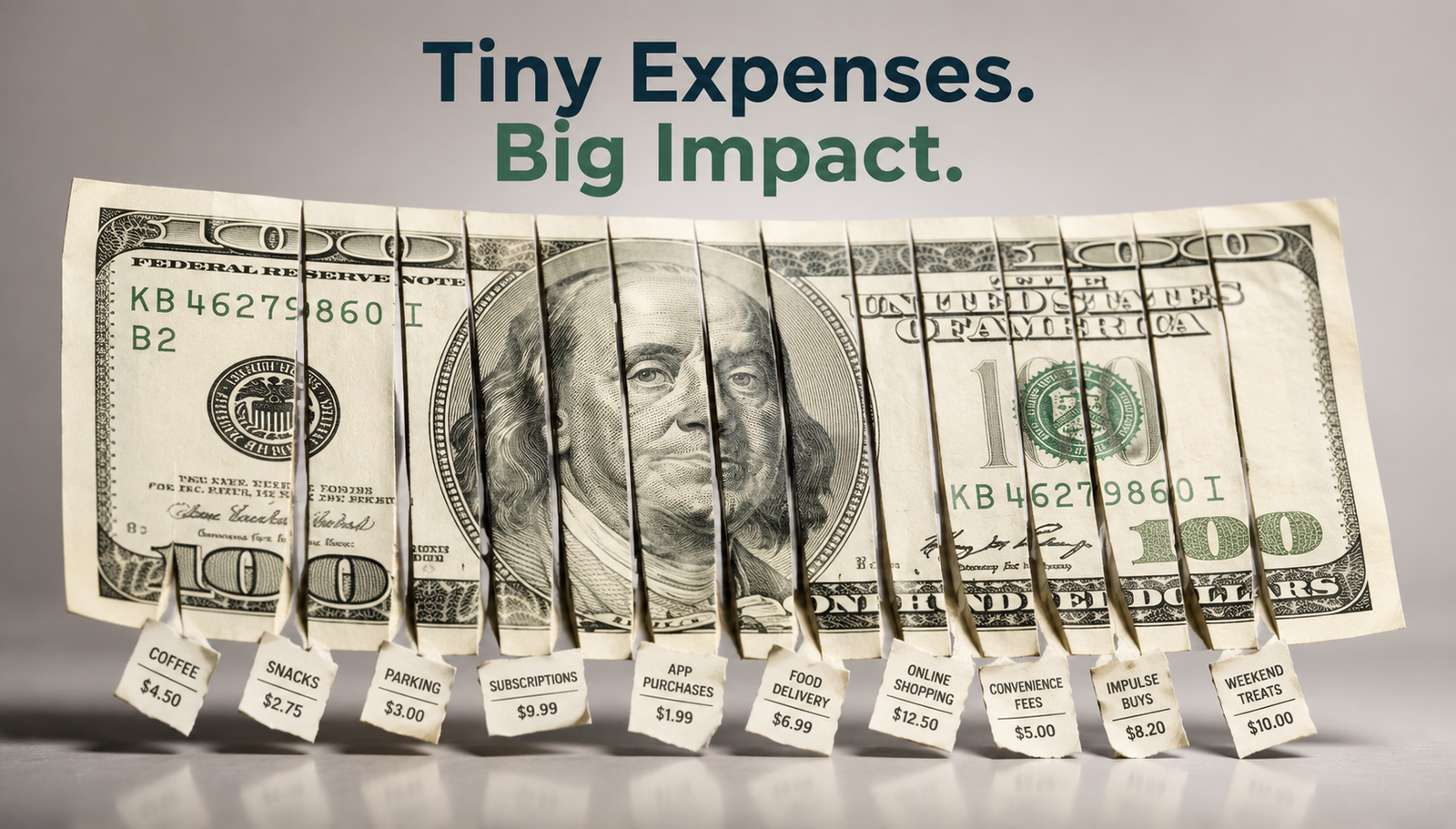
A $5 coffee, a food delivery fee, a streaming subscription, or an impulse purchase may seem insignificant on its own. However, these tiny expenses have a way of slipping under the radar and quietly consuming a large portion of your income.
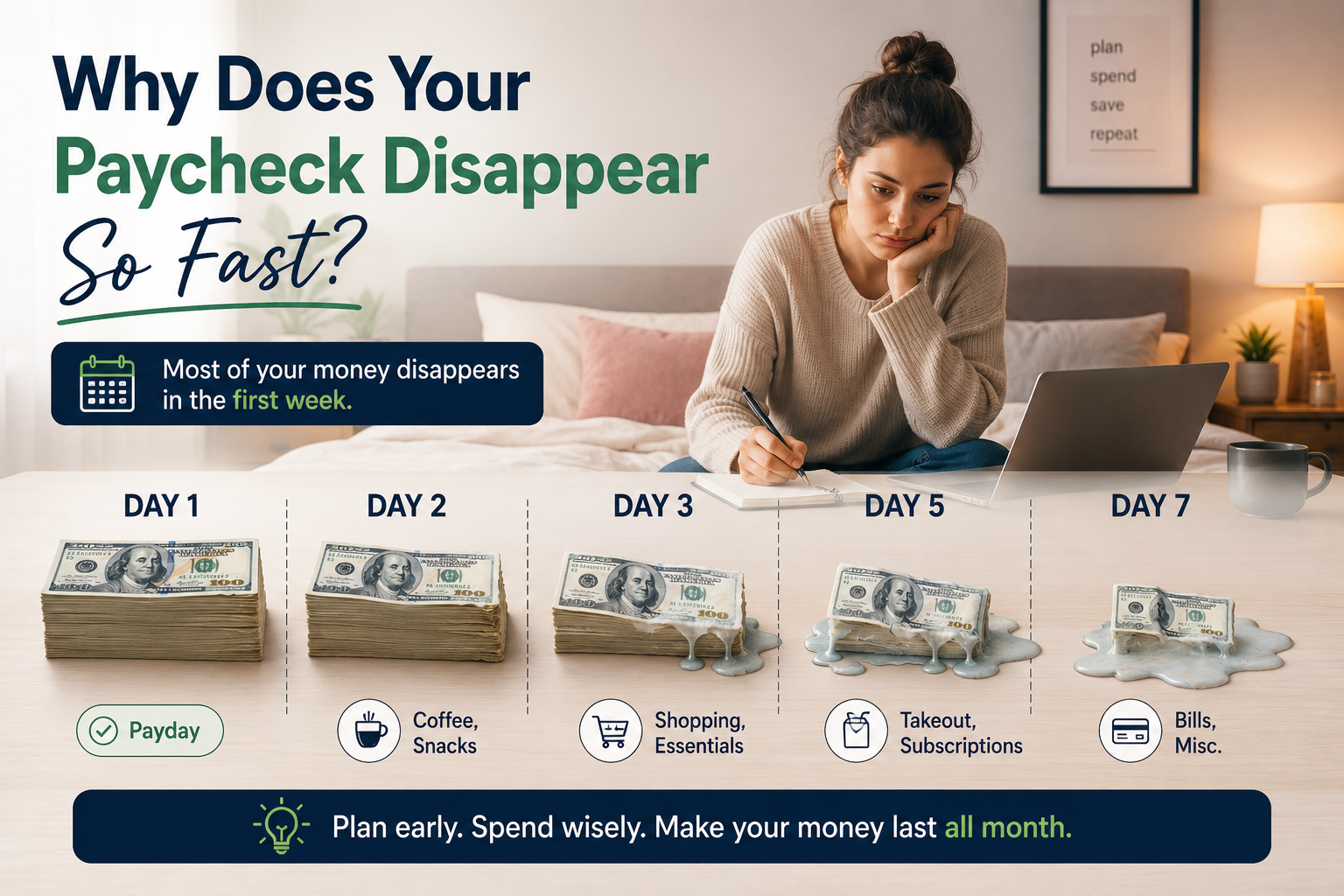
If you’ve ever wondered where your money goes every month despite avoiding major purchases, small expenses may be the answer.
Big Expenses Get Your Attention
Large purchases naturally stand out.
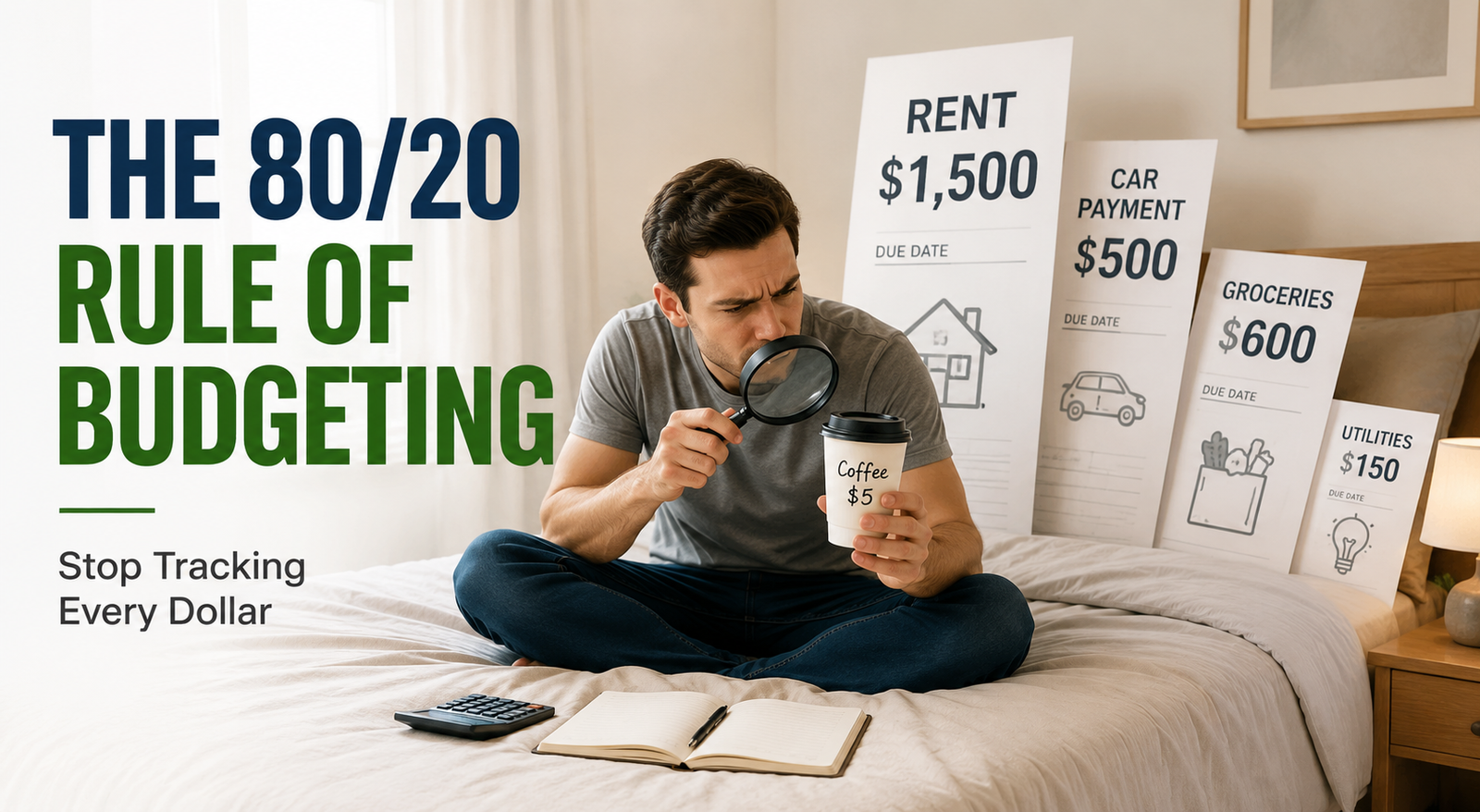
When you’re paying rent, buying a car, or booking a vacation, the financial impact is obvious. These expenses are large enough to trigger careful decision-making.
Before making a major purchase, most people spend time researching options, comparing prices, and considering alternatives.
A $1,500 expense feels important because it is.
The size of the transaction forces you to think carefully.
As a result, big expenses often receive more attention and scrutiny than they deserve relative to their frequency.
Small Expenses Feel Harmless
Small purchases work differently.
A $4 coffee doesn’t feel like a financial decision.
A $12 food delivery fee doesn’t seem life-changing.
A $9.99 subscription appears affordable.
Because these purchases feel insignificant, we rarely stop to analyze them.
The problem is that financial decisions aren’t evaluated based on their size alone. Frequency matters too.
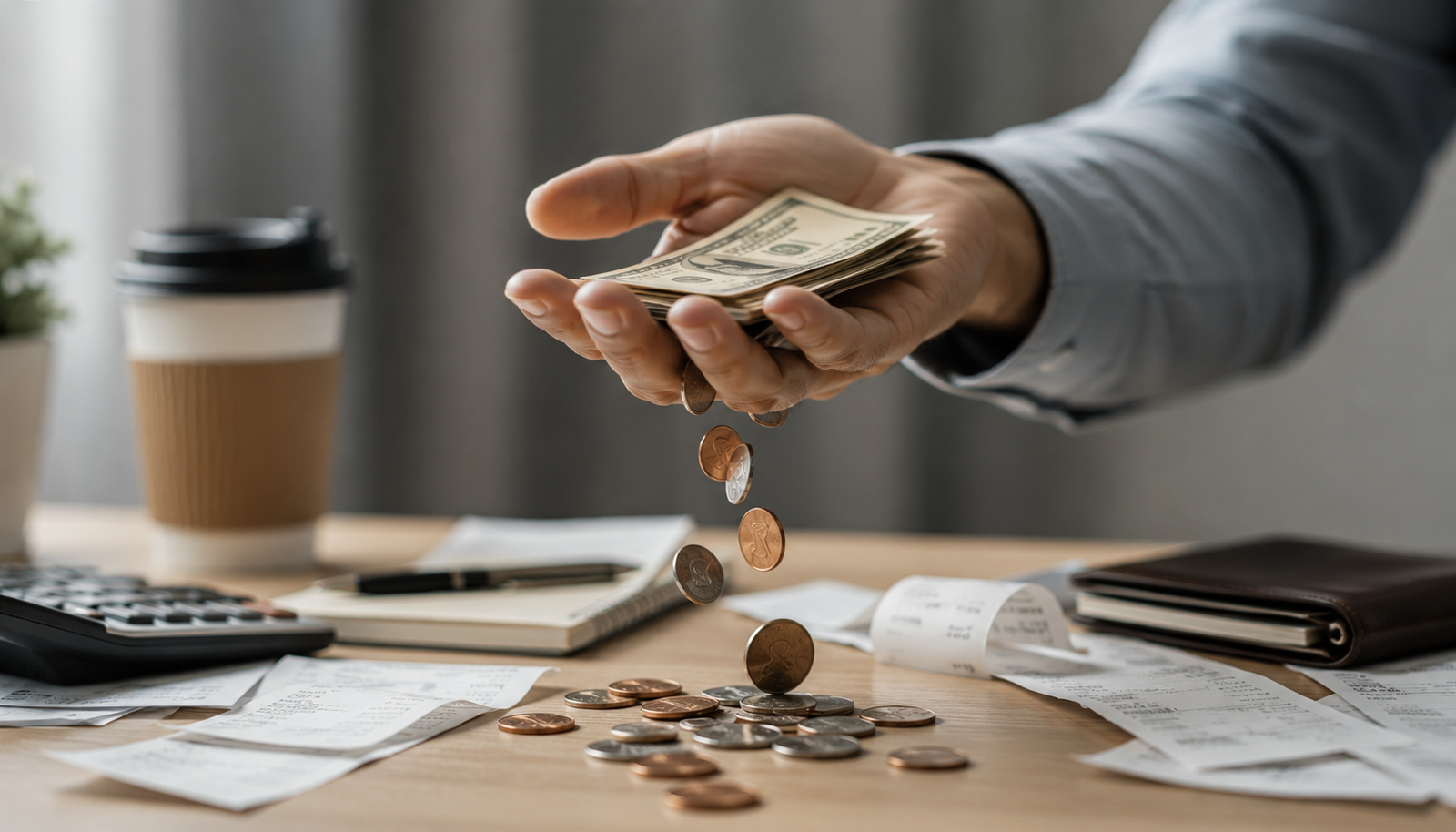
A small expense repeated hundreds of times can become more expensive than a single large purchase.
The “It’s Only…” Trap
One of the most dangerous phrases in personal finance is:
“It’s only…”
It’s only $5.
It’s only $10.
It’s only $15.
The human brain is surprisingly good at justifying small purchases.
Because the amount seems manageable, we often approve the spending without considering the long-term impact.
Yet those small purchases accumulate quickly.
A daily $8 habit costs nearly $3,000 per year.
A weekly $25 expense adds up to more than $1,300 annually.
Most people would think carefully before spending $3,000 upfront. Yet spending the same amount in small increments often goes unnoticed.
Small Expenses Are Everywhere
Another reason small expenses are difficult to control is that they occur constantly.
Large expenses happen occasionally.
Small expenses happen every day.
Examples include:
Coffee runs
Snacks
Convenience store purchases
Food delivery fees
Mobile app purchases
Subscription services
Online impulse buys
Convenience charges
Parking fees
Each expense may seem minor, but together they create a continuous drain on your budget.
Because these purchases are spread throughout the month, it’s difficult to appreciate their cumulative effect.
Small Purchases Provide Immediate Gratification
Many small expenses deliver an instant reward.
You get the coffee immediately.
You enjoy the snack immediately.
You receive the convenience immediately.
The pleasure is immediate while the financial cost feels distant.
This creates a psychological imbalance.
Your brain experiences the reward now, but the impact on your budget won’t become obvious until later.
As a result, small purchases often bypass the careful decision-making process we apply to larger expenses.
Technology Makes Spending Easier Than Ever
Modern payment systems have made small purchases almost frictionless.
With contactless payments, mobile wallets, one-click purchases, and automatic subscriptions, spending money often requires little effort.
Many people no longer feel the psychological impact of handing over physical cash.
The transaction happens instantly.
Because spending feels easier, controlling small expenses becomes more difficult.
This is particularly true for online purchases and subscription-based services.
Small Expenses Hide Inside Your Bank Statement
Large expenses are easy to spot.
A rent payment or car loan immediately stands out.
Small purchases often blend together.
Reviewing a bank statement filled with dozens of small charges can make it difficult to identify spending patterns.
Many people are shocked when they calculate how much they spend each month on:
Coffee
Food delivery
Streaming services
Convenience purchases
Subscription renewals
Tracking expenses regularly can reveal spending habits that were previously invisible.
Why Small Expenses Create Budgeting Problems
Small expenses don’t just cost money.
They make budgeting more difficult.
Because these purchases are unpredictable, they can vary significantly from month to month.
A person may budget for groceries but forget to account for:
Coffee stops
Quick takeout meals
Online purchases
Delivery fees
Subscription renewals
Over time, these unplanned expenses can create a gap between expected spending and actual spending.
This is one reason many people feel like they’re following a budget while still struggling to make progress.
Are Small Expenses More Important Than Big Ones?
Not necessarily.
A major housing expense will always have a significant impact on your finances.
However, small expenses often represent the easiest opportunities for improvement because they occur frequently and are easier to change.
Negotiating rent may be difficult.
Canceling unused subscriptions may take five minutes.
Downsizing your home may not be practical.
Reducing impulse purchases can start immediately.
The goal isn’t to obsess over every dollar.
The goal is to become aware of spending patterns that happen so often you stop noticing them.
How to Gain Control Over Small Expenses
Track Every Dollar for One Month
Most people underestimate their spending.
Tracking expenses for a full month often reveals surprising habits.
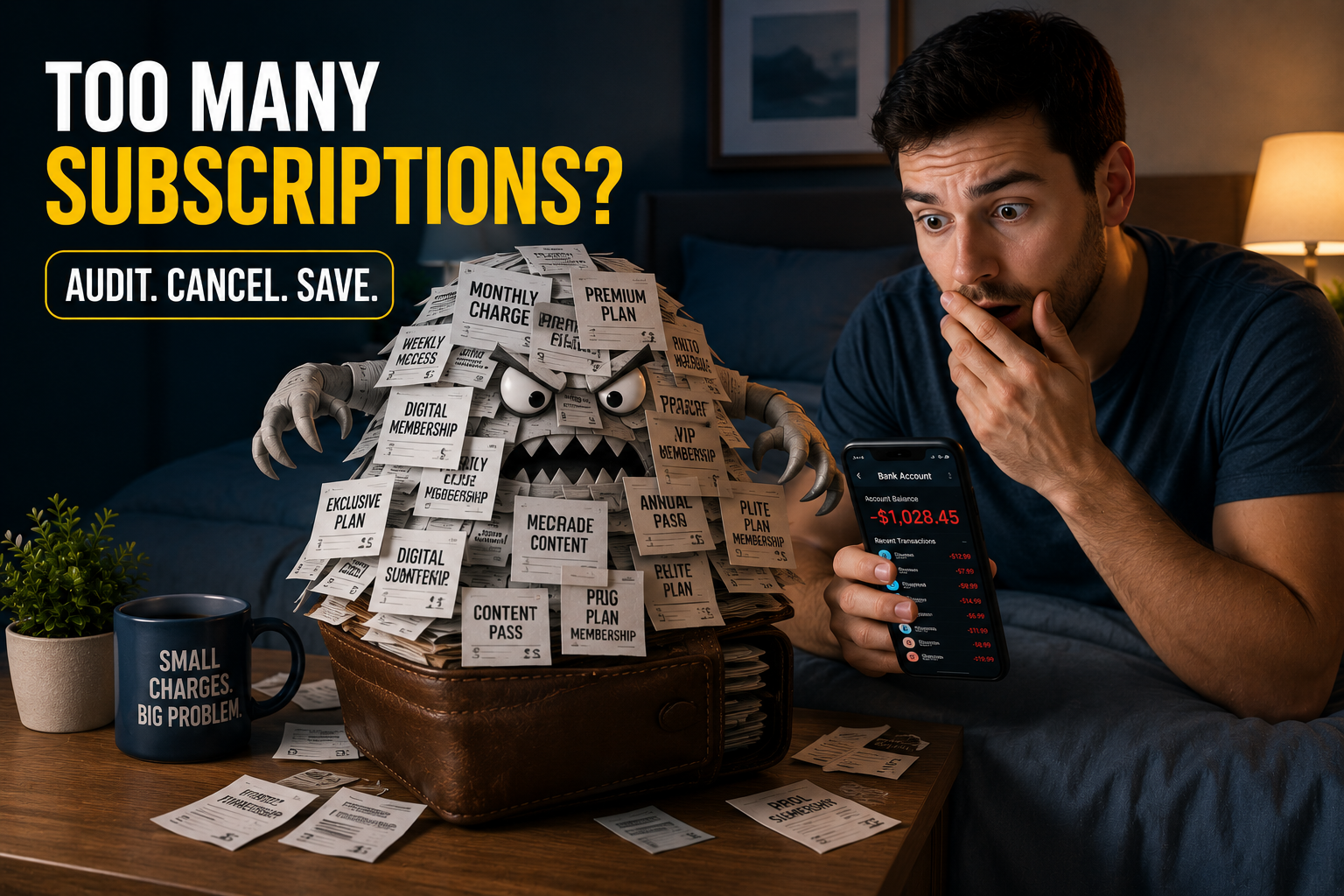
Review Recurring Charges
Many subscriptions continue long after they’re useful.
A quick audit can uncover easy savings.
Create a Spending Buffer
Instead of budgeting only for major expenses, include a category for everyday discretionary spending.
Focus on Awareness, Not Perfection
You don’t need to eliminate every coffee or small luxury.
You simply need to understand how frequently those expenses occur.
Use a Monthly Budget
A detailed monthly budget makes it easier to identify spending patterns and spot money leaks before they become significant problems.
The Bigger Lesson
Small expenses are difficult to control because they don’t feel important.
They’re frequent, convenient, emotionally rewarding, and easy to justify.
Yet when combined, these seemingly harmless purchases can have a major impact on your financial progress.
Many people spend months searching for ways to increase their income while overlooking the dozens of small financial decisions they make every day.
The truth is that financial success often isn’t determined by a few major choices. It’s shaped by hundreds of small ones.
Final Thoughts
Big expenses get the headlines, but small expenses quietly shape your financial future.
Because they’re easy to ignore, they often become one of the biggest obstacles to saving money and sticking to a budget.
The next time you think, “It’s only a few dollars,” remember that your budget doesn’t experience expenses one purchase at a time. It experiences them collectively.
By paying closer attention to recurring small purchases, tracking your spending, and using a monthly budget tool to stay aware of where your money goes, you can gain greater control over your finances without feeling deprived.
Sometimes the smallest expenses create the biggest financial challenges.