Have you ever received a raise, landed a better-paying job, or started earning significantly more money, only to discover that your bank account still feels empty at the end of the month?
If so, you’re not alone.
One of the most frustrating financial experiences is earning more while feeling just as broke as before. Many people assume that a higher income automatically leads to financial security, but reality often tells a different story. In fact, countless households are making more money today than they did a few years ago yet continue to struggle with saving, budgeting, and building wealth.
So why does this happen?
Let’s explore the hidden reasons why so many people feel broke despite earning more money and what you can do to break the cycle.
The Income Illusion
Many people believe that earning more money will solve all their financial problems. While higher income can certainly help, it doesn’t automatically improve financial habits.
When income increases, spending often increases right alongside it.
A person who once lived comfortably on $3,000 per month may eventually earn $5,000 per month. Instead of saving the extra $2,000, they might move into a larger apartment, upgrade their car, subscribe to more services, dine out more frequently, and increase discretionary spending.
Before long, the additional income disappears.
This phenomenon is known as lifestyle inflation.
Lifestyle Inflation: The Silent Wealth Killer
Lifestyle inflation occurs when your spending rises every time your income rises.
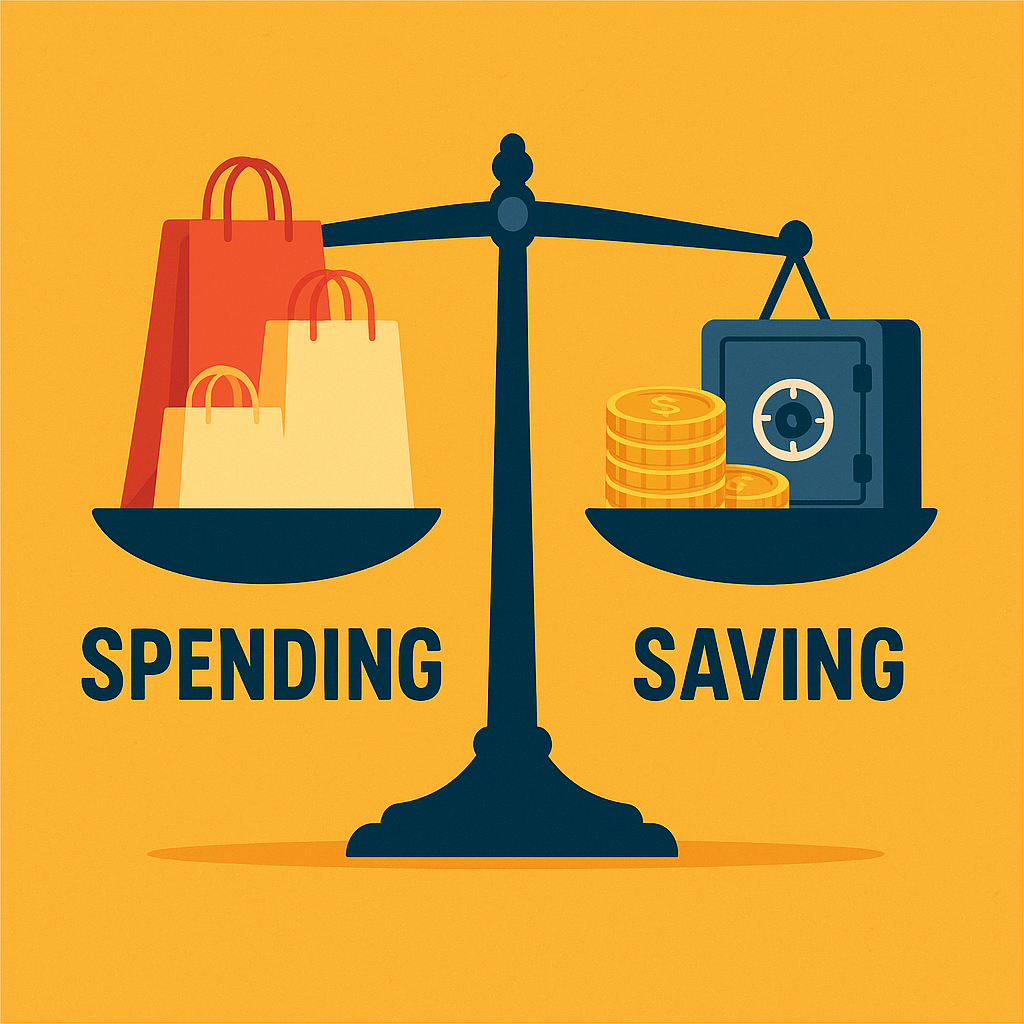
The problem isn’t necessarily spending more. The problem is spending every extra dollar you earn.
Examples of lifestyle inflation include:
Upgrading your phone every year
Moving into a more expensive home
Leasing a newer vehicle
Eating out more often
Taking larger vacations
Buying premium versions of products and services
While none of these purchases are inherently bad, they can prevent you from making meaningful financial progress.
Inflation Doesn’t Care About Your Raise
Another reason people feel broke despite earning more is that the cost of living continues to rise.
Housing, groceries, transportation, insurance, utilities, and healthcare have become significantly more expensive in many areas.
Imagine receiving a 5% raise while your living expenses increase by 7%.
Technically, you’re earning more money. Practically, your purchasing power has decreased.
This creates the frustrating feeling that you’re working harder and earning more but somehow falling behind.
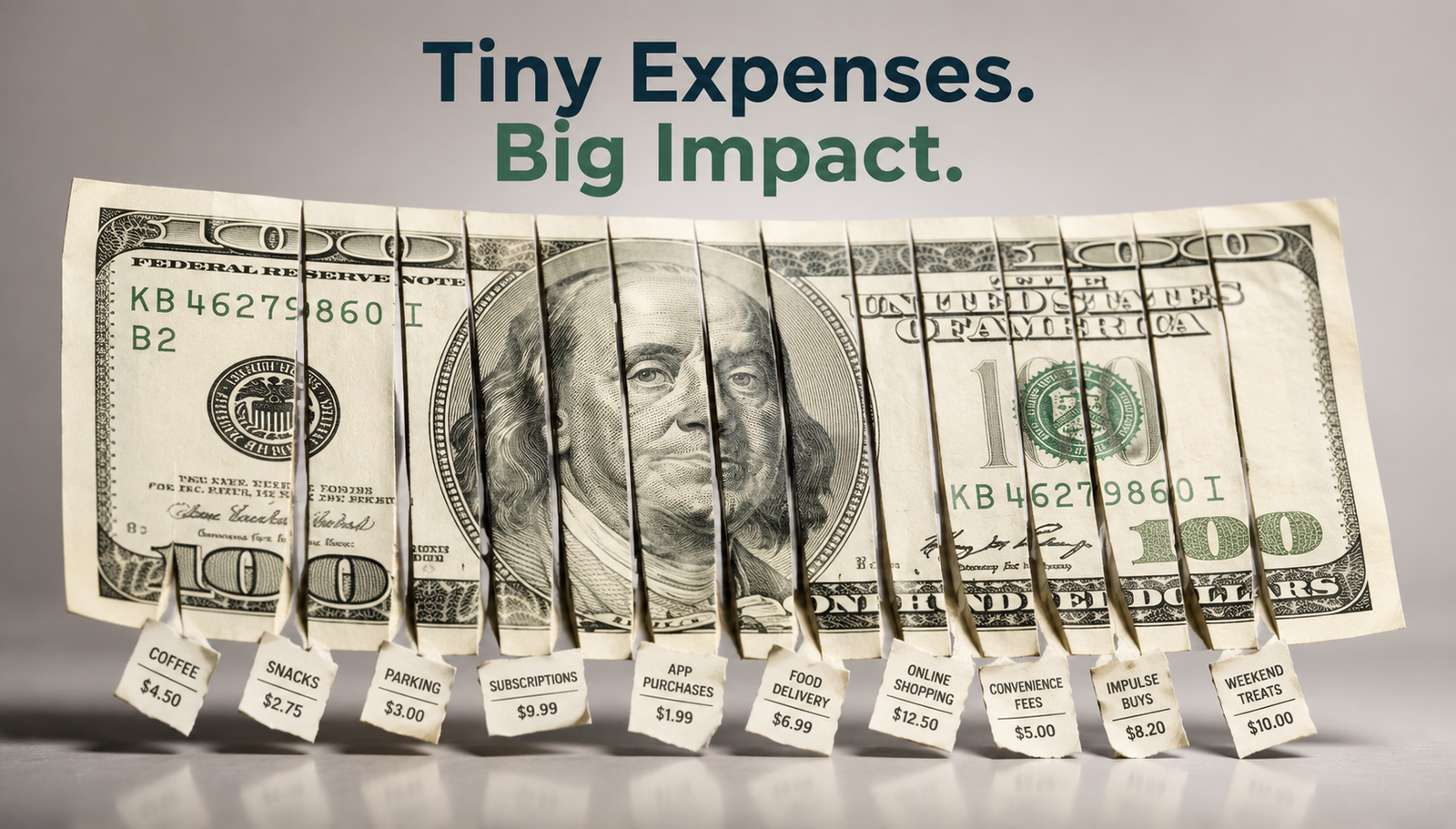
Small Monthly Payments Add Up Quickly
Many modern expenses are designed to feel affordable.
A streaming service costs a few dollars per month.
A premium app subscription costs a few dollars per month.
Cloud storage costs a few dollars per month.
A gym membership costs a few dollars per month.
Individually, these expenses seem insignificant. Together, they can consume hundreds of dollars every month.
Because these costs are spread out across multiple transactions, they often escape attention.
Reviewing recurring expenses regularly can help identify money leaks that slowly drain your budget.
More Income Can Create More Financial Pressure
As income increases, expectations often increase too.
Friends and family may assume you’re financially comfortable.
You may feel pressure to:
Buy a nicer home
Drive a better car
Dress differently
Spend more on gifts
Take more vacations
Sometimes the pressure comes from society. Sometimes it comes from ourselves.
Many people unconsciously tie their spending habits to their income level, creating a cycle where earning more simply leads to spending more.
Debt Often Grows With Income
Higher earners are not immune to debt.
In many cases, debt increases alongside income.
Someone earning more may qualify for:
Larger mortgages
Higher credit card limits
Bigger auto loans
More financing offers
While access to credit can be useful, it can also create long-term financial obligations that consume future income.
A larger paycheck doesn’t always translate into greater financial freedom if a significant portion of that income is already committed to debt payments.
Most People Don’t Have a Spending Plan
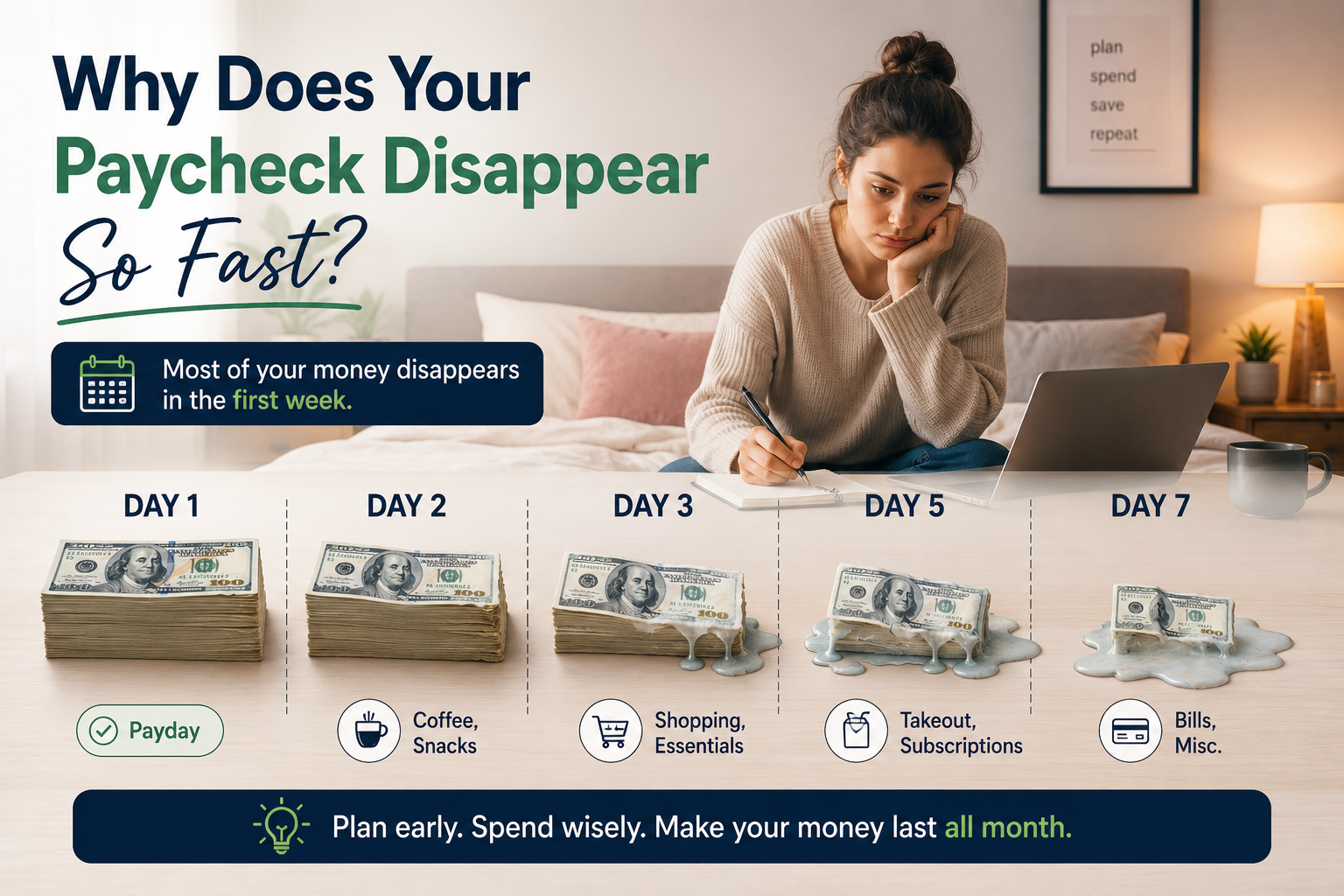
One of the biggest reasons people feel broke is that they never tell their money where to go.
Without a budget, it’s easy to assume that increased income automatically creates increased wealth.
Unfortunately, money has a way of disappearing when it isn’t assigned a purpose.
Creating a monthly budget helps ensure that every dollar serves a specific goal, whether that’s paying bills, building savings, reducing debt, or investing for the future.
This is where budgeting tools can be especially valuable because they provide a clear picture of where money is actually going.
The Hidden Impact of Lifestyle Creep
Lifestyle creep is a gradual version of lifestyle inflation.
Instead of making major upgrades all at once, spending slowly increases over months or years.
Examples include:
Ordering food delivery more frequently
Choosing convenience over cost
Shopping more often
Paying for services you previously handled yourself
Because these changes happen gradually, many people don’t notice them.
Years later, they wonder why their finances haven’t improved despite earning significantly more money.
Savings Often Get Delayed
Many people plan to save “later.”
They tell themselves:
I’ll save after my next raise.
I’ll save after I pay off this bill.
I’ll save when things settle down.
The problem is that financial life rarely settles down.
New expenses constantly appear.
Without prioritizing savings today, many people find themselves earning more but still living paycheck to paycheck.
How to Stop Feeling Broke Even If Your Income Doesn’t Increase
The good news is that feeling financially secure isn’t always about earning more.
Often, it’s about managing money more intentionally.
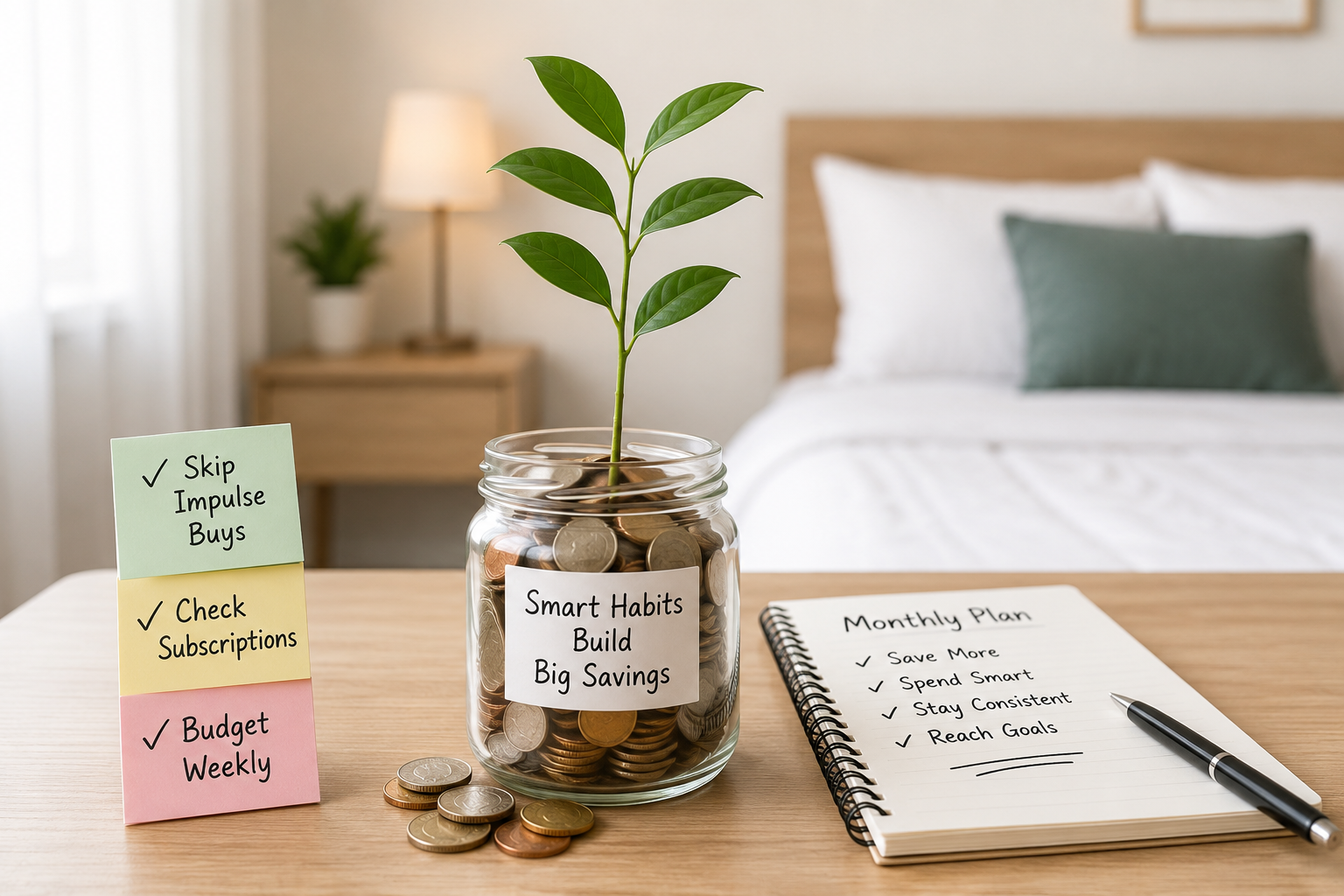
Here are a few practical steps:
Track Every Expense
Understanding where your money goes is the first step toward improving your finances.
Audit Your Subscriptions
Review recurring monthly expenses and eliminate services you no longer use.
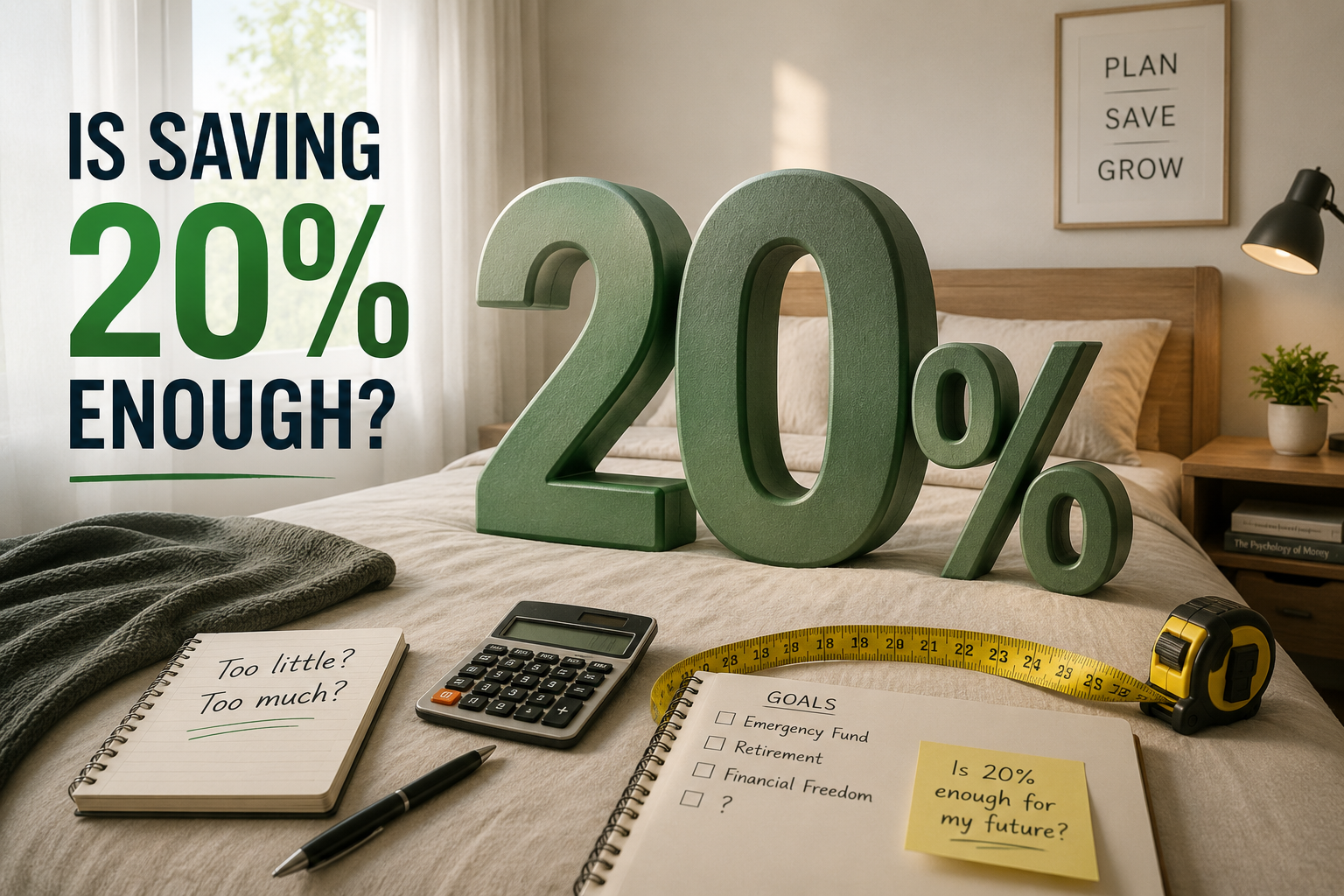
Increase Savings When Income Increases
When you receive a raise, direct a portion of it toward savings before adjusting your lifestyle.
Build an Emergency Fund
Unexpected expenses feel less stressful when you have a financial cushion.
Create a Realistic Budget
A budget isn’t about restriction. It’s about clarity.
Knowing exactly where your money goes can help reduce financial anxiety and prevent overspending.
Final Thoughts
Earning more money should improve your financial situation, but income alone doesn’t guarantee financial security.
Lifestyle inflation, rising living costs, debt, recurring expenses, and the absence of a spending plan can all contribute to the feeling of being broke despite earning more than ever before.
The solution isn’t necessarily to chase a bigger paycheck. It’s to become more intentional with the money you already earn.
By tracking expenses, controlling lifestyle creep, building savings, and following a realistic budget, you can create lasting financial progress and finally feel the benefits of your hard-earned income.
Remember: wealth isn’t determined solely by how much money you make. It’s determined by how much of that money you keep and how effectively you use it.