Need a ride? Someone can pick you up within minutes.
Modern technology has made life easier than ever before. Tasks that once required planning, effort, and time can now be completed almost instantly.
While convenience offers obvious benefits, it also comes with a hidden financial cost that many people fail to recognize.
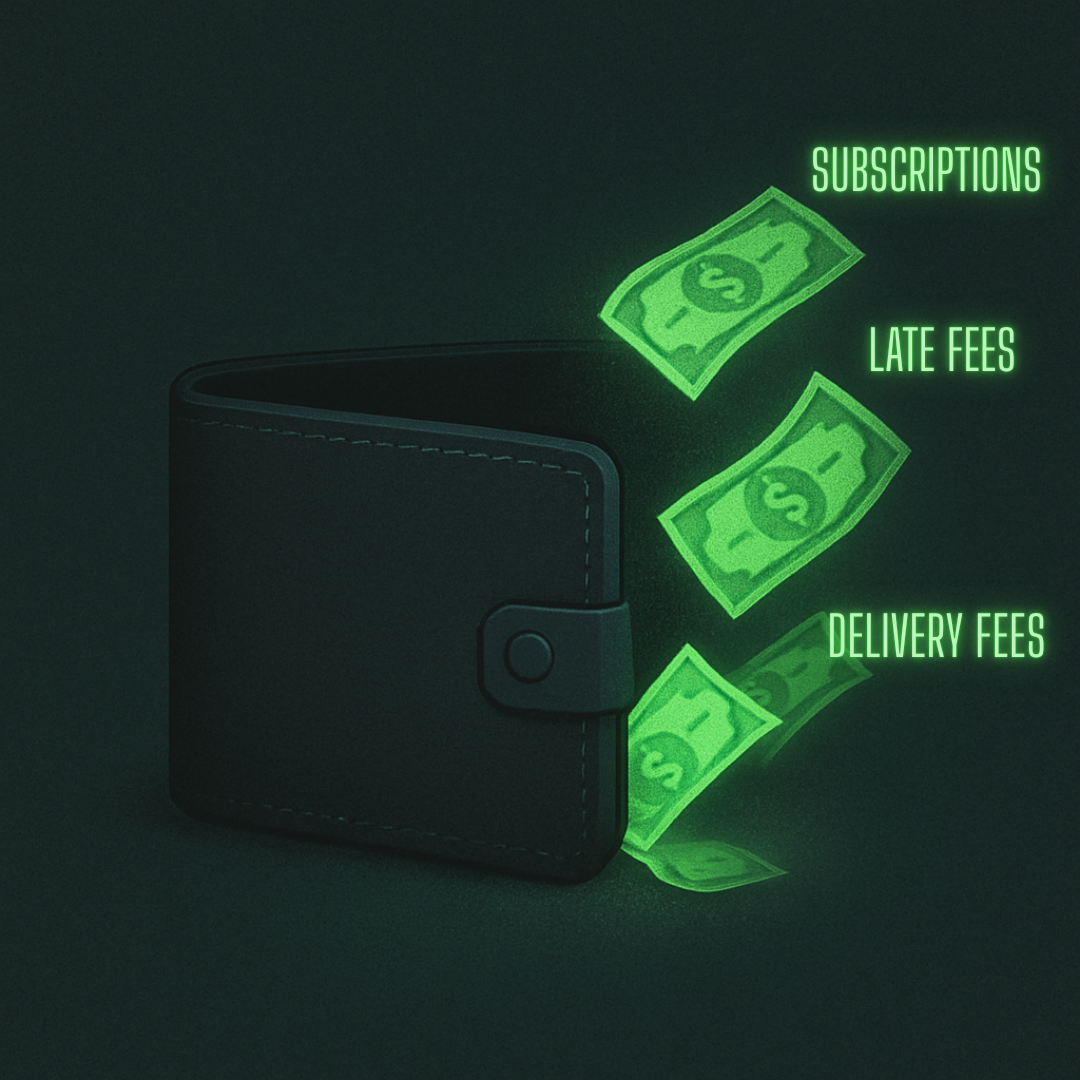
What feels like a small fee for saving time often becomes a recurring expense that quietly drains your budget month after month.
In many households, convenience spending has become so common that it no longer feels like spending at all.
The Convenience Economy Is Everywhere
A generation ago, many convenience services simply didn’t exist.
People picked up takeout themselves.
They shopped in stores.
They compared prices before making purchases.
Today, convenience is built into nearly every financial decision.
Examples include:
Food delivery apps
Grocery delivery services
Ride-sharing services
Same-day shipping
Subscription services
Buy Now, Pay Later options
Convenience store purchases
Premium memberships
Each service promises the same thing:
Less effort.
More convenience.
The problem is that convenience almost always costs money.
Convenience Fees Rarely Feel Expensive
One reason convenience spending is so dangerous is that the individual charges seem small.
A delivery fee might be $4.99.
A service fee might be $2.99.
A priority shipping option might cost $7.
A premium membership might cost $10 per month.
None of these amounts appear significant on their own.
Because the charges feel minor, most people approve them without much thought.
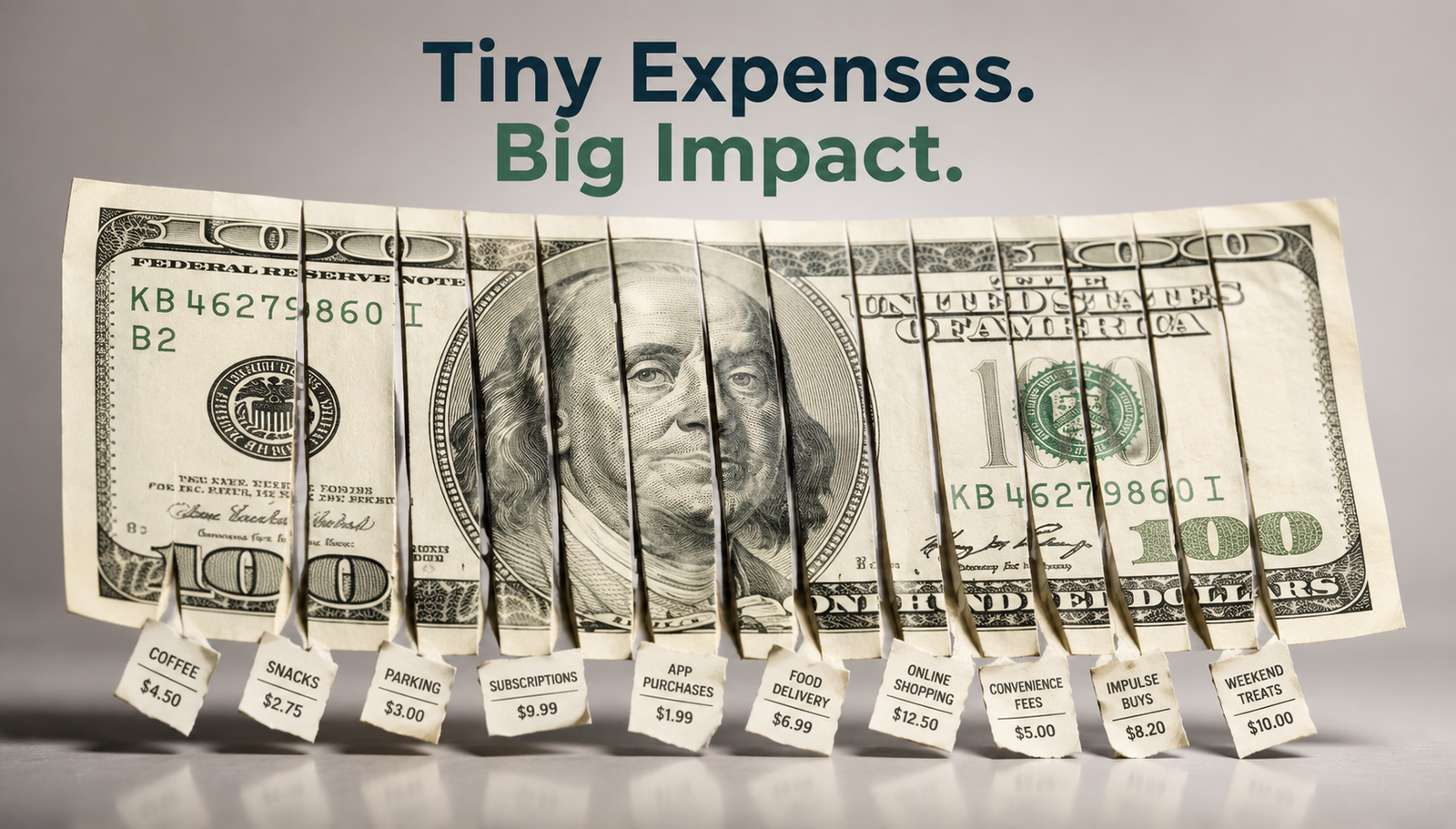
However, dozens of small convenience fees throughout the month can easily add up to hundreds of dollars.
This is similar to the way small expenses quietly accumulate over time.
We No Longer Feel the Cost
Convenience spending has become frictionless.
A few taps on a phone can trigger multiple charges:
Product cost
Delivery fee
Service fee
Tip
Taxes
Because the payment process happens so quickly, many people focus on the convenience rather than the total expense.
In previous generations, obtaining the same product might have required driving to a store, comparing prices, and making a deliberate purchase decision.
Today, convenience removes many of the natural barriers that once slowed spending.
Convenience Encourages Impulse Purchases
One of the biggest hidden costs of convenience is increased spending frequency.
The easier something becomes, the more often we do it.
Food delivery provides a perfect example.
Many people wouldn’t drive across town to order a single dessert.
But if it can arrive in 20 minutes with a few taps, the purchase suddenly feels reasonable.
Convenience reduces the effort required to spend money, which often increases the number of spending decisions we make.
This can create a cycle where spending becomes habitual rather than intentional.
Time Savings Can Be Misleading
Convenience services often market themselves as time savers.
And they are.
But it’s worth asking an important question:
How much is your saved time actually worth?
Paying an extra $20 to save five minutes may not always be a good financial tradeoff.
Many consumers pay convenience premiums automatically without evaluating whether the time savings justify the additional cost.
Over months and years, these decisions can become surprisingly expensive.
Convenience Is Fueling Lifestyle Inflation
Lifestyle inflation occurs when spending increases alongside income.
Convenience plays a major role in this process.
As people earn more money, they often purchase services that reduce effort:
Grocery delivery
House cleaning
Meal delivery
Subscription services
Premium memberships
Again, none of these purchases are inherently bad.
The danger comes when convenience becomes the default option rather than an occasional luxury.
Over time, people become accustomed to paying extra for tasks they once handled themselves.
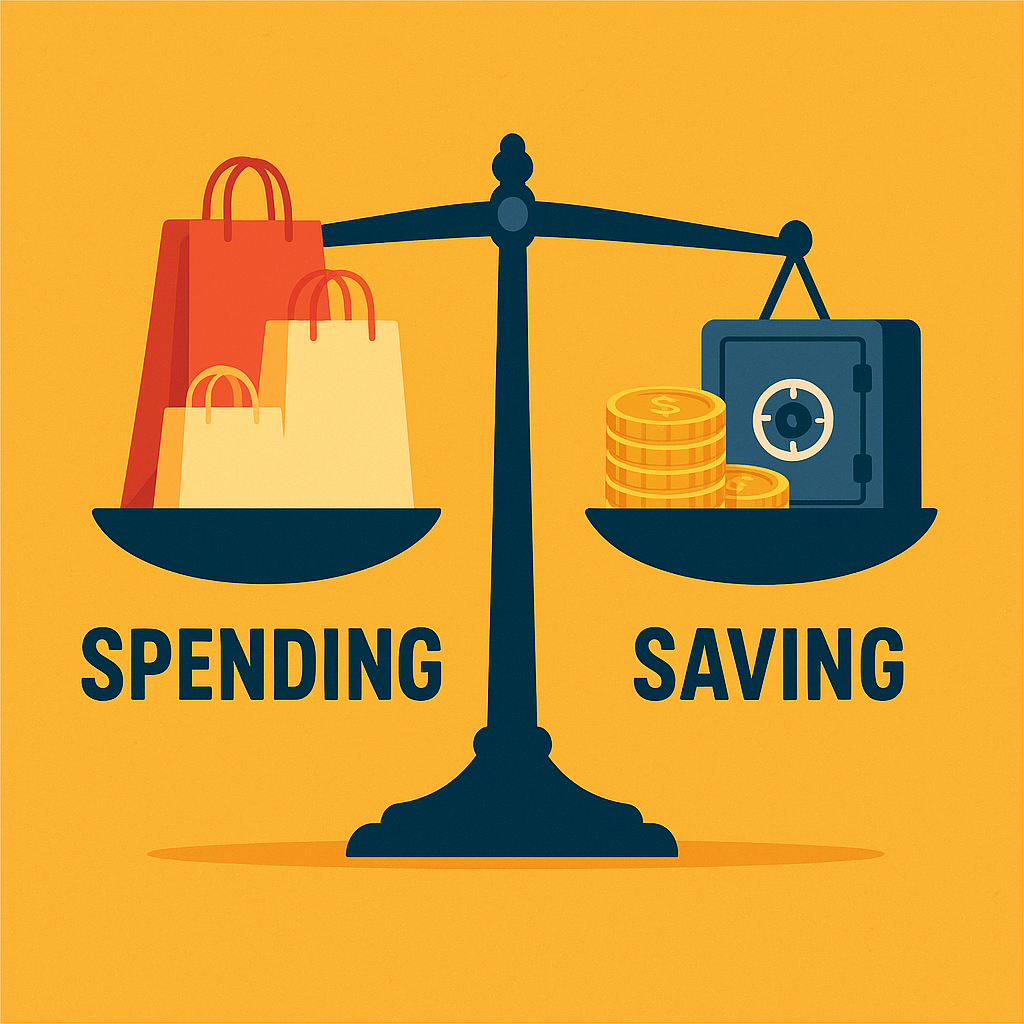
This can make it difficult to increase savings even when income rises.
The Subscription Layer
Convenience spending isn’t limited to one-time purchases.
Many companies now package convenience into recurring subscriptions.
Examples include:
Faster shipping memberships
Premium streaming services
Grocery delivery memberships
Productivity software
Meal planning services
Because these charges occur automatically, they’re easy to forget.
Many consumers underestimate how much they’re spending on convenience subscriptions every month.
This is one reason why regular subscription audits are so important.
Why Convenience Feels Necessary
The most dangerous aspect of convenience spending is that it often stops feeling optional.
After using a service repeatedly, it becomes part of your routine.
The extra fee no longer feels like a choice.
It feels like a necessity.
Many people become accustomed to paying for convenience and struggle to return to lower-cost alternatives.
This gradual shift can significantly increase monthly expenses without feeling like a major lifestyle change.
The Hidden Budget Problem
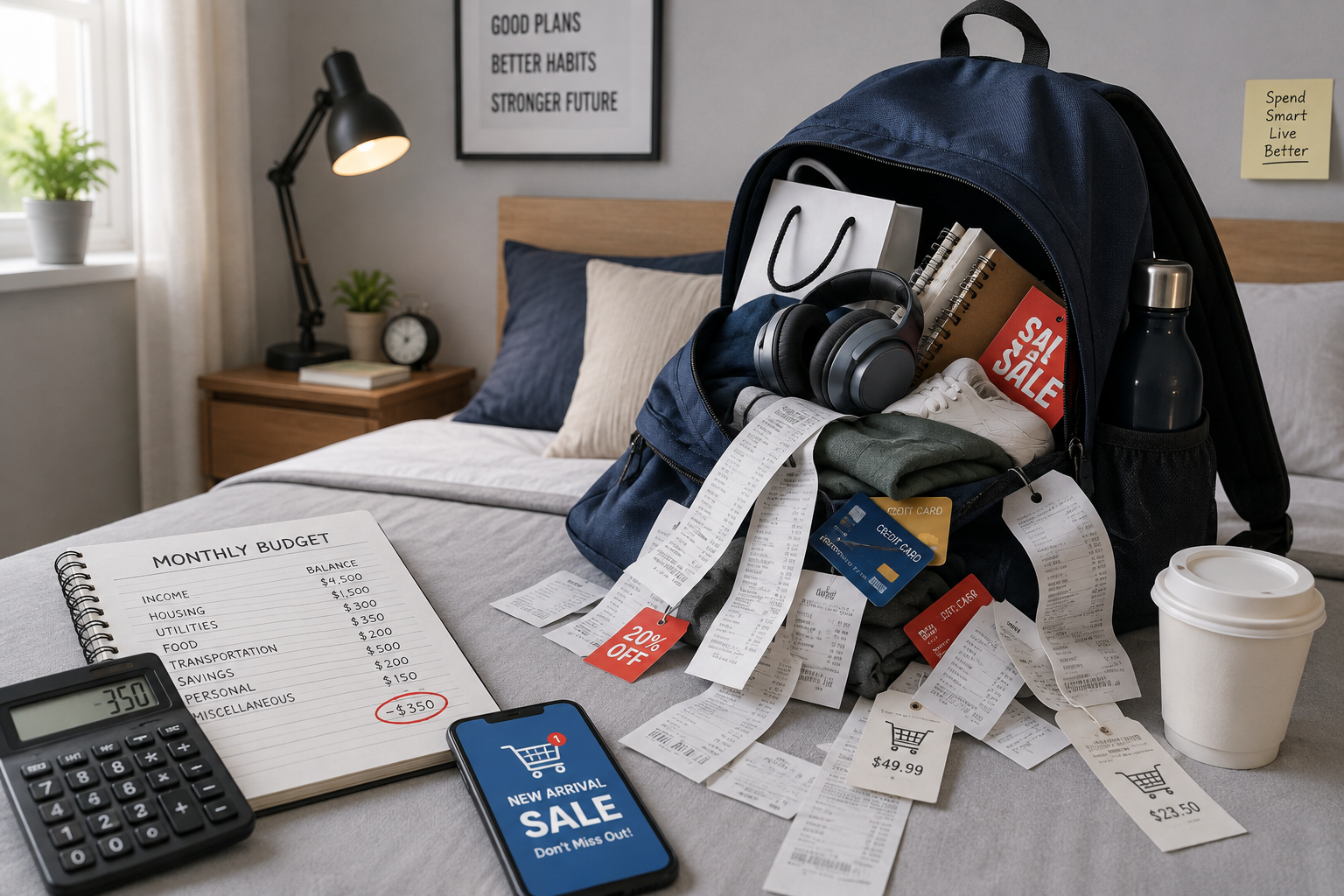
Convenience expenses often don’t appear in budgets.
Most people budget for:
Housing
Transportation
Utilities
Groceries
Few people create a category called “convenience spending.”
As a result, delivery fees, service charges, premium memberships, and convenience purchases tend to spread across multiple categories.
This makes it difficult to see the true cost.
When combined, convenience spending can represent one of the largest hidden expense categories in a household budget.
How to Enjoy Convenience Without Overspending
Convenience isn’t the enemy.
The goal isn’t to eliminate it completely.
Instead, use it intentionally.
Track Convenience Spending
Review your transactions and identify every delivery fee, service fee, and convenience-related purchase.
You may be surprised by the total.
Reserve Convenience for High-Value Situations
Convenience is often worth paying for when it genuinely saves significant time or reduces stress.
Not every situation requires the premium option.
Review Subscription Services
Many convenience memberships continue long after they’re useful.
Cancel services you rarely use.
Create a Convenience Budget
Assign a monthly amount specifically for convenience spending.
This creates awareness without forcing complete elimination.
Ask One Simple Question
Before paying for convenience, ask:
“Would I still make this purchase if convenience wasn’t available?”
The answer often reveals whether you’re paying for value or simply paying out of habit.
The Bigger Financial Risk
Convenience isn’t dangerous because of one delivery fee or one subscription.
It’s dangerous because it slowly changes spending behavior.
It makes spending easier.
It increases purchase frequency.
It reduces financial awareness.
And it creates recurring expenses that often go unnoticed.
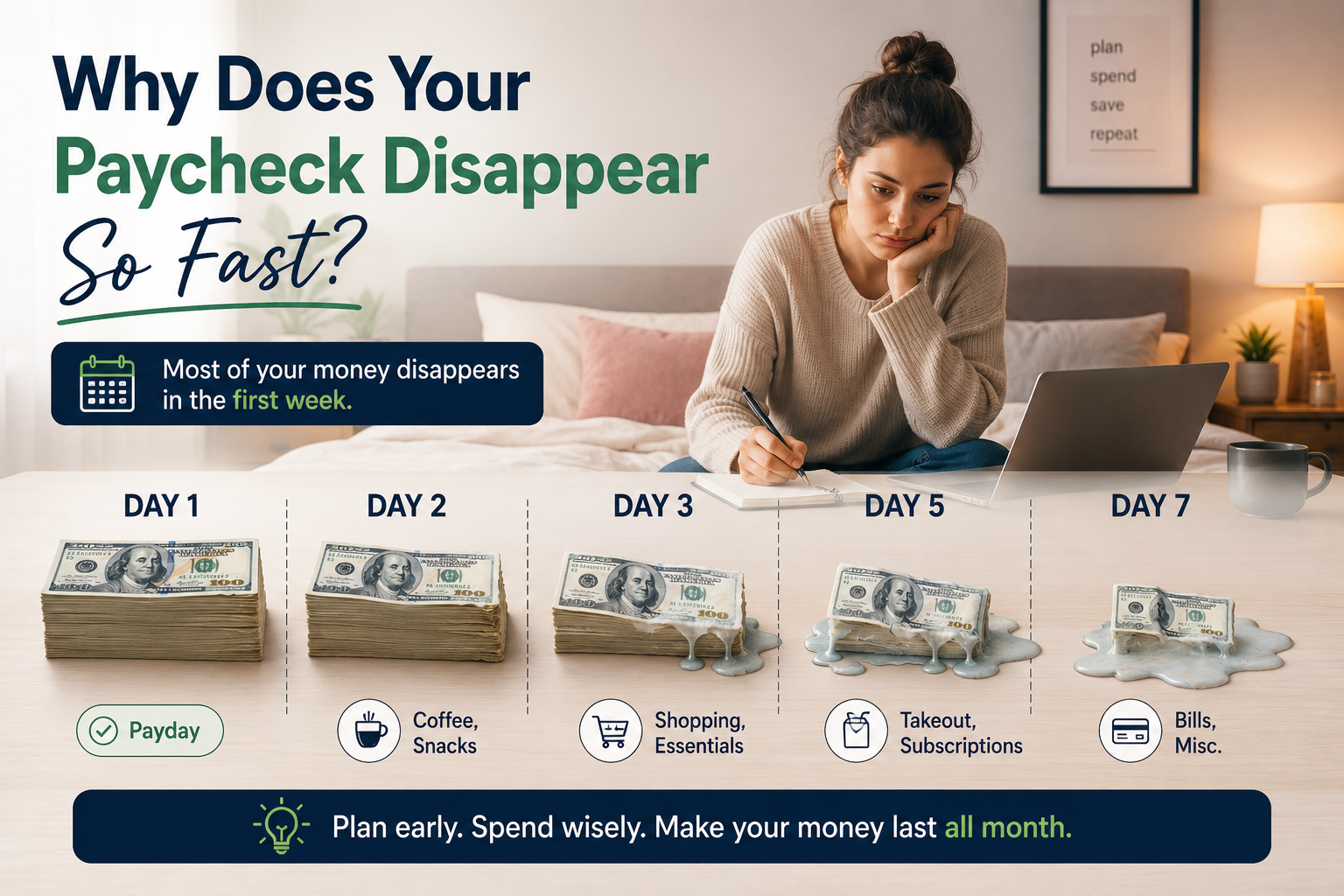
The result is a steady flow of money leaving your account without ever feeling like a major purchase.
Final Thoughts
Convenience has transformed modern life in remarkable ways.
It saves time, reduces effort, and makes everyday tasks easier.
But convenience also comes with a financial cost that many people underestimate.
The danger isn’t a single convenience fee.
It’s the accumulation of hundreds of convenience-based spending decisions over time.
By tracking your expenses, reviewing subscriptions, monitoring delivery fees, and maintaining a clear monthly budget, you can enjoy the benefits of convenience without allowing it to quietly undermine your financial goals.
Sometimes the most expensive purchases aren’t the ones you carefully consider. They’re the ones that are designed to feel effortless.