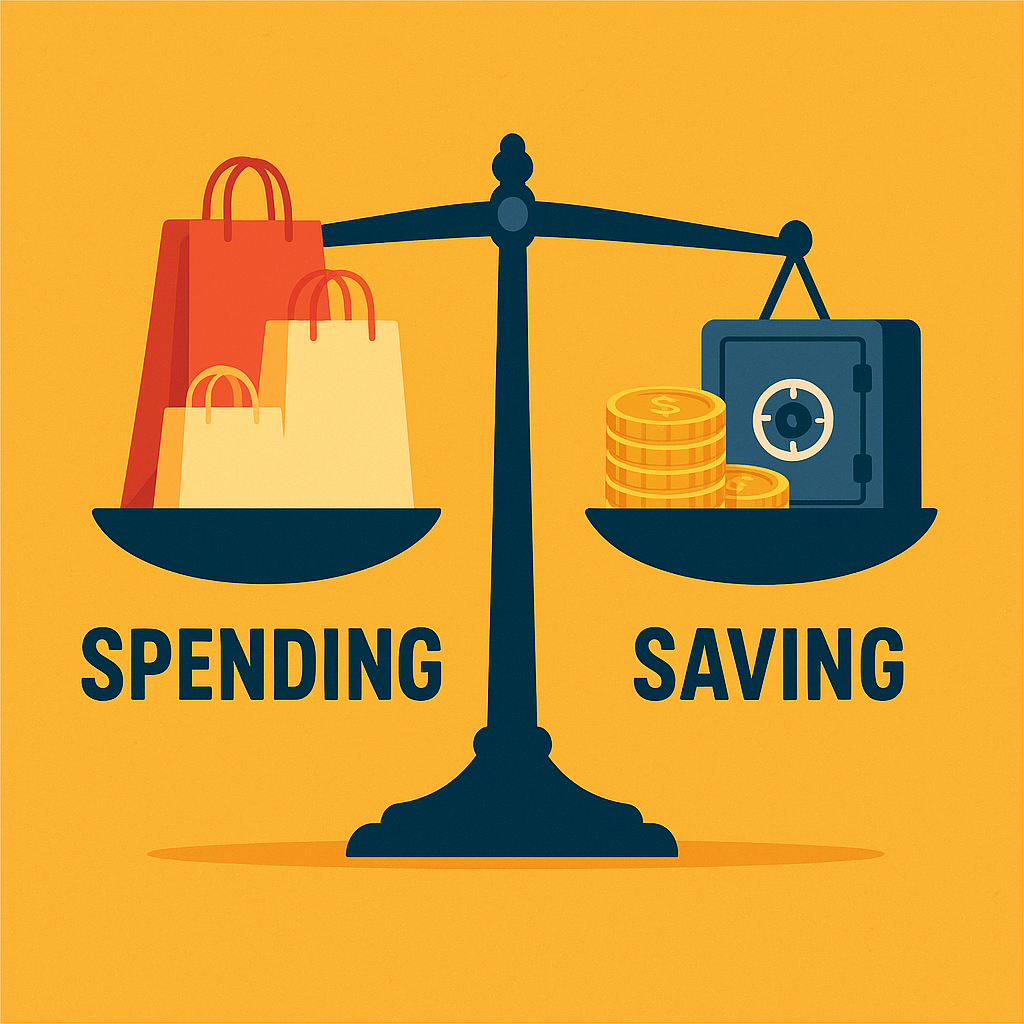
Most people don’t blow their budgets on luxury cars or expensive vacations.
Instead, it’s the small social expenses that slowly eat away at their money.
A dinner here. A birthday gift there. Splitting a restaurant bill evenly. Saying yes to every weekend plan. Before long, hundreds of dollars disappear every month without much to show for it.
Fortunately, you don’t have to become a hermit to improve your finances. A few simple changes can help you enjoy your social life without wrecking your budget.
What Are Social Spending Habits?
Social spending habits are the ways we spend money while interacting with friends, family, coworkers, and society in general.
Examples include:
Dining out
Weekend trips
Birthday celebrations
Weddings
Group vacations
Buying rounds of drinks
Gift giving
Concerts and events
The problem isn’t socializing itself. It’s allowing social pressure and fear of missing out to dictate your spending decisions.
1. Saying Yes to Every Invitation
Many people feel guilty turning down invitations.
But attending every brunch, concert, wedding, or weekend getaway can quickly become expensive.
Instead, decide beforehand how many paid outings fit comfortably into your monthly budget.
Remember:
You don’t need to attend everything to maintain meaningful relationships.
2. Splitting Bills Equally When You Spend Less
Ever ordered a salad while everyone else enjoyed cocktails and desserts?
Yet somehow everyone pays the same amount.
This “even split trap” quietly increases spending over time.
Better approach:
Ask for separate checks.
Pay only for what you ordered.
Use bill-splitting apps when traveling with friends.
Most people won’t mind—and your wallet will thank you.
3. Trying to Keep Up With Everyone Else
Social media has made lifestyle comparison easier than ever.
It’s tempting to match the spending habits of friends who earn more or have different priorities.
But trying to “keep up” is a game nobody wins.
Financially successful people understand that every dollar spent today is a dollar that can’t be invested or saved tomorrow.
4. Putting Social Expenses on Credit Cards
One expensive weekend isn’t usually the problem.
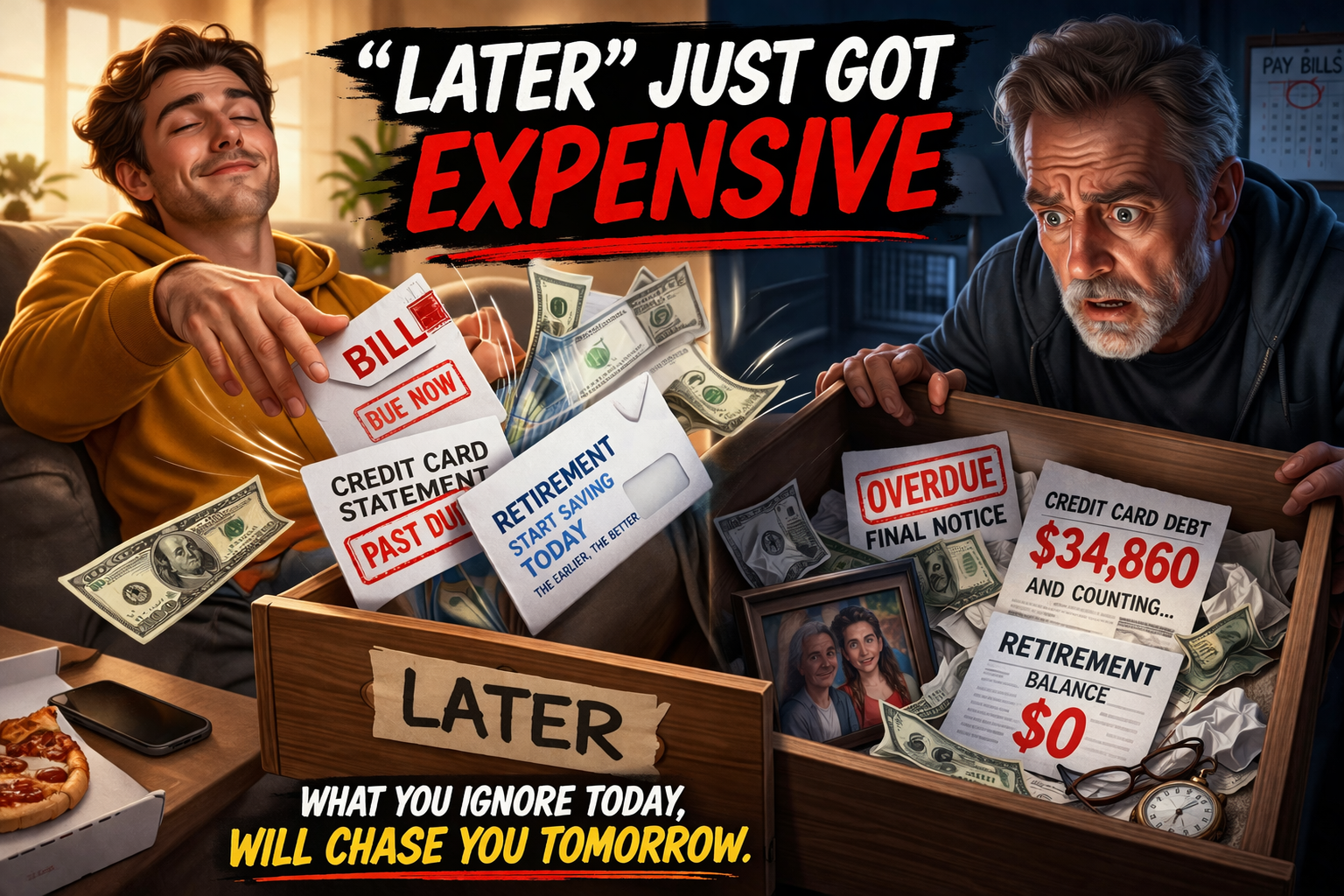
The problem begins when those expenses are financed with debt.
Using credit cards to fund entertainment and social events creates a dangerous cycle where memories are paid for months later—with interest.
Large expenses like weddings, vacations, and holidays should ideally be planned through sinking funds rather than credit card balances.
5. Not Having a Separate Fun Budget
Many people budget for rent, groceries, and utilities but forget to allocate money for fun.
As a result, every social event feels like an emergency expense.
Financial experts recommend creating a dedicated category for entertainment and social activities. This allows you to enjoy life without guilt or overspending.
Even setting aside 5% to 10% of your income can provide enough flexibility for dinners, movies, and occasional outings.
Increasing your savings rate along with your income can help keep lifestyle inflation under control.
7. Forgetting About Hidden Costs
The ticket price is rarely the entire cost.
A simple outing can include:
Parking fees
Transportation
Tips
Food delivery
Drinks
Last-minute purchases
These small expenses often go unnoticed, yet they add up significantly over the course of a year.
Try “Loud Budgeting”
A growing trend called loud budgeting encourages people to be honest about financial boundaries rather than pretending they can afford everything.
Instead of saying:
“I’m busy.”
Try saying:
“I’m saving money right now, but I’d love to do something low-cost.”
You’ll often discover that your friends are trying to save money too.
Low-Cost Ways to Stay Social
Being social doesn’t have to be expensive.
Consider:
Potluck dinners
Movie nights at home
Hiking
Board game evenings
Picnics
Free museums
Community events
Coffee meetups
Walking clubs
The memories matter more than the price tag.
Final Thoughts
The biggest threat to your finances isn’t always a major purchase.
Sometimes it’s the small social spending habits that slowly drain your paycheck month after month.
By setting boundaries, planning ahead, and focusing on experiences rather than appearances, you can maintain a healthy social life while still making progress toward your financial goals.
After all, a budget isn’t about saying no to everything.
It’s about saying yes to the things that matter most.