An emergency fund is supposed to give you peace of mind. But if your savings account isn’t large enough to handle life’s surprises, it may be providing a false sense of security.
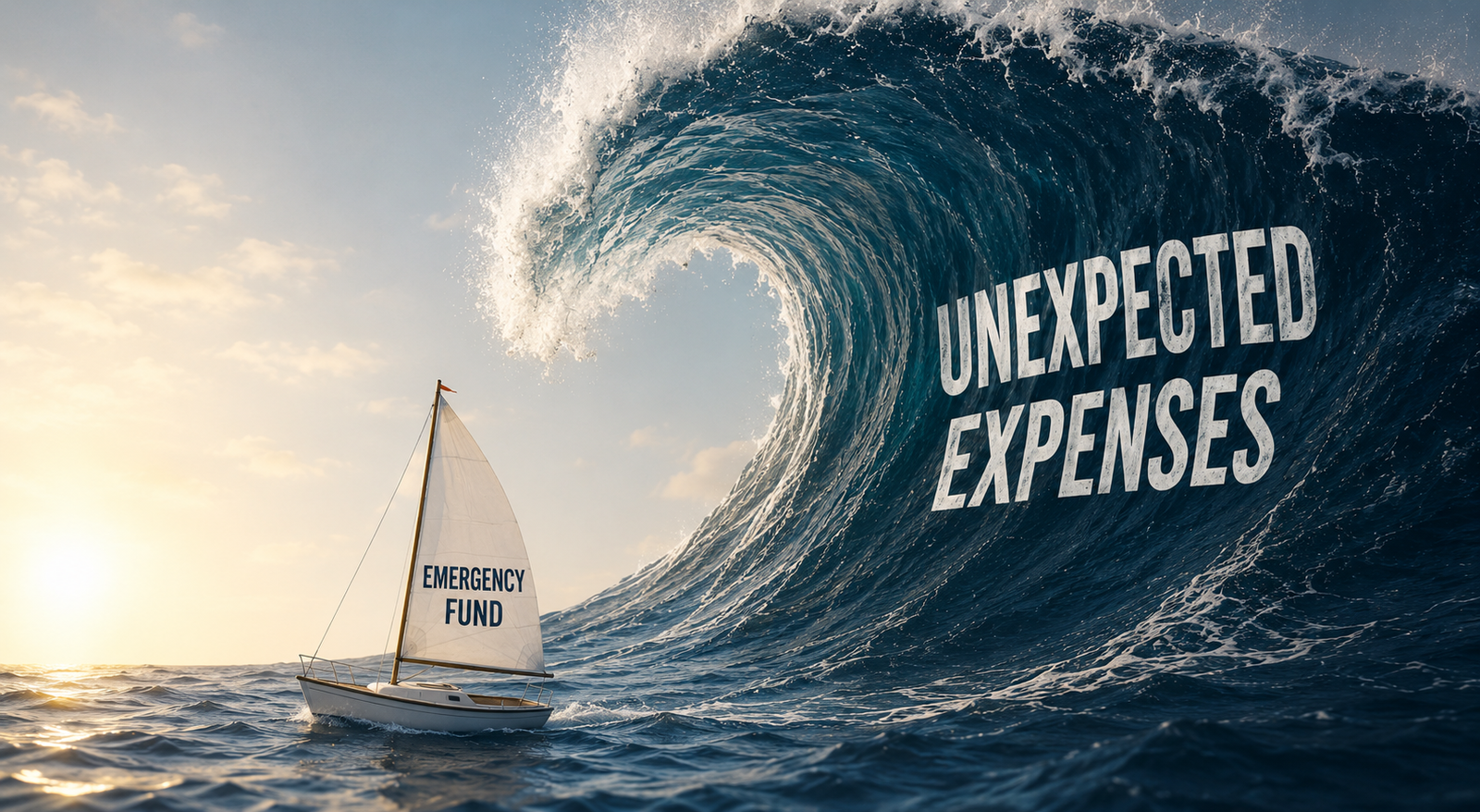
Many people assume that having any amount saved means they’re prepared for emergencies. Unfortunately, unexpected expenses don’t care how much you hoped to save. A car repair, medical bill, or job loss can quickly expose the cracks in a small emergency fund.
If you’re wondering whether your emergency savings are enough, here are seven warning signs that your emergency fund may be too small.
1. One Unexpected Expense Would Wipe It Out
If a single emergency would empty your entire savings account, your emergency fund probably needs some attention.
Think about common surprises like:
Major car repairs
Emergency dental work
Appliance replacements
Veterinary bills
Home repairs
If one of these expenses would reduce your emergency fund to zero, you may not have enough cushion to handle multiple emergencies back-to-back.
2. You Still Rely on Credit Cards During Emergencies
An emergency fund should help you avoid debt when life throws you a curveball.
If you regularly reach for your credit card to cover unexpected expenses, your savings may not be doing the job it was designed for.
Using credit occasionally doesn’t mean you’ve failed. But if debt becomes your backup plan, it’s a sign your emergency fund isn’t large enough yet.
3. Losing Your Job Would Cause Immediate Panic
Job loss is one of the biggest financial emergencies anyone can face.
Ask yourself:
“If I lost my income tomorrow, how long could I cover my essential expenses?”
If the answer is only a few weeks, your emergency fund may be too small.
Financial experts often recommend saving three to six months of essential expenses, but the right amount depends on your situation, income stability, and household responsibilities.
4. You Constantly Borrow From Your Emergency Fund
Your emergency fund should be reserved for genuine emergencies.
If you’re regularly dipping into it for:
Monthly bills
Vacations
Holiday shopping
Impulse purchases
then your savings account may be too small—or your monthly budget may need some adjustments.
Constantly rebuilding the same fund can make it feel like you’re running in place.
5. You Feel Stressed Even Though You Have Savings
Money is about more than numbers.
If you still feel anxious every time an unexpected expense appears, it could be because your emergency fund isn’t large enough to make you feel secure.
Peace of mind is one of the biggest benefits of having emergency savings. If you don’t feel that peace, your target amount may need to be higher.
6. Your Expenses Have Increased, But Your Savings Haven’t
Life changes.
Maybe you’ve:
Moved into a larger home.
Started a family.
Bought a vehicle.
Taken on new financial responsibilities.
As your monthly expenses grow, your emergency fund should grow with them.
A savings account that felt comfortable five years ago might not be enough today.
7. You Keep Hoping Nothing Goes Wrong
Hope isn’t a financial strategy.
If your emergency plan depends on “nothing bad happening,” your emergency fund may need a boost.
Emergencies are unpredictable. That’s exactly why emergency funds exist.
You don’t need to prepare for every possible disaster, but having enough savings to absorb life’s common surprises can prevent a temporary setback from turning into a financial crisis.
How Much Should Your Emergency Fund Be?
There’s no one-size-fits-all answer.
A good starting point is to save enough to cover:
Three to six months of essential living expenses.
More if your income is irregular.
Less if you have multiple income sources and strong job security.
The goal isn’t perfection. It’s progress.
Even building a small emergency fund is better than having none at all.
How to Grow Your Emergency Fund Faster
If your savings feel too small, don’t panic. Building an emergency fund takes time.
Consider:
Automating Your Savings
Set up automatic transfers each payday so saving happens without thinking about it.
Cutting One Major Expense
Small sacrifices help, but reducing a large recurring expense can free up hundreds of dollars every month.
Saving Windfalls
Tax refunds, bonuses, and unexpected cash can give your emergency fund a huge boost.
Starting Small
Your first goal doesn’t need to be six months of expenses.
Aim for:
$500
Then $1,000
Then one month of expenses
Then three months
Eventually six months
Small milestones make the process feel much more manageable.
Final Thoughts
Having an emergency fund is a great start, but simply having savings doesn’t automatically mean you’re financially prepared.
If one unexpected expense would wipe out your account, if you’re still relying on credit cards, or if money problems keep you awake at night, it may be time to strengthen your emergency fund.
Building a larger cushion won’t eliminate life’s surprises, but it can make them far less stressful.
And that’s exactly what an emergency fund is meant to do.