Most people don’t wake up one day and decide to sabotage their finances.
Instead, money problems often come from small daily habits that seem harmless on their own. A few dollars here, a little procrastination there, and before you know it, months or even years have gone by without much financial progress.
The good news? Small habits work both ways. Just as tiny mistakes can hold you back, small improvements can help you move forward.
Here are nine everyday habits that may be quietly keeping you poor.
1. Ignoring Your Bank Account
Many people avoid checking their accounts because they don’t want to deal with bad news.
Unfortunately, ignoring your finances doesn’t make problems disappear. It simply allows overspending, forgotten subscriptions, and unnecessary fees to pile up.
Spending just five minutes a day reviewing your accounts can help you stay in control and avoid unpleasant surprises.
2. Buying Things for Convenience
Convenience is expensive.
Food delivery, impulse purchases, same-day shipping, and paying extra to save a little time can quietly drain hundreds of dollars each month.
There’s nothing wrong with paying for convenience occasionally. But when it becomes a habit, the costs add up faster than most people realize.
When saving depends entirely on willpower, it’s easy to spend whatever is left over at the end of the month.
Automating even small amounts can help you build wealth without constantly thinking about it.
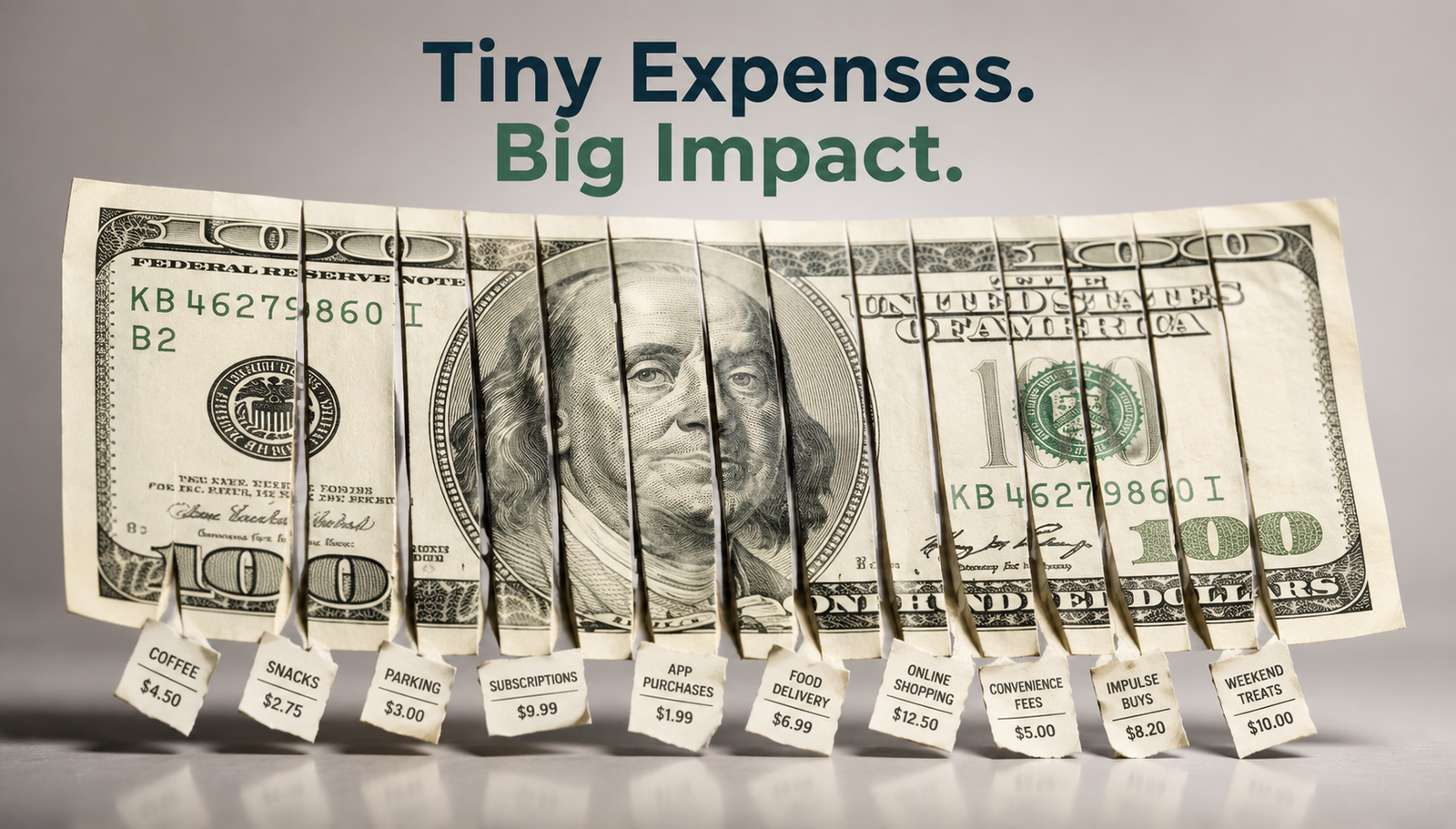
9. Thinking Small Purchases Don’t Matter
A $10 purchase isn’t a problem.
Neither is another one tomorrow.
Or the day after that.
The issue isn’t one small expense. It’s the repeated habit.
Small purchases don’t make people poor, but repeated patterns can slowly eat away at financial progress.
Why These Habits Matter
None of these habits will ruin your finances overnight.
That’s what makes them dangerous.
Big financial mistakes are obvious. Small habits are sneaky. They work quietly in the background, slowly influencing your bank account month after month.
The difference between struggling financially and making progress often comes down to daily behavior rather than dramatic changes.
How to Replace Bad Money Habits
You don’t need to overhaul your entire life.
Start with one habit.
Try:
Checking your bank account daily.
Automating savings.
Planning meals.
Reviewing subscriptions.
Waiting 24 hours before impulse purchases.
Small improvements are easier to maintain and often produce surprisingly large results over time.
Final Thoughts
Most people aren’t held back by one catastrophic financial mistake.
They’re held back by dozens of tiny habits that slowly chip away at their progress.
The encouraging part is that small habits can work in your favor too.
You don’t have to change everything overnight. Even one better decision repeated consistently can make a bigger difference than you think.
Because when it comes to money, it’s often the little things—not the big things—that determine where you end up.