Saving money is smart, but saving money without a purpose can sometimes create confusion.
One of the biggest mistakes people make is treating an emergency fund and a sinking fund as the same thing. While both help you prepare for future expenses, they serve very different purposes.
Understanding the difference can help you avoid unnecessary debt, reduce financial stress, and make your money work more effectively.
Here’s what you need to know.
What Is an Emergency Fund?
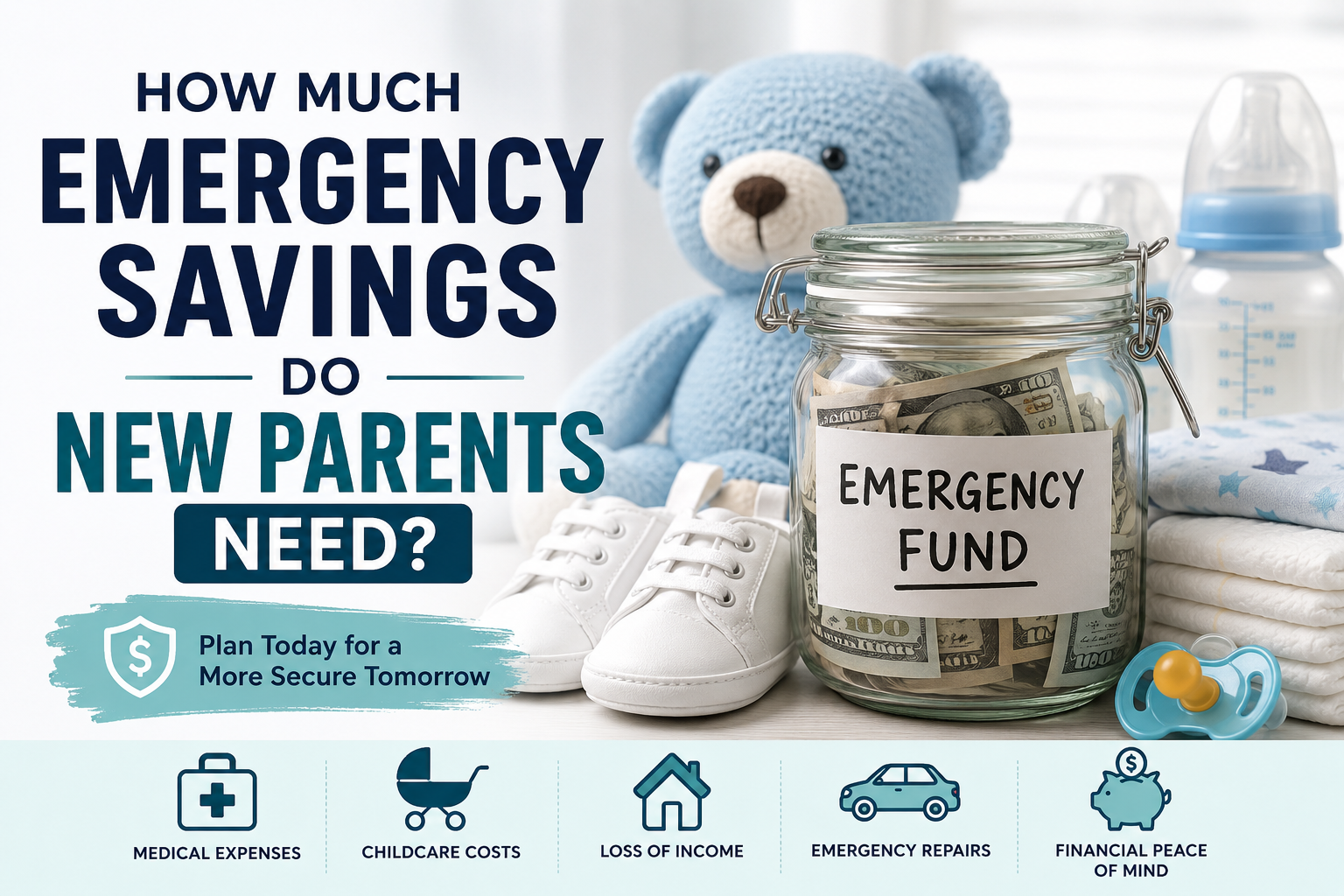
An emergency fund is money set aside for unexpected events that you couldn’t reasonably plan for.
Think of it as your financial safety net.
Examples include:
Losing your job.
Emergency medical bills.
Major car repairs.
Urgent home repairs.
Unexpected travel due to a family emergency.
The key word is unexpected.
You don’t know when these things will happen, which is why emergency savings are so important.
Goal of an Emergency Fund
The purpose of an emergency fund is to protect you from going into debt when life throws you a curveball.
Many experts recommend saving enough to cover three to six months of essential expenses, although the ideal amount depends on your personal situation.
What Is a Sinking Fund?
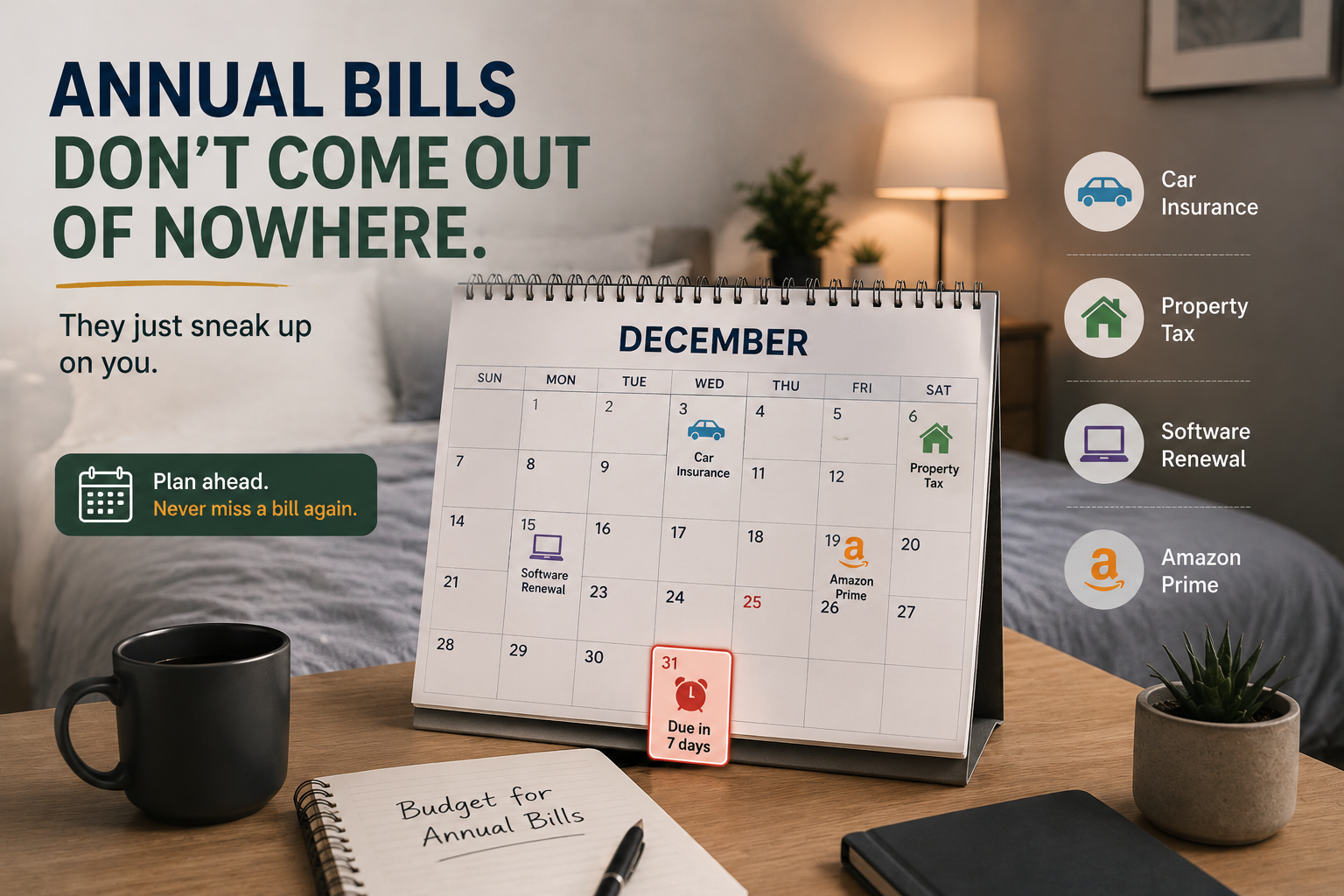
A sinking fund is money you intentionally save for expenses that you know are coming.
The expense may not happen tomorrow, but you know it will happen eventually.
Examples include:
Christmas gifts.
Vacation expenses.
Car maintenance.
Annual insurance premiums.
Birthdays and holidays.
Back-to-school shopping.
Replacing appliances.
Pet expenses.
Unlike emergencies, these costs are expected.
The exact timing may vary, but they shouldn’t come as a surprise.
Goal of a Sinking Fund
The purpose of a sinking fund is to spread large expenses over time so they don’t destroy your monthly budget.
Instead of scrambling to come up with hundreds of dollars at once, you gradually save small amounts throughout the year.
Emergency Fund vs Sinking Fund: The Biggest Difference
The easiest way to remember it is this:
Emergency Fund = Unexpected Expenses
Sinking Fund = Expected Expenses
If you know the expense is coming, it’s probably a sinking fund.
If you didn’t see it coming, it’s probably an emergency.
Examples
Situation
Emergency Fund
Sinking Fund
Job Loss
✓
Emergency Surgery
✓
Christmas Gifts
✓
Vacation
✓
New Tires
✓
Major Car Accident
✓
Annual Insurance Premium
✓
Water Heater Suddenly Fails
✓
Why People Confuse the Two
Many people use their emergency fund for everything.
Christmas arrives.
A birthday pops up.
Their dog needs routine vaccinations.
Suddenly, they’re pulling money from their emergency savings.
But none of these expenses are true emergencies.
They’re simply predictable costs that deserve their own category.
Using a sinking fund for planned expenses helps preserve your emergency fund for genuine financial crises.
Which One Should You Build First?
If you’re starting from scratch, focus on building a small emergency fund first.
A goal of:
$500
Then $1,000
can provide a basic cushion against unexpected expenses.
Once you’ve established that safety net, you can begin creating sinking funds for future expenses.
Eventually, you’ll want both.
Think of it this way:
Emergency Fund = Protection.
Sinking Fund = Preparation.
Common Sinking Funds You Might Need
Many people underestimate how many irregular expenses show up throughout the year.
Popular sinking funds include:
Car Maintenance Fund
Oil changes, tires, and repairs.
Holiday Fund
Christmas and birthday gifts.
Vacation Fund
Travel expenses and accommodations.
Home Maintenance Fund
Appliances, repairs, and upgrades.
Pet Fund
Vet visits and routine care.
Medical Fund
Deductibles and out-of-pocket costs.
Technology Fund
Phones, laptops, and replacements.
Why Having Both Makes Life Easier
Without sinking funds, predictable expenses often feel like emergencies.
Without an emergency fund, true emergencies can become financial disasters.
Together, they create a powerful system that helps you handle both the expected and the unexpected.
That’s why many financially successful people use both types of savings.
Final Thoughts
Emergency funds and sinking funds aren’t competing strategies.
They’re teammates.
An emergency fund protects you from life’s surprises, while sinking funds prepare you for the expenses you know are coming.
Understanding the difference can help you stop treating every expense like an emergency and start planning with more confidence.